How To Transport Digital Piano Without Damage: Expert Tips
Wrap your digital piano in padding, lock moving parts, use proper lifting gear, and secure it in a stable vehicle.
I’ve moved dozens of keyboards and full-size digital pianos for studio clients and friends, and I know exactly how to transport digital piano without damage. This guide walks you through every step, from planning and packing to driving and unloading. You’ll get clear checklists, material recommendations, real-life tips, and the mistakes I’ve learned to avoid — all in plain language so you can move with confidence.

Why careful transport matters
Moving a digital piano without damage protects sound, electronics, and resale value.
Even a small drop or jolt can misalign weighted keys or damage internal sensors.
Digital pianos look sturdy but hide fragile circuits and action parts.
Knowing how to transport digital piano without damage keeps your instrument working for years.
Types of digital pianos and transport risks
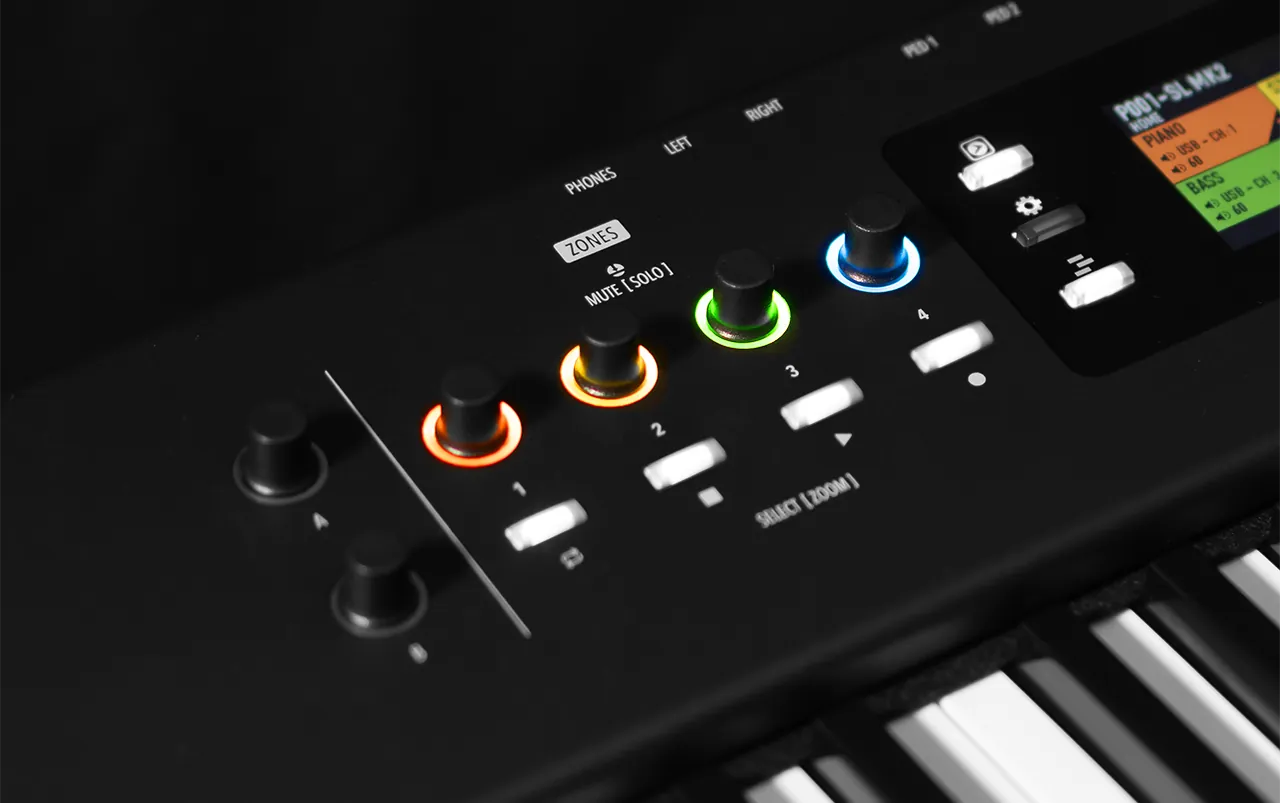
Understanding your piano type guides packing choices.
Portable keyboards
Portable keyboards are light but can flex.
Keys and control panels are vulnerable to pressure.
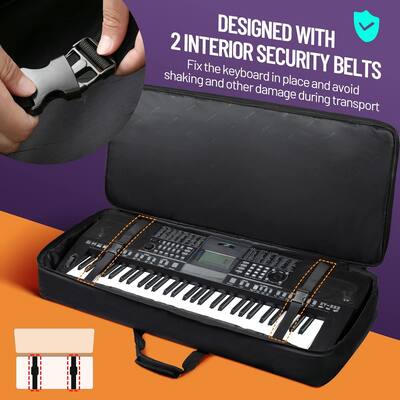
Handle them in a padded gig bag or hard case.
Stage pianos
Stage pianos are heavy and often have metal cases.
Their weight makes secure lifting essential.
They still have fragile ports and buttons.
Console and upright-style digital pianos
Console models mimic acoustic pianos and are bulky.
Legs, pedals, and internal frames can shift.
These need extra bracing or professional handling.
Common risks
Electronic board damage from shocks.
Keybed misalignment from torsion.
Finish scratches and scuffs during loading.
Humidity changes inside the case that affect components.
Knowing how to transport digital piano without damage starts with matching the method to the model.

Pre-transport checklist
Do these steps before you lift anything.
- Measure doorways, stairways, and vehicle openings to confirm fit.
- Take photos of the piano and serial number for insurance.
- Backup any onboard settings or user memory if possible.
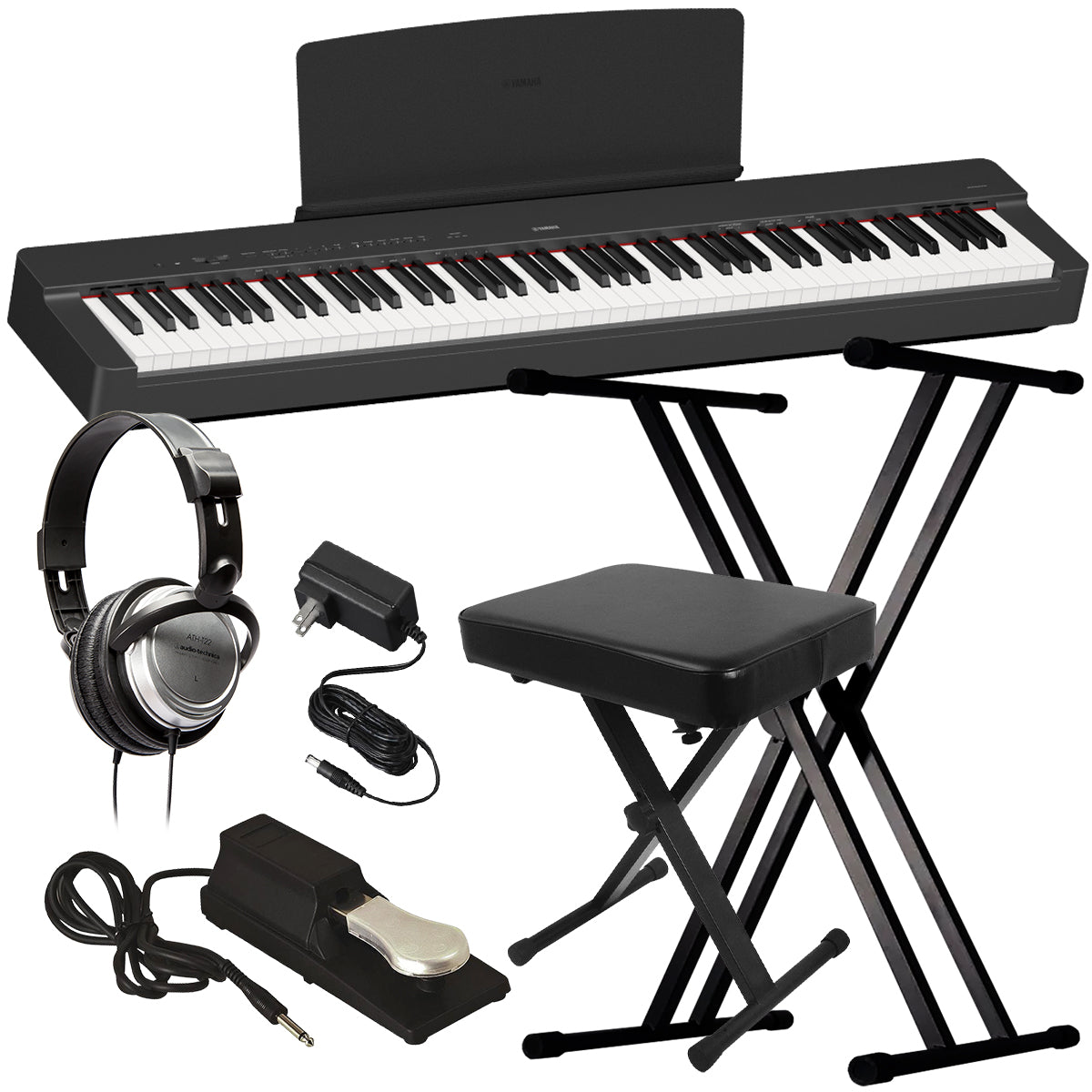
- Remove and pack detachable items: music stand, pedals, cables.
- Close and lock the key cover or secure keys with soft wrap.
- Gather padding: moving blankets, foam, bubble wrap, straps.
- Arrange helpers: at least two strong people for medium keyboards; more for consoles.
This checklist is the backbone of how to transport digital piano without damage.

Packing and protective materials
Here’s what to use and how to use it.
- Moving blankets — wrap the whole instrument for shock absorption.
- Foam sheets — insert between delicate edges and under pedal units.
- Bubble wrap — protect corners and control surfaces.
- Heavy-duty tape — secure wraps but avoid sticking to the finish.
- Shrink wrap — holds blankets in place and keeps out dust.
- Ratchet straps — keep the piano stable in the vehicle.
- Padded hard case or flight case — best for stage and portable pianos.
- Dolly with straps — for safe rolling and lifting.
Packing steps
- Clean the piano and remove loose items.
- Wrap fragile parts with foam and bubble wrap.
- Cover fully with moving blankets and secure with shrink wrap.
- Place on a dolly or pallet and strap it.
- Pad the vehicle floor and position the piano away from doors.
When you follow these, you’ll know how to transport digital piano without damage and reduce stress.
Step-by-step moving process
Follow this order on moving day.
- Plan the route and remove obstacles from hallways.
- Wear gloves and maintain good posture when lifting.
- Lift with legs, not back. Keep the piano vertical if possible.
- Use a dolly for long distances. Secure with straps and edge protectors.
- Load into the vehicle, placing the heaviest side against the vehicle wall.
- Use additional padding around the instrument to avoid movement.
- Drive slowly, avoid sharp turns and sudden stops.
- Unload carefully and reverse the loading steps.
My experience: I once slid a keyboard into a van with thin blankets only. It shifted during a turn and scratched the panel. After that, I always use at least two blankets and a strap. That taught me how to transport digital piano without damage the hard way.

Hiring professionals vs DIY
Choose based on risk and budget.
- Hire professionals when transporting console models or moving long distances. They bring tools, experience, and insurance.
- DIY is fine for small keyboards or short moves if you have helpers and proper gear.
- Compare costs against replacement or repair expenses. A single repair can cost more than professional moving fees.
- Check mover credentials, specialized piano moving equipment, and insurance limits.
If you lack the right gear, hiring pros is a smart, cost-effective way to ensure how to transport digital piano without damage.

Transporting by car, van, or truck
Vehicle choice affects security.
- Car trunks are suitable only for small portable keyboards. Pad well and keep upright.
- Cargo vans handle stage pianos well. Use E-track or anchor points for straps.
- Box trucks are best for console and large models. Use a ramp and tie-downs and pad walls.
- Always secure the piano to prevent tipping or sliding. Use soft blocks to prevent pressure points.
- Keep electronics away from direct sunlight and extreme temperatures during transit.
Good vehicle setup is a key part of how to transport digital piano without damage.
Common mistakes and how to avoid them
Avoid these pitfalls I’ve seen often.
- Mistake: Underestimating weight. Solution: Test lift weight and get help.
- Mistake: Skipping padding. Solution: Use multiple protective layers.
- Mistake: Driving aggressively. Solution: Slow driving and smooth turns.
- Mistake: Ignoring humidity. Solution: Let electronics acclimate before turning on.
- Mistake: Not documenting condition. Solution: Take before-and-after photos for claims.
A simple change in preparation can save you a costly repair.

Maintenance after transport
Do a quick check before using the piano again.
- Wait at least 24 hours for the instrument to reach room temperature in humid climates.
- Inspect keys, pedals, and ports for visible damage.
- Power up and test sounds, pedals, and connectivity.
- Recalibrate any onboard sensors if the model supports it.
- If you detect odd noises or inconsistent action, consult a tech.
Following these steps completes the loop of how to transport digital piano without damage and keep it performing well.
Common quick questions
How long should I wait before powering on after moving?
Wait 12 to 24 hours if the piano experienced large temperature or humidity changes. This lets internal parts stabilize and reduces condensation risk.
Can I move a digital piano alone?
You can move small keyboards alone if properly padded, but avoid solo moves for heavy or console models. Get help to prevent injury and damage.
Is a hard case worth the cost?
A hard case significantly reduces impact and scratch risk and is worth it for frequent movers or gigging musicians. It also speeds loading and unloading.
Frequently Asked Questions of how to transport digital piano without damage
What is the best way to secure a digital piano in a truck?
Secure it upright against the truck wall with ratchet straps and padding on both sides. Use wooden blocks or wedges to stop lateral movement.
Should I remove the pedals before moving?
Yes, remove pedals when possible and pack them separately. This prevents damage to pedal assemblies and makes the unit easier to wrap.
How do I protect the keys during a move?
Cover keys with a rigid piece of cardboard, then wrap with foam and blankets. Avoid placing heavy objects on the keyboard cover.
Do I need insurance for moving a digital piano?
Yes, check mover insurance and your homeowner or renter policy. Specialized piano coverage may be necessary for high-value instruments.
What if the piano develops problems after moving?
Document the issue and contact a qualified technician. If you used a professional mover, file a claim with their insurance if damage is evident.
Can extreme temperatures damage a digital piano during transport?
Yes, extreme heat or cold can harm electronics and adhesives. Keep the piano shaded and aim for moderate cabin temperatures.
How many people are needed to move a console digital piano?
At least four people are recommended for most console models to handle weight and maneuverability safely.
Conclusion
Moving a digital piano without damage is all about planning, padding, and care. Follow the checklist, use the right materials, and choose help when needed. My practical tip: prepare early and double-check measurements; that small step prevents most headaches. Take action now — gather your materials, measure paths, or call a trusted mover, and protect your instrument for years of reliable use. Share your moving story or questions below, or subscribe for more practical gear and moving guides.

Senior Music Reviewer
Alex Carter is a seasoned music reviewer with over a decade of experience in the world of sound and instruments. Passionate about helping musicians and enthusiasts make informed choices, he brings sharp insights and in-depth knowledge to every review. From classical instruments to modern gear, Alex combines technical expertise with a love for music to deliver content that resonates with readers.
As a Senior Music Reviewer and expert author on Tuneluma.com, Alex is dedicated to sharing honest evaluations, practical advice, and thoughtful commentary to guide readers in their musical journey.