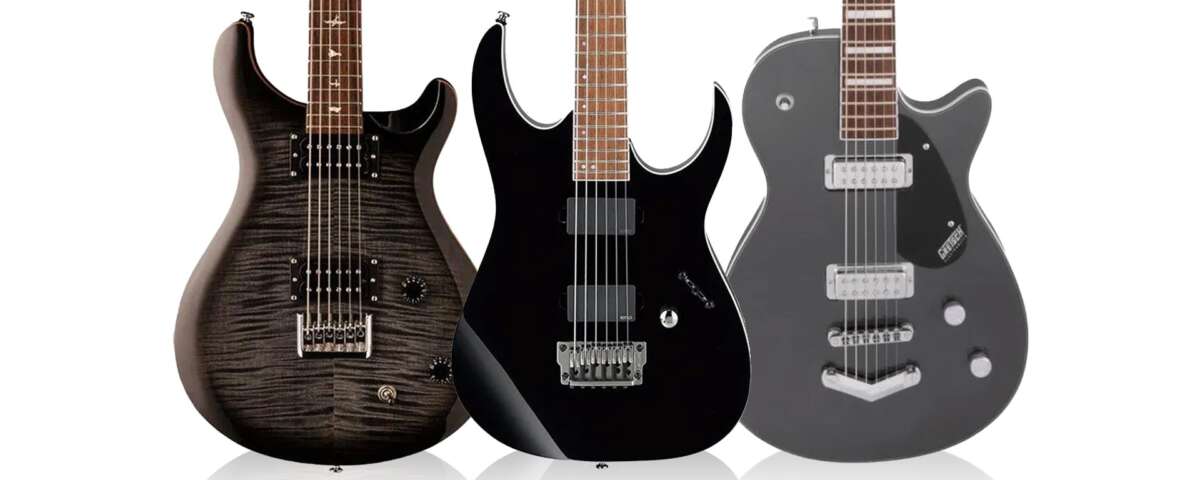
What Is A Baritone Guitar: The 2026 Musician Guide
A baritone guitar is a stringed instrument with a longer scale length, allowing it to be tuned lower than standard guitars.
I have spent years chasing new tones, and the first time I picked up a baritone guitar it felt like finding a hidden room in my house. Standard guitars are usually tuned to E. A baritone guitar lives lower. It opens a deep, growling register that sits between a standard guitar and a bass. That lower range gives you room for cinematic textures, thick riffs, and clear low-end in mixes. If you write songs, it can change how you craft chords, melody, and arrangement. In this guide I explain what a baritone guitar does, how it feels to play, and how to get the best tone from one.
Anatomy and Technical Differences
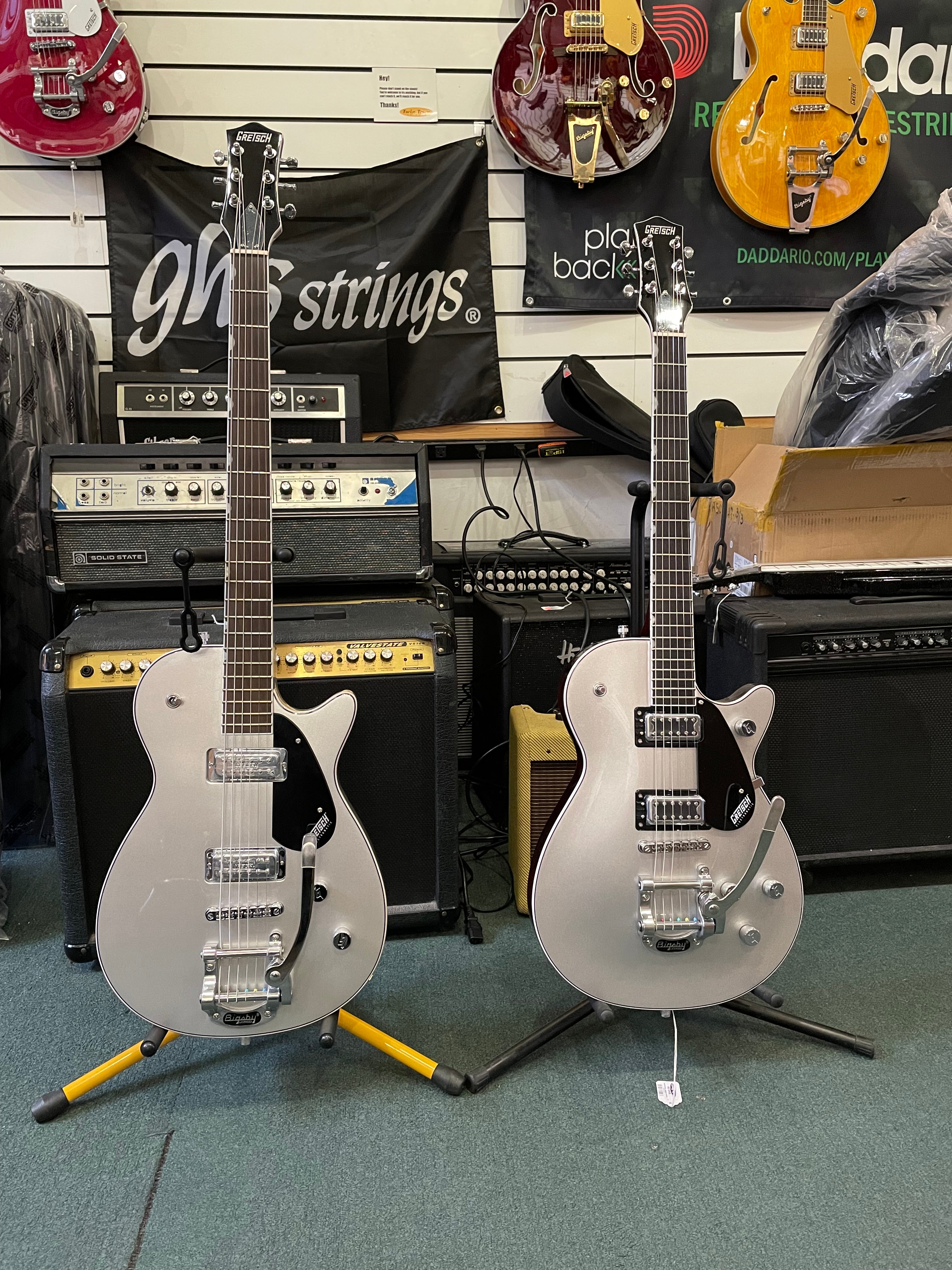
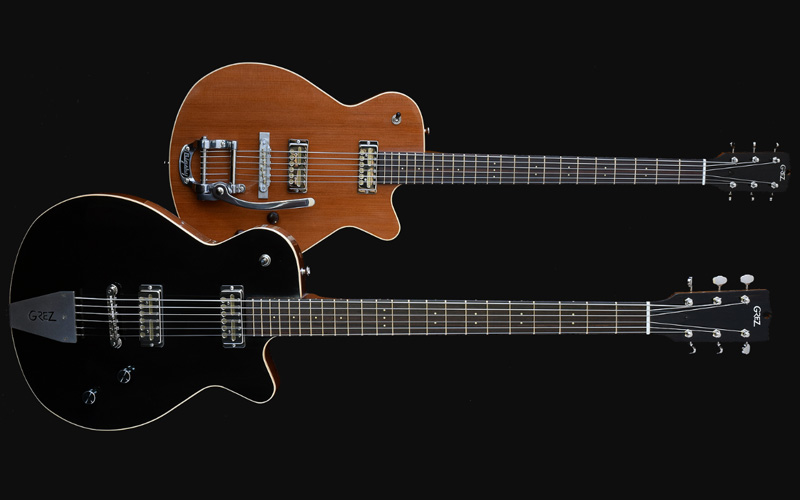
The clearest technical difference is scale length. A standard electric guitar usually measures 25.5 inches nut-to-bridge. A baritone typically ranges from 27 to 30 inches. That extra length raises string tension when you tune down. Higher tension keeps thicker strings from going floppy when you tune to B, A, or below.
The longer neck changes feel. Frets sit a little farther apart. Your fretting hand needs a small adjustment near the nut. The benefit is big. You get more sustain and a clear, piano-like tone on low notes. A baritone is not just a regular guitar with a different setup. It is built to articulate low frequencies that a standard guitar struggles to reach without losing tuning stability or intonation.
Other technical points that matter:
- Neck and truss rod: Longer necks need careful relief adjustments. The truss rod range and setup matter more than on a standard guitar.
- Bridge and intonation: You will likely spend more time dialing intonation. A longer scale can affect saddle placement and string compensation.
- Pickups: Humbuckers often pair well with baritones for tight low end. Single-coils can be great for clarity, but they may sound thinner at lower tunings.
- Construction: Many baritones use heavier woods or different bracing to control low-frequency resonance, especially acoustic baritones.

Why Players Choose a Baritone Guitar
Players pick a baritone for many practical reasons. For solo artists, one instrument can cover both guitar and bass spaces. In the studio I often double a standard guitar with a baritone. The baritone layer adds weight. It makes the mix sound larger and more focused.
Genres that commonly use baritones include surf rock, metal, country, doom, and cinematic score work. But fingerstyle players and singer-songwriters also love them. The extra low end adds warmth and body to solo arrangements. It fills out the bottom in a way that makes single-player performances sound complete.
Playing one shifts your creative choices. Chord voicings change. Melody lines sit in a different part of the spectrum. That shift can unlock new ideas. It nudges you toward lower-register hooks and thick, atmospheric textures.
Practical Tips for Getting Started
If you decide to add a baritone to your rig, expect a few setup changes. The first rule: string gauge matters. Thin strings will feel loose and out of tune. Use heavier gauges to keep proper tension. Common electric sets for B tuning start around .013–.062 or even thicker depending on preference. For A or lower, step up again.
Take time to set intonation and action. With a longer neck, small saddle shifts make a bigger audible change. Spend time at the bridge and check intonation up the neck. If you prefer, take the instrument to a pro for an initial setup. A good tech will set action, intonation, and neck relief so the guitar plays smoothly.
Other starter tips:
- Adjust amp EQ to tame extra low end. Cut a bit of bass if your signal gets muddy.
- Use pedals you already own. Distortion and fuzz will sound heavier. Tweak gain and tone to keep clarity.
- Pickups matter. Humbuckers often give tighter low end. Single-coils can add sparkle higher up.
- Consider speaker choice. If you play loud, use speakers that handle low frequencies well.
Frequently Asked Questions of what is a baritone guitar
How is a baritone guitar tuned?
Most baritone guitars are tuned a fourth lower than a standard guitar, typically to B-E-A-D-F#-B. This places the instrument in a range that bridges the gap between a standard guitar and a bass guitar.
Can I use regular guitar pedals with a baritone guitar?
Yes, you can use standard effect pedals, but you may find that distortion and fuzz sound much heavier. It is often helpful to adjust your EQ settings on your amp to account for the extra low-end frequency output.
Do I need a bass amp to play a baritone guitar?
You do not need a bass amp, as a baritone guitar is still a guitar, not a bass. A high-quality electric guitar amplifier will work perfectly, though you might want to use speakers that handle low frequencies well.
Is a baritone guitar harder to play?
It can feel slightly more challenging due to the longer scale length and increased fret spacing. However, once you adjust to the extra tension, you will find it quite comfortable for riffing and chord work.
What genres benefit from the use of a baritone guitar?
While it is famous in surf rock, metal, and country, it is used in almost every genre today. Any music that requires deep, rich, or cinematic textures can benefit from the unique sound of a baritone guitar.
Baritone vs Standard Guitar and Bass
A quick comparison helps when you choose gear. A standard six-string sits higher in pitch. A baritone drops the pitch but keeps guitar playability. A bass goes lower and usually has four strings and a different technique. A baritone fills the middle. It keeps guitar voicings but gives you bass-like heft.
Compared to a seven-string guitar, a baritone changes tension and feel rather than just adding one lower string. Seven-strings extend range while keeping standard scale length. Baritones do that by length and scale. Both are useful. Your choice depends on whether you want a different feel or simply a wider range.
Common Tunings and String Gauges
Typical tunings include:
- B standard: B-E-A-D-F#-B (most common)
- A standard: A-D-G-C-E-A (for heavier, darker sounds)
- Drop A: A-E-A-D-F#-B (drop-style power chords)
String sets vary by taste. For B standard, many players use .013–.062 or .014–.068. For A or lower, try heavier options or custom sets. Experiment until you find tension and feel you like.
Recording and Live Tips for Better Baritone Tone
In the studio I use a few tricks that help the baritone sit well in a mix:
- Double tracks: Record a standard guitar plus a baritone to add weight.
- High-pass filtering: Use a gentle high-pass on other tracks so the baritone has room.
- Parallel compression: Adds punch without killing dynamics.
- Speaker choice: Use cabs and speakers rated for low frequencies when tracking loud parts.
Live, lean on your amp EQ. Cut a little low-mid if the sound gets muddy on stage. If you play with a bass player, work on parts so you don’t clash in the same register.
Conclusion
The baritone guitar is an incredible tool that offers a world of sonic possibilities beyond the reach of standard six-string instruments. Whether you are looking to create thunderous riffs, lush atmospheric soundscapes, or simply want to explore new creative ground, this instrument provides the foundation you need. By understanding its unique scale, tension, and tonal capabilities, you can elevate your music to a more professional level. I encourage you to head to a local shop, pick one up, and experience the weight and resonance of a baritone guitar for yourself. If you found this guide helpful, feel free to leave a comment or share your experience with your favorite baritone setup below.

Senior Music Reviewer
Alex Carter is a seasoned music reviewer with over a decade of experience in the world of sound and instruments. Passionate about helping musicians and enthusiasts make informed choices, he brings sharp insights and in-depth knowledge to every review. From classical instruments to modern gear, Alex combines technical expertise with a love for music to deliver content that resonates with readers.
As a Senior Music Reviewer and expert author on Tuneluma.com, Alex is dedicated to sharing honest evaluations, practical advice, and thoughtful commentary to guide readers in their musical journey.