Can’t Help Falling In Love Piano Sheet Music: Best 2026 Guide
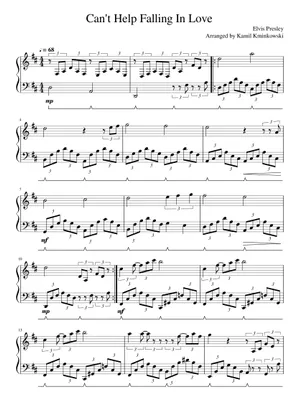
Can’t help falling in love piano sheet music is widely available in beginner to advanced arrangements online.
As a pianist and teacher, I have worked with dozens of students on this song. It is one of the first pieces many people want to learn. Whether you want can’t help falling in love piano sheet music for a wedding, a small recital, or quiet time at home, its appeal is simple and deep. My own journey with this tune began years ago. I remember hunting for an arrangement that kept the melody clear but did not feel needlessly hard. Over time I learned what makes a good arrangement. The best can’t help falling in love piano sheet music balances a gentle arpeggiated accompaniment with a clear, singing melody line. In this guide I share how to pick the right version, how to practice it, and how to make the song your own.
Understanding Different Skill Levels in Sheet Music
When you search for can’t help falling in love piano sheet music, you will see many labels: easy, intermediate, and advanced. These labels matter. They help you avoid a frustrating choice. Be honest about your skills. Picking the wrong level can lead to burnout.
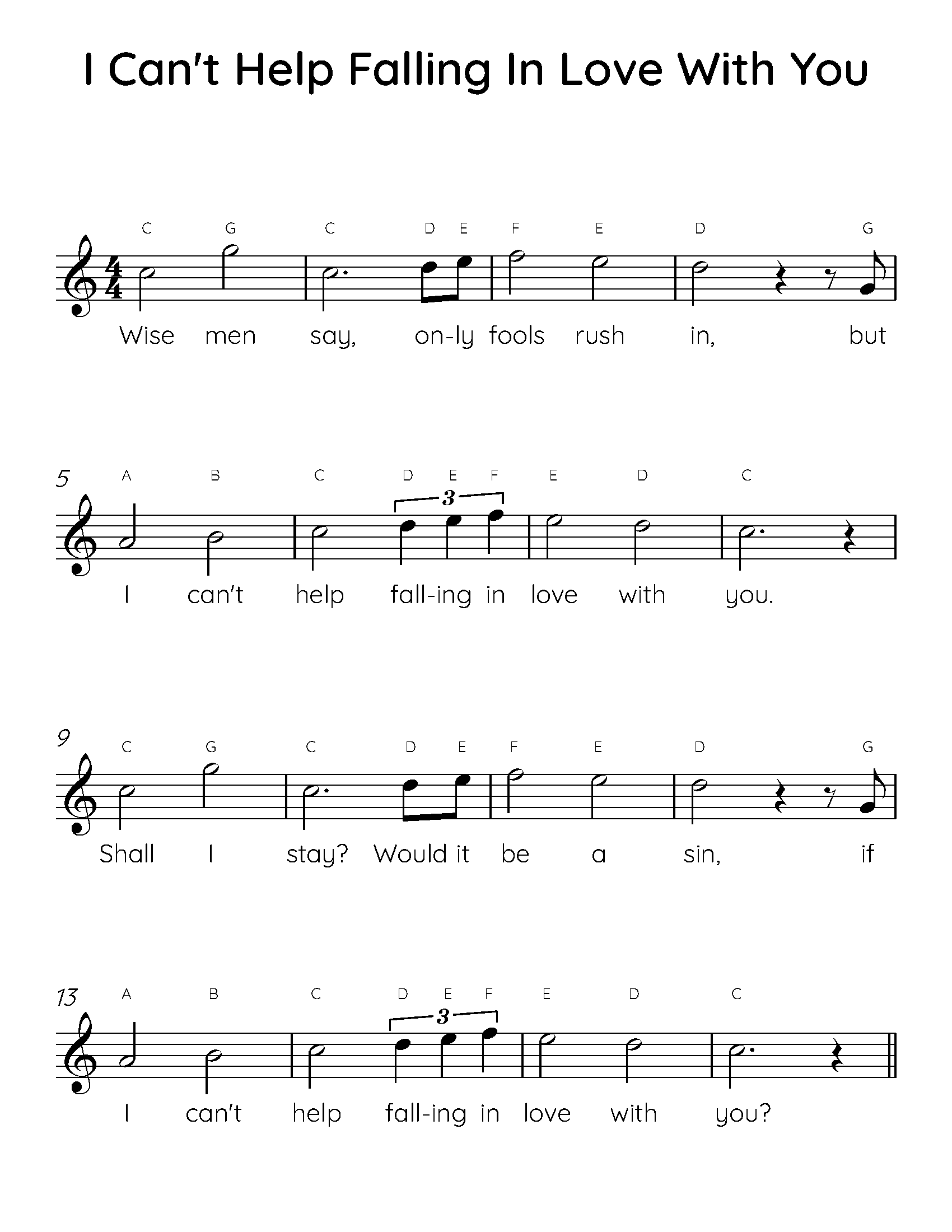
- Beginner arrangements often show the melody in the right hand. The left hand plays simple, held chords. This format is ideal for new readers and for those who want to learn the tune quickly. Many beginner can’t help falling in love piano sheet music editions use a five-finger pattern or small hand shifts to reduce strain.
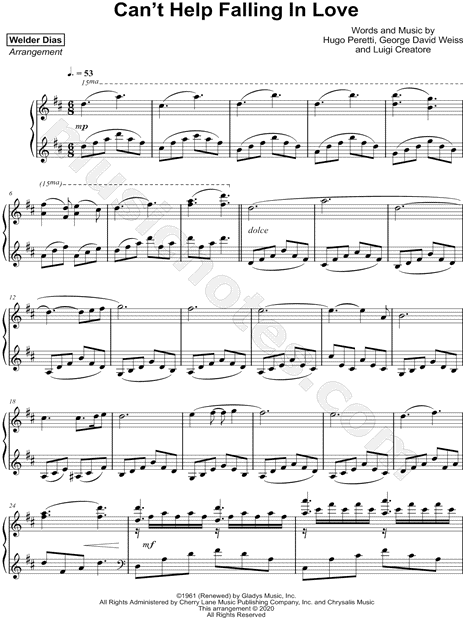
- Intermediate versions add broken chords and light syncopation. These give the piece a more flowing feel. At this stage, the arrangement starts to echo the original recording’s rhythm and gentle swing. Intermediate can’t help falling in love piano sheet music often includes simple pedal markings and suggested fingering.
- Advanced arrangements add jazz-style harmonies, wide leaps, and dynamic contrasts. These versions let you add rubato, reharmonize chords, or play extended arpeggios. Advanced can’t help falling in love piano sheet music is for performers who want to add personal flair and showmanship.
Choosing the Right Arrangement for Your Goal
Think about how you will use the song. Choices change with each goal. For a wedding ceremony you might want a clear, simple arrangement. For a performance you may prefer something more expressive. For personal practice, a version with chord symbols and a lead sheet can help you explore reharmonization and improvisation.
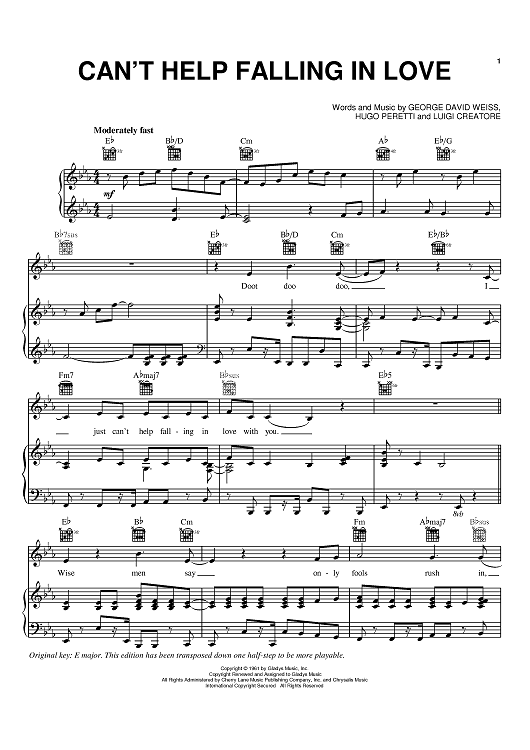
- If you need an accompaniment for a singer, look for an arranged score with vocal line and lyrics.
- If you want to create a solo piano cover, choose versions that include full left-hand accompaniment and suggested dynamics.
- If you plan to improvise, a lead sheet or chord chart with the melody works best. These often come in PDF, MIDI, or MusicXML formats.
Tips for Mastering the Melody and Rhythm
Phrasing is the key. Many players rush the notes. This song asks for a slow, swaying pulse. I tell students to hum or sing the words in their head. That connects the melody to a natural breath and to musical timing. Short, even practice sessions beat long, scattered ones. Focused practice helps you keep the melody the priority.
If a bar feels awkward, isolate the small group of notes. Play those three or four notes slowly. Use a metronome. Speed up only when the passage feels smooth. The emotion of this song lives in the pauses. Let the phrases breathe. Pedal lightly. Small adjustments in timing and touch make the melody feel alive. These are the same ideas I use when teaching dynamics, rubato, and tone control.
Practice Tools I Recommend
- Metronome: trains steady tempo and controlled rubato.
- Slow-down software or DAW: helps you hear tricky passages at a lower speed.
- Recordings: listen to different covers to learn phrasing ideas, not to copy every detail.
- Fingerings written on the score: they save time and reduce mistakes during practice.
Where to Find Quality Arrangements
The web has many options. This can be good and also noisy. Stick to trusted sites that show a preview of the score. Previews let you check the key, layout, and note density. That helps you avoid buying an arrangement that is too hard or too simple.
- Digital marketplaces let you filter by difficulty. This makes finding the right can’t help falling in love piano sheet music much faster.
- Music education sites may offer interactive scores. These let you slow down playback, loop sections, or view fingerings.
- Public domain archives sometimes have simplified arrangements. They can be useful, but check accuracy. Public domain versions may lack modern formatting or correct voicing compared to professionally arranged can’t help falling in love piano sheet music.
Common Mistakes and How to Fix Them
Players often make the same errors when learning this song. I see them with beginners and with seasoned players alike. Here are simple fixes.
- Rushing the phrases — Fix: mark breaths and rests. Practice with a metronome at a slow tempo.
- Over-pedaling — Fix: use short pedal changes. Clear the pedal at harmonic shifts.
- Ignoring the melody — Fix: practice the right hand alone. Sing the line while playing.
- Using wrong fingerings — Fix: write consistent fingerings into the score and stick to them.
Frequently Asked Questions of can’t help falling in love piano sheet music
Is can’t help falling in love piano sheet music good for beginners?
Yes. The melody repeats and follows a simple structure. That makes the song friendly to new players. Many beginner can’t help falling in love piano sheet music editions use small hand positions. These limit hand movement and help you learn the tune faster.
What is the best key to learn this song in?
The original recording is in D Major. It has two sharps. That key works well for intermediate players. Beginners often use C Major. Transposing to C Major removes the black keys and makes hand positions simpler. You can also choose keys to suit a singer. Use a capo for guitar or transpose the piano part for easier play.
How long does it take to learn the piece?
If you practice 20 minutes each day, you can learn a basic arrangement in about two weeks. Your pace depends on music reading skills and comfort with chord changes. Advanced versions will take longer and need more focused work on technique and expression.
Should I look for free or paid sheet music?
Free can’t help falling in love piano sheet music can be great for getting started. Paid versions usually have better formatting, accurate notes, and helpful fingering. If you plan to perform, investing in a high-quality arrangement is worthwhile. Paid scores often include multiple voicings, lead sheets, and printable PDFs.
Can I add my own style to the music?
Yes. This song is highly adaptable. It makes a good canvas for your ideas. You can add arpeggios, use pedal sustain, or reharmonize with jazz chords. Try simple changes first. See how they affect the feel. Keep the melody clear as you experiment.
A 2-Week Practice Plan for Beginners
This simple plan helps you build a solid version of the song in about 14 days. It focuses on repetition, accuracy, and phrasing.
- Days 1–3: Learn the right-hand melody by rote. Hum the song while you play.
- Days 4–6: Add the left hand with basic block chords. Keep the tempo slow.
- Days 7–9: Introduce simple arpeggios and light pedal. Work one phrase at a time.
- Days 10–12: Blend hands together. Use a metronome and increase tempo slightly.
- Days 13–14: Polish dynamics and add personal touches. Record yourself and make small corrections.
Useful Terms and Formats to Know
Knowing common terms will help you choose the right file or edition. Here are a few items I mention when I teach.
- Lead sheet — melody, chords, and lyrics. Good for singers and improvisers.
- Chord chart — shows only chord symbols. Great for reharmonizing.
- PDF, MIDI, MusicXML — common file formats. PDF is printable. MIDI can play back in software. MusicXML is editable in notation software.
- Fingerings — suggested finger numbers. They improve accuracy and reduce tension.
Conclusion
Mastering can’t help falling in love piano sheet music is both rewarding and practical. The song teaches phrasing, touch, and simple harmony. Choose the right difficulty for your goals. Focus on the melody. Use a metronome and practice small sections. Try different arrangements until one fits your hands and voice. Keep exploring arpeggios, pedal, and light reharmonization to make the piece your own. Start today by downloading a version that challenges you just enough, and practice until the music feels natural. If you found these tips helpful, please share this guide with fellow piano enthusiasts or leave a comment below about your progress with this beautiful classic!

Senior Music Reviewer
Alex Carter is a seasoned music reviewer with over a decade of experience in the world of sound and instruments. Passionate about helping musicians and enthusiasts make informed choices, he brings sharp insights and in-depth knowledge to every review. From classical instruments to modern gear, Alex combines technical expertise with a love for music to deliver content that resonates with readers.
As a Senior Music Reviewer and expert author on Tuneluma.com, Alex is dedicated to sharing honest evaluations, practical advice, and thoughtful commentary to guide readers in their musical journey.