How To Advertise Piano Lessons Online Effectively: Pro Tips
Narrow your niche, build a clear website, share free value, use targeted ads, and track results.
I have taught piano and built a steady online student pipeline. This guide shows exactly how to advertise piano lessons online effectively. You will get step-by-step tactics, real mistakes I made, and ready-to-use templates for ads, pages, and content. Read on to learn how to attract students without wasting time or money.
Define your niche and ideal student
Start with a small, clear target. Pick one or two student types. Examples include beginners age 5–8, adult beginners, pop/rock students, exam-focused students, or hobbyists who want to learn songs. A tight niche helps your message land. It also helps when you advertise piano lessons online effectively because ads and content speak to one audience.
How to find your niche:
- Look at your current students. Which students give you the most joy and retention.
- Test demand with quick posts or a low-cost ad.
- Pick language your ideal student uses, like “learn pop songs fast” or “grade-ready piano lessons.”
Personal note: I once targeted “busy adults who want to play songs.” That niche tripled my trial sign-ups in six weeks. I learned to say less and speak directly to one need.
Build a simple, optimized website and booking system
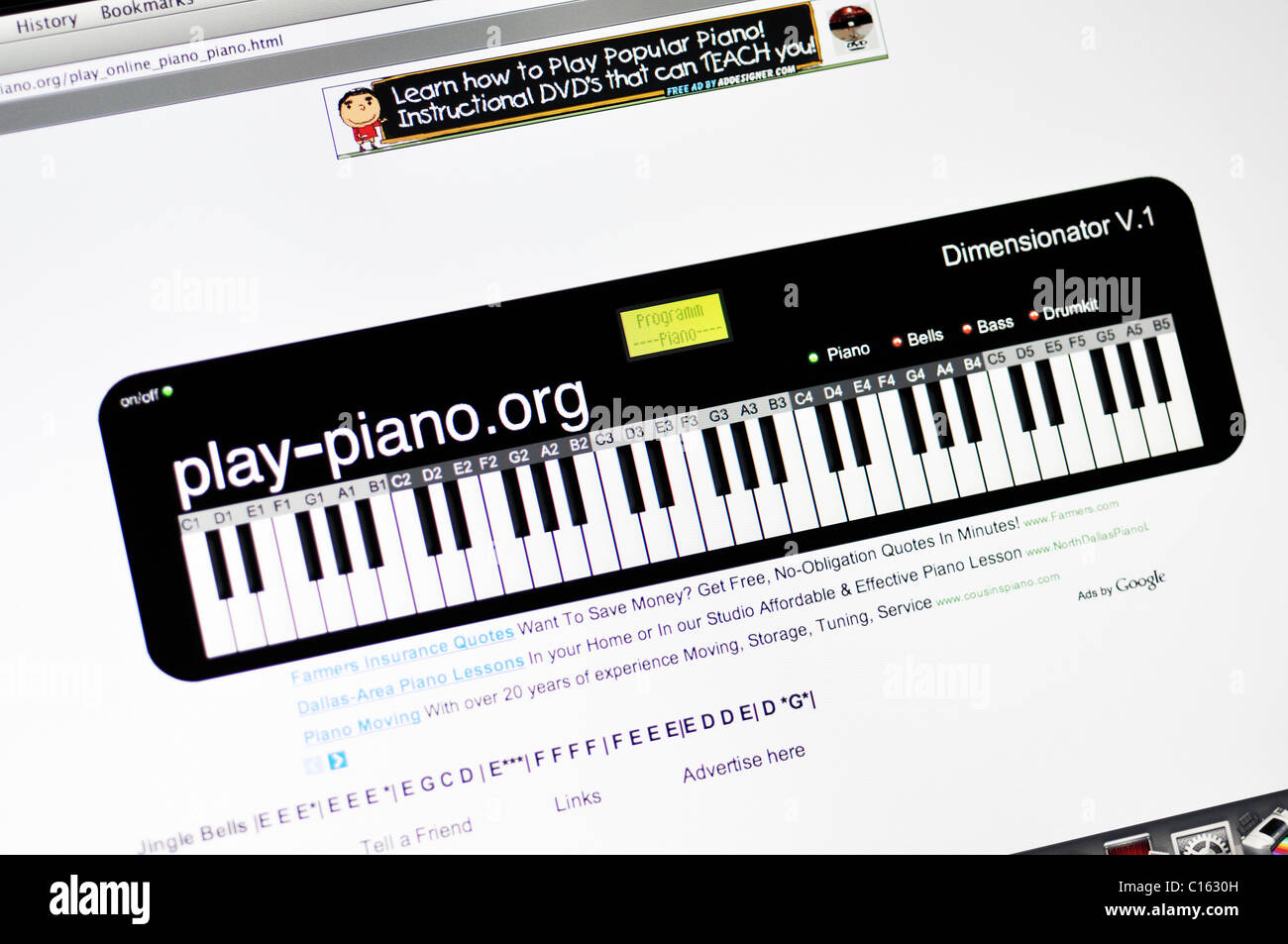
Your site is the home base for how to advertise piano lessons online effectively. It needs to convert. Keep pages focused. Use clear calls to action like “Book a free trial” or “See lesson packages.”
Key pages to include:
- Home page. State who you teach and the main benefit in one sentence.
- About page. Show your teaching approach, credentials, and friendly photo.
- Lessons page. List packages, pricing, and what a typical lesson looks like.
- Book page. Add an easy online booking widget and calendar.
- Contact page. Offer phone, email, and a short contact form.
SEO and local tips:
- Use simple phrases that students search for, like “piano lessons near me” and “online piano teacher for adults.”
- Add city names to page titles and meta descriptions if you teach locally.
- Add schema for local business and reviews to help search visibility.
Tools that make it fast:
- Website builders with booking plugins cut setup time.
- Use a lightweight theme and compress images for speed.
I kept my lesson site short. A clear headline and a visible book button cut follow-up emails by half.

Content marketing: teach to sell
Content builds trust and helps you advertise piano lessons online effectively without always paying for ads. Teach first. Give value. Then invite.
Content ideas that work:
- Short how-to videos showing one song trick.
- Blog posts that answer beginner questions like “How long until I can play a song?”
- Free mini-courses delivered by email to nurture leads.
- PDFs or checklists, such as “5 practice habits for busy learners.”
Platforms to focus on:
- YouTube for search and long-term discovery.
- Instagram Reels and TikTok for quick reach and relatability.
- A simple email sequence to convert leads into trials.
Practical tip: Record 3 short clips, one long lesson, and one PDF each month. Post clips to social, host long video on YouTube, and use the PDF as a lead magnet. This pipeline helps when you advertise piano lessons online effectively because ads can send traffic to your lead magnet or video.

Social media and community building
Social platforms let you build an audience that trusts you. When you advertise piano lessons online effectively, you pair ads with a warm social presence.
How to use social media:
- Share short wins from students. Real results sell.
- Post behind-the-scenes practice tips.
- Host live Q&A sessions or short masterclasses.
- Create a private group for students and prospects to build community.
Engagement tips:
- Ask a question in each post.
- Reply to comments fast.
- Use polls to learn what students want.
Example from my studio: I posted a weekly “30-second practice tip.” That built an email list of parents who later booked lessons. The cost per trial from that list was far lower than cold ads.
Paid advertising: Google Ads, Facebook and Instagram ads
Paid ads speed up how to advertise piano lessons online effectively. They put your offer in front of people now. Use them wisely.
Where to advertise:
- Google Ads for people actively searching “piano lessons near me” or “online piano lessons.”
- Facebook and Instagram for demographic and interest targeting.
- YouTube ads for people watching music lessons or piano content.
Ad basics:
- Send ad clicks to focused landing pages, not your home page.
- Offer a clear incentive: free trial, discounted first lesson, or free PDF.
- Use social proof: student photos, quotes, or short videos.
Targeting and budget:
- Start with a small daily budget to test messaging.
- Use retargeting to reach visitors who did not book.
- Try lookalike audiences based on current students or email list.
Testing and metrics:
- Measure cost per lead and cost per booked lesson.
- Test one variable at a time: headline, image, or call to action.
My experience: A simple Facebook ad promoting a free 20-minute trial cut initial friction. The ad cost was small, and many trials converted when followed by a friendly email.

Online marketplaces and directories
Listing on lesson platforms and local directories helps when you advertise piano lessons online effectively. These sites bring traffic and trust.
Where to list:
- Teaching marketplaces that show teacher profiles and let students book.
- Local business directories and Google Business Profile.
- Music school aggregators and community boards.
Best practices for listings:
- Use the same name, address, and phone number across sites for local SEO.
- Add a clear photo and a short, benefit-focused bio.
- Request reviews from happy students to appear more trusted.
Note the trade-offs:
- Marketplaces charge fees or take a commission.
- Use them for lead flow while also building your own web presence.
Source: com.kw
Pricing, packages, and trial lessons that convert
Pricing matters as much as marketing. Thoughtful packages improve conversions and retention.
Pricing strategies:
- Offer a trial lesson at low or no cost to remove friction.
- Create packages (monthly blocks, 4-lesson packs) to increase retention.
- Provide family discounts or sibling plans.
Payment and policies:
- Use automatic billing or simple monthly invoices for recurring students.
- Keep clear cancellation policies to reduce no-shows.
What I learned: Offering a short, low-cost trial doubled trial sign-ups. But the follow-up matters. A welcome email with next steps lifted conversion to paid lessons.

Measure, test, and scale
You must track results to grow how to advertise piano lessons online effectively. Guessing wastes time.
Key metrics:
- Website traffic and source breakdown.
- Leads per week and lead-to-booking rate.
- Cost per lead and lifetime value of a student.
- Retention rate month to month.
Testing framework:
- Run simple A/B tests for landing pages and ads.
- Change one variable per test and run long enough to collect data.
- Use retargeting and email sequences to lift conversion.
Scaling tips:
- Double down on the channels that bring the lowest cost per booked student.
- Automate booking and payments to free time for teaching.
- Hire an assistant or admin when new student intake becomes heavy.
Be honest about limits: Not every channel will work for your niche. Test small and scale the winners.

Quick questions you might search for
Q: How long before I see results from online ads?
A: Expect 2–8 weeks to collect enough data. Small tests show what resonates before scaling.
Q: Should I offer online and in-person lessons?
A: Yes if you can manage both. Online widens reach. In-person can charge a premium.
Q: Do I need to be on every social platform?
A: No. Focus on one where your audience spends time, and do it well.
Frequently Asked Questions of how to advertise piano lessons online effectively
What is the fastest way to get students online?
Run a targeted ad to a free-trial landing page and follow up with email and SMS reminders. Track conversions and tweak the offer.
How much should I spend on ads to start?
Start small, such as $5–$15 per day, and test ad creative and audience for two to three weeks. Increase spend only on ads that convert.
How do I write a landing page for piano lessons?
Keep the headline clear, list benefits in bullets, show social proof, and add one strong call to action like “Book a free trial.” Use a short form.
What content brings the most students?
Short how-to videos and student success stories perform best. They show skill and build trust quickly.
How do I price my piano lessons online?
Research local rates, decide on trial pricing, and offer packages. Price for value, not just time, and provide clear outcomes.
Conclusion
You can advertise piano lessons online effectively by choosing a clear niche, building a fast website, sharing useful content, testing small ads, and tracking results. Start with one well-crafted funnel: a lead magnet, a landing page, and a follow-up sequence. Test, learn, and scale what works. Take action this week: pick one audience, create a simple trial offer, and promote it. Share your results, subscribe for more tips, or leave a comment about what you tried and what worked for you.

Senior Music Reviewer
Alex Carter is a seasoned music reviewer with over a decade of experience in the world of sound and instruments. Passionate about helping musicians and enthusiasts make informed choices, he brings sharp insights and in-depth knowledge to every review. From classical instruments to modern gear, Alex combines technical expertise with a love for music to deliver content that resonates with readers.
As a Senior Music Reviewer and expert author on Tuneluma.com, Alex is dedicated to sharing honest evaluations, practical advice, and thoughtful commentary to guide readers in their musical journey.