What Notes Are Violin Strings Tuned To: Quick Guide
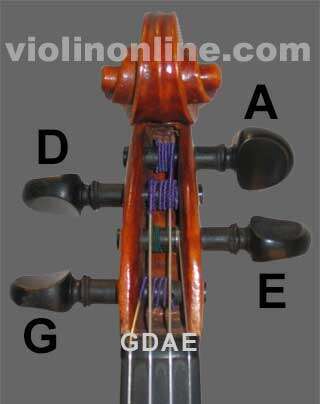
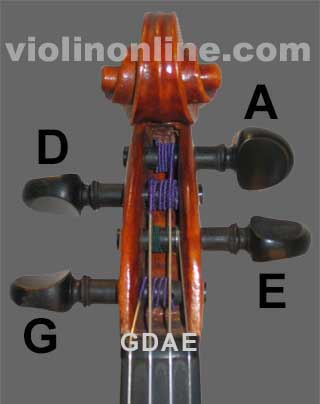
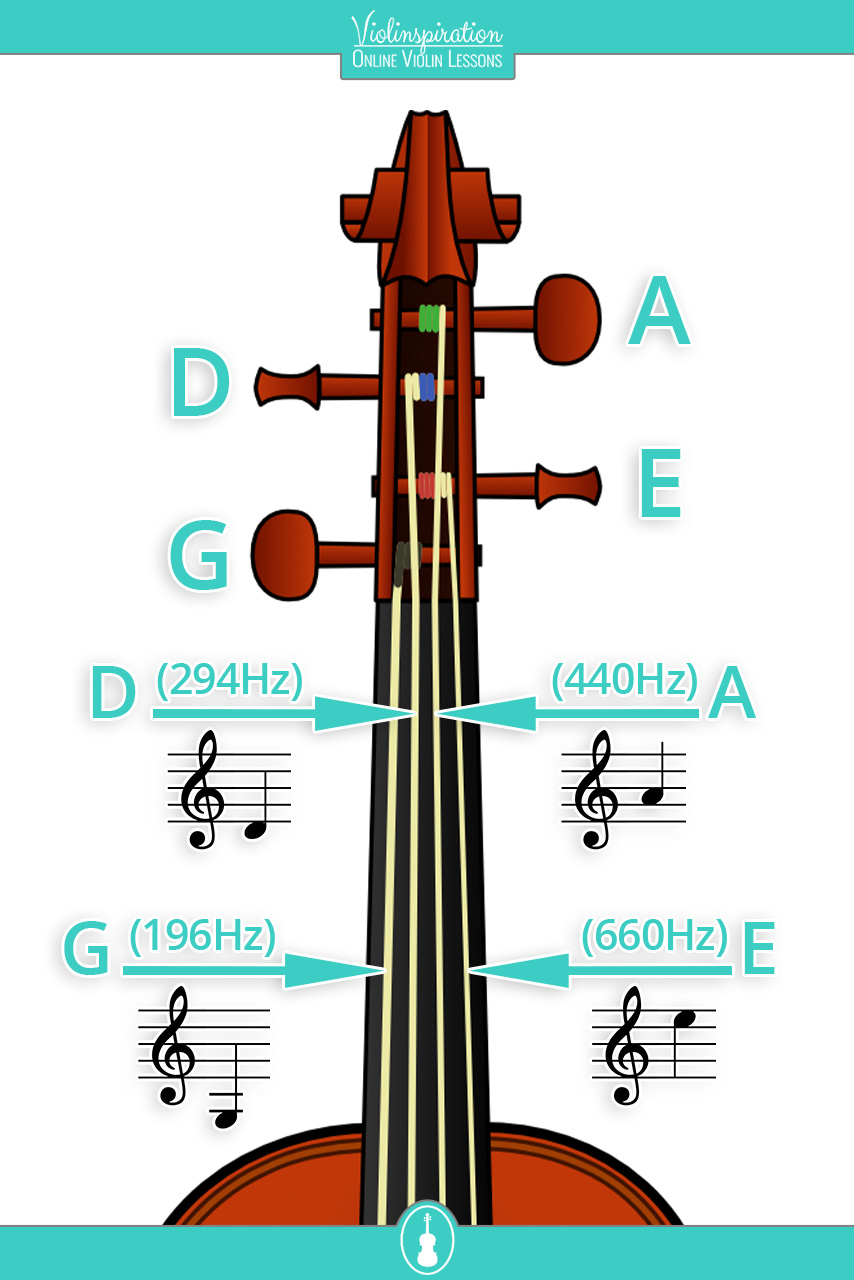
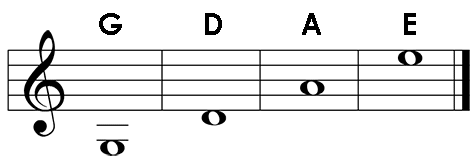
Violin strings are tuned to G, D, A, and E, from lowest to highest in pitch.
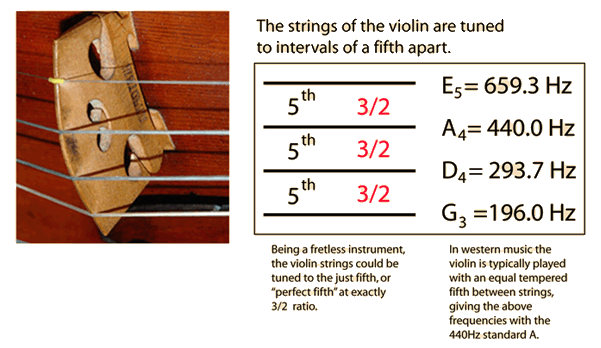
If you are asking what notes are violin strings tuned to, the standard answer is G3, D4, A4, and E5. These four notes form a series of perfect fifths, which gives the violin its bright range and rich, ringing sound. Understanding this tuning helps with string changes, ear training, tuning by ear, and reading beginner violin music.
What Notes Are Violin Strings Tuned To?
A standard violin has four strings. From the thickest string to the thinnest, they are tuned as follows:
| String | Note | Scientific pitch | Approximate frequency |
|---|---|---|---|
| G string | G | G3 | 196 Hz |
| D string | D | D4 | 293.66 Hz |
| A string | A | A4 | 440 Hz |
| E string | E | E5 | 659.25 Hz |
So, what notes are violin strings tuned to? They are tuned to G, D, A, and E, moving from low to high.
The lowest string is the G string. The highest is the E string. Each neighboring string is a perfect fifth apart. In simple terms, this means the next string vibrates at a musical interval that sounds open, balanced, and stable.
The A string is often tuned first because many orchestras and teachers use A4 at 440 Hz as the tuning reference. This pitch is also called concert A.

Violin String Tuning From Lowest to Highest
Learning the string order is one of the first useful steps for a new violinist. A simple memory phrase is:
G, D, A, E: Good Dogs Always Eat
You can also remember the strings by their physical position:
• G string: The thickest string and the lowest in pitch
• D string: The second-lowest string
• A string: The middle string and the usual tuning reference
• E string: The thinnest string and the highest in pitch
When holding the violin in playing position, the G string is usually closest to your left side. The E string is closest to your right side. This layout can feel backward at first, but it becomes natural after a few practice sessions.
Many beginner mistakes happen because players remember the order incorrectly. I have seen students tune the D string when they meant to adjust the A string, then turn the fine tuner too far. A slow, careful check of the string names can prevent broken strings and sudden pitch changes.

Why Are Violin Strings Tuned in Perfect Fifths?
The violin uses perfect fifths because this tuning creates a wide range while keeping the strings closely connected. A perfect fifth spans seven half steps. For example, the distance from G to D is a perfect fifth.
The string relationships are:
• G to D: Perfect fifth
• D to A: Perfect fifth
• A to E: Perfect fifth
This tuning also supports the violin’s design. The open strings can ring together and create sympathetic vibrations. When one string vibrates, another string may respond if it shares a related pitch.
Perfect fifth tuning makes several common tasks easier:
• Playing scales across adjacent strings
• Using open strings in folk, classical, and fiddle music
• Creating drones and double stops
• Moving smoothly between low and high notes
• Keeping the instrument’s range compact and useful
The open strings are not random notes. They act like four strong anchor points. Violinists use these anchors to check intonation while playing fingered notes.
For example, a player can compare a fingered D on the A string with the open D string. If both notes sound together without a rough pulsing sound, the fingered note is likely close to the correct pitch.
What Is Concert Pitch for a Violin?
Concert pitch usually sets A4 at 440 Hz. This means the A string vibrates 440 times per second when it is correctly tuned to standard pitch.
However, not every group uses exactly A=440 Hz. Some orchestras tune to A=441, A=442, or higher. Professional orchestras may choose a higher pitch for a brighter sound, though the exact choice depends on the conductor, venue, and musical tradition.
Common reference pitches include:
• A=440 Hz: The common modern standard
• A=441 or A=442 Hz: Often used by orchestras for a slightly brighter sound
• A=415 Hz: Sometimes used for historically informed Baroque performance
A violinist should follow the pitch chosen by the ensemble. If you are practicing alone, A=440 Hz is a reliable and widely accepted setting.
This detail matters because a violin tuned to A=442 Hz will sound slightly higher than one tuned to A=440 Hz. The difference is small, but it becomes clear when several instruments play together.
How to Tune Violin Strings Correctly
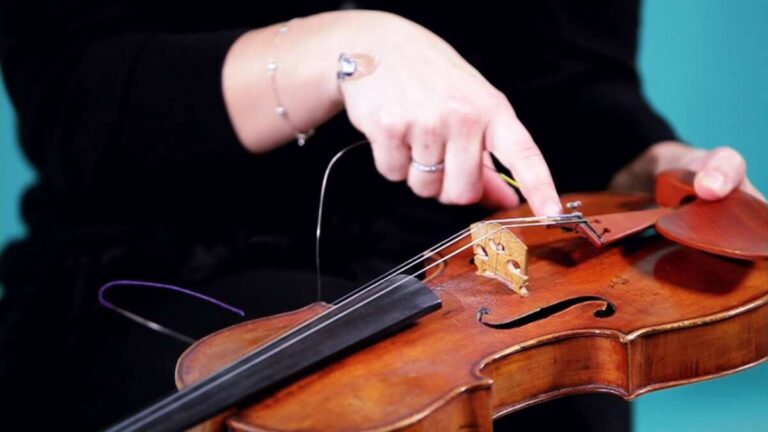
A violin can be tuned with fine tuners, tuning pegs, an electronic tuner, or another instrument. Most beginners should use a digital tuner at first. It gives clear feedback and helps develop a reliable ear.
Follow these steps:
- Place the violin in a safe playing position.
- Start with the A string.
- Play the open string with a gentle bow stroke.
- Check the tuner.
- Turn the fine tuner in small movements.
- Tune the other strings by name.
- Recheck every string after making adjustments.
If the string is very far from the correct pitch, use the peg carefully. Turn it only a little at a time. A small peg movement can cause a large pitch change.
Use the fine tuners for small corrections. Turning them too far can make the tuner stiff or cause the string to lose tension. If a fine tuner is almost fully tightened or loosened, reset it before tuning with the peg.
I learned this lesson early: large, quick peg movements are the fastest way to break a string. It is safer to lower the pitch slightly below the target and then raise it slowly. Raising the pitch helps the peg stay in place.
How to Tune a Violin by Ear
Experienced players often tune by listening to the interval between strings. Since violin strings are tuned in perfect fifths, the goal is to hear a smooth, unified sound.
A common order is:
- Tune the A string to a tuner or piano.
- Tune the D string against the A string.
- Tune the G string against the D string.
- Tune the E string against the A string.
Play two open strings together. When they are close to a perfect fifth, the sound becomes calm and clear. When they are out of tune, you may hear waves or pulses in the sound. These pulses become slower as the strings move closer to the correct interval.
This method takes practice. It also has limits. A beginner may mistake a pleasing sound for perfect tuning, especially in a noisy room. For this reason, an electronic tuner remains useful even for advanced players.
A practical routine is to use a tuner first, then check the strings by ear. Over time, your ears will begin to recognize the sound of correctly tuned fifths.

What Happens If Violin Strings Are Tuned Incorrectly?
Incorrect tuning affects more than the open strings. It changes the pitch of every note played on the instrument.
If the A string is too low, for example, every fingered note on that string will also be too low unless you adjust your fingers. Poor tuning can cause:
• Notes that sound flat or sharp
• Difficulty playing with other instruments
• Unstable double stops
• Confusion when learning songs
• Extra tension on the bridge or strings
• A dull or unpleasant tone
Extreme changes can also create equipment problems. Raising a string too high may cause it to snap. Lowering the tension too much can make the string feel loose and may reduce the violin’s response.
A violin’s bridge can also shift during tuning. The bridge should remain upright, with its feet flat on the violin’s top. If it leans forward or backward, ask a teacher or experienced repair professional for help.
Never force a peg that will not turn. Dry weather, friction, or a poorly fitted peg may be the cause. Forcing it can damage the pegbox.

Standard Tuning Versus Alternate Violin Tunings
Standard violin tuning is G3, D4, A4, and E5. It is used in most classical music, school programs, orchestra settings, and general practice.
Some musical styles use alternate tunings. This practice is often called scordatura. It means one or more strings are tuned to different notes to change the instrument’s sound or make certain passages easier.
Examples include:
• Raising the E string for a brighter or more intense sound
• Lowering the G string for a deeper drone
• Tuning the strings to support folk or traditional music
• Using special tunings in film, experimental, or contemporary music
Alternate tuning should be done with care. Changing the pitch changes string tension and may affect the bridge, sound post, or instrument setup. Beginners should not experiment with extreme tunings without guidance.
When sheet music calls for a different tuning, it should clearly state the change. If no alternate tuning is listed, use standard tuning.

How Violin Tuning Relates to Finger Positions
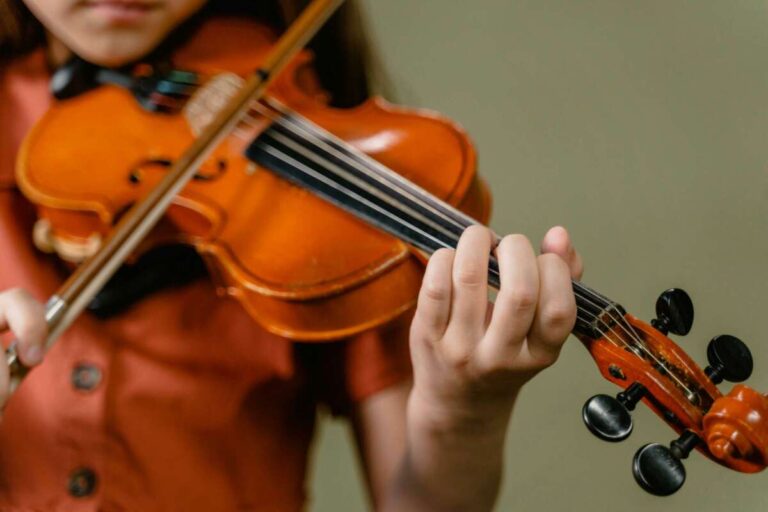
The violin has no frets, so the player must place each finger by ear and muscle memory. The open strings provide important pitch references.
For example:
• The first finger on the A string often plays B
• The second finger on the A string can play C or C-sharp
• The third finger on the A string often plays D
• The open D string can help check that third-finger D