What Is An Upright Piano: Types, Benefits, Buying Tips
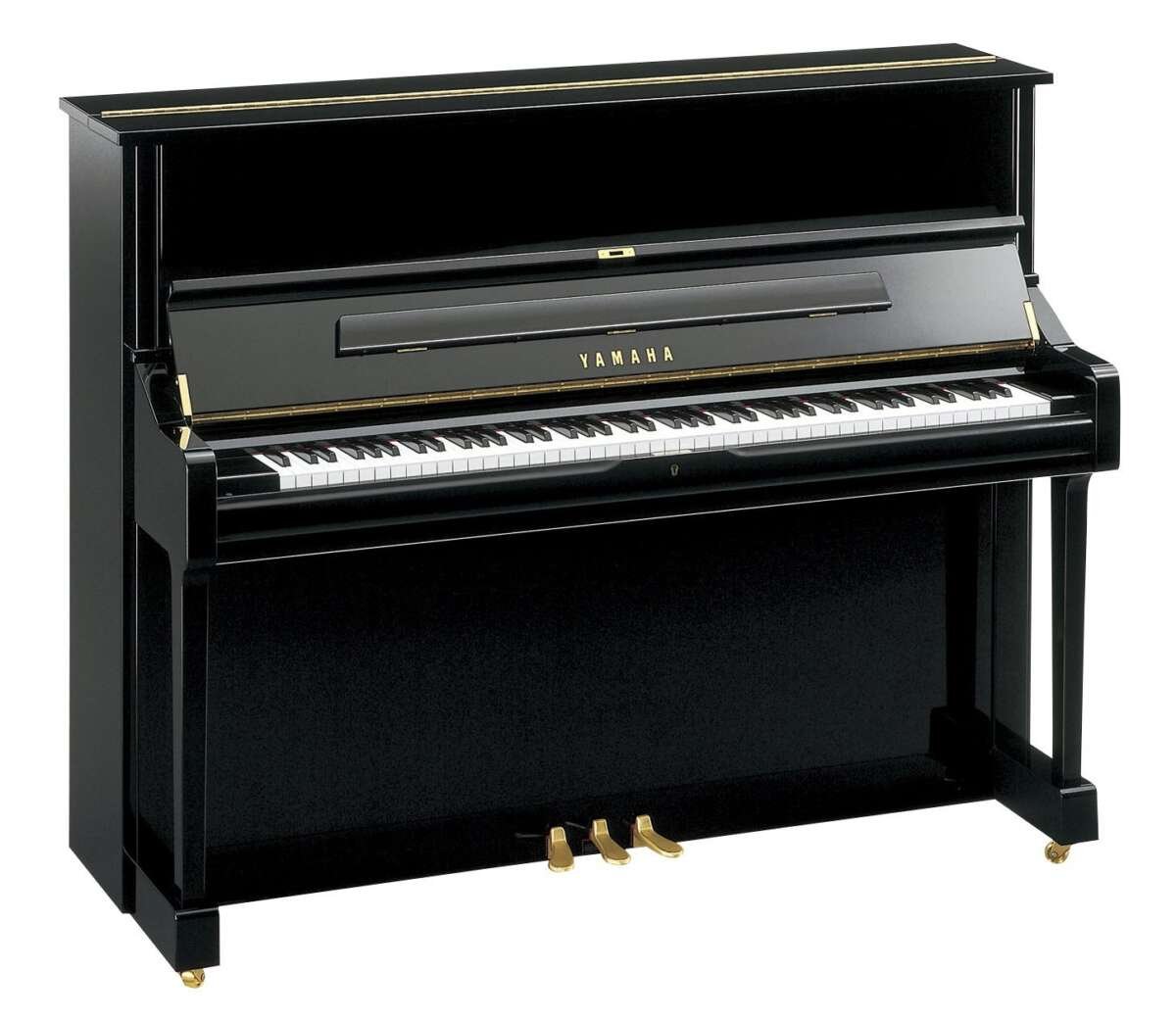
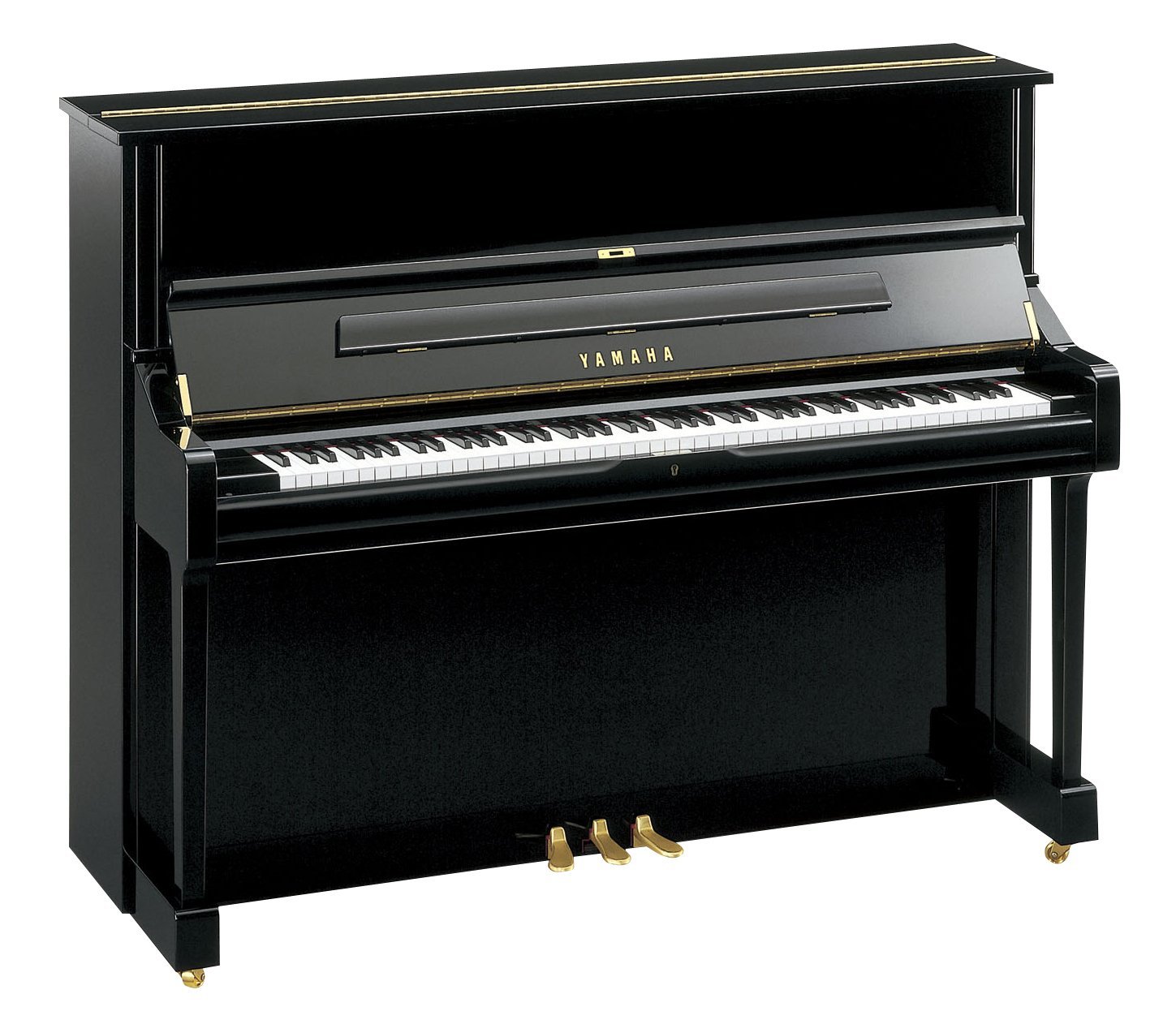
An upright piano is a vertical acoustic piano with strings and a soundboard placed inside a tall cabinet.
If you have seen a traditional piano in a home, school, church, or music studio, you have likely seen an upright piano. Its vertical design saves floor space while still creating rich, natural sound through felt hammers, steel strings, and a wooden soundboard. This guide explains what is an upright piano, how it works, how it compares with a grand piano, and what to consider before buying one.

What Is an Upright Piano?
An upright piano is an acoustic piano built with its strings, soundboard, and action arranged vertically. Unlike a grand piano, which spreads its strings and soundboard across a large horizontal frame, an upright piano uses height to fit the same basic parts into a smaller space.
When you press a key, a felt-covered hammer strikes one or more strings. The strings vibrate, and the soundboard turns those vibrations into the warm tone you hear. The cabinet supports the instrument and protects its internal parts.
Most upright pianos stand between 36 and 52 inches tall. Their width is often close to 58 inches, while their depth commonly ranges from about 20 to 28 inches. Exact measurements vary by brand and model.
An upright piano usually has:
• 88 keys, including 52 white keys and 36 black keys
• Steel strings that produce the notes
• Felt-covered hammers that strike the strings
• A wooden soundboard that amplifies vibration
• A cast-iron plate that supports string tension
• Two or three pedals
• A vertical action that controls the hammers
The term “upright piano” can describe several types of vertical pianos. These include spinets, consoles, studio uprights, and full-size uprights. Each type has a different size, action design, tone, and level of performance.
How Does an Upright Piano Work?
An upright piano works through a carefully linked mechanical system. The key is only the beginning of the process. Pressing it sets several small parts in motion within a fraction of a second.
Here is the basic process:
-
You press a piano key.
-
The key lifts a wooden lever called a wippen.
-
The wippen pushes the action upward.
-
A felt hammer moves toward the string.
-
The hammer strikes the string and quickly moves away.
-
The string vibrates and creates sound.
-
The soundboard amplifies the vibration.
-
When you release the key, a damper stops the string from vibrating.
This action is known as an escapement mechanism. It allows the hammer to leave the string after the strike. Without this release, the hammer would remain against the string and prevent the note from ringing.
An upright piano uses a vertical action, so the hammers move forward toward the strings. Gravity helps return the action parts to their resting positions. In a grand piano, the hammers move upward and return mainly through gravity. This difference affects repetition speed and touch response.
The pedals also change how the piano sounds:
• The sustain pedal lifts the dampers and allows notes to ring.
• The soft pedal reduces volume or changes the hammer position, depending on the design.
• The sostenuto pedal sustains selected notes on some upright models.
The sostenuto pedal is less common on smaller upright pianos. Many basic models have only two pedals.
Types of Upright Pianos
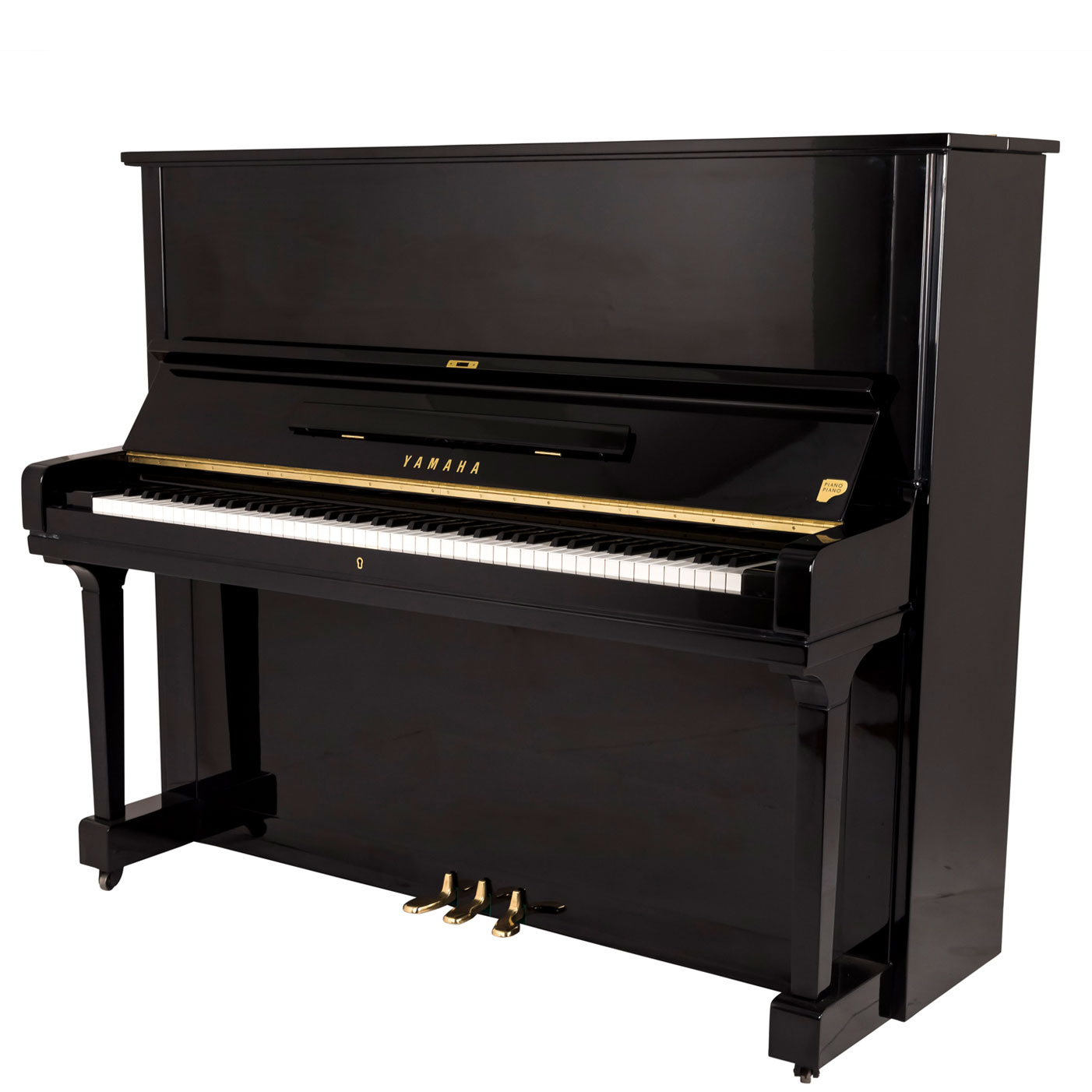
Not every upright piano offers the same playing experience. Height matters because a taller cabinet can usually hold longer strings and provide a larger soundboard.
Spinet Piano
A spinet piano is usually the smallest upright piano. It often stands about 36 to 40 inches tall.
Spinets are compact and may suit small apartments or casual playing. However, many use an indirect action that connects the keys to the hammers with extra parts. This can create a lighter or less responsive touch.
A used spinet may seem affordable, but repair costs can be high if its action parts, strings, or soundboard need work. Always have a qualified piano technician inspect an older spinet before buying it.
Console Piano
A console piano often stands around 40 to 44 inches tall. It usually has a more direct action than a spinet, which can give the player better control.
Console pianos are popular for homes because they balance size, sound, and price. They can produce a fuller tone than many spinets without taking up the space of a studio or full-size upright.
Studio Upright Piano
A studio upright is often about 45 to 48 inches tall. Music teachers, schools, churches, and serious students often choose this type.
Studio uprights tend to have longer strings, larger soundboards, and stronger cabinets. These features can improve bass depth, volume, and dynamic range. They are also built for regular use.
Full-Size Upright Piano
A full-size upright piano may stand 48 inches or taller. It is the largest common vertical piano design.
Because it has more room for longer strings and a larger soundboard, a full-size upright can produce a powerful and complex tone. A well-made full-size upright may perform impressively, even beside some smaller grand pianos.

Benefits of an Upright Piano
An upright piano offers several practical benefits for home musicians, students, teachers, and performers.
It Saves Space
The most obvious benefit is its vertical design. An upright piano uses wall space instead of extending several feet into a room.
This makes it useful for:
• Apartments
• Small living rooms
• Music classrooms
• Churches
• Practice studios
• Homes with limited floor space
You still need enough room to open the fallboard, sit comfortably, and move around the instrument. Keep the piano away from doors, heating vents, fireplaces, and direct sunlight.
It Costs Less Than Many Grand Pianos
A new upright piano usually costs less than a new grand piano. Used upright pianos can be even more affordable, although price should never be the only factor.
The final cost may include:
• Delivery
• Stair or distance fees
• Initial tuning
• Regulation
• Repairs
• Humidity control
• Bench replacement
A low purchase price can become expensive if the piano needs major restoration. A technician’s inspection is often worth the cost.
It Works Well for Beginners
An upright piano gives beginners access to the full 88-key range. It also teaches important skills such as finger control, pedaling, dynamics, and reading music.
For a student, the quality of the action matters more than the brand name alone. A reliable key response helps the player build good habits.
It Offers Natural Acoustic Tone
Unlike a digital piano, an upright piano creates sound through real strings and a soundboard. This produces natural resonance and subtle changes in tone.
The instrument responds to how hard and how quickly you play. A gentle touch can create a soft sound, while a stronger stroke can produce more volume and energy.
It Does Not Require Electricity
An acoustic upright piano works without power. That can be useful in homes where you want an instrument that is always ready to play.
However, it does require regular tuning and care. A digital piano needs electricity but usually requires less mechanical maintenance.

Upright Piano vs. Grand Piano
The main difference between an upright piano and a grand piano is the direction of the strings and soundboard.
In an upright piano, the strings run vertically. In a grand piano, the strings run horizontally. This design difference affects sound, touch, size, and price.
| Feature | Upright piano | Grand piano |
|---|---|---|
| String position | Vertical | Horizontal |
| Floor space | Compact | Large |
| Typical cost | Lower | Higher |
| Action response | Good to very good | Often faster and more precise |
| Soundboard size | Smaller | Larger |
| Bass resonance | Moderate to strong | Usually deeper |
| Home suitability | Excellent for many rooms | Requires more space |
A grand piano often provides faster repetition because gravity helps return the hammers. It may also offer greater tonal power and a wider range of expression.
Still, a high-quality upright piano can be an excellent professional instrument. The design does not automatically determine quality. Construction, materials, action regulation, voicing, and maintenance all matter.
For many home players, a good upright piano is the more sensible choice. It offers a serious acoustic experience without dominating the room.

Upright Piano vs. Digital Piano
People often compare upright pianos with digital pianos because both can support learning and performance.
An upright piano creates sound mechanically. A digital piano uses electronic sensors and recorded or modeled sounds. Each option has clear strengths.
Choose an upright piano if you value:
• Natural string resonance
• A traditional playing experience
• Acoustic tone
• No need for electricity
• A lasting piece of furniture
Choose a digital piano if you need:
• Headphone practice
• Volume control
• Built-in sounds
• Easy movement
• Low maintenance
An acoustic upright piano needs tuning because changes in temperature, humidity, and string tension affect pitch. A digital piano generally stays in tune but may feel different under the fingers.
The best choice depends on your space, budget, neighbors, musical goals, and willingness to maintain the instrument.

How to Choose an Upright Piano
Buying an upright piano is not only about finding the right color or brand. You are choosing a mechanical instrument that may stay in your home for decades.
Use this checklist before you buy:
- Set a realistic budget
Include delivery, tuning, inspection, and possible repairs. If you buy a used piano, reserve money for maintenance.
- Measure the room
Measure the wall, doorway, stairs, elevators, and turning areas. A piano that fits the room may still fail to fit through the entrance.
- Test every key
Play each key softly and loudly. Listen for buzzing, rattling, uneven volume, or notes that do not sound.
- Check the pedals
Press each pedal several times. They should move smoothly and should not squeak, stick, or feel loose.
- Inspect the cabinet
Small scratches are usually cosmetic. Cracks in the soundboard, damaged bridges, rust, or loose parts may signal expensive problems.
- Ask for service records
A history of regular tuning is a positive sign. However, records do not replace a professional inspection.
- Hire a piano technician
A trained technician can inspect the pinblock, soundboard, bridges, strings, action, and tuning stability. This is especially important for older instruments.
- Play before you decide
Your hands and ears are useful tools. Sit at the piano and notice whether the keys feel even and comfortable.
A common mistake is buying a free or very cheap piano without checking its condition. Moving a piano is costly, and restoration can cost more than a newer instrument.
Upright Piano Maintenance and Care
An upright piano performs best in a stable indoor environment. Large changes in temperature and humidity can affect the wood, strings, glue, and action parts.
Follow these care tips:
• Keep the piano away from direct sunlight.
• Avoid placing it beside a radiator or heating vent.
• Maintain steady indoor temperature and humidity.
• Dust the cabinet with a soft, dry cloth.
• Do not place drinks, plants, or decorations on top.
• Close the fallboard when the piano is not in use.
• Have the piano tuned at least once or twice a year in normal use.
• Schedule regulation when the keys feel uneven or sluggish.
• Ask a technician before using a humidity-control system.
The right tuning schedule depends on the piano, climate, use, and age. A concert instrument may need tuning much more often than a lightly used home piano.
Do not try to tune an acoustic piano with household tools. Piano strings carry significant tension, and incorrect adjustments can damage the instrument or cause injury.
One practical lesson applies to nearly every piano: prevention costs less than neglect. A stable room and regular service can protect the instrument’s sound and value.
Is an Upright Piano Good for Beginners?
Yes, an upright piano can be an excellent choice for beginners. It provides a full keyboard, acoustic touch, and clear feedback when the player changes pressure and speed.
A well-maintained console or studio upright is often a strong choice for a new student. Avoid choosing an instrument only because it is cheap, since uneven keys or poor tuning can make learning frustrating.
How Much Does an Upright Piano Weigh?
Most upright pianos weigh between about 300 and 800 pounds. Smaller spinets may weigh less, while tall studio and full-size upright pianos can weigh much more.
Professional piano movers should handle delivery. They use special equipment and techniques to protect both the piano and the building.
How Often Should an Upright Piano Be Tuned?
Many upright pianos should be tuned once or twice each year. A new piano, frequently used piano, or instrument exposed to climate changes may need more frequent tuning.
A technician can recommend a schedule based on the piano’s condition and your local environment.
Can an Upright Piano Sound as Good as a Grand Piano?
A high-quality upright piano can produce a rich, expressive, and powerful sound. However, grand pianos often provide more resonance, faster repetition, and greater tonal control because of their larger horizontal design.
The quality of the instrument, its condition, and its regulation matter as much as its style.
Is an Upright Piano Better Than a Digital Piano?
Neither is best for every player. An upright piano offers real strings and acoustic tone, while a digital piano offers headphones, volume control, portability, and lower maintenance.
Choose based on your room, budget, neighbors, practice habits, and musical needs.
What Is the Best Upright Piano Height?
There is no single best height for every player. Taller upright pianos often offer longer strings, larger soundboards, and stronger bass, while shorter models save space.
For many homes, a console or studio upright offers a useful balance between sound quality and size.
Conclusion
An upright piano is a vertical acoustic piano that delivers the sound and feel of real strings in a space-saving cabinet. Its key parts include hammers, strings, dampers, a soundboard, pedals, and a vertical action.
The best upright piano depends on your space, budget, playing goals, and the instrument’s condition. A careful inspection, professional delivery, and regular tuning can help your piano remain reliable for many years.
If you are shopping for one, try several models, compare their touch and tone, and arrange a technician’s inspection before buying. Explore more piano resources, visit a trusted dealer, or share your questions and experiences with other piano players.

Senior Music Reviewer
Alex Carter is a seasoned music reviewer with over a decade of experience in the world of sound and instruments. Passionate about helping musicians and enthusiasts make informed choices, he brings sharp insights and in-depth knowledge to every review. From classical instruments to modern gear, Alex combines technical expertise with a love for music to deliver content that resonates with readers.
As a Senior Music Reviewer and expert author on Tuneluma.com, Alex is dedicated to sharing honest evaluations, practical advice, and thoughtful commentary to guide readers in their musical journey.