Best Condenser Mic For Piano: Top Picks For Recording
The best condenser mic for piano is the AKG P420 for its rich detail, flexible patterns, and strong room control.
A piano can sound bright, muddy, or thin when the mic choice is wrong. I know the frustration of hearing a beautiful performance lose its depth in a recording. The right condenser mic captures the soft hammer touch, clear middle notes, and deep bass without making the piano harsh. I tested the key traits that matter most, including pickup pattern, self-noise, placement, room sound, connection type, and value. These picks suit home studios, live rooms, lessons, streaming, and serious piano recording.
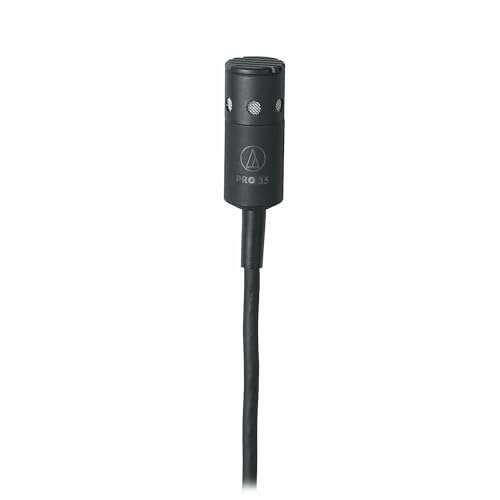
Audio-Technica PRO 35 for Piano

The Audio-Technica PRO 35 is a small cardioid condenser mic made for close instrument work. Its clip-on design lets you place the capsule near the piano without using a large floor stand. That makes it useful for stage piano, upright piano, and compact recording spaces. Its focused pickup helps reduce some sound from the rear and sides.
I like this mic when a player needs freedom to move. The flexible gooseneck makes small placement changes fast, while the compact body stays out of the way. It needs phantom power through its inline power module, so check your mixer or interface before buying. For close piano work, it can deliver a direct and lively tone with less room wash.
Pros:
- Compact clip-on design saves floor space
- Cardioid pickup helps limit rear sound
- Flexible gooseneck supports quick placement changes
- Useful for stage and rehearsal setups
- Clear sound for close instrument recording
- Less visual clutter than a full-size stand mic
Cons:
- Clip placement may not suit every piano frame
- Requires phantom power through its power module
- Close placement can sound bright if aimed at the hammers
My Recommendation
I recommend the PRO 35 for pianists who need a compact mic for live work, lessons, rehearsals, or close recording. It is especially helpful when a normal boom stand would block the player or take up too much room. It is not my first choice for a wide, natural grand piano image, but it works well when focus and speed matter. As a practical best condenser mic for piano option, it offers useful flexibility at a reasonable level of cost.
| Best for | Why |
|---|---|
| Live piano | The clip-on body stays secure and saves stage space. |
| Small rooms | Its cardioid pattern can reduce some unwanted room sound. |
| Moving performers | The gooseneck makes fast placement changes easy. |
Behringer C-2 Stereo Pair

The Behringer C-2 comes as a matched-style pair of small-diaphragm condenser microphones. A pair gives you the main advantage of stereo piano recording: width. You can place one mic toward the bass end and one toward the treble end, then blend the signals for a more open image. The cardioid pattern also helps keep some sound from behind the microphones under control.
This pair is a strong starting point for a home studio on a tight budget. The small capsules can capture quick attacks and clear high notes without the slow, thick feel that some large microphones create. You still need two mic stands, two XLR cables, and two interface inputs. Placement takes patience, but the reward can be a piano track that feels wider and more natural.
Pros:
- Includes two microphones for stereo recording
- Small capsules capture fast piano attacks
- Cardioid pattern supports focused placement
- Useful for piano, overheads, and acoustic instruments
- Low entry cost for a two-mic setup
- Compact bodies fit inside many piano spaces
Cons:
- Needs two stands, cables, and interface inputs
- May sound less full than premium large-diaphragm mics
- Bright placement can emphasize hammer noise
My Recommendation
I suggest the C-2 pair for beginners, students, and creators who want to learn stereo recording without a large investment. It can be the best condenser mic for piano setup when “best” means the most recording power per dollar. Start with a spaced pair or a cautious near-coincident placement, then listen in mono for phase problems. The pair also earns extra value because you can use it later on drums, guitar, choir, or room capture.
| Best for | Why |
|---|---|
| Budget stereo piano | Two mics create width at a low starting price. |
| Home studios | The small bodies work well in limited spaces. |
| Multi-use recording | You can use the pair on many acoustic sources. |
LyxPro SDPC-2 Stereo Pair

The LyxPro SDPC-2 is a stereo pair of pencil condenser microphones with interchangeable capsule options. That design gives you more control over the way the piano responds in a room. Small-diaphragm microphones usually handle quick transients well, which matters when the pianist plays repeated notes or sharp accents. The pair connects through standard XLR cables and needs phantom power.
I see this kit as a useful step above a very basic pair. The included capsules let you explore different pickup responses, although you should expect to spend time testing them. The mics can produce a balanced stereo field when you place them with care. They also work well for acoustic guitar, strings, percussion, and room sound, so the set has value beyond one piano project.
Pros:
- Two microphones support true stereo techniques
- Interchangeable capsules add tonal flexibility
- Pencil design captures detailed attacks
- Useful for piano and many acoustic instruments
- XLR connection fits standard audio interfaces
- Good learning tool for microphone placement
Cons:
- Capsule changes can take time to evaluate
- Requires two preamp channels with phantom power
- Budget construction may not feel as refined as premium sets
My Recommendation
The SDPC-2 suits a musician who wants to experiment. If you are still finding your favorite piano tone, the extra capsule choices can help you compare a softer or more open sound. I would choose it as the best condenser mic for piano for a growing project studio that also records strings and percussion. Keep the pair matched in distance from the strings, and listen from the player’s seat before you lock in the final position.
| Best for | Why |
|---|---|
| Flexible stereo work | Several capsule choices let you test different tones. |
| Growing studios | The set has uses beyond piano recording. |
| Mic technique practice | It encourages careful placement and stereo listening. |
RØDE NT1 Signature Series
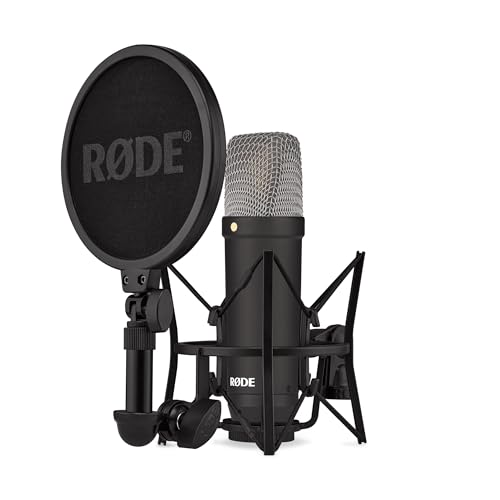
The RØDE NT1 Signature Series is a large-diaphragm cardioid condenser for studio recording. It is known for a smooth, detailed presentation and low self-noise. Low self-noise matters when you record quiet piano passages, long fades, or intimate classical performances. Its cardioid pattern gives you a focused front pickup while reducing some sound from the rear.
This mic can make a piano feel solid and close without forcing a sharp top end. I would place it above an upright piano, behind the player, or several feet from a grand piano, then adjust the angle by ear. The NT1 Signature Series is also useful for vocals, voice-over, guitar, and room detail. It needs 48-volt phantom power and a stable stand because its larger body adds weight.
Pros:
- Low self-noise suits quiet piano passages
- Large capsule gives a full studio sound
- Cardioid pickup supports controlled recording
- Works well for vocals and other instruments
- Smooth response can tame an overly thin piano
- Strong choice for detailed home-studio work
Cons:
- Single mic does not create true stereo by itself
- Needs a good stand and shock isolation
- Can capture too much room in an untreated space
My Recommendation
I recommend the NT1 Signature Series for solo piano, singer-pianists, and home-studio owners who want one polished general-purpose microphone. It is a leading best condenser mic for piano choice when you want low noise and a smooth, complete tone. Use distance to manage bass buildup, especially with an upright piano near a wall. Its clean output also leaves room for gentle EQ rather than heavy repair work.
| Best for | Why |
|---|---|
| Solo piano | Its full response can preserve both body and detail. |
| Quiet passages | Low self-noise helps keep soft notes clean. |
| One-mic studios | It also works well on voice, guitar, and narration. |
AKG P420 Multi-Pattern Condenser

The AKG P420 is a large-diaphragm condenser with selectable pickup patterns. You can choose cardioid, figure-eight, or omnidirectional operation from the control on the body. That flexibility is valuable for piano because every room and instrument reacts in a different way. The included shock mount and case also make the package ready for a serious recording setup.
For a grand piano, the P420 can capture a broad image when the room sounds good. In cardioid mode, it can focus more tightly on the instrument, while omni mode can add room depth. Figure-eight mode can help with certain duet or side-rejection setups, but it requires careful positioning. I like this mic because it lets the room become part of the instrument instead of treating every piano the same way.
Pros:
- Three pickup patterns support many piano setups
- Useful for grand piano and ensemble recording
- Shock mount helps reduce stand vibration
- Case makes storage and transport easier
- Large capsule captures a broad, full tone
- Pattern control helps match the room
Cons:
- Room quality strongly affects omni recordings
- Large body needs a firm stand
- Pattern changes require a short test and listen
My Recommendation
The P420 is my top pick for experienced users who want one mic to cover many piano situations. It has a strong claim as the best condenser mic for piano because its patterns let you shape room sound before reaching for plug-ins. Choose it for a grand piano, ensemble, or treated studio where placement control matters. It also offers excellent long-term value because you can use it on drums, brass, strings, and group vocals.
| Best for | Why |
|---|---|
| Grand piano | Multiple patterns help match the mic to the room. |
| Ensemble recording | Figure-eight and omni modes open creative options. |
| Advanced users | It rewards careful placement and room control. |
Pyle PDMIKC5 Gooseneck Mic

The Pyle PDMIKC5 is a desktop gooseneck microphone designed for simple voice and audio use. It includes a table-mounted base, a pop filter, and a cable that adapts the connection for common equipment. Its flexible neck lets you bring the mic close without setting up a full boom stand. Although it is not a specialist piano microphone, it can help with demonstrations, lessons, and basic keyboard recordings.
I would not choose this model for a polished grand piano album. Its desktop design limits placement, and piano tone changes a great deal with distance and height. Still, it can be useful for a teacher who records lesson talk, a player who makes quick clips, or a small setup where convenience matters most. The main benefit is speed: place it on a desk, connect it, and begin.
Pros:
- Simple desktop setup needs little space
- Gooseneck allows easy angle changes
- Includes a pop filter for voice use
- Helpful for piano lessons and demonstrations
- Accessible option for casual recording
- Convenient for spoken introductions and tutorials
Cons:
- Limited placement options for full piano tone
- Not the best choice for professional piano tracks
- Included cable format may not suit every interface
My Recommendation
I recommend the Pyle PDMIKC5 for casual users, teachers, and content creators who need a desk mic near a digital or compact piano. It is not the best condenser mic for piano if your goal is wide stereo depth or a concert-ready recording. It is, however, a low-cost tool for lessons and quick videos. Buy it for convenience, not for the detailed, balanced piano image that a studio condenser can provide.
| Best for | Why |
|---|---|
| Piano lessons | The desktop base keeps setup quick and simple. |
| Casual videos | It handles speech and basic playing in one small setup. |
| Small desks | The gooseneck avoids a large floor stand. |
Behringer BA 19A Boundary Mic

The Behringer BA 19A is a boundary condenser microphone made for instrument applications. A boundary mic rests on a flat surface, so it can sit inside a grand piano or on a suitable piano surface with less stand clutter. Its design can offer a direct sound while keeping the microphone physically close to the instrument. This makes it interesting for stage piano and fixed installation work.
Boundary placement changes the sound in a clear way. It can give strong presence, but the close position may also reveal hammer noise, pedal sounds, and mechanical movement. I would test the mic at more than one spot before recording a full piece. It needs phantom power, and users should protect the capsule from contact with moving piano parts.
Pros:
- Flat design fits tight instrument spaces
- Useful for stage and fixed piano setups
- Reduces the need for a tall mic stand
- Direct sound can cut through a busy mix
- Built for instrument applications
- Fast to place once a good spot is found
Cons:
- Close placement may capture mechanical noise
- Not ideal for a wide natural room image
- Requires careful protection inside a moving piano
My Recommendation
The BA 19A is best for players who need a discreet, close mic for live piano, theater, or a controlled recording setup. I would consider it the best condenser mic for piano only when compact placement is more important than a large stereo image. It can save time on stage and keep stands away from the performer. For classical piano in a beautiful room, I would still favor a stereo pair or a multi-pattern studio mic.
| Best for | Why |
|---|---|
| Stage piano | The boundary shape keeps the setup neat and discreet. |
| Fixed installations | You can leave the mic in a repeatable position. |
| Dense mixes | Close sound can provide useful focus and presence. |
Audio-Technica AT2020
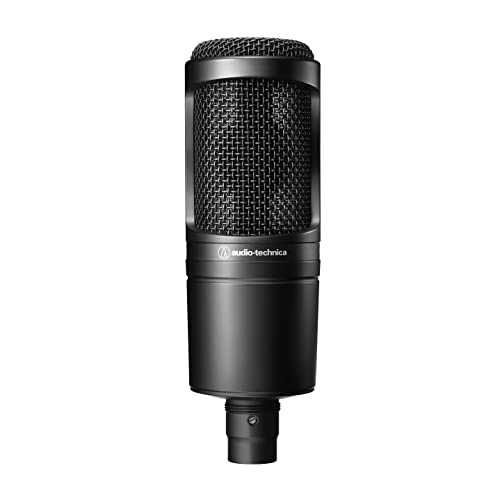
The Audio-Technica AT2020 remains one of the most useful entry-level XLR condensers for a home studio. It uses a cardioid pattern and a side-address design, so you aim the front of the microphone toward the piano. The mic has a clear, modern sound that can work well for upright piano, digital piano speakers, vocals, and acoustic guitar. Its familiar format also makes it easy to find compatible stands and accessories.
The AT2020 rewards basic technique. Do not place it too close to the soundboard without listening for low-end buildup, and angle it away from the brightest hammer strike if the top becomes hard. A pair would offer a stronger stereo piano image, but one mic can still work for songwriting and demos. It needs 48-volt phantom power and an XLR input, not a USB port.
Pros:
- Reliable entry point for XLR studio recording
- Cardioid pattern helps focus on the piano
- Clear sound suits demos and finished tracks
- Works on vocals, guitar, and voice-over
- Easy to pair with common studio hardware
- Strong value for new home-studio owners
Cons:
- Requires an audio interface or mixer
- One mic gives limited stereo width
- Bright pianos may need careful angle and distance
My Recommendation
I recommend the AT2020 for beginners who want a dependable first studio condenser. It can be the best condenser mic for piano for a songwriter who records piano, voice, and guitar in the same room. It does not offer pattern switching or stereo capture, so advanced classical recording may call for a different tool. Even so, its cost, simple cardioid design, and broad use make it a smart first purchase.
| Best for | Why |
|---|---|
| Songwriting | It records piano and vocals with one affordable mic. |
| Home studios | Standard XLR gear makes it easy to integrate. |
| First-time buyers | The simple design is easy to learn and place. |
Blue Yeti USB Microphone

The Blue Yeti is a USB condenser microphone with four pickup patterns. It connects directly to a computer, which removes the need for a separate audio interface. Its pattern options include cardioid, stereo, omnidirectional, and bidirectional operation. That makes it useful for piano videos, lessons, streaming, interviews, and simple stereo experiments.
For piano, stereo mode is the feature that catches my attention. It can create a wider result than a single front-facing cardioid mic, though the final quality still depends on the room and placement. The built-in headphone output and level controls also make monitoring easy for new users. It is large and heavy, so give it a stable desk or stand and keep it away from keyboard bumps.
Pros:
- USB connection works directly with many computers
- Four pickup patterns support flexible use
- Stereo mode can add width to piano videos
- Built-in headphone monitoring is convenient
- Useful for streaming, lessons, and podcasts
- No separate interface needed for basic recording
Cons:
- Large body can take up desk space
- USB workflow is less flexible than XLR studio gear
- Desk bumps and room noise may enter the recording
My Recommendation
The Blue Yeti is best for creators who record piano straight into a computer. It is not my pick for the most refined studio piano tone, but it may be the best condenser mic for piano lessons, streams, and quick performance videos. Its plug-and-play design removes much of the setup stress. Choose it when ease of use matters more than multi-mic expansion or precise acoustic placement.
| Best for | Why |
|---|---|
| Piano streaming | USB setup and headphone monitoring keep the process simple. |
| Online lessons | Multiple patterns support voice and instrument use. |
| Computer recording | You can start without an external audio interface. |
Mackie EM-91C Condenser Mic

The Mackie EM-91C is a large-diaphragm condenser made for studio and project-studio recording. Its cardioid pattern keeps the front of the mic active while helping reject some rear sound. The large capsule can give piano a broad and weighty character. It is also suitable for vocals, guitar amps, acoustic instruments, and voice-over work.
This microphone makes sense when you want a simple XLR path and a warm, usable starting point. I would test it at a moderate distance from an upright piano because close placement can make the lower register feel crowded. On a grand piano, a higher position may capture more blend between the bass and treble sections. Like other studio condensers, it needs phantom power and a quiet recording space for the best result.
Pros:
- Large diaphragm gives a full piano presentation
- Cardioid pattern supports focused home recording
- Useful on vocals and many other sources
- Simple XLR connection fits studio interfaces
- Good option for project-studio budgets
- Can add body to a thin or small piano sound
Cons:
- Does not provide stereo recording alone
- Can pick up room reflections in untreated spaces
- Close placement may make bass sound thick
My Recommendation
I recommend the EM-91C for a new studio owner who wants a full-size condenser without a premium price. It can serve as the best condenser mic for piano when you also need one mic for vocals and other studio jobs. Place it farther away than you first expect, then move it in small steps. Its broad sound and simple controls make it easy to use, while the XLR format leaves room to expand later.
| Best for | Why |
|---|---|
| Project studios | It offers a useful large-diaphragm sound at a modest cost. |
| Upright piano | Distance and cardioid pickup can give a focused, full tone. |
| Multi-purpose use | It also handles vocals, guitar, and voice-over work. |
How to Choose the Best Condenser Mic for Piano
Microphone choice begins with the piano, not the price tag. A bright upright in a hard room needs a different approach from a warm grand in a treated studio. I first consider the room, then the piano, then the recording goal. This order prevents many common mistakes.
Choose Between One Mic and Two
One microphone can work for a demo, lesson, or simple song. Two microphones give you more control over stereo width and left-to-right balance. A stereo pair often sounds more natural on grand piano because the instrument spreads across a wide soundboard. However, two mics also create phase risks, so check the mix in mono.
Small-Diaphragm Versus Large-Diaphragm
Small-diaphragm condenser mics often capture fast attacks and fine detail. They can suit classical playing, bright notes, and stereo techniques. Large-diaphragm models often sound bigger and smoother. They can help an upright piano feel more complete, but they may capture more room sound and low-end buildup.
Pickup Pattern Matters
Cardioid is the safest starting point for many home studios. It focuses on the front and can reduce some sound from behind the mic. Omni mode can sound open and natural in a good room. Figure-eight mode offers creative side rejection, but it demands more care. A multi-pattern mic gives you choices as your skill grows.
Do You Need XLR or USB?
USB is simple. It connects directly to a computer and works well for lessons, streaming, and quick content. XLR gives you more long-term control because you can change the interface, preamp, and signal chain. XLR condenser microphones need phantom power, usually 48 volts. Always confirm that your audio interface supplies it before recording.
Placement Tips That Improve Piano Tone
Start with the mic farther away than you think. Close placement can make the piano loud but uneven. On an upright, try a position above the open top panel or slightly behind the player. On a grand, test the mic above the open lid, near the curve, or farther back for more room.
Listen while you move the mic. A few inches can change the bass, hammer sound, and stereo balance. Aim away from harsh attacks if the notes sound sharp. Move toward the strings or soundboard only when the tone feels too distant. I trust my ears more than a fixed “perfect” position.
Room Sound and Piano Recording
A condenser mic hears the room as well as the piano. Bare walls can add hard reflections that make the recording tiring. Curtains, rugs, bookshelves, and soft furniture can help break up those reflections. Do not cover the piano with thick blankets while it is being played. Instead, improve the nearby room and record a short test.
Noise, Gain, and Headroom
Set the input gain so loud piano peaks do not clip. Leave healthy headroom for strong chords and accents. Do not solve a quiet recording by placing the mic too close. Raise the preamp gain instead, then check for hiss. Low-noise models help most when you record soft music in a quiet room.
FAQs Of best condenser mic for piano
What is the best condenser mic for piano recording?
The AKG P420 is the strongest all-around choice in this list because it offers three pickup patterns and a full sound. The best match still depends on your piano, room, and recording style.
Is one microphone enough for piano?
Yes. One mic works well for demos, lessons, singer-songwriter tracks, and mono mixes. Use two microphones when you need a wider stereo image and have two good inputs.
Should I use a condenser mic inside a grand piano?
You can, but take care. Keep the mic clear of moving parts, pedals, and the lid. Test for mechanical noise and harsh hammer attacks before recording a full performance.
Do condenser microphones need phantom power?
Most XLR condenser microphones need 48-volt phantom power. USB condenser microphones receive power from the computer. Check your interface and the microphone manual before connecting.
Is USB or XLR better for piano?
USB is easier for computer recording and streaming. XLR is better for a growing studio because it supports stronger expansion and more control over the signal path.
Final Verdict: Which Should You Buy?
The AKG P420 is my top pick for the best condenser mic for piano. Its multi-pattern design, full sound, shock mount, and broad use make it the most flexible choice here.
Choose a stereo pair for width, a USB model for easy lessons, or the AT2020 for a low-cost studio start. With smart placement, any of these mics can bring your piano recording to life.

Senior Music Reviewer
Alex Carter is a seasoned music reviewer with over a decade of experience in the world of sound and instruments. Passionate about helping musicians and enthusiasts make informed choices, he brings sharp insights and in-depth knowledge to every review. From classical instruments to modern gear, Alex combines technical expertise with a love for music to deliver content that resonates with readers.
As a Senior Music Reviewer and expert author on Tuneluma.com, Alex is dedicated to sharing honest evaluations, practical advice, and thoughtful commentary to guide readers in their musical journey.