What Is A Flat Minor Chord Piano: Easy Piano Guide
A flat minor chord on piano usually means E♭ minor, built from E♭, G♭, and B♭.
If you are searching for “what is a flat minor chord piano,” you likely want to learn the E♭ minor chord, its notes, fingerings, inversions, and best musical uses. This guide explains the chord in simple terms, while also showing how to practice it with confidence.
What Is a Flat Minor Chord on Piano?
The phrase “flat minor chord piano” can mean a minor chord whose root note is a flat. In many beginner searches, it refers specifically to the E♭ minor chord, also written as E-flat minor or Ebm.
An E♭ minor chord has three notes:
• E♭, the root
• G♭, the minor third
• B♭, the perfect fifth
Played together, these notes create a dark, soft, and emotional sound. You can think of the chord as a musical shade, much like using a deeper color in a painting.
The notes of E♭ minor are spaced by intervals. From E♭ to G♭ is a minor third, which has three half steps. From G♭ to B♭ is a major third, which has four half steps.
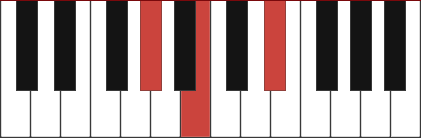
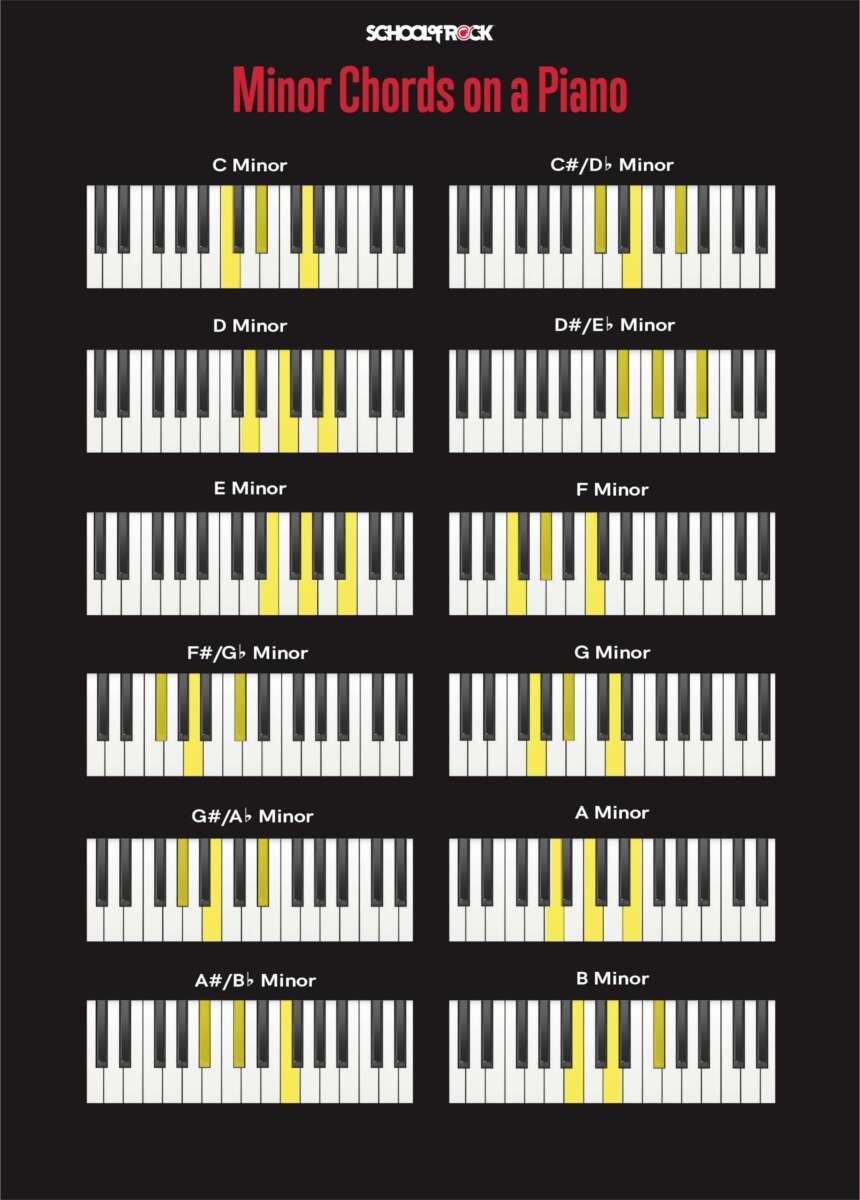
E-Flat Minor Chord Piano Notes
The simplest way to play the E-flat minor chord piano shape is to find E♭, then add G♭ and B♭ above it.
On a piano keyboard:
• E♭ is the black key between D and E
• G♭ is the black key between F and G
• B♭ is the black key between A and B
Press these three keys at the same time. That gives you E♭ minor in root position.
The chord symbol is usually written as E♭m or Ebm. You may also see E♭min, although E♭m is more common in chord charts.
A useful formula for any minor triad is:
• Root
• Minor third
• Perfect fifth
For E♭ minor, the formula is E♭, G♭, and B♭. This formula helps you build the chord even when you do not remember every note.
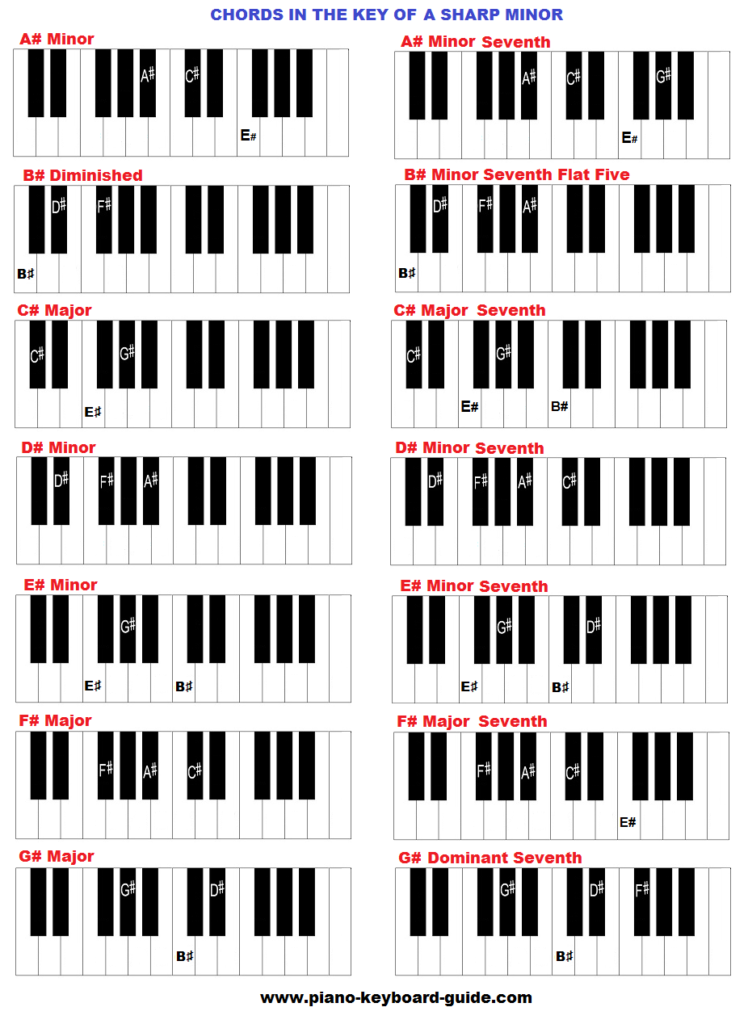
How to Find E-Flat Minor on the Keyboard
Start by locating the group of two black keys on your piano. The left key in that group is C♯ or D♭. The right key is D♯ or E♭.
Next, find G♭. It is the left black key in the group of three black keys. Finally, locate B♭, which is the middle black key in the group of two black keys.
You can play the chord in any octave. The notes remain E♭, G♭, and B♭, even when they are higher or lower on the keyboard.
Try this simple method:
- Find any E♭ on the keyboard.
- Move up three half steps to G♭.
- Move up four half steps to B♭.
- Play all three notes together.
- Listen for the minor, serious sound.
In my own teaching examples, students often confuse G♭ with F♯. On a modern piano, they use the same key, but the correct written name in E♭ minor is G♭. Note spelling matters because it shows the chord’s structure clearly.
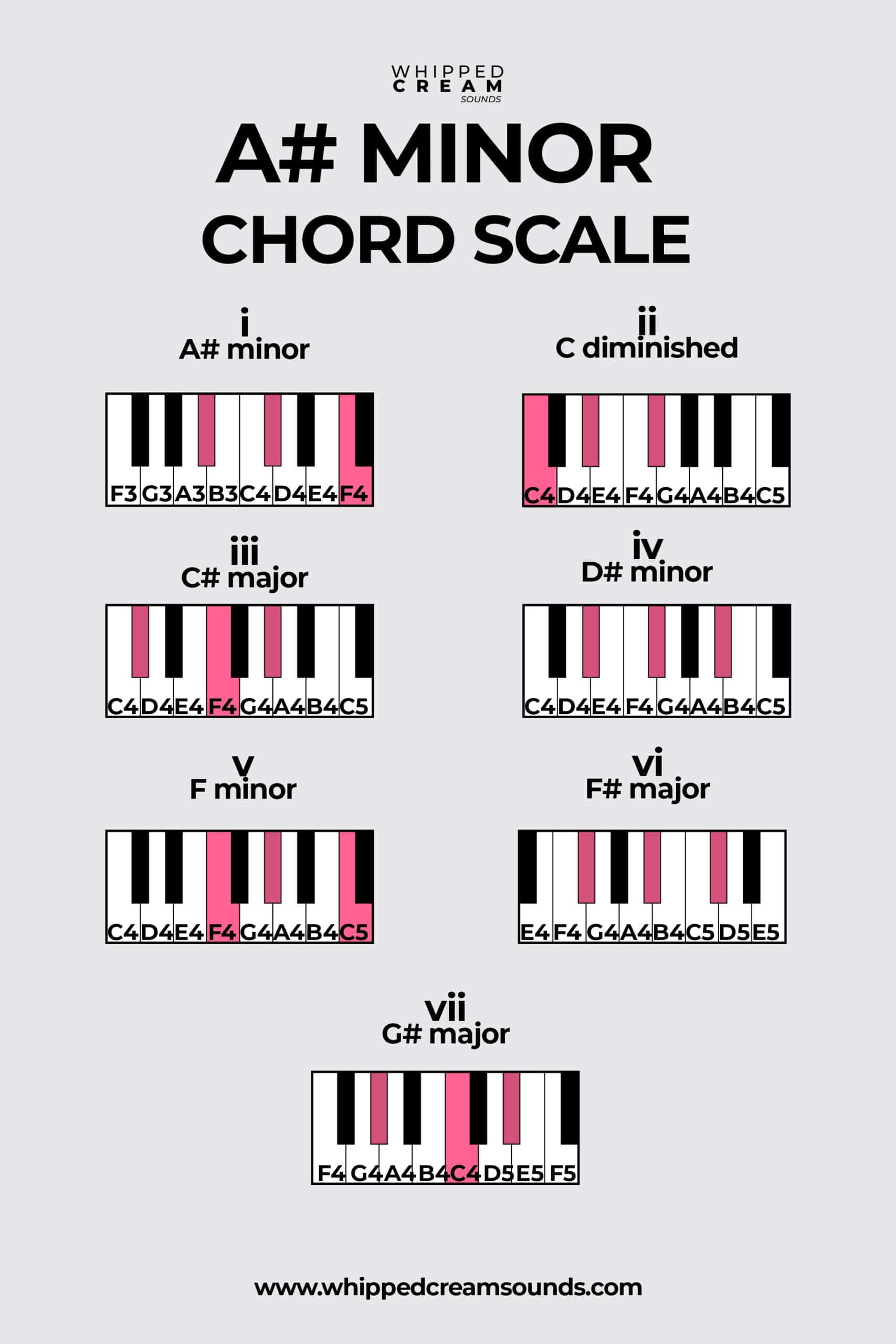
E-Flat Minor Chord Piano Fingering
For the right hand, a common fingering for the E-flat minor chord piano shape is:
• Thumb on E♭
• Middle finger on G♭
• Little finger on B♭
Use fingers 1, 3, and 5. Keep your hand relaxed and let your fingers curve naturally over the keys.
For the left hand, use:
• Little finger on E♭
• Middle finger on G♭
• Thumb on B♭
Use fingers 5, 3, and 1. Avoid pressing too hard. A relaxed hand gives you a cleaner sound and makes it easier to move to the next chord.
These fingerings work well for basic triads. However, fingering may change when you play a fast passage, a chord progression, or a wider voicing.
A common mistake is to flatten the wrist or stretch the hand too far. Play slowly, lift your fingers gently, and check that each note sounds clear.

E-Flat Minor Chord Inversions
An inversion changes the order of the chord notes while keeping the same three notes. Inversions help you move between chords with less hand movement.
The root position of E♭ minor is:
• E♭
• G♭
• B♭
The first inversion is:
• G♭
• B♭
• E♭
The second inversion is:
• B♭
• E♭
• G♭
Each version is still an E♭ minor chord. The chord’s identity comes from the notes, not only from their order.
Inversions are very useful in songs. For example, if your next chord is close to G♭ and B♭, an inversion may let your fingers move only a short distance. This creates smoother voice leading.
When I help beginners practice this chord, I often suggest playing all three forms in a loop. Start with root position, move to first inversion, then move to second inversion. This builds both memory and finger control.
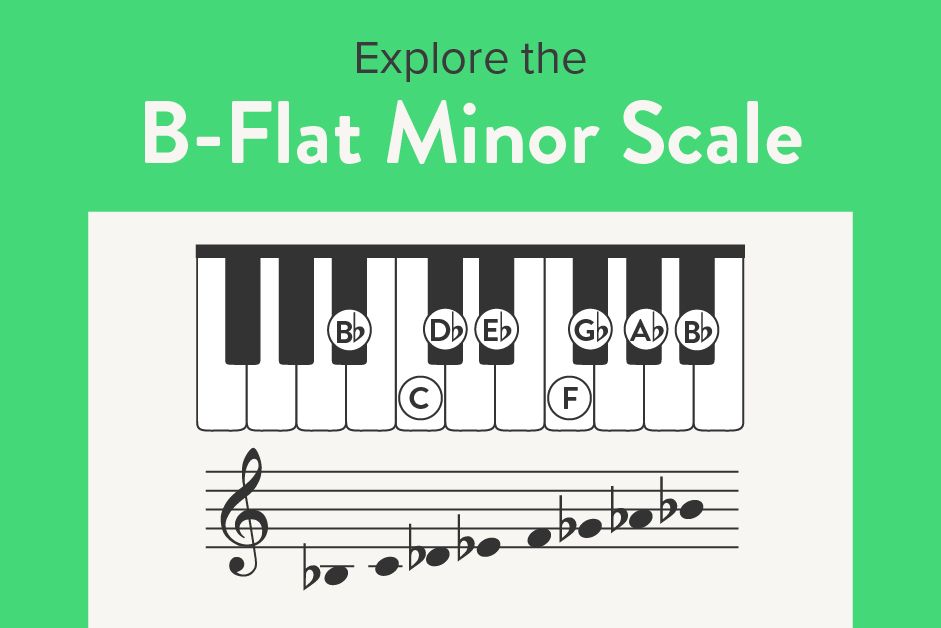
How E-Flat Minor Sounds
E-flat minor often sounds sad, thoughtful, dramatic, or mysterious. Its mood depends on the tempo, rhythm, melody, and surrounding chords.
A slow E♭ minor chord can feel calm and reflective. A loud, repeated version can sound tense or powerful. The same chord may express grief in one song and strength in another.
The sound comes mainly from the minor third between E♭ and G♭. This interval gives the chord its minor quality. If you replace G♭ with G natural, the chord becomes E♭ major.
Compare the two chords:
• E♭ minor: E♭, G♭, B♭
• E♭ major: E♭, G, B♭
That single note changes the emotional color. This is a helpful way to train your ear and understand chord quality.
E-Flat Minor Compared With D-Sharp Minor
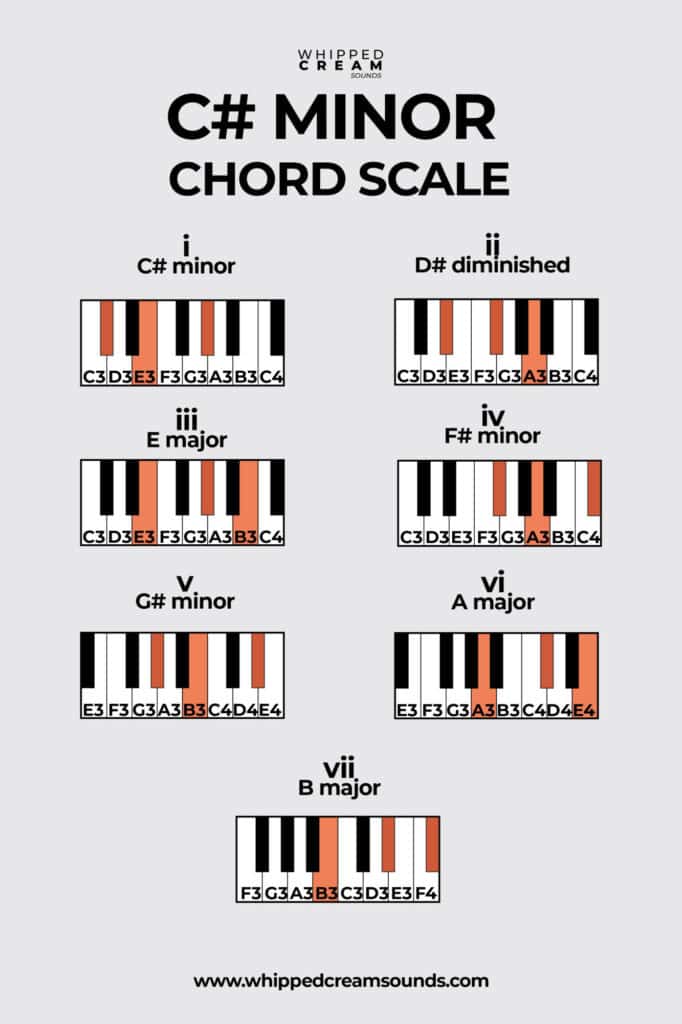
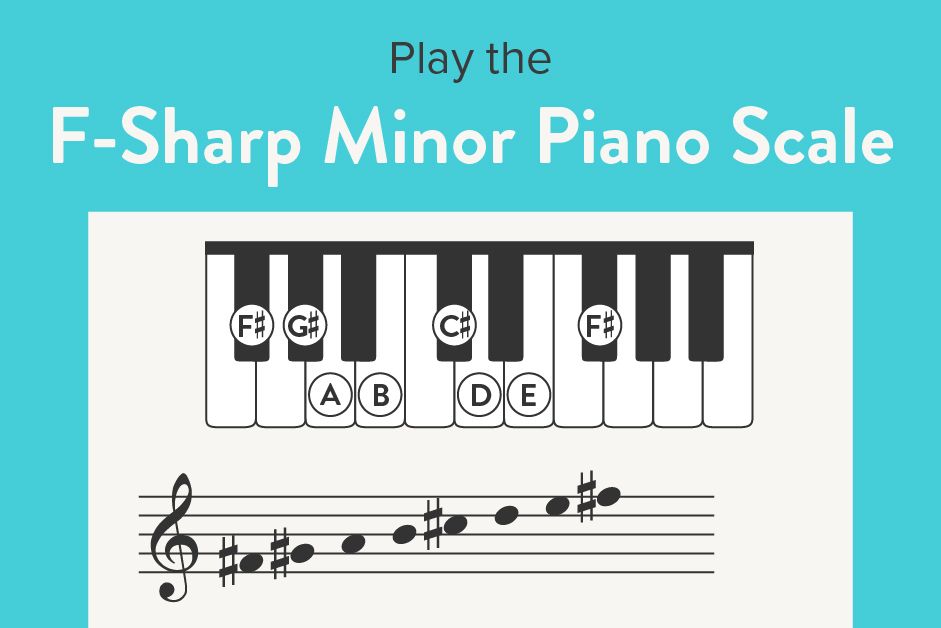
E♭ minor and D♯ minor are enharmonic equivalents. On an equal-tempered piano, they use the same physical keys:
• E♭ minor: E♭, G♭, B♭
• D♯ minor: D♯, F♯, A♯
They sound the same on the keyboard, but they are written differently because of music theory and key context.
E♭ minor belongs naturally to keys and passages that use flats. D♯ minor belongs to passages that use sharps. The correct spelling makes music easier to read and helps musicians understand how each note functions.
For basic piano playing, you can use the same keys. For reading sheet music, composing, or analyzing harmony, keep the written spelling in mind.
Flat Minor Chord Piano Progressions
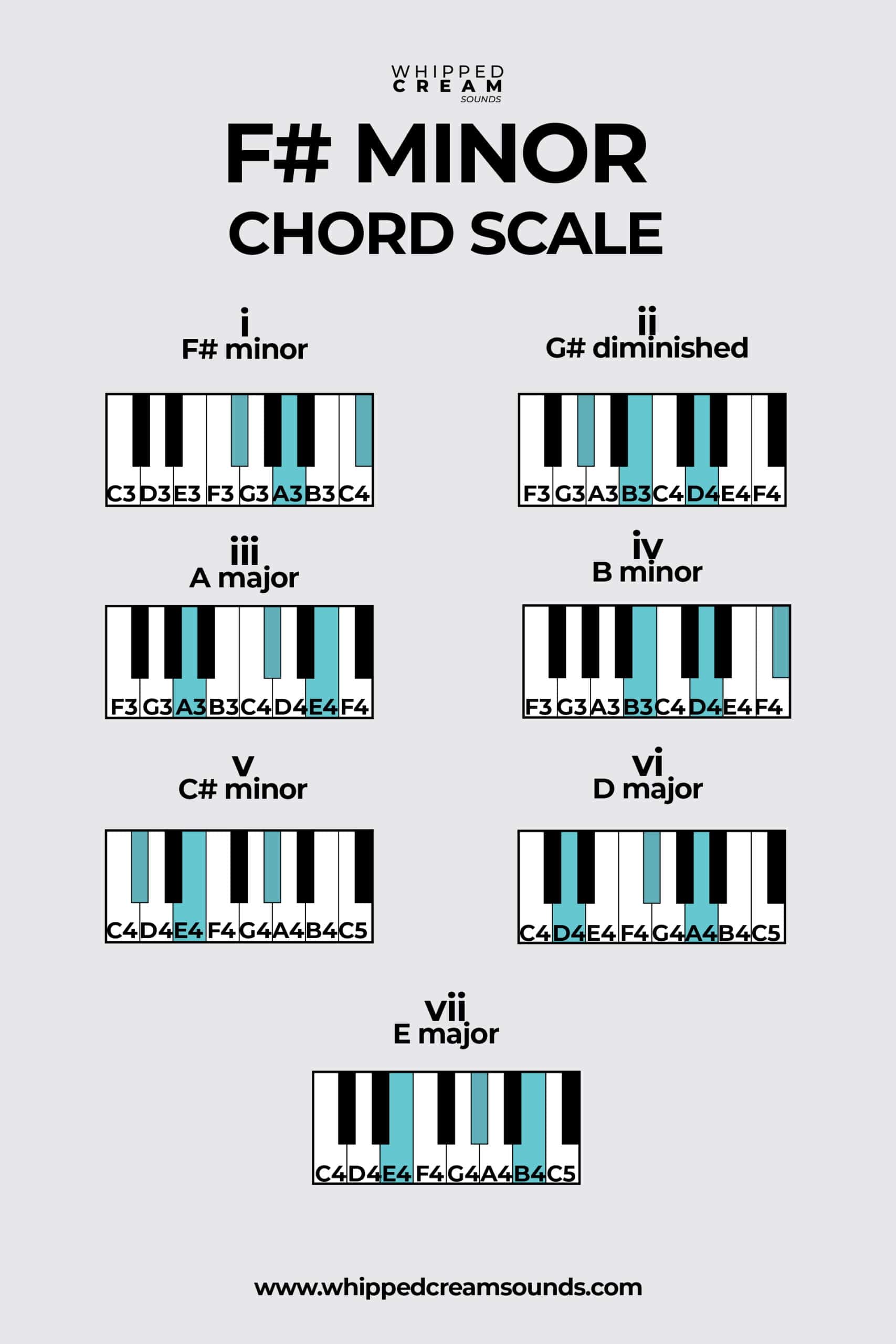
An E-flat minor chord piano part becomes more useful when you place it in a progression. A progression is a group of chords played in a planned order.
Here are a few simple examples:
• E♭m, A♭m, B♭m
• E♭m, G♭, A♭m
• E♭m, B♭m, A♭
• E♭m, C♭, A♭m, B♭m
Some of these chords may look advanced because of their flat spellings. Start with slow block chords, then add rhythm once your fingers feel comfortable.
You can also play E♭ minor as a broken chord. Play E♭, then G♭, then B♭ one at a time. Repeat the pattern in different octaves to create an arpeggio.
Try this four-beat pattern:
- Play E♭ on beat one.
- Play G♭ on beat two.
- Play B♭ on beat three.
- Play G♭ on beat four.
This pattern works well for practice, ballads, and simple songwriting.
How to Practice the E-Flat Minor Chord
Practice should be slow and deliberate. Speed does not help if the notes are tense or unclear.
Use this routine:
- Find E♭, G♭, and B♭.
- Play the root-position chord five times.
- Lift your hand and play it again without looking.
- Practice the first and second inversions.
- Play the chord with your left hand.
- Play it with your right hand.
- Play both hands together at a slow tempo.
- Add a simple rhythm or chord progression.
Keep your fingers close to the keys. Try not to lift them high between repetitions. This saves energy and helps you build smooth movement.
One lesson I have seen often is that students memorize the shape but not the notes. Learn both. Shape memory helps you play, while note knowledge helps you read, transpose, and create music.
Common Mistakes With the Flat Minor Chord Piano Shape
Beginners often make a few predictable errors when learning the E-flat minor chord piano position.
• Playing G natural instead of G♭ creates E♭ major.
• Playing A♭ instead of B♭ changes the chord.
• Using too much force makes the sound harsh.
• Holding the wrist stiffly causes discomfort.
• Confusing E♭ minor with E♭ major changes the mood.
• Forgetting inversions makes chord changes harder than necessary.
Do not worry if the chord feels awkward at first. It contains three black keys, so it may feel different from simple white-key chords.
A good correction is to play each note separately. Say the note names aloud, then play the full triad. This connects your ear, eyes, and fingers.
E-Flat Minor Chord in the Key of E-Flat Minor
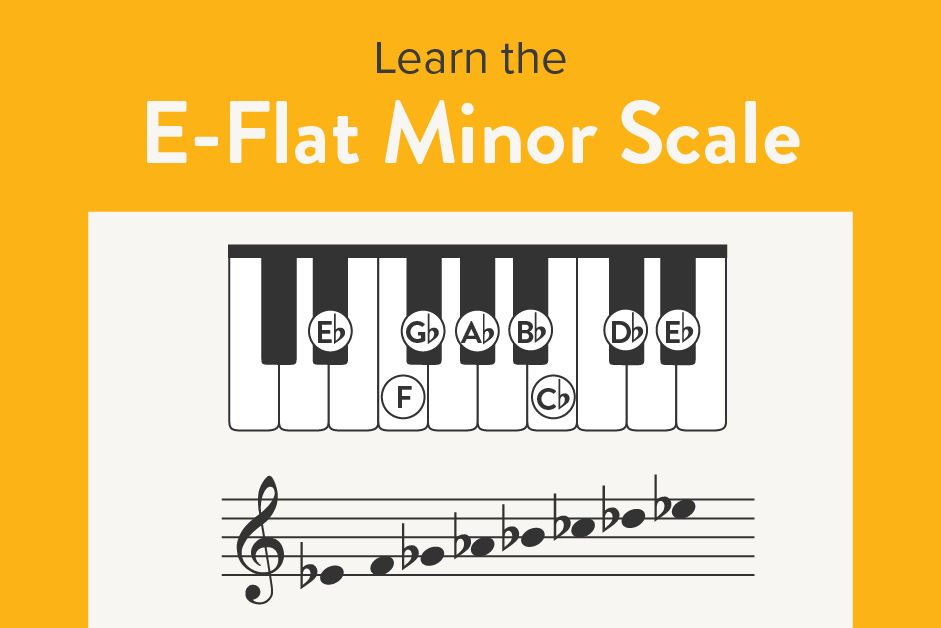
E-flat minor is also a musical key. Its natural minor scale contains:
• E♭
• F
• G♭
• A♭
• B♭
• C♭
• D♭
• E♭
The key signature has six flats: B♭, E♭, A♭, D♭, G♭, and C♭.
The E♭ minor chord is the tonic chord of this key. The tonic is the first and most important chord in a key. Other chords in the key help create movement away from, and back toward, E♭ minor.
The C♭ note may surprise you. On the piano, C♭ sounds like B, but C♭ is the correct theoretical spelling in the E♭ minor scale. This is another example of why note names matter even when piano keys sound the same.
When Should You Use an E-Flat Minor Chord?
Use E♭ minor when you want a deep or emotional harmonic color. It can work well in film music, pop ballads, classical pieces, gospel, jazz, and game music.
You might use it to:
• Support a sad melody
• Create a dramatic opening
• Add contrast to a major section
• Build tension before a brighter chord
• Give a song a serious or cinematic mood
• Create a smooth bass line with inversions
The chord does not have one fixed emotion. Music is shaped by context. A fast rhythm can make E♭ minor feel energetic, while a slow melody can make it feel tender.
Try recording yourself playing E♭ minor in three ways: softly, loudly, and with a repeated rhythm. Listen to how much the feeling changes.
Is E-Flat Minor Hard to Play?
E-flat minor is not hard once you know the three notes. Its black-key shape may look unusual, but many players find it comfortable after a few minutes of practice.
The main challenge is remembering the correct notes and keeping the hand relaxed. The chord itself is a basic minor triad, just like A minor or D minor.
If you are new to piano, practice the chord in short sessions. Two or three minutes of focused work can be more useful than long practice with poor hand position.
You can also use a piano app or keyboard display to check the notes. Digital tools are helpful, but always confirm the sound and feel with your own hands.
Frequently Asked Questions About What Is a Flat Minor Chord Piano
What notes are in an E-flat minor chord on piano?
An E-flat minor chord contains E♭, G♭, and B♭. These notes form a root, minor third, and perfect fifth.
How do you play E-flat minor on piano?
Press E♭, G♭, and B♭ together. For the right hand, use fingers 1, 3, and 5; for the left hand, use fingers 5, 3, and 1.
Is E-flat minor the same as D-sharp minor?
They use the same piano keys in equal temperament, so they sound the same on a standard piano. Their written notes differ because each key uses a different spelling system.
What is the difference between E-flat major and E-flat minor?
E-flat major uses E♭, G, and B♭. E-flat minor uses E♭, G♭, and B♭, so the middle note changes from G to G♭.
What does E-flat minor sound like?
E-flat minor often sounds dark, emotional, serious, or reflective. Its exact mood depends on the rhythm, melody, volume, and chords around it.
What are the inversions of E-flat minor?
The first inversion is G♭, B♭, E♭. The second inversion is B♭, E♭, G♭.
Conclusion
The flat minor chord piano term usually points to the E♭ minor chord, made from E♭, G♭, and B♭. You can play it in root position or use its inversions to create smoother chord changes.
Start by learning the three notes, then practice both hands, simple rhythms, and basic progressions. Spend a few minutes each day with the chord, and soon its shape and sound will feel natural. Explore more piano chord lessons, try the chord in a song, and share your practice results with other learners.

Senior Music Reviewer
Alex Carter is a seasoned music reviewer with over a decade of experience in the world of sound and instruments. Passionate about helping musicians and enthusiasts make informed choices, he brings sharp insights and in-depth knowledge to every review. From classical instruments to modern gear, Alex combines technical expertise with a love for music to deliver content that resonates with readers.
As a Senior Music Reviewer and expert author on Tuneluma.com, Alex is dedicated to sharing honest evaluations, practical advice, and thoughtful commentary to guide readers in their musical journey.