What Is A Flat Major Chord Piano: Easy Guide
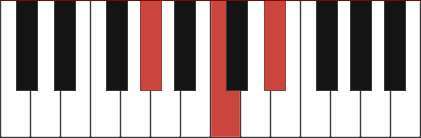
A flat major chord on piano uses A♭, C, and E♭ played together to create a warm, rich sound.
If you are learning piano, understanding what is a flat major chord piano means can make chord charts and songs much easier to read. This guide explains the notes, fingering, theory, chord symbols, common mistakes, and practical ways to use the A♭ major chord with confidence.
What Is a Flat Major Chord Piano?
The flat major chord piano players usually mean is the A♭ major chord. It contains three notes:
• A♭, the root note
• C, the major third
• E♭, the perfect fifth
Play these three notes together, and you have an A♭ major triad. The chord sounds full, smooth, and bright, yet it has a softer color than many natural-key major chords.
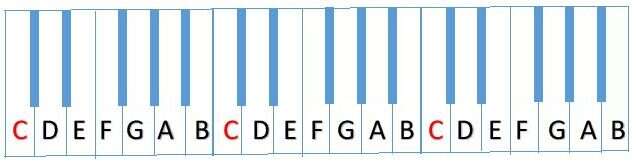
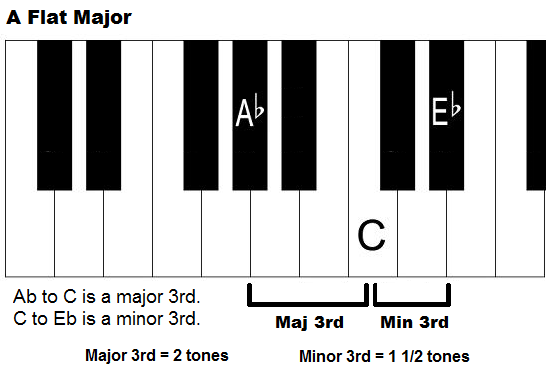
On a piano, A♭ is the black key just to the left of A. C is a white key, and E♭ is the black key just to the left of E. The notes are often written as A♭, C, and E♭.
The word “major” describes the distance between the notes. From A♭ to C is a major third, which equals four half steps. From C to E♭ is a minor third, which equals three half steps.
That 4-plus-3 pattern is the basic shape of every major triad. For example:
• C major uses C, E, and G
• F major uses F, A, and C
• A♭ major uses A♭, C, and E♭
So, what is a flat major chord piano in simple terms? It is a major three-note chord built on the note A♭.
A♭ Major Chord Notes Explained
The A♭ major chord has a simple structure, but each note has an important job.
A♭: The root
A♭ is the root, or home note, of the chord. It gives the chord its name and acts as its tonal center. If you remove A♭, the chord may still sound major, but its identity becomes less clear.
C: The major third
C is the note that makes the chord major. It sits four half steps above A♭. This interval gives the chord its open and hopeful quality.
E♭: The perfect fifth
E♭ sits seven half steps above A♭. It adds strength and balance. The fifth is found in nearly every basic major and minor triad because it supports the root without making the chord sound too tense.
A useful way to remember the chord is:
A♭ + four half steps = C
C + three half steps = E♭
This method works even if you do not know the black keys by name. Count each key, including both white and black keys.
In standard music theory, the chord symbol is A♭ or Ab. A lead sheet may show A♭, Ab, or Ab major. These symbols all point to the same basic triad.

How to Find A♭ Major on the Piano
Finding the A♭ major chord is easier when you locate each note step by step.
- Find the group of three black keys.
- Locate the middle black key in that group. This is A♭.
- Find the white key C just to the right of that group.
- Find the black key E♭, which is just left of E.
- Press A♭, C, and E♭ together.
You can play the chord in any octave. The notes may appear low, in the middle of the keyboard, or high. The chord name stays the same as long as the notes remain A♭, C, and E♭.
A common mistake is to search for A♭ by looking only for the letter A. Remember that A♭ is a black key. It is also enharmonically the same pitch as G♯, but the correct spelling for an A♭ major chord is A♭, C, and E♭.
That spelling matters in written music. Using G♯, C, and D♯ would produce the same sound on an equal-tempered piano, but it would not show the chord’s theory correctly.
Correct Piano Fingering for the A♭ Major Chord
For the right hand, use:
• Finger 1, thumb, on A♭
• Finger 3, middle finger, on C
• Finger 5, pinky, on E♭
For the left hand, use:
• Finger 5, pinky, on A♭
• Finger 3, middle finger, on C
• Finger 1, thumb, on E♭
These fingerings follow the standard approach for a root-position triad. Keep your hand relaxed and let your fingers curve naturally over the keys.
Do not force your thumb under the hand to reach A♭. Instead, place the hand so all three notes sit comfortably under the fingers. Your wrist should remain level, not raised or collapsed.
When I practice a flat major chord piano shape, I first play it slowly as a block chord. Then I release the hand, reset it, and play the chord again. This builds accuracy without creating tension.
Try this short exercise:
- Play A♭, C, and E♭ together.
- Hold the chord for four slow counts.
- Release the keys gently.
- Repeat five times.
- Move the chord up one octave and repeat.
The goal is not speed. The goal is a clean sound from all three notes.

A♭ Major Chord Inversions
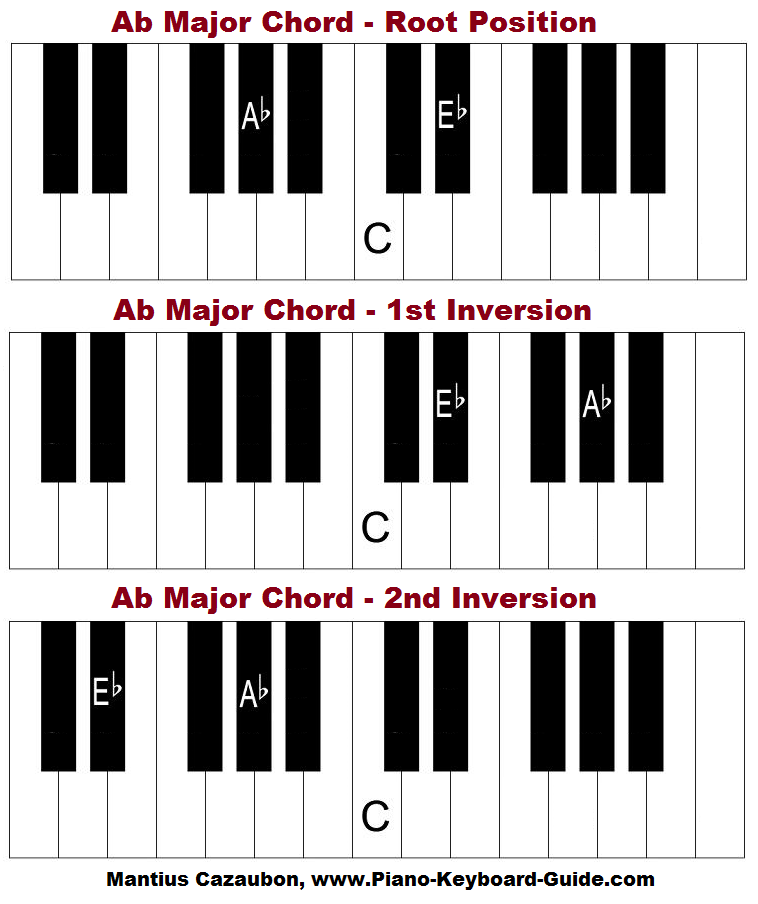
An inversion changes the order of the chord notes while keeping the same three pitches.
Root position
The notes appear in this order:
A♭, C, E♭
This is the easiest shape to recognize. The root is the lowest note.
First inversion
The notes appear in this order:
C, E♭, A♭
C is now the lowest note. The chord symbol is A♭/C, which means A♭ major with C in the bass.
Second inversion
The notes appear in this order:
E♭, A♭, C
E♭ is now the lowest note. The chord symbol is A♭/E♭.
Inversions help your chords move smoothly. For example, if one chord contains A♭ and the next chord also contains A♭, you may keep that note close instead of jumping across the keyboard.
This is called voice leading. It makes chord changes sound connected and polished. Many piano players use inversions to avoid large hand movements.
When learning what is a flat major chord piano, do not stop at root position. Root position teaches the chord’s identity, while inversions teach you how to use it in real music.
How the A♭ Major Chord Sounds
The A♭ major chord often sounds warm, rich, calm, and confident. Its character depends on the octave, volume, rhythm, and musical setting.
A low A♭ major chord can sound broad and powerful. A high version may sound gentle and glowing. Play it softly, and it can support a quiet ballad. Play it strongly, and it can add weight to a dramatic section.
The chord’s mood also changes when you add notes:
• A♭ major seventh adds G and creates A♭maj7
• A♭ dominant seventh adds G♭ and creates A♭7
• A♭ minor changes C to C♭
• A♭ suspended four replaces C with D♭
• A♭ add9 adds B♭
These are different chords, even though they share the A♭ root. This distinction is important when reading chord symbols.
A flat major chord piano sound can also feel different because of the instrument itself. An acoustic piano has natural overtones and pedal resonance. A digital piano may sound cleaner or brighter, depending on its settings.

A♭ Major in the Key of E♭ Major
A♭ major is the fourth chord in the E♭ major scale. The E♭ major scale contains:
E♭, F, G, A♭, B♭, C, D
Building a triad on the fourth scale degree gives:
A♭, C, E♭