What Are The Parts Of A Drum Kit: Beginner’s Guide
A drum kit includes drums, cymbals, stands, pedals, shells, heads, and hardware that work together as one instrument.
learning what are the parts of a drum kit helps you choose the right setup, tune each piece, and play with control. After years of studying drum layouts and setting up kits for practice and performance, I have found that the best results come from knowing what each part does. This guide breaks down every major component in clear terms, from the bass drum to the smallest piece of hardware.
What Are the Parts of a Drum Kit?
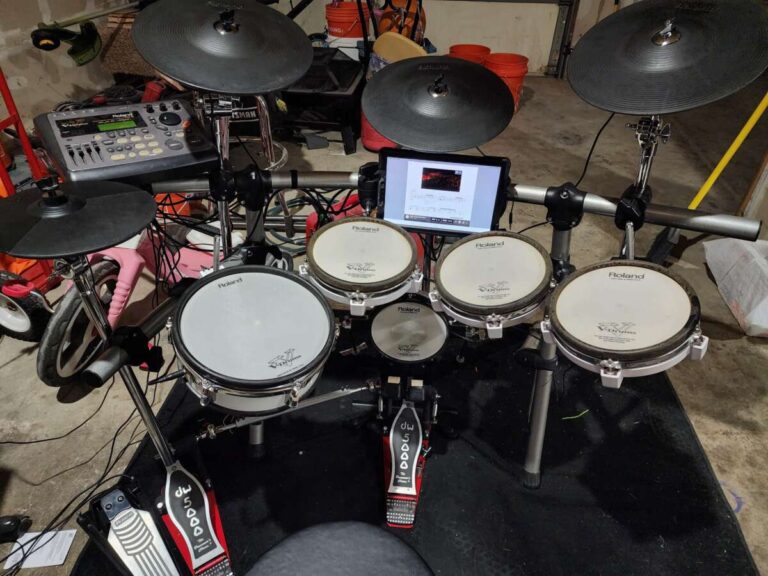
A drum kit, also called a drum set, is a group of drums and cymbals arranged for one player. Each piece has a special sound and job. Together, they create the rhythm, accents, fills, and patterns heard in rock, jazz, pop, blues, country, hip-hop, and many other styles.
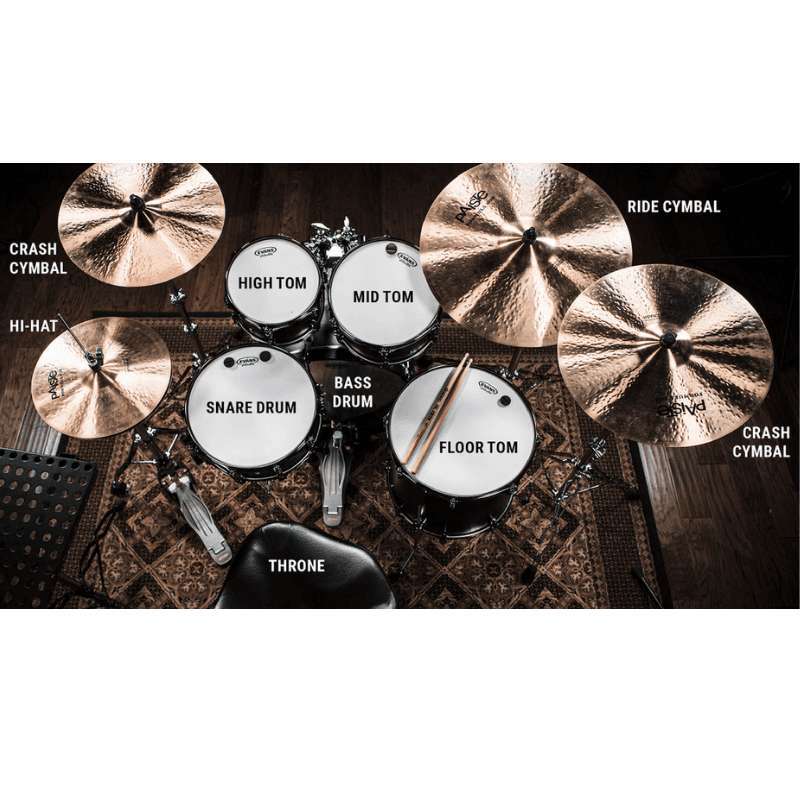
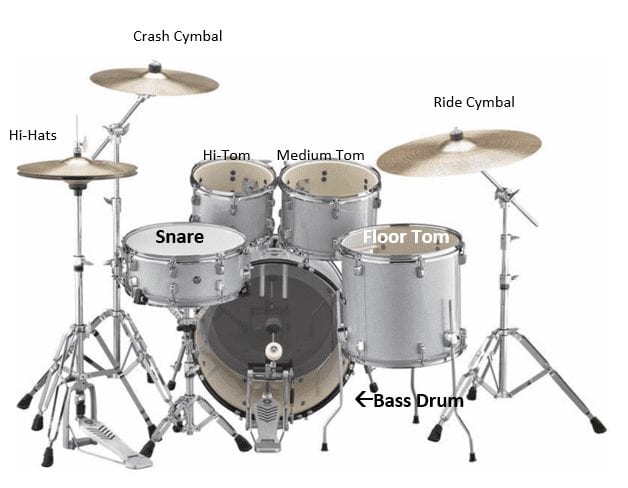
The main parts of a drum kit are:
• Bass drum, also called the kick drum
• Snare drum
• Rack toms
• Floor tom
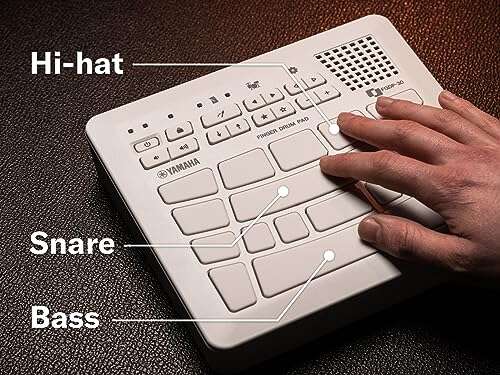
• Hi-hat cymbals
• Crash cymbals
• Ride cymbal
• Drum shells and drumheads
• Bass drum pedal
• Cymbal stands and drum stands
• Drum throne
• Drumsticks and other accessories
Some drum kits have only four drums and three cymbals. Large rock kits may have many toms, cymbals, and electronic pads. The basic layout stays much the same, even when the size changes.
The Main Drums in a Drum Kit
The drums create the core sound of the set. They differ in size, pitch, depth, and purpose. Understanding what are the parts of a drum kit starts with learning these drum voices.
Bass Drum
The bass drum is the largest drum in the kit. It rests on the floor and faces the player. A foot pedal strikes its head to create a deep, strong pulse.
Most bass drums measure between 18 and 24 inches across. A 22-inch bass drum is a common choice for rock and pop. Smaller drums can produce a tighter sound, while larger drums often create more low-end power.
The bass drum often marks beats one and three in a basic rock pattern. It can also play fast double-kick patterns in metal, punk, and other high-energy styles.
Snare Drum
The snare drum is one of the most important parts of a drum kit. It has metal wires, called snares, stretched across the bottom head. These wires create the sharp, buzzing sound that makes the snare easy to recognize.
A snare drum often plays beats two and four in rock and pop. Players also use it for ghost notes, rimshots, rolls, flams, and accented hits.
Common snare sizes include:
• 14 inches wide by 5 to 6.5 inches deep for a balanced sound
• 13-inch snares for a higher and tighter tone
• Deep snares for a fuller and louder sound
• Metal snares for brightness and projection
• Wooden snares for warmth and body
I often tell new players to spend time learning the snare first. It teaches touch, timing, control, and dynamics better than almost any other drum.
Rack Toms
Rack toms are the smaller tom drums mounted above the bass drum. They usually have no snares, so their sound is round and open.
Most kits have one or two rack toms. A common setup includes a 10-inch tom and a 12-inch tom. Some players use a single 12-inch tom for a clean and simple layout.
Rack toms are useful for fills and moving patterns. A player may strike the snare, move to the high tom, then finish on the low tom and bass drum.
Floor Tom
The floor tom is a large tom that stands on its own legs. It creates a low, deep sound that fills the space below the rack toms.
A standard floor tom often measures 14 or 16 inches. Larger floor toms can produce a powerful sound, while smaller models respond faster and sound more focused.
Floor toms are common in drum fills. They also work well for tribal patterns, slow grooves, and dramatic accents.

Cymbals and Their Functions
Cymbals add color, movement, and emphasis to a drum performance. They are made mainly from bronze or brass. Bronze cymbals usually offer greater tonal detail and are common in professional settings.
The answer to what are the parts of a drum kit is not complete without the cymbals. They may look similar at first, but each type has a different role.
Hi-Hat Cymbals
The hi-hat uses two cymbals mounted on a stand. A foot pedal moves the top cymbal up and down.
A drummer can play the hi-hat in several ways:
• Closed with the stick for a short, crisp sound
• Open for a loose and bright sound
• With the foot for a soft “chick” sound
• Partly open for a gritty, cutting tone
• On the edge or bow for different textures
The hi-hat often keeps steady eighth-note or sixteenth-note patterns. It acts like the clock of the drum kit, helping the player maintain time.
Crash Cymbals
Crash cymbals create loud, explosive accents. Drummers use them at the start of a song, at the end of a fill, or during an important change in the music.
Crash cymbals commonly range from 14 to 20 inches. Smaller crashes tend to sound quick and bright. Larger crashes may sound deeper and wider.
Avoid hitting the crash straight down with excessive force. A slight angle lets the stick move across the cymbal and can reduce stress on the cymbal edge.
Ride Cymbal
The ride cymbal provides a steady pattern with a clear and sustained sound. It is usually larger than a crash and sits to the player’s right.
The main sections of a ride cymbal are:
• Bow: The broad area used for steady patterns
• Bell: The raised center, which creates a bright and sharp sound
• Edge: The outer rim, which can produce a crash-like accent
Jazz players often use the ride as the main timekeeper. Rock players may use it during choruses or sections that need a bigger sound.
China Cymbal
A China cymbal has an upturned edge and a rough, aggressive tone. It is common in metal, hard rock, and experimental music.
China cymbals are not required for a basic drum kit. They are an optional color tool for players who want a harsh accent.
Splash Cymbal
A splash cymbal is small and responds quickly. It produces a short, bright sound that works well in fills and soft accents.
Splash cymbals are useful, but beginners do not need them. Good timing on a basic crash often matters more than owning many cymbals.

Drum Shells, Heads, and Tuning Parts
The visible drums are made from several smaller components. These parts affect tone, volume, response, and durability.
Drum Shells
The shell is the main body of a drum. It supports the heads and helps shape the instrument’s sound.
Common shell materials include:
• Maple: Warm, balanced, and versatile
• Birch: Bright, focused, and clear
• Poplar: Affordable and generally warm
• Mahogany: Deep and full
• Acrylic: Loud, open, and visually distinctive
• Steel: Bright and powerful for snare drums
• Brass: Rich, loud, and complex for snare drums
Shell material matters, but it is not the only factor. Size, bearing edges, head choice, tuning, and playing technique can change the sound just as much.
Drumheads
Drumheads are the skins stretched over the top and bottom of a drum. Modern heads are usually made from plastic film rather than animal skin.
The top head is called the batter head. It receives the stick hit. The bottom head is called the resonant head because it vibrates and helps shape sustain.
Drumheads may be:
• Single-ply for open tone and sensitivity
• Two-ply for durability and control
• Coated for a warmer sound and better brush response
• Clear for bright attack and strong projection
• Textured or specialty-made for specific tones
New players often make the mistake of replacing heads but ignoring tuning. A good head cannot sound its best if the tension is uneven.
Bearing Edges
The bearing edge is the point where the shell meets the drumhead. A smooth, even edge helps the head vibrate with consistency.
Damaged or uneven bearing edges can cause tuning problems. If a drum will not hold pitch or sounds dead in one area, the edge may need inspection.
Tension Rods and Lugs
Tension rods are the screws that tighten the drumhead. They pass through hoops and connect to lugs mounted on the shell.
Lugs hold the tension rods in place. Tightening the rods increases head tension and raises pitch. Loosening them lowers pitch.
Always adjust tension rods in a star or crisscross pattern. This helps keep the pressure even across the head.

Drum Kit Hardware
Hardware holds the instrument together. It may not make a sound by itself, but poor hardware can make a kit unstable, uncomfortable, and difficult to play.
Bass Drum Pedal
The bass drum pedal connects the player’s foot to the kick drum. It includes a footboard, beater, spring, heel plate, and adjustment points.
A single pedal uses one beater. A double pedal uses two beaters and allows fast patterns with one foot or both feet.