What Are The Parts Of The Drum: A Complete Guide
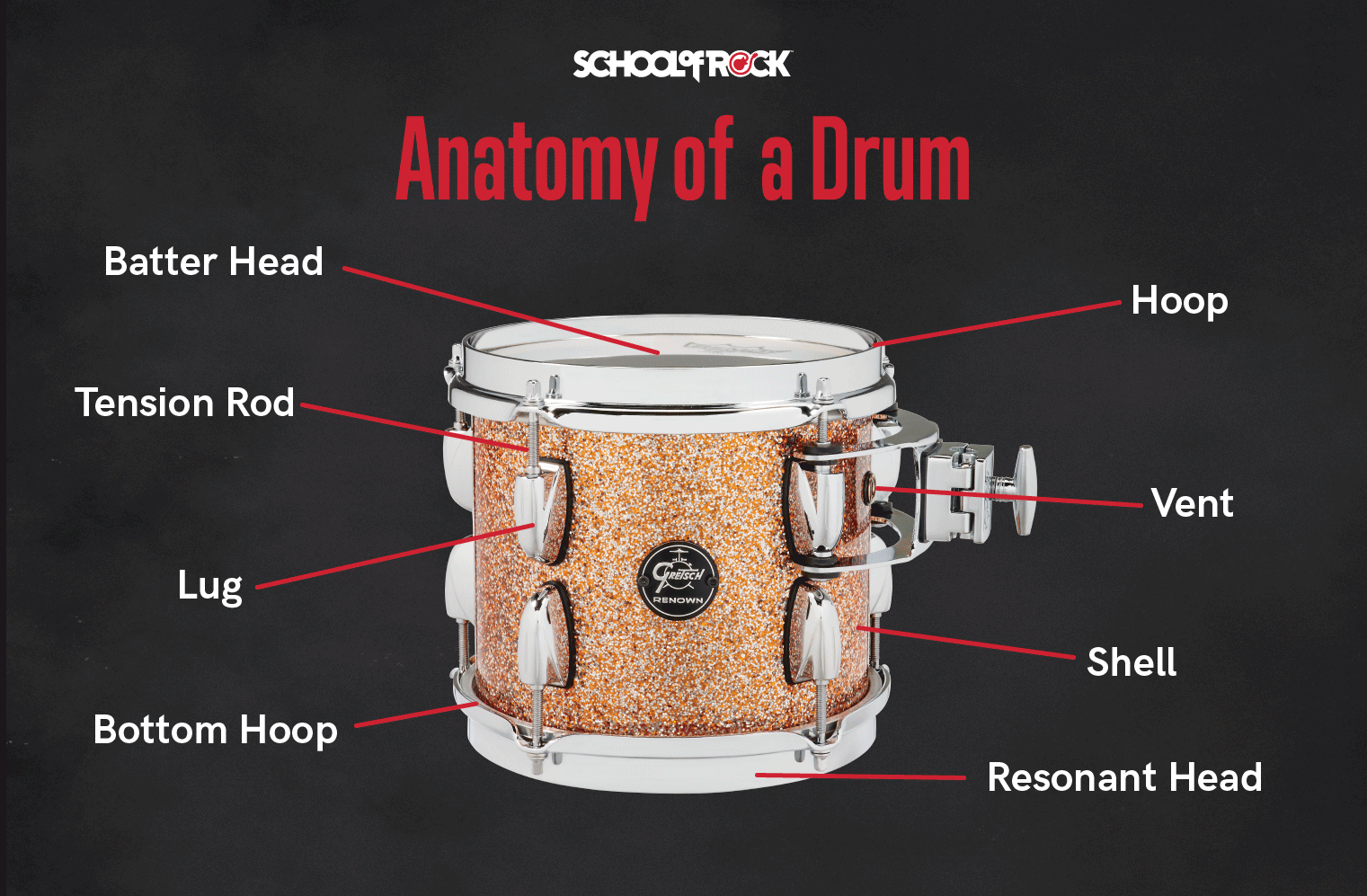
The parts of the drum include the shell, heads, hoops, lugs, tension rods, bearing edges, and hardware.
Learning what are the parts of the drum makes it easier to tune, repair, and play with control. Whether you are studying a snare drum, bass drum, or full drum set, each part has a clear job. This guide explains the drum anatomy in simple terms, with practical tips for choosing parts, avoiding common mistakes, and getting a better sound.
What Are the Parts of the Drum?
A drum is a hollow shell with one or more stretched heads. When a player strikes a head, it vibrates and moves air inside the shell. That movement creates sound.
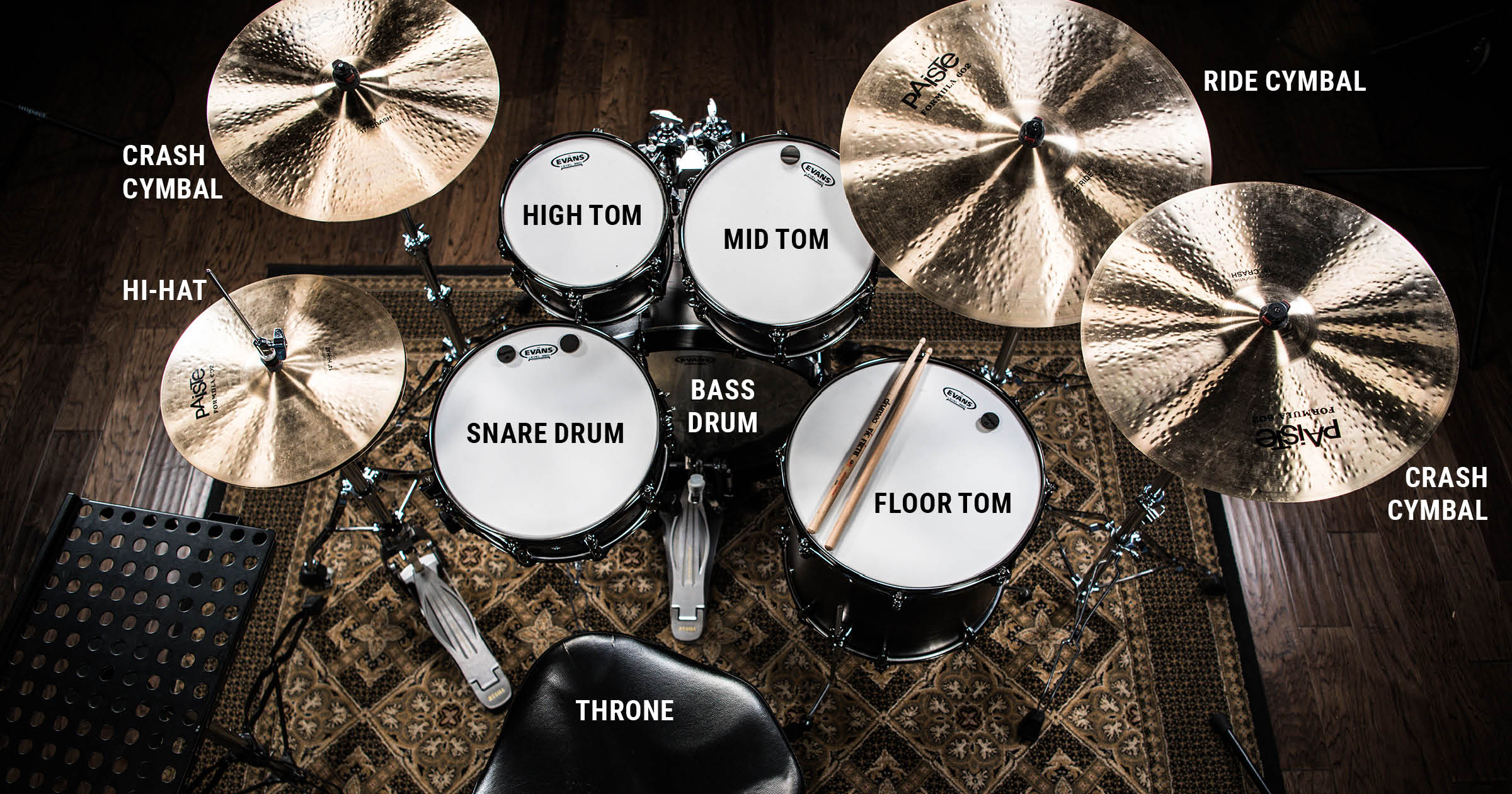
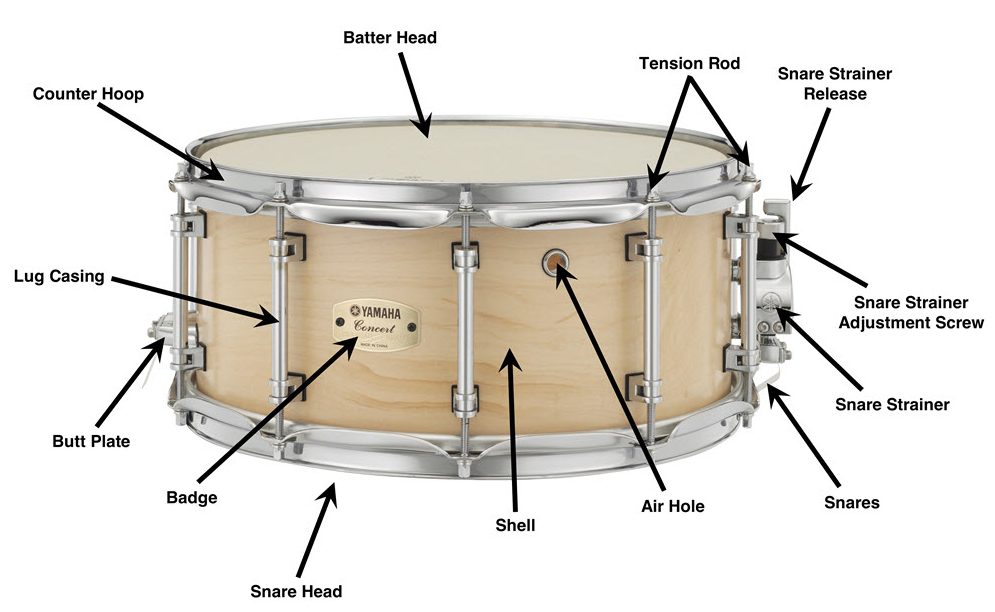
The exact parts depend on the drum type. A snare drum has snare wires and a throw-off system. A bass drum has spurs and a pedal system. Toms often have mounting hardware. Still, most drums share the same core parts.
The main parts of the drum are:
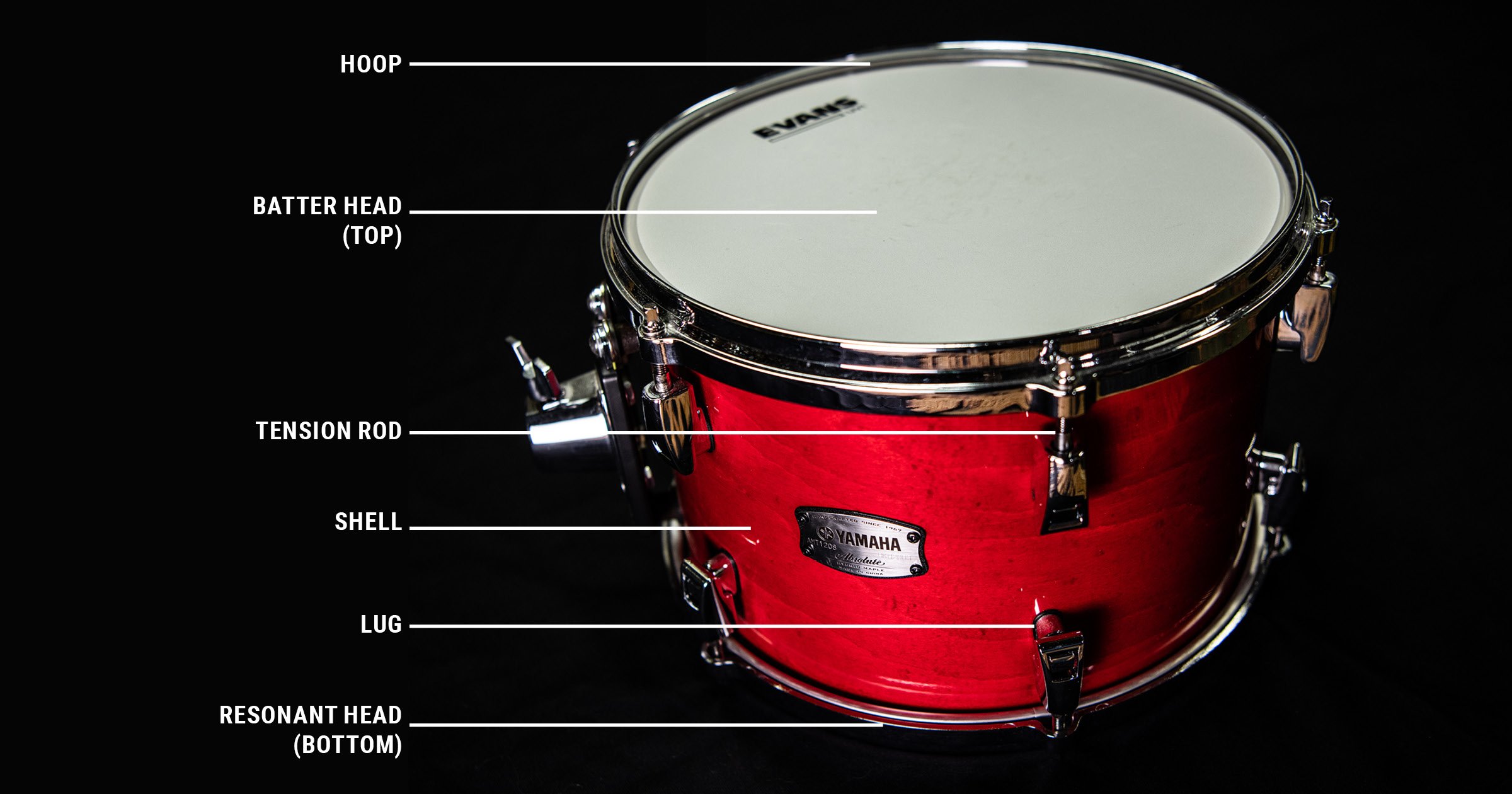
• Shell: The hollow body of the drum
• Drumhead: The surface that the player strikes
• Hoop or rim: The ring that holds the head in place
• Tension rods: Metal rods that tighten the head
• Lugs: Small fittings that hold the tension rods
• Bearing edge: The edge where the head touches the shell
• Air vent: A small opening that lets air move from the shell
• Hardware: The metal parts that support or connect the drum
A drum works much like a speaker. The head makes the first vibration, while the shell helps shape and project the sound.

The Drum Shell
The shell is the main body of the drum. It is usually made from wood, metal, acrylic, or a composite material. The shell affects the drum’s tone, volume, sustain, and response.
Wood shells often create a warm and full sound. Maple, birch, and mahogany are common choices. Maple usually gives a balanced tone, birch can sound bright and focused, and mahogany often produces a deep tone.
Metal shells are common on snare drums. Steel can sound loud and sharp. Brass often sounds warm and lively. Aluminum tends to produce a dry and controlled tone.
Acrylic shells are clear or colored and can produce a strong, open sound. They are also visually striking. However, they may need extra care because they can crack if handled roughly.
The shell has three key measurements:
• Diameter: The distance across the shell
• Depth: The distance from the top edge to the bottom edge
• Thickness: The amount of material used to form the shell wall
A larger diameter often creates a lower pitch. A deeper shell may add volume and sustain. A shallow shell can respond faster and sound more direct.
One common mistake is to judge a drum by shell material alone. A drum’s bearing edges, heads, hoops, tuning, and construction also matter. Two drums made from the same wood can sound very different.
The Drumhead
The drumhead is the stretched surface that the player strikes. It is one of the most important parts of the drum because it has a direct effect on attack, tone, volume, and sustain.
Modern drumheads are usually made from plastic film. Some older or specialty drums use animal skin. Plastic heads are popular because they resist changes in humidity and offer steady performance.
Drumheads come in several basic styles:
• Single ply: One layer of film for an open and lively sound
• Two ply: Two layers for more control and durability
• Coated: A textured surface that can create a softer attack
• Clear: A smooth surface with bright attack and strong projection
• Hydraulic: Two layers with a thin layer of oil between them for a short, controlled sound
The top head is called the batter head. This is the head you strike. The bottom head is called the resonant head. It responds to the batter head and helps create sustain and tone.
Snare drums use a snare-side head on the bottom. This head is thinner than most batter heads. Its design helps the snare wires respond to light and hard strokes.
Replace a drumhead when it has deep dents, wrinkles, cracks, or a dull response. A worn head may make tuning difficult, even when the rest of the drum is in good condition.
The Hoop or Rim
The hoop, also called the rim, holds the drumhead against the shell. It also helps spread tension around the head.
There are two common types of drum hoops:
• Triple-flanged hoops: Light metal hoops with open sections between the flanges
• Die-cast hoops: Heavy, rigid hoops made from molded metal
Triple-flanged hoops allow the head to vibrate freely. They often produce more sustain and a lively sound. Die-cast hoops offer a more controlled tone and can help keep the drum in tune.
Wood hoops are also used on some drums. They can create a warm sound and a classic look. They may require more care than metal hoops.
The rim can also be used for rimshots and cross-stick sounds. A rimshot happens when the stick hits the head and rim at nearly the same time. A cross-stick happens when the stick rests across the head and strikes the rim.
If a hoop is bent, the head may not tune evenly. Check the rim if one area of the head feels tighter than another.
Lugs and Tension Rods
Lugs and tension rods work together to tighten the drumhead.
Lugs are small metal fittings attached to the shell. Each lug has an internal thread or insert. The tension rod passes through the hoop and screws into the lug.
When you tighten the tension rods, they pull the hoop downward. This stretches the drumhead and raises its pitch. When you loosen them, the head becomes less tight and the pitch drops.
Common lug designs include:
• Tube lugs: Simple lugs with a clean look and less shell contact
• Bridge lugs: Lugs that connect across a section of the shell
• Die-cast lugs: Strong molded lugs often found on premium drums
Tune tension rods in small steps. Use a cross pattern rather than moving around the drum in one direction. This spreads pressure evenly.
A helpful tuning method is to tap the head a few inches from each tension rod. The notes should sound close in pitch. If one area sounds much higher or lower, adjust that rod slightly.
Do not overtighten the rods. Too much force can damage the lug, strip the thread, or warp the hoop. Even tension is more important than extreme tension.
The Bearing Edge
The bearing edge is the narrow edge at the top or bottom of the shell. The drumhead rests on this edge.
This part of the drum may look small, but it has a major effect on sound. A sharp bearing edge often gives a quick response and strong attack. A rounded edge may create a softer and warmer response.