How To Play Snare Drum: Quick Beginner’s Guide
Use matched grip, relaxed wrists, rudiments, and steady metronome practice to learn the snare.
I’ve played and taught snare drum for years, in classrooms and on parade grounds, and I’ll walk you through exactly how to play snare drum with clear steps, common pitfalls, and practice plans you can use today. This guide covers grips, strokes, essential rudiments, reading snare notation, tuning, maintenance, style application, and a realistic practice routine so you can build clean technique and musical confidence fast.
Technique basics: grip, stroke, and setup
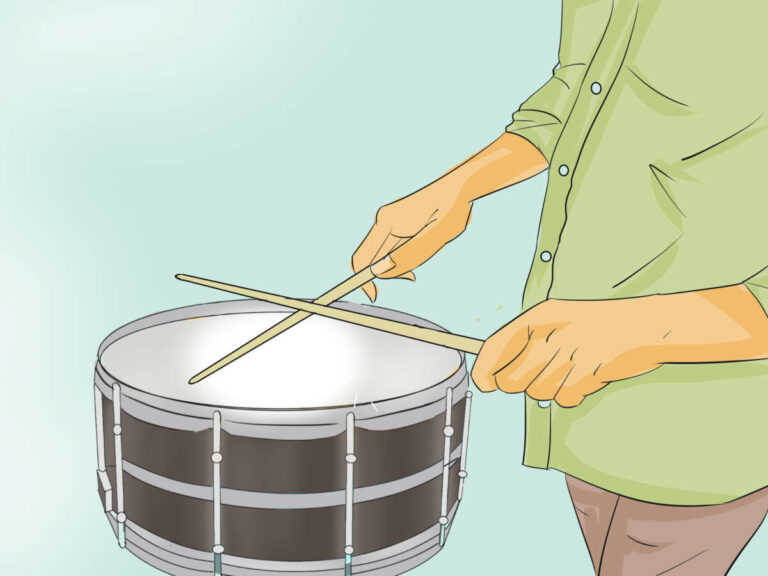
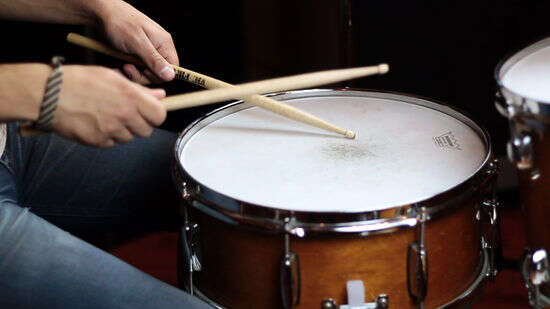
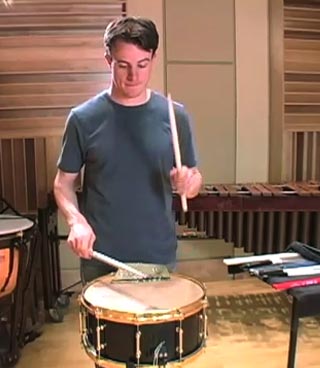
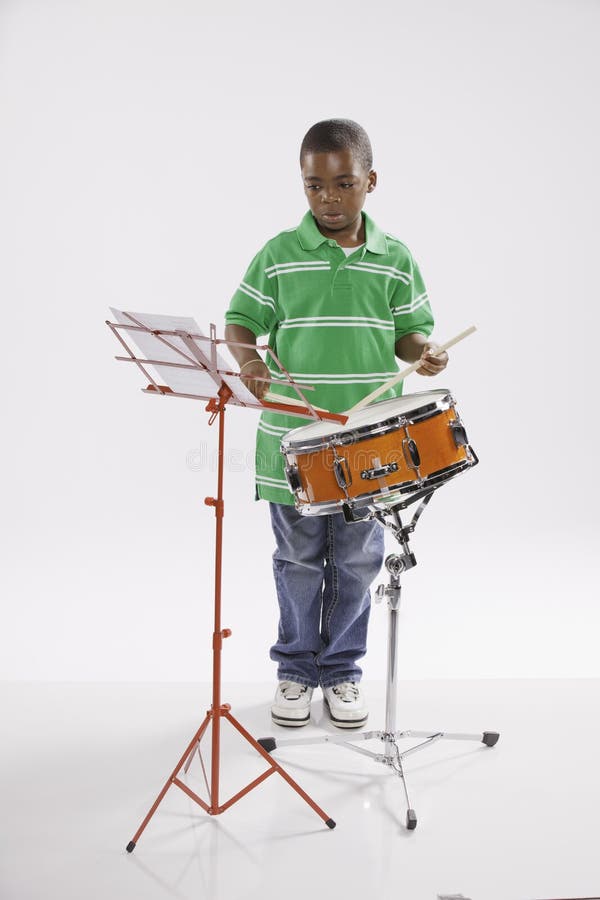
Start with a simple setup. Sit or stand tall. Keep the drum at waist height or slightly lower. Position the drum so the rim faces you squarely.
Grips
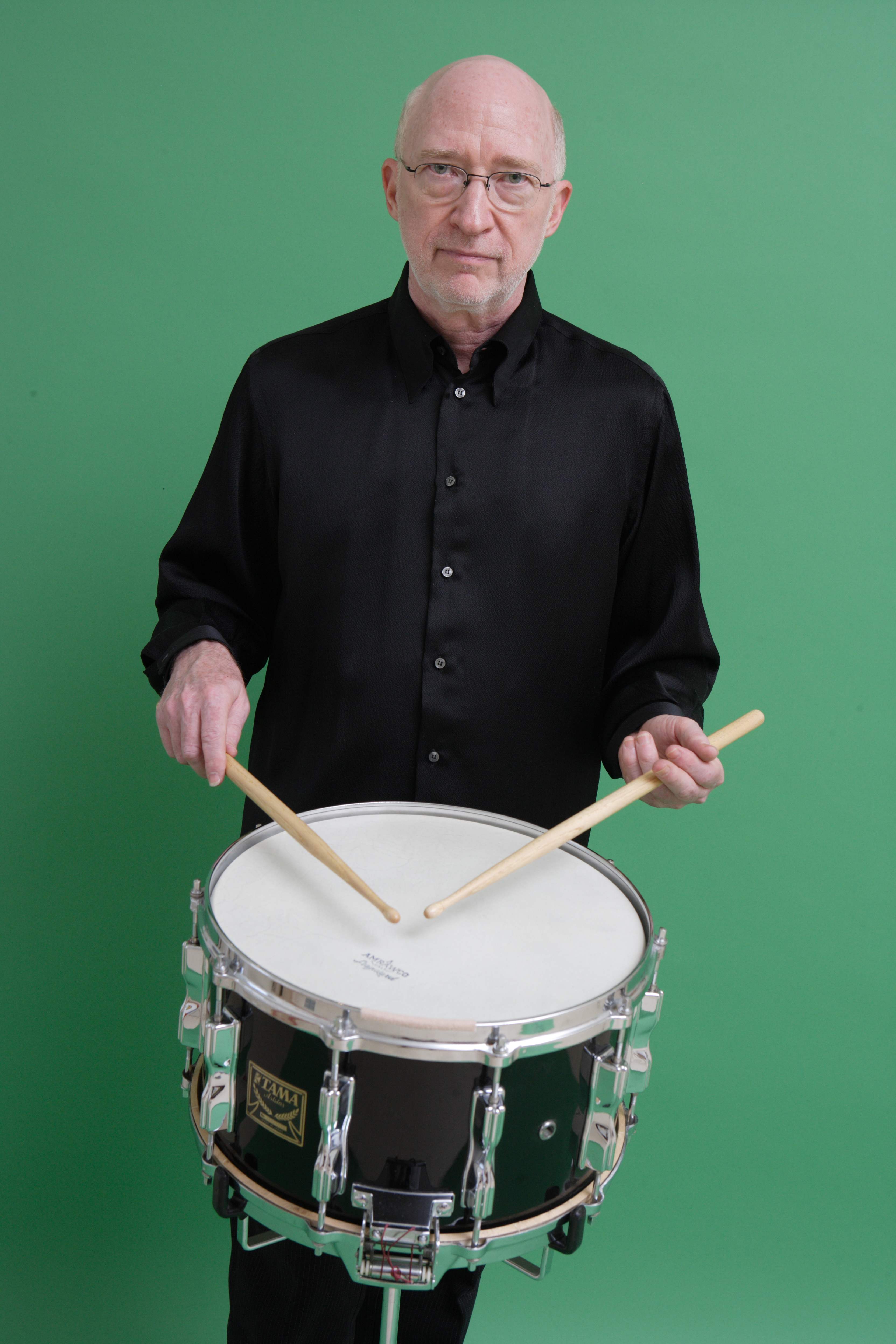
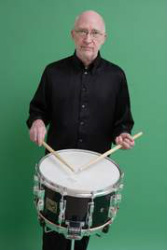
- Matched grip — hold both sticks the same way; comfortable and common for drum set and concert snare.
- Traditional grip — left hand underhand; used in marching and some jazz contexts.
- Hold sticks loosely near the fulcrum to allow rebound and speed.
Strokes and motion
- Wrist stroke — primary motion for control and speed.
- Finger stroke — small movements for fast rolls and finesse.
- Arm stroke — use for accents and power; keep it relaxed.
Stick rebound
- Let the stick bounce off the drumhead.
- Use minimal force to get maximum rebound.
- Count slowly and match rebound to tempo.
Setup tips
- Angle the drum slightly away from you if standing.
- Keep shoulders relaxed and wrists free.
- Warm up with slow single-stroke rolls.
How to play snare drum starts with mastering these basics. Practicing clean strokes makes everything else easier.
Rudiments and daily exercises
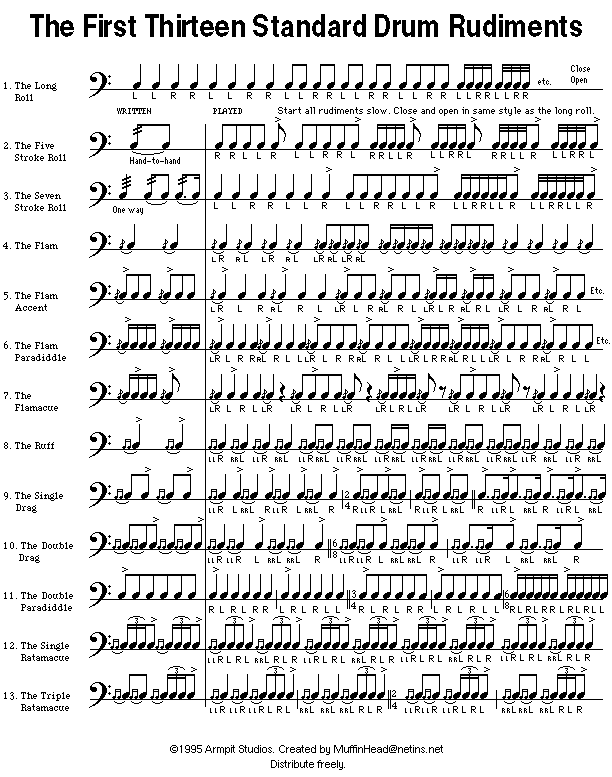
Rudiments are the language of snare. Learn these first.
Essential rudiments
- Single-stroke roll — alternating hands: R L R L.
- Double-stroke roll — two strokes per hand: R R L L.
- Paradiddle — R L R R / L R L L; great for coordination.
- Flam — grace note followed by a main stroke.
- Drag — two grace notes before the main stroke for texture.
Daily exercise plan
- Warm up 5 minutes with single strokes at slow tempo.
- Practice 10 minutes on two or three rudiments with metronome.
- Do accents and dynamics for 5 minutes.
- End with a musical phrase or read a short snare part.
Progressive ideas
- Increase metronome by small steps (5 BPM).
- Shift focus from speed to clarity of each stroke.
- Use a practice pad to refine rebound control.
Rudiments give structure. Mastering them is essential to how to play snare drum well.

Reading music and counting for snare
Reading snare music is simple once you learn basics.
Notation basics
- The snare line sits on one staff line. Notes show rhythm, not pitch.
- Time signatures (4/4, 2/4, 6/8) tell you the beat pattern.
- Note values — whole, half, quarter, eighth, sixteenth — determine spacing.
Counting and subdivision
- Count aloud: 1 2 3 4 for quarter notes.
- Subdivide: 1 & 2 & for eighth notes.
- For sixteenth notes count 1 e & a 2 e & a.
Applying sticks to notation
- Mark sticking under notes when learning a part.
- Circle accents and dynamics.
- Clap rhythms first, then play slowly with a metronome.
Reading is a skill you build slowly. It answers "what to play" so you can focus on technique.

Tuning, heads, and gear choices
Good gear helps you sound better.
Drum heads
- Coated heads for stick definition and warmth.
- Clear heads for brighter attack.
- Practice pad for quiet technique work.
Tension and tuning
- Tighten lugs evenly in a star pattern.
- Tune batter head to desired pitch; snares react to both heads.
- Adjust snare wire tension to control snap and sensitivity.
Hardware and sticks
- Choose sticks by size: 5A is a common starting point.
- Use a good snare stand for stability.
- Replace worn snare wires and rims as needed.
Maintenance
- Change heads when they dent or lose tone.
- Clean rims and lugs occasionally.
- Check snare throw-off for smooth engagement.
Choosing the right gear affects tone and playability. Proper setup is part of learning how to play snare drum efficiently.

Styles and musical application
Snare drum skills apply across many styles.
Marching and rudimental
- Focus on precision, accents, and projective tone.
- Traditional grip may be common.
Concert and orchestral
- Read dynamics and blend with other percussion.
- Use careful rebound control and sensitive dynamics.
Drum set and pop styles
- Apply snare technique to cross-stick, rimshots, and grooves.
- Matched grip is common and versatile.
Jazz and small ensemble
- Use brush techniques and light finger control.
- Traditional and matched grips both work depending on context.
Practice each style slowly. Learn how to play snare drum in context by playing with other musicians or recordings.
Common mistakes and how to fix them
New players hit predictable snags. Fix these early.
Tight grip
- Problem — sticks feel stiff and slow.
- Fix — loosen hold and move from the wrist and fingers.
Only using arm motion
- Problem — lacks speed and finesse.
- Fix — practice finger and wrist strokes for control.
Ignoring rudiments
- Problem — uneven rolls and weak sticking.
- Fix — set daily rudiment practice, short and consistent.
Skipping metronome
- Problem — poor timing.
- Fix — practice with a metronome for at least 10 minutes per session.
Over-practicing loud parts
- Problem — bad technique under pressure.
- Fix — practice quiet control and build volume gradually.
I once played for hours without a metronome and learned timing slowly. Switching to short, focused metronome sessions fixed my problems faster than doubling practice time.
Learning path and practice plan
A clear plan makes learning efficient.
30-day starter plan
- Week 1 — 10 minutes daily: single strokes, grip work, metronome.
- Week 2 — 15 minutes daily: add double strokes and paradiddles.
- Week 3 — 20 minutes daily: flam and drag, play simple written parts.
- Week 4 — 25 minutes daily: combine rudiments into musical phrases.
Long-term goals
- Month 3 — consistent rolls at moderate tempos.
- Month 6 — clean rudiments at performance tempos.
- Year 1 — play in ensemble and read intermediate parts.
PAA-style quick questions
- How long to learn basic snare skills? Expect clear basics in weeks with daily practice; proficiency takes months.
- What’s the best practice length? Short, focused daily sessions (15–30 minutes) beat occasional long sessions.
- Should I use a metronome? Yes; it builds timing and consistency.
This plan shows how to play snare drum by steady, focused steps. Small daily wins add up fast.
Personal tips, mistakes I made, and lessons learned
I began on a marching team. My grip was too tight. My wrists hurt. I switched to looser holds. My playing got faster and cleaner.
What helped me most
- Record practice sessions to hear problems.
- Slow practice to build muscle memory.
- Focus on one rudiment at a time.
Biggest mistake to avoid
- Trying to play fast before technique is solid. Slow, accurate work wins.
Trust my experience. These simple shifts saved me months of bad habits and helped my students progress quickly.
Frequently Asked Questions of how to play snare drum
What grip should I start with?
Matched grip is the easiest and fastest way to build balanced technique. Switch to traditional grip later if you need it for style or marching.
How long will it take to play a clean roll?
With daily practice, expect a clean single-stroke roll in weeks and a clean double-stroke roll in a few months. Consistent slow practice is the key.
Do I need a practice pad or a drum?
A practice pad is quiet and great for technique work. A real drum teaches feel, rebound, and tuning, so use both when possible.
How often should I practice rudiments?
Short daily sessions are best. Aim for at least 10–20 minutes focused on rudiments every day to build steady progress.
Can I learn snare on my own?
Yes, many players learn solo with a metronome and videos. Joining a teacher, band, or class speeds up progress and corrects bad habits.