How To Do A Drum Roll

How To Do A Drum Roll: Easy Beginner Guide

Learn how to do a drum roll by alternating smooth strokes, controlling rebound, and building speed with a metronome.

Learning how to do a drum roll is less about hitting the drum hard and more about creating an even stream of sound. The key is relaxed hands, steady timing, and careful control of each stick. Whether you play snare drum, marching percussion, or a drum set, this guide will help you build a clean roll from the ground up.

What Is a Drum Roll?

A drum roll is a fast series of repeated strokes that creates a long, steady sound. On a snare drum, the strokes may blend into a smooth buzz. On toms or bass drums, the roll may sound more like a clear, repeated pulse.

There are three common types of drum rolls:

• Single-stroke roll: You alternate right and left strokes, one note at a time.

• Double-stroke roll: Each hand plays two strokes in a row, creating a pattern such as right-right, left-left.

• Buzz roll: Each stick uses controlled rebound to create several small notes from one stroke.

For most beginners, the single-stroke roll is the best place to start. It teaches timing and hand control. The buzz roll is common in concert snare playing, while the double-stroke roll is important in marching percussion and drum set fills.

A roll should sound even from start to finish. Think of it like a smooth stream of water. If the sound comes in bursts, the hands are not yet matching in speed or volume.
What Is a Drum Roll?
Source: youtube.com

What You Need Before You Start

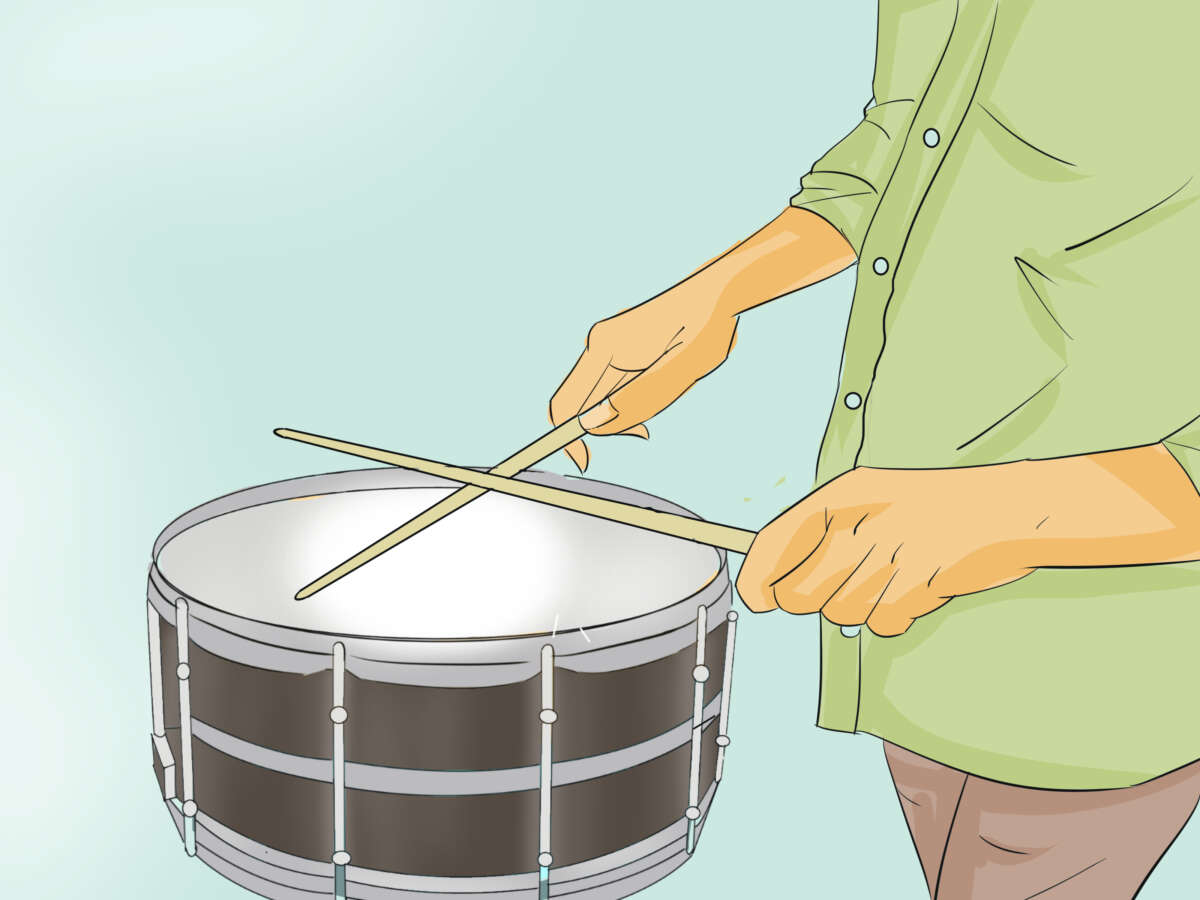
You can practice how to do a drum roll on a snare drum, practice pad, or even a firm pillow. A practice pad is useful because it gives a clear rebound without making too much noise.

Set up your practice space with these basics:

• A drum or practice pad placed near waist height

• A pair of matched drumsticks

• A metronome or metronome app

• A chair that lets your feet rest flat on the floor

• Five to ten minutes of quiet practice time

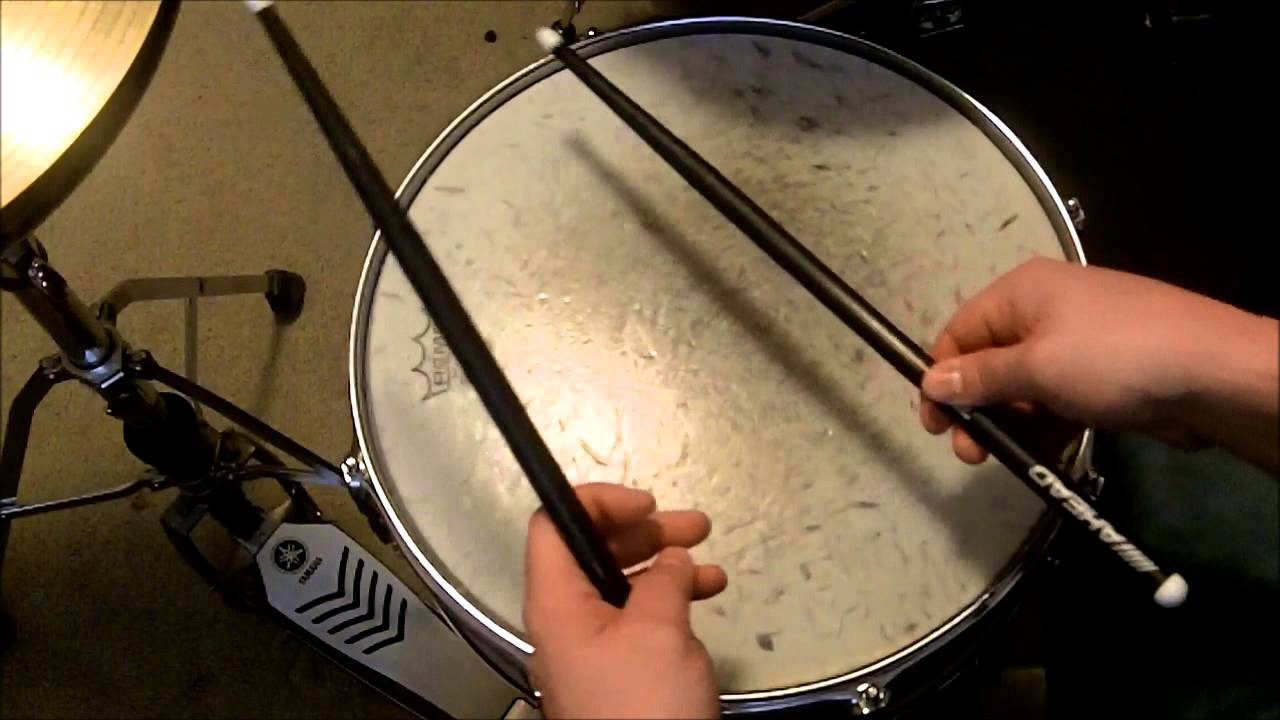
Hold the sticks with a relaxed grip. For traditional grip, the left hand holds the stick differently from the right. For matched grip, both hands hold the sticks in a similar way. Beginners often find matched grip easier when learning how to do a drum roll.

Keep your wrists loose and your fingers in contact with the sticks. Do not squeeze the sticks tightly. A tense grip blocks rebound and makes the roll sound stiff.

Find the Right Playing Height

Start with the sticks about one to two inches above the drumhead. Large movements may feel dramatic, but they make fast playing harder. Small, relaxed movements give you better control.

Your elbows should stay near your body. Avoid lifting your shoulders. If your neck or shoulders feel tired, stop and reset your posture.

What You Need Before You Start
Source: wikihow.com

How to Do a Drum Roll Step by Step

Follow these steps to build a basic single-stroke drum roll.

1. Practice Even Single Strokes

Play this pattern slowly:

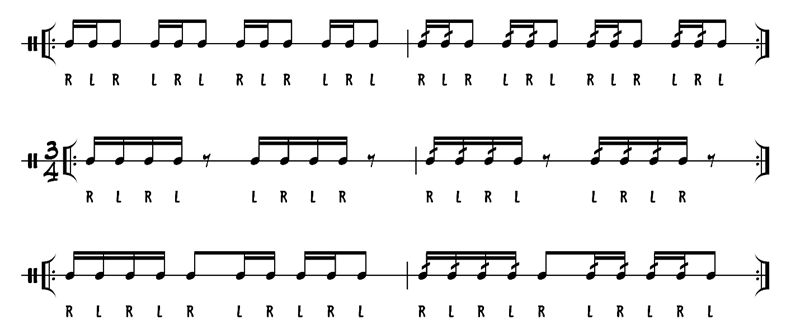
R L R L R L

Here, R means the right hand and L means the left hand. Start at 60 beats per minute. Play one note on each click.

Focus on four goals:

• Equal volume in both hands

• Equal space between each note

• Relaxed wrists

• A steady beat

Do not rush this step. A slow, even pattern gives you the control needed for a clean roll.

2. Use a Metronome

Set the metronome to 60 beats per minute. Play one stroke per click. After that feels easy, play two strokes per click. Then try four strokes per click.

This gradual method is one of the safest ways to learn how to do a drum roll. It builds speed without forcing your muscles to move beyond their control.

Try this practice plan:

  1. Play one stroke per click for one minute.

  2. Play two strokes per click for one minute.

  3. Play four strokes per click for one minute.

  4. Rest for 30 seconds.

  5. Repeat the cycle at a slightly faster tempo.

If the sound becomes uneven, lower the tempo. Speed should follow accuracy, not replace it.

3. Reduce the Stick Height

As the strokes get faster, lower the stick height. Keep the motion small and let the wrist do most of the work.

A common beginner mistake is to use the whole arm. This creates extra movement and causes fatigue. Your forearm may help, but the wrist and fingers should guide most of the motion.

4. Blend the Notes

A basic single-stroke roll may sound like separate notes at first. As you gain speed, the notes begin to connect.

Play softly and listen closely. The goal is not simply to play fast. The goal is to make the spaces between the notes feel even.

Record yourself with your phone. Listen for gaps, uneven accents, or one hand playing louder than the other. This simple check often reveals problems that are hard to notice while playing.

5. Add Accents

Once your strokes are even, add an accent at the start of each group:

R l r l | R l r l

The capital letter shows the accented note. Keep the smaller notes quiet and controlled.

Accents teach your hands to change volume without losing time. This skill helps when you use a drum roll in a song, parade, concert piece, or drum fill.
How to Do a Drum Roll Step by Step
Source: yamaha.com

How to Do a Drum Roll With a Buzz Technique

A buzz roll uses multiple rebounds from each stick. Instead of lifting the stick after every small note, you press gently into the drumhead and allow the stick to bounce several times.

Start with one hand. Place the stick near the center of the drumhead. Drop it from a low height and let it bounce. Do not force the stick into the head.

Next, practice this pattern:

R R R | L L L | R R R | L L L

At first, each hand may produce two or three rebounds. That is enough. Try to make the groups sound similar.

Keep the Buzz Controlled

A good buzz roll is not a wild rattle. The rebounds should be short, even, and controlled. Too much pressure stops the stick from bouncing. Too little control creates loud, scattered hits.

Use these adjustments:

• If the sound is too choppy, allow more rebound.

• If the sound is too loud, reduce your hand pressure.
• If one side buzzes better, slow down and practice that hand alone.

• If the sticks bounce too far, lower the stick height.

Drumhead tension affects the result. A tight snare head usually gives more rebound. A loose or worn head may require a different touch. This is why a roll can feel easy on one drum and difficult on another.

How to Do a Drum Roll With a Buzz Technique
Source: wikihow.com

How to Do a Drum Roll on a Drum Set

On a drum set, you can use a roll on the snare, toms, or cymbals. The technique stays similar, but the sound and purpose change.

A snare roll can build tension before a chorus. A tom roll can lead into a fill. A bass drum roll is common in marching percussion but requires a different approach on a standard drum set.

Try this simple drum set exercise:

  1. Play eight slow single strokes on the snare.

  2. Move the last four strokes to the high tom.

  3. Move the next four strokes to the floor tom.

  4. Finish with a strong crash cymbal and bass drum hit.

Keep the movement between drums smooth. Your sticks should travel the shortest useful distance. Large motions may look exciting, but they can make the fill late.

When learning how to do a drum roll on a drum set, practice the roll alone first. Add the movement between drums only after the basic pattern feels natural.

How to Do a Drum Roll on a Drum Set
Source: youtube.com

Common Drum Roll Mistakes

Many problems come from tension, poor timing, or practicing too fast.

Gripping the Sticks Too Tightly

A tight grip limits rebound. It also creates pain in the fingers, wrists, and forearms.

Hold the stick firmly enough to control it, but loosely enough to let it move. Imagine holding a small bird. You do not want it to escape, but you do not want to crush it.

Playing Too Fast

Fast practice can feel productive, but it often teaches uneven timing. If one hand is weaker, high speed hides the problem for a moment and then makes it worse.

Use a metronome. Increase the tempo only when your roll stays even and relaxed.

Using Too Much Arm Motion

Large arm movements waste energy. Keep the sticks close to the drumhead and let the wrists lead.

Ignoring the Weaker Hand

Most players have one hand that feels less natural. Do not always begin with your stronger hand.

Try starting with the left hand:

L R L R L R

You can also practice the weaker hand alone for one minute. This builds balance and confidence.

Practicing Without Listening

Your ears are as important as your hands. Listen for volume, spacing, tone, and tension.

A good drum roll should sound steady at different volumes. Practice it softly, at medium volume, and with controlled power.

Common Drum Roll Mistakes
Source: drumcenternh.com

A Simple Drum Roll Practice Routine

Use this 15-minute routine four or five days per week.

Minutes 1–3: Warm Up

Play slow single strokes. Focus on relaxed hands and equal volume.

Minutes 4–6: Build Speed

Use a metronome. Play one, two, and four strokes per click. Stop if your timing becomes uneven.

Minutes 7–9: Practice Doubles

Play:

R R L L R R L L

Keep the second stroke of each pair even. Do not allow the first stroke to become too loud.

Minutes 10–12: Practice Buzzes

Use low stick height and gentle pressure. Work on short, controlled rebounds.

Minutes 13–15: Apply the Roll

Use the roll in a short musical phrase. Try a gradual volume increase, known as a crescendo. Then end with a clear accent.

This routine covers control, speed, rebound, and musical use. It is better to practice for 15 focused minutes than to play for an hour while tense.

A Simple Drum Roll Practice Routine
Source: wikihow.com

How to Make a Drum Roll Sound Musical

A drum roll is more than a fast exercise. It has a role in music.

You can shape a roll in several ways:

• Crescendo: Gradually play louder.

• Diminuendo: Gradually play softer.

• Swell: Grow louder, then become soft again.

• Cutoff: Stop the roll together on a clear beat.

• Accent: Bring out one note or beat.

Practice starting the roll quietly. Then increase the volume over four beats. End on beat one with a strong, clean note.

Count out loud if needed:

“One, two, three, four.”

This keeps the roll connected to the music. Without a clear pulse, even a technically fast roll can sound lost.

In concert music, the conductor may show the length and shape of the roll. In a drum set part, the drummer must listen to the band and choose the right volume and length.

How to Make a Drum Roll Sound Musical
Source: drumbeatsonline.com

How Long Does It Take to Learn a Drum Roll?

Many beginners can play a basic alternating roll within a few practice sessions. A smooth, fast roll may take weeks or months, depending on practice habits and the type of roll.

Progress depends on:

• Regular practice

• Good posture

• Relaxed grip

• Slow and accurate repetition

• Listening to your sound

• Correcting weak-hand problems

There is no single deadline. A beginner who practices ten focused minutes each day may improve faster than someone who practices once a week for an hour.

The most important sign of progress is control. If you can play a roll slowly, evenly, and softly, you are building a strong foundation.

How Long Does It Take to Learn a Drum Roll?
Source: youtube.com

Safety and Technique Tips

Drumming should not cause sharp pain. Mild muscle tiredness can happen, but pain is a warning to stop and check your technique.

Use these habits:

• Warm up before fast playing.

• Keep your wrists neutral.

• Take short breaks.

• Avoid squeezing the sticks.

• Wear hearing protection during loud practice.

• Stop if you feel pain, numbness, or tingling.

Hearing protection matters because repeated loud sound can damage hearing over time. Foam earplugs or musician earplugs can lower volume while allowing you to hear your playing.

If pain continues after rest, speak with a qualified health professional. Technique advice cannot replace medical care.

Frequently Asked Questions About How to Do a Drum Roll

How do you do a basic drum roll?

Start by alternating right and left strokes at a slow tempo. Keep the strokes even, relax your wrists, and gradually increase speed with a metronome.

Is a drum roll hard to learn?

A basic roll is manageable for most beginners, but a smooth buzz roll takes time. Slow practice and relaxed hands make the learning process easier.

Should I learn single strokes or buzz rolls first?

Learn single strokes first. They build timing, balance, and control before you add the more advanced rebound technique used in a buzz roll.

Why does my drum roll sound uneven?

An uneven roll often comes from one hand being weaker, practicing too fast, or gripping the sticks too tightly. Slow down, use a metronome, and practice each hand separately.

How fast should a drum roll be?

There is no single correct speed. Start at a tempo where every note sounds even, then increase the speed only when you can stay relaxed and controlled.

Can I practice a drum roll without a drum?

Yes. You can practice the motion on a practice pad, pillow, or firm surface. A pillow gives little rebound, so it helps build hand motion, while a practice pad better develops rebound control.

How do I make a drum roll louder?

Raise the stick height slightly and use more controlled motion rather than squeezing harder. Keep the roll even, and increase volume gradually instead of striking with force.

Conclusion

Learning how to do a drum roll starts with simple alternating strokes, relaxed hands, and steady timing. From there, you can build speed, add rebound, practice buzzes, and shape the roll with musical control.

Use a metronome, record your playing, and give your weaker hand extra attention. Practice a little each day, stay patient, and focus on a smooth sound before chasing speed. Try these steps on your drum or practice pad today, then share your progress or explore more beginner drumming exercises.

Similar Posts

Leave a Reply

Your email address will not be published. Required fields are marked *