How Many White Keys Are On A Piano: The 2026 Guide
A standard full-sized piano features exactly 52 white keys, which work alongside 36 black keys to complete the keyboard.
Whether you are a beginner picking up your first instrument or a lifelong player, understanding the layout of the keys is the first step toward mastery. Over my years of teaching music, I have found that many beginners feel overwhelmed by the number of keys. The good news is the pattern of how many white keys are on a piano is logical and repeatable. By breaking down the structure, you can demystify the instrument fast. You will gain the confidence to start—or to improve—your musical journey. Let us look closer at why this specific number exists and what it means for your playing experience.

Understanding the Standard Piano Keyboard
The traditional acoustic piano is a marvel of engineering. Most modern pianos feature a full 88-key layout. This design has been the industry norm since the late 1800s. Out of those 88 keys, 52 are white. These white keys represent the natural notes in Western music. When you ask how many white keys are on a piano, you are also asking about the backbone of the C major scale.
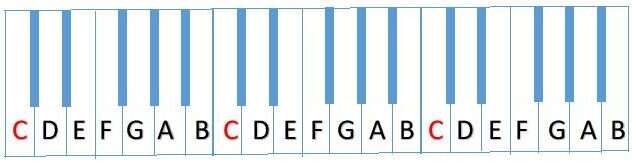
Those white keys correspond to the notes C, D, E, F, G, A, and B. They repeat across the keyboard in a pattern called an octave. Each octave contains seven white keys and five black keys. This repeating pattern is what makes the keyboard easy to learn by feel. I still remember counting them when I first sat at a piano. Soon, muscle memory took over. Your fingers will learn the layout faster than your mind.
Why 52 white keys? A simple explanation
There are 7 white keys per octave. A full 88-key piano spans 7 full octaves plus a minor third. Multiply 7 white keys by the number of octaves and add the extras at the ends. That math gives you 52 white keys. It is a design choice that balances range and playability. It gives composers and performers enough low and high notes without making the instrument too large.
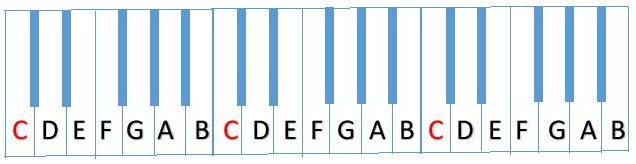
The Relationship Between White and Black Keys
While we are focusing on how many white keys are on a piano, we should not ignore the black keys. There are 36 black keys on a full piano. These black keys represent sharps and flats. Together, the white and black keys form a chromatic scale. The chromatic scale includes all 12 notes in an octave.
This mix of white and black keys gives the piano a wide range and great versatility. The white keys act as anchor notes. They make it easy to hear a tonal center, such as C major. The black keys let you play in other keys and add color with sharps and flats. Composers use both sets to build melody, harmony, and complex textures.
How the layout helps your hands
Your thumbs and fingers naturally find the white keys first. White keys are wider and sit level with the keyboard surface. Black keys are short and raised. This shape makes the white keys feel like “home base” for your hands. I tell my students to return to the white keys when they feel lost. It helps them reorient quickly during practice and performance.
Related terms and concepts
- Octave: the distance between two notes with the same name.
- Chromatic scale: all 12 pitches in an octave, including sharps and flats.
- C major scale: the natural notes with no sharps or flats (C–D–E–F–G–A–B).
- Middle C: the C near the center of an 88-key piano.
- Upright vs. grand piano: both usually have 88 keys but differ in action and tone.
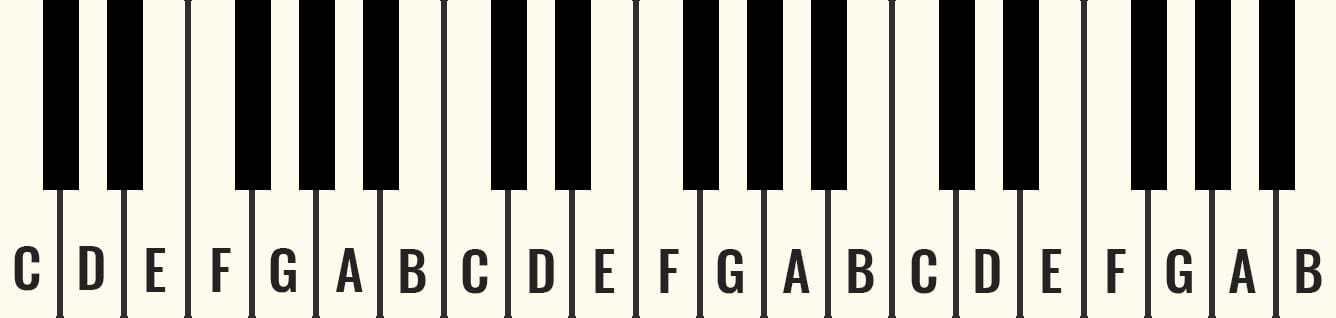
Why Key Count Varies in Different Models
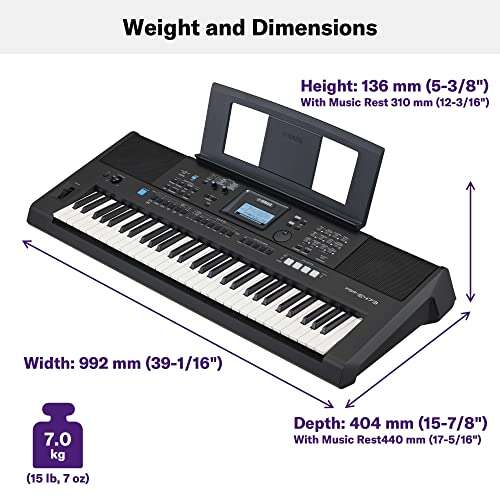
Not every instrument you meet will have all 88 keys. Many digital keyboards and small pianos come with fewer keys. Common sizes are 61 and 76 keys. These are smaller and lighter. They save space and cost less. The pattern of white and black keys stays the same. The notes are simply truncated at the low or high ends.
For beginners, a 61-key keyboard often covers the basic range needed for lessons. You can practice scales, chords, and simple songs on it. But advanced classical pieces may need the full 88-key range. If you want to play large-scale works by Liszt or Rachmaninoff, the extra white keys matter. Think about your goals. If you want to play pop, jazz, or basic classical, a 61 or 76-key keyboard can be fine. If you want full repertoire access, aim for a full-sized keyboard.
Digital vs. acoustic: how range and feel differ
Digital pianos, MIDI controllers, and synthesizers can emulate 88 keys even if the unit has fewer physical keys. They do this with octave-shift buttons or split modes. Acoustic pianos—grand and upright—have real strings, a soundboard, and a hammer action. The sound and touch differ. The number of white keys does not change the sound quality directly. The sound depends on materials and build: strings, soundboard, hammers, and the instrument’s design.
Practical buying tips
- If you want a portable practice tool, a 61-key or 76-key keyboard can work.
- If you plan to study classical repertoire seriously, get an 88-key instrument.
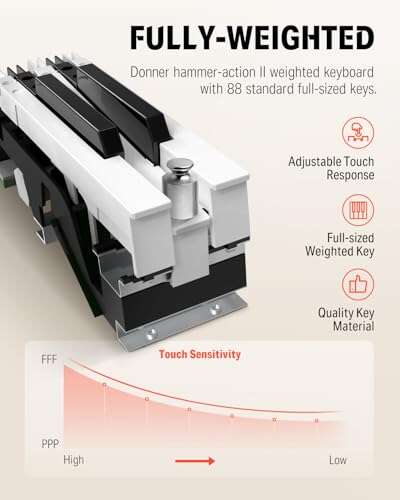
- For realistic touch and tone, look for weighted keys and graded hammer action on digital pianos.
- Try an acoustic piano in person to feel the key action and see the tonal range.

Frequently Asked Questions
Is every piano built with 52 white keys?
Most modern full-sized pianos have 52 white keys. Smaller keyboards and portable digital pianos often have fewer keys to save space. The total count depends on whether the instrument is an 88-key model or a truncated version.
Why are there more white keys than black keys?
The white keys map to the notes of the C major scale. That scale uses seven natural notes. The black keys serve as the chromatic modifiers. They give access to sharps and flats. Together they let you play in any key and create full chromatic music.
Can I play all songs if I have fewer than 52 white keys?
You can play most popular songs on a smaller keyboard. Many melodies do not need the extreme high or low notes. However, some advanced classical works require the full 88-key range to sound and function correctly.
Does the number of white keys affect the sound?
The number of keys does not directly change tone quality. It does change the instrument’s available range. Sound quality depends on build: strings, soundboard, hammer action, and materials in an acoustic piano. For digital pianos, sample quality and speaker design matter.
How do I identify middle C on the white keys?
You can find middle C by locating the set of two black keys near the keyboard’s center. The white key immediately to the left of those two black keys is middle C. On an 88-key piano, middle C sits near the center of the keyboard and is often labeled on beginner keyboards.
Quick practice tips to learn the layout
- Count the white keys in groups of seven to see the octave pattern.
- Find all the C notes by locating the white key left of the two black keys. Play them up and down the keyboard.
- Practice scales in C major first. No sharps or flats make it easier.
- Use simple songs that move by step to build muscle memory.
Conclusion
Knowing how many white keys are on a piano is more than trivia. It helps you understand the instrument’s layout. With 52 white keys guiding your fingers, you have the standard range needed for most music. Whether you play a grand piano, an upright, or a compact digital keyboard, the patterns stay the same. They are waiting for you to bring them to life.
Take time to practice scales and get comfortable with the spacing of these keys. Short, daily practice sessions work best. Once you stop counting and start listening and feeling the keys, progress comes faster. If you enjoyed this deep dive, feel free to leave a comment below or explore more of our guides on piano technique to keep improving your skills.

Senior Music Reviewer
Alex Carter is a seasoned music reviewer with over a decade of experience in the world of sound and instruments. Passionate about helping musicians and enthusiasts make informed choices, he brings sharp insights and in-depth knowledge to every review. From classical instruments to modern gear, Alex combines technical expertise with a love for music to deliver content that resonates with readers.
As a Senior Music Reviewer and expert author on Tuneluma.com, Alex is dedicated to sharing honest evaluations, practical advice, and thoughtful commentary to guide readers in their musical journey.