Should I Get A Acoustic Electric Guitar: Is It Worth It?
Yes, an acoustic-electric guitar is a smart choice if you want both unplugged warmth and amplified sound.
If you are asking, “should i get a acoustic electric guitar,” the answer depends on your playing goals, budget, space, and comfort. I have seen many new players buy one too soon, while others wish they had chosen an acoustic-electric from the start. This guide will help you weigh the sound, cost, features, and real-world benefits before you buy.
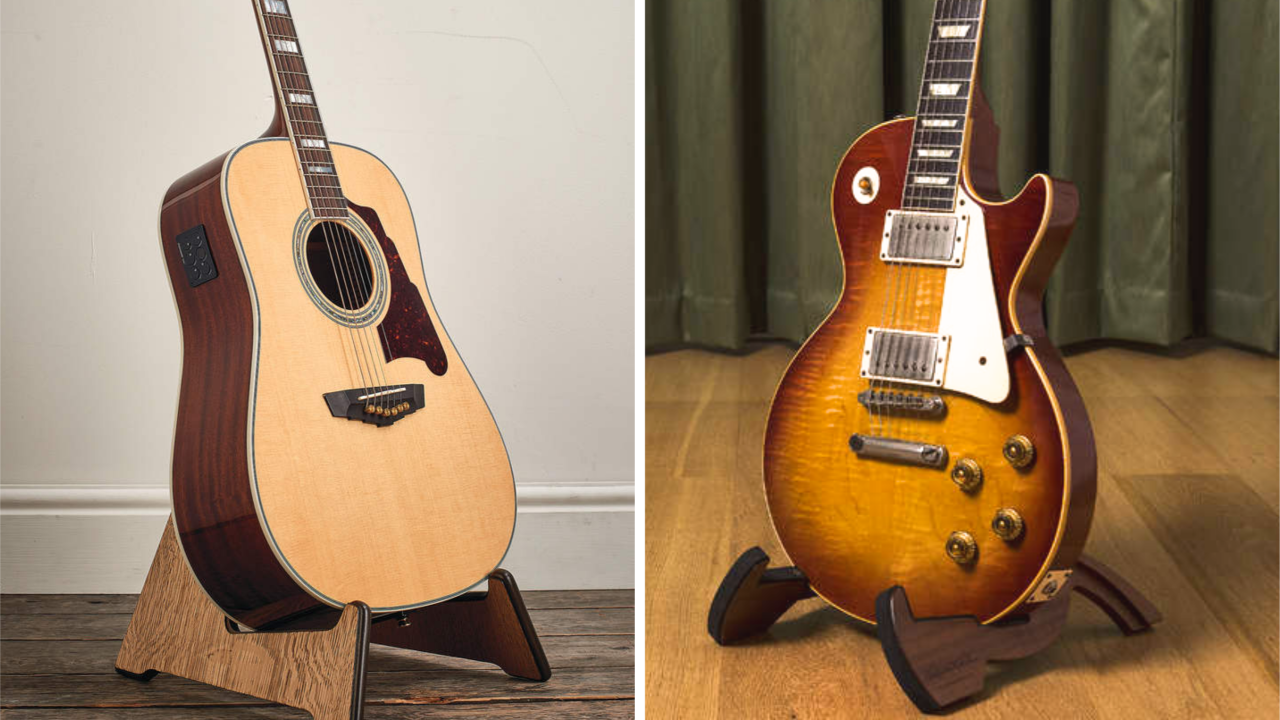
What Is an Acoustic-Electric Guitar?
An acoustic-electric guitar is a regular acoustic guitar with built-in electronics. You can play it without an amp, just like a standard acoustic guitar. You can also connect it to an amplifier, PA system, audio interface, or mixer.
The built-in system usually includes three parts:
• A pickup that captures the string sound
• A preamp that shapes and boosts the signal
• A control panel with volume and tone settings
Some models also include a tuner. Many use an undersaddle piezo pickup, while others use an internal microphone or a blend of both. Each design changes the guitar’s plugged-in tone.
When people ask, “should i get a acoustic electric guitar,” they often think it is only for stage players. That is not true. It can help home players record demos, practice with headphones, join a worship group, or play at small gatherings.

Should I Get a Acoustic Electric Guitar or a Regular Acoustic?
For many players, the choice comes down to flexibility. A regular acoustic guitar may offer the best value if you only plan to play at home. An acoustic-electric guitar may be better if you want room to grow.
A regular acoustic guitar has fewer parts that can fail. It may also cost less because it does not include a pickup or preamp. If you never plan to plug in, spending extra on electronics may not be useful.
An acoustic-electric guitar gives you more options. You can play quietly at home, then connect to sound equipment when needed. This makes it a useful “one guitar” choice for beginners, songwriters, and casual performers.
Ask yourself these questions:
• Will I perform for other people?
• Do I want to record guitar into a computer?
• Will I play with singers or other instruments?
• Do I want one guitar that can handle many situations?
• Can I afford a good setup and an amplifier or cable?
If you answer yes to even two or three of these questions, an acoustic-electric guitar may be worth the extra cost.
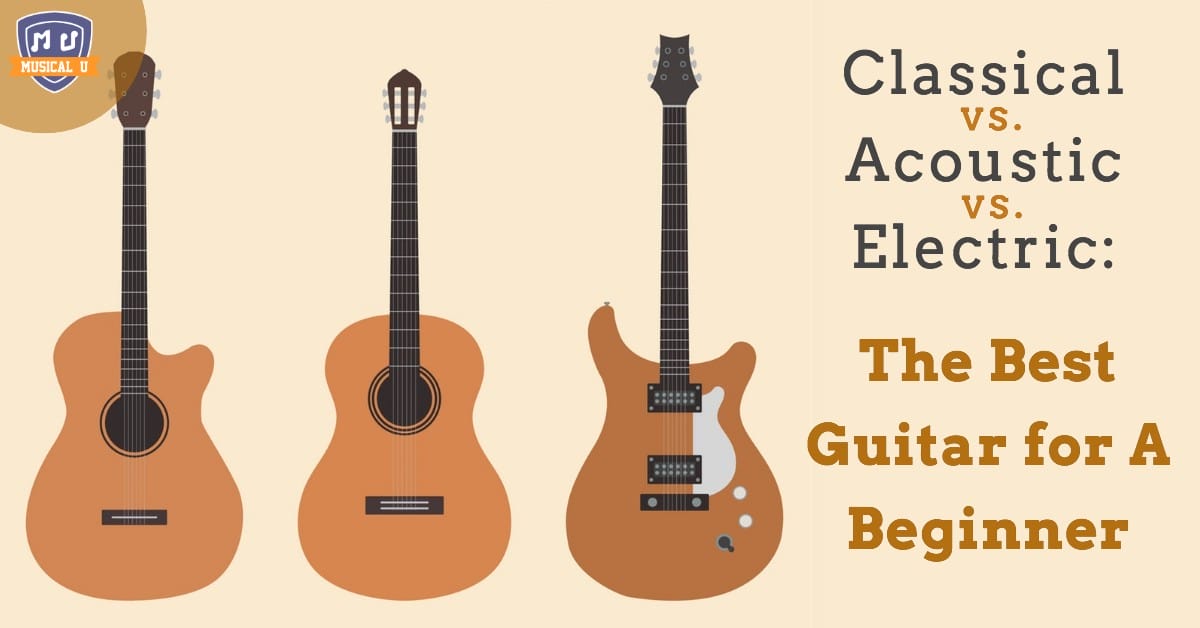
Main Benefits of an Acoustic-Electric Guitar
The biggest benefit is flexibility. You get the natural sound of an acoustic guitar and the option to amplify it when the room becomes too large.
Easy Performance
An acoustic guitar can sound quiet in a group. A singer, keyboard, or drum set can quickly cover it. With an acoustic-electric guitar, you can plug into a PA system and keep your sound clear.
You still need to learn basic amplification skills. Start with a clean channel, set the volume low, and raise it slowly. This helps prevent feedback and protects your ears.
Better Recording Options
You can record an acoustic-electric guitar through an audio interface. This is often faster than placing a microphone in front of the guitar.
A direct recording may sound clean, but it can also sound thin. Many players improve the tone with a microphone, EQ, reverb, or a blend of pickup and microphone signals.
Useful for Songwriters
Songwriters often need to capture an idea quickly. Plugging in can make it easier to record a vocal and guitar part before the idea disappears.
An acoustic-electric guitar also works well with a loop pedal. You can record chords, add a rhythm part, and practice melody over the top.
More Room to Grow
Beginners often change their goals. You may start by playing in your bedroom and later join a band, church group, open mic, or school event.
This is one reason many players ask, “should i get a acoustic electric guitar” before buying their first instrument. A flexible guitar can support your next step without forcing you to buy another guitar right away.
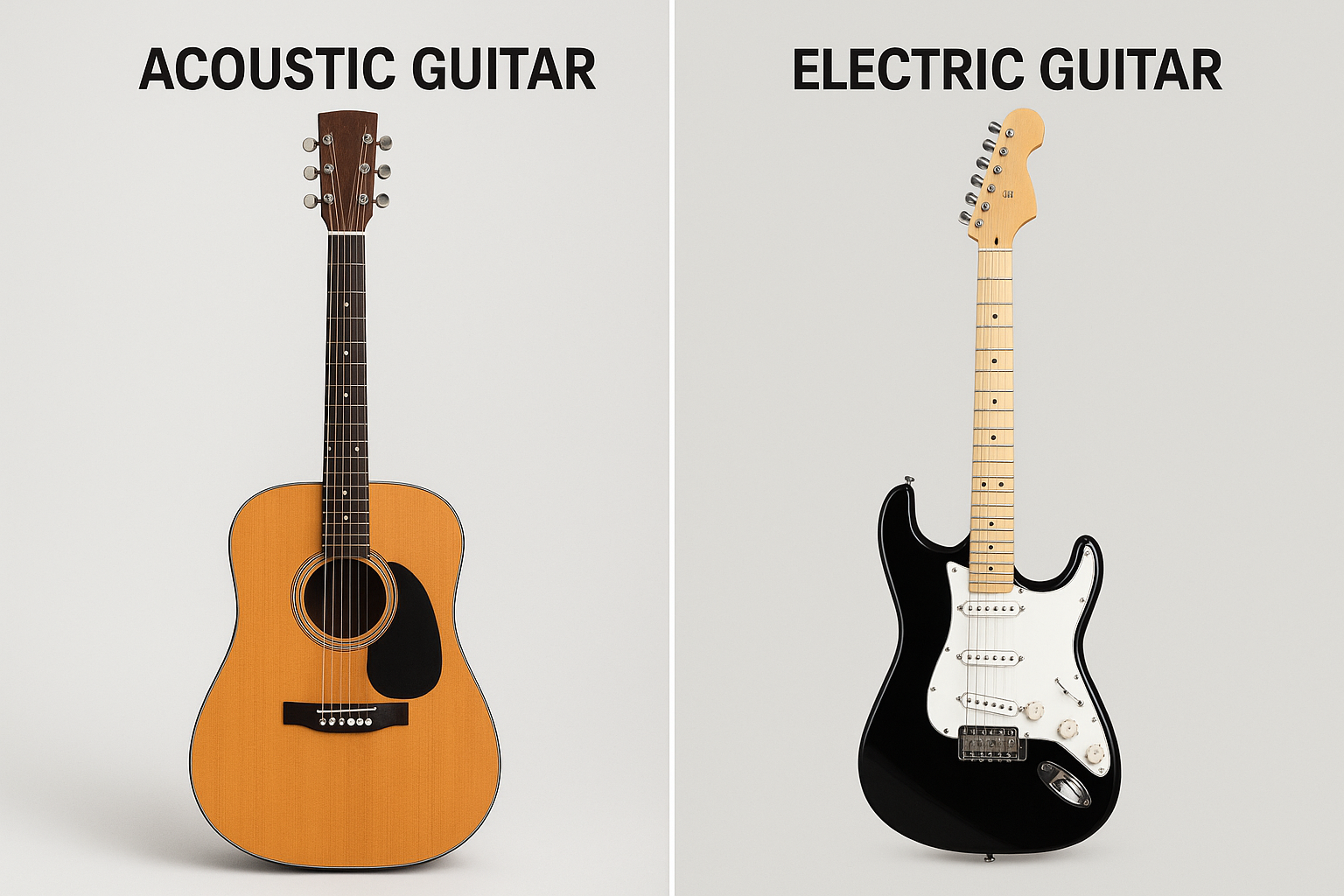
Limitations You Should Know
An acoustic-electric guitar is not automatically better than a regular acoustic. It is simply more flexible. That flexibility comes with a few trade-offs.
Higher Cost
The electronics add to the price. A low-cost acoustic-electric guitar may have weak tuners, poor fretwork, or a harsh pickup. A well-made regular acoustic may sound better than a cheap acoustic-electric model.
For beginners, build quality matters more than extra features. A guitar that feels comfortable will help you practice more often.
Battery Dependence
Many preamps use a nine-volt battery. If the battery dies, the guitar may not work through an amp. The unplugged acoustic sound will still work, but you lose the electronic function.
Keep a spare battery in your case. Remove the cable after playing because some systems drain power while a cable remains connected.
Feedback
Feedback happens when amplified sound enters the guitar and loops back through the system. It can create a loud, sharp howl.
Feedback is more likely in small rooms, near loud speakers, or at high volume. Moving away from the speaker and lowering the bass or volume often helps.
Plugged-In Tone May Sound Different
The sound from a pickup is not always the same as the sound you hear in the room. An undersaddle pickup may sound bright or artificial without careful EQ.
This does not mean the guitar is poor. It means the pickup hears vibration in a different way than your ears hear the whole guitar body.

Who Should Buy an Acoustic-Electric Guitar?
An acoustic-electric guitar can suit many types of players. The key is knowing what you expect from the instrument.
Beginners
A beginner should choose an acoustic-electric guitar if the extra cost does not reduce comfort or quality. A well-set-up guitar with easy string action is more important than having a large control panel.
If the electronics make the guitar too expensive, buy a better regular acoustic instead. You can add a pickup later.
Singer-Songwriters
Singer-songwriters often benefit from an acoustic-electric guitar. It lets them play with a microphone, connect to a PA, and record direct into basic equipment.
A cutaway body can also help if you play higher notes. However, a cutaway may slightly change the body’s volume and low-end response.
Gigging Musicians
Performers usually need an acoustic-electric guitar. A microphone can sound natural, but it may move, pick up background noise, or cause feedback during a live show.
A built-in pickup offers a faster and more consistent setup. Many professional players still use an external microphone when the venue and sound system allow it.
Home Players
Home players do not need electronics unless they plan to record or use an amp. Still, the feature can be helpful for learning how live sound works.
If you enjoy experimenting with effects, an acoustic-electric guitar can make practice more engaging. A small acoustic amp can add reverb, chorus, and other useful sounds.

How to Choose the Right Acoustic-Electric Guitar
If you decide that you should get a acoustic electric guitar, focus on the parts that affect comfort and sound first.
Choose a Comfortable Body Shape
Common body styles include:
• Dreadnought: Full bass and strong volume, but larger for smaller players
• Concert: Balanced tone and comfortable size
• Grand auditorium: Versatile shape for strumming and fingerstyle
• Parlor: Small body with a focused, vintage-style sound
• Cutaway models: Easier access to higher frets
Sit with the guitar before buying if possible. Your right arm should rest naturally, and your left hand should reach the first few frets without strain.
Check the Neck and String Action
String action is the distance between the strings and the frets. High action can make a guitar hard to play. Very low action can cause buzzing.
A professional setup can fix many problems. Do not reject a good guitar only because it needs a basic setup. However, severe neck issues, lifting bridges, or cracked braces are warning signs.
Test the Unplugged Sound
Play open chords, single notes, and light fingerpicking. Listen for:
• Clear notes
• Even volume across the strings
• Strong but controlled bass
• No buzzing or rattling
• Good sustain
The unplugged tone should please you first. Electronics cannot fully repair a guitar that sounds weak or feels uncomfortable.
Test the Electronics
Plug the guitar into an amp at a low volume. Turn every control slowly. Check for crackling, sudden volume changes, and weak output.
Test the tuner as well. Built-in tuners are convenient, but some are less accurate than a separate clip-on tuner.
Consider the Pickup Type
Piezo pickups sit under the saddle. They are common and resist feedback, but they can sound bright or compressed.
Internal microphones often sound more natural. They may also pick up more room noise and feedback.
Blended systems combine a piezo pickup with a microphone. They offer more control but often cost more and require more careful setup.

What Accessories Do You Need?
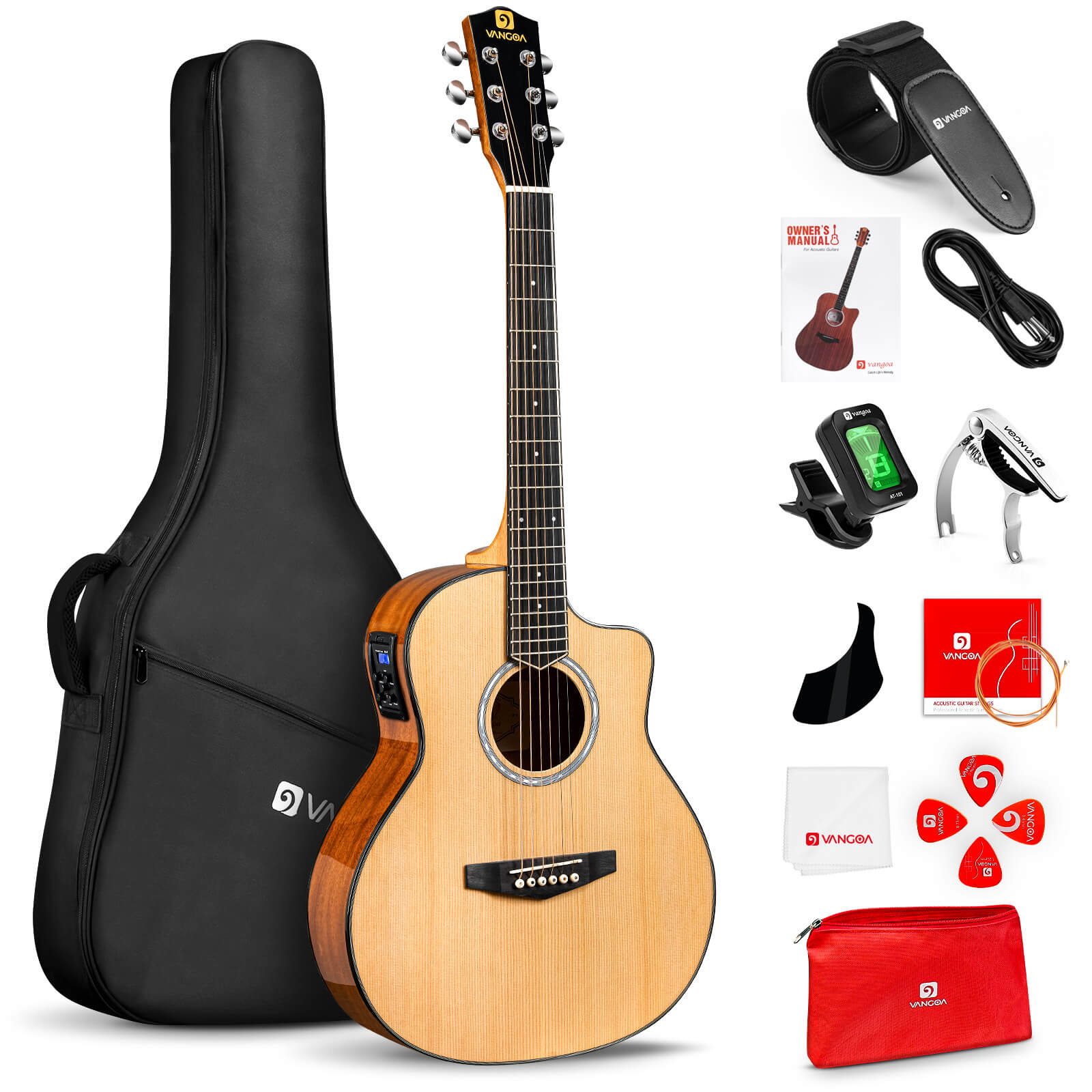
Buying the guitar is only part of the cost. A few simple accessories will protect it and make playing easier.
Plan for these items:
• A padded gig bag or hard case
• A digital tuner
• A spare set of strings
• A guitar cable with the correct plug
• A strap
• Picks of different thicknesses
• A small acoustic amplifier if you plan to perform
• A humidity monitor if you live in a dry climate
Wood can shrink or swell when humidity changes. Extreme dryness may lead to fret ends, cracks, or bridge problems. Store the guitar away from heaters, direct sunlight, and damp areas.
You do not need to buy every accessory on day one. Start with a case, tuner, strings, and cable. Add other tools as your needs become clear.

How Much Should You Spend?
A useful budget depends on your goals. Very cheap guitars can work, but quality control is less consistent at the lowest prices.
A practical budget range looks like this:
• Under $300: Basic beginner instruments with simple electronics
• $300 to $700: Better materials, improved playability, and more reliable pickups
• $700 to $1,500: Stronger construction, better tonewoods, and refined electronics
• Above $1,500: Professional features, premium materials, and detailed craftsmanship
These ranges are general. Brand, wood type, labor, and market changes can affect the price.
Do not spend your whole budget on the guitar alone. Leave room for a setup, case, strings, and a cable. A $500 guitar with a good setup may feel better than a $700 guitar that needs repairs.
Common Mistakes to Avoid
Many guitar buyers focus on appearance first. A shiny finish, decorative binding, or famous logo can distract from comfort and construction.
Avoid these mistakes:
• Buying a guitar that feels too large
• Choosing the lowest price without testing playability
• Ignoring fret buzz
• Forgetting to test the plugged-in sound
• Leaving the battery inside for months
• Buying without checking the return policy
• Assuming a cutaway always creates better access
• Using a loud electric guitar amp with an acoustic pickup
One lesson I often share with new players is simple: choose the guitar you will want to pick up tomorrow. A beautiful instrument that hurts your hand will spend more time in its case.
Try at least three guitars before making a decision. Play the same chords on each one. This makes differences in neck shape, action, and tone easier to notice.
Acoustic-Electric Guitar Setup and Care
A proper setup can improve tuning, comfort, and tone. A guitar technician may adjust the neck relief, string height, saddle, nut, and intonation.
New players often think finger pain means the guitar is bad. Some soreness is normal at first, but sharp pain or extreme pressure may point to high action or poor technique.
Care for your guitar with a few simple habits:
• Wash and dry your hands before playing
• Wipe the strings after each session
• Change strings when they sound dull or feel rough
• Keep the guitar in its case when not in use
• Check the battery every few months
• Avoid sudden heat and cold
• Use a humidifier when conditions are very dry
Replace strings based on use. A frequent player may change them every few weeks, while a casual player may go several months.
Is an Acoustic-Electric Guitar Good for Beginners?
Yes, an acoustic-electric guitar can be excellent for beginners. It gives you a normal acoustic experience while leaving the door open for recording and performance.
The main risk is spending too much on electronics while ignoring feel. Beginners need a guitar with comfortable action, stable tuning, and a neck that feels easy to hold.
If you are still unsure whether you should get a acoustic electric guitar, visit a local music store. Ask an employee to play the guitar while you listen from a few feet away. This helps you hear the instrument more clearly than when you are focused on playing it.
Should I Get a Acoustic Electric Guitar for Recording?
You should get a acoustic electric guitar for recording if you want fast demos or simple home sessions. Direct recording is easy, and you can begin with a low-cost audio interface.
However, a microphone may capture a more natural guitar sound. The best method depends on your room, microphone, playing style, and recording goals.
For a clean home setup, place the microphone near the 12th fret rather than directly in front of the sound hole. This often gives a more balanced tone. If you record through the pickup, use light EQ and add a small amount of room reverb.
Should I Get a Acoustic Electric Guitar for Live Shows?
You should get a acoustic electric guitar for live shows because it is easier to connect to a PA system. It also gives the sound engineer more control over your volume and tone.
Before your first show, practice plugging in, tuning, setting volume, and muting the guitar. Learn how to reduce feedback by moving away from speakers and lowering bass or volume.
A DI box can help connect the guitar to some sound systems. Many modern acoustic amps also include a DI output, effects, and feedback control.
Should I Get a Acoustic Electric Guitar or Buy a Pickup Later?
Buying a regular acoustic guitar and adding a pickup later can save money if you are unsure about performing. It also lets you choose a pickup that matches your sound and budget.
The downside is that installation may cost extra. Some pickups require drilling, saddle work, or changes to the guitar.
If you already know you will perform, buying an acoustic-electric guitar from the start is often simpler. If your plans are unclear, a high-quality regular acoustic may be the safer first purchase.
Frequently Asked Questions About Should I Get a Acoustic Electric Guitar
Is an acoustic-electric guitar harder to play?
No. It plays like a regular acoustic guitar when it is unplugged. The electronics add controls, but they do not usually change the basic playing technique.
Can I play an acoustic-electric guitar without an amp?
Yes. You can play it without an amp, cable, or battery-powered preamp. The guitar will work as a normal acoustic instrument.
Does an acoustic-electric guitar sound better than a regular acoustic?
Not always. The unplugged sound depends on the wood, body shape, construction, and setup, while the amplified sound depends heavily on the pickup and preamp.
Do I need an acoustic amp?
You do not need one for basic practice. You may want an acoustic amp for live playing because it is designed to preserve the guitar’s natural tone and reduce feedback.
How long does an acoustic-electric guitar battery last?
Battery life varies by preamp and use. Many batteries last for several months or longer, but you should unplug the cable after playing and keep a spare battery available.
Is a cutaway acoustic-electric guitar better?
A cutaway makes high fret access easier, but it is not automatically better. Choose one if you often play lead lines or higher chords; otherwise, a non-cutaway body may offer a fuller acoustic response.
What is the best acoustic-electric guitar for a beginner?
The best model is one that feels comfortable, stays in tune, has low but clean string action, and fits your budget. A reliable midrange guitar with a professional setup is often a better choice than a feature-heavy bargain model.
Conclusion
So, should i get a acoustic electric guitar? Choose one if you want a flexible instrument for home practice, recording, open mics, church groups, or live performances. Choose a regular acoustic guitar if you only need unplugged playing and want to put more money into basic build quality.
Test the guitar in person when possible. Check comfort, tuning stability, fret condition, unplugged tone, and plugged-in sound before you buy. The right instrument should make practice feel inviting, not like a chore.
Take your time, compare a few models, and ask a qualified guitar technician for help if you are unsure. Once you find a comfortable guitar, start learning songs, record your progress, and share your experience with other players.

Senior Music Reviewer
Alex Carter is a seasoned music reviewer with over a decade of experience in the world of sound and instruments. Passionate about helping musicians and enthusiasts make informed choices, he brings sharp insights and in-depth knowledge to every review. From classical instruments to modern gear, Alex combines technical expertise with a love for music to deliver content that resonates with readers.
As a Senior Music Reviewer and expert author on Tuneluma.com, Alex is dedicated to sharing honest evaluations, practical advice, and thoughtful commentary to guide readers in their musical journey.