How Many Notes On A Piano: Key Facts
A standard piano has 88 notes: 52 white keys and 36 black keys across seven octaves.
If you have ever looked at a piano and wondered how many notes on a piano are available, the answer depends on the instrument. Most modern acoustic and digital pianos have 88 keys, but smaller keyboards and rare concert grands may offer fewer or more. This guide explains the piano note count, key layout, octave range, and the musical ideas behind those familiar black and white keys.
How Many Notes on a Piano?
A standard piano has 88 keys and can play 88 distinct pitches. These keys cover a range from A0, the lowest note, to C8, the highest note.
The 88 notes include:
• 52 white keys
• 36 black keys
• 12 repeated pitch names across different octaves
• A range of just over seven octaves
So, when people ask how many notes on a piano, they usually mean how many keys a standard piano has. In everyday use, the terms “notes” and “keys” often overlap. Technically, a key is the part you press, while a note is the sound that key produces.
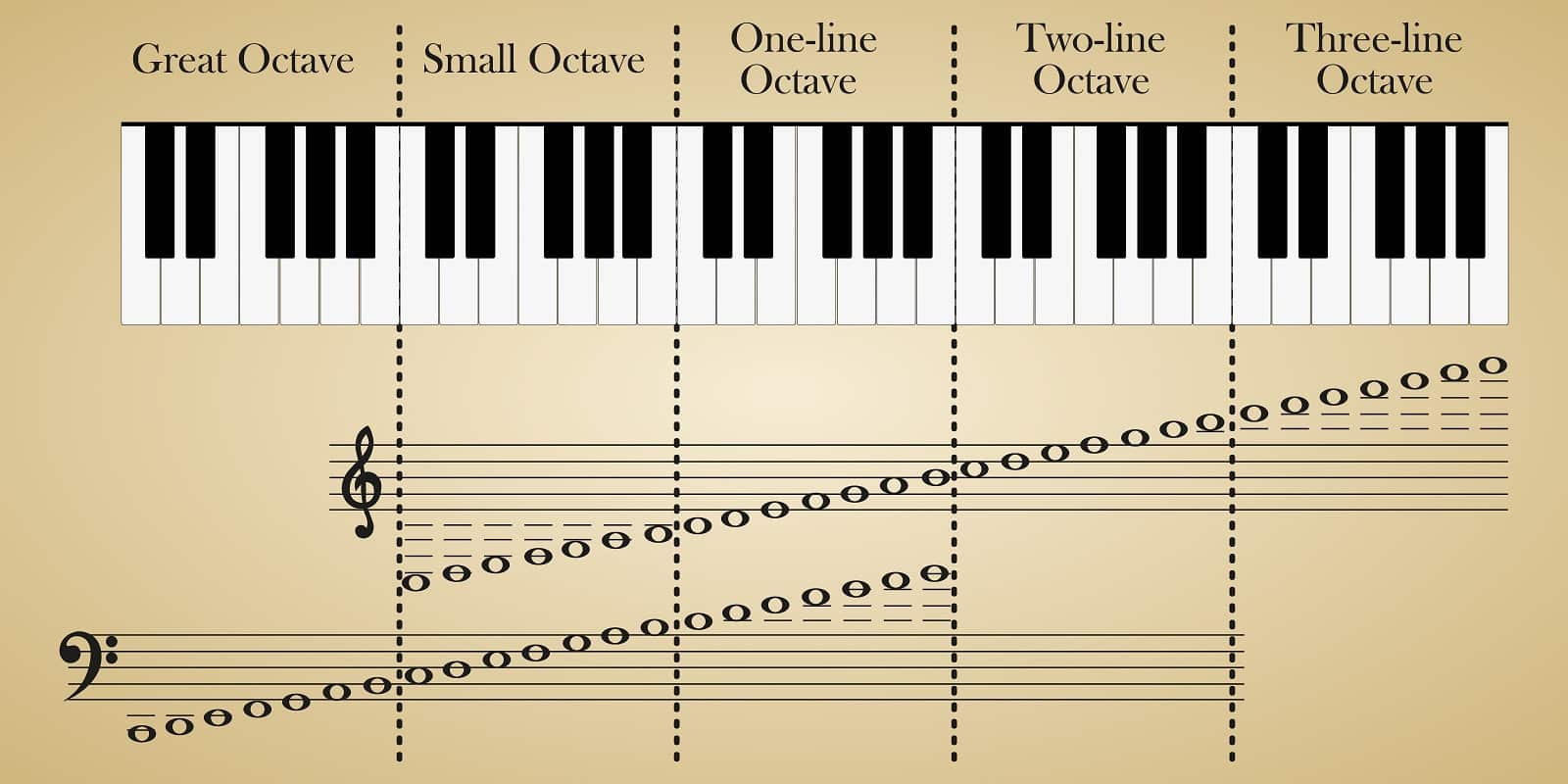
A piano has seven full octaves plus a minor third. An octave is the distance between one note and the next note with the same name. For example, the distance from middle C to the next C is one octave.
Why Does a Standard Piano Have 88 Keys?
The modern 88-key piano developed from years of changes in piano design, music, and performance practice. Early keyboard instruments had fewer keys because composers did not yet need such a wide pitch range.
As piano music became more complex, composers began writing lower bass notes and higher treble notes. Piano makers expanded the keyboard to meet those demands. By the late 19th century, 88 keys had become the common design for concert and home pianos.
The range of a standard piano is useful because it covers:
• Deep bass notes for power and rhythm
• Middle notes for chords and melodies
• High notes for bright themes and musical detail
The 88-key layout gives pianists a large musical canvas. It is similar to having a full box of colors. The lower notes sound dark and rich, while the higher notes sound light and clear.
In my experience teaching basic keyboard layout, beginners often expect every key to look different. Instead, the pattern repeats. Once you learn that pattern, finding any note becomes much easier.
How Are the 88 Piano Keys Organized?
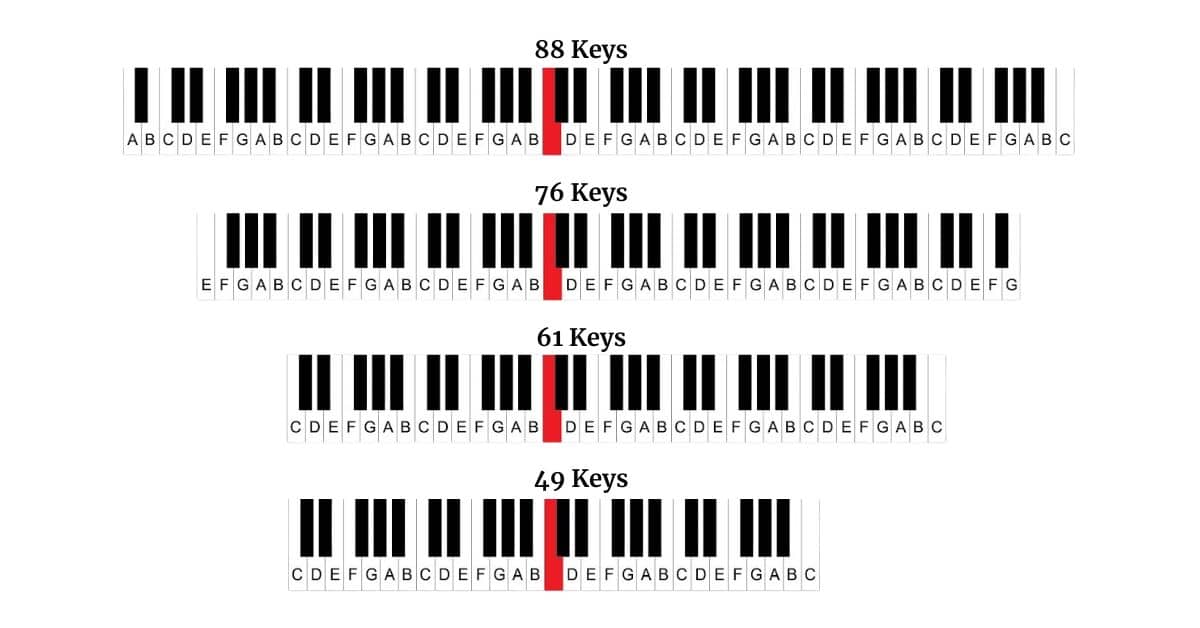
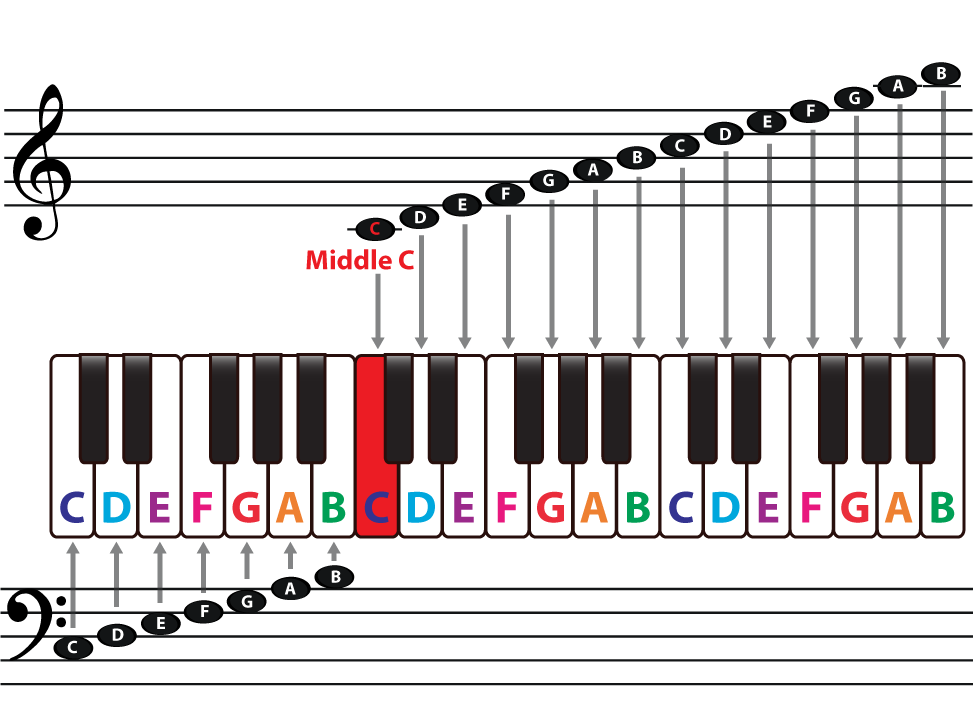
The keys on a standard piano follow a repeating pattern of seven white notes and five black notes. The white notes are A, B, C, D, E, F, and G. After G, the pattern starts again at A.
The black keys represent sharp and flat notes. Their names depend on the musical context. For example, the black key between C and D can be called C-sharp or D-flat.
The black-key pattern is easy to recognize:
• Two black keys appear together
• Three black keys appear together
• This two-and-three pattern repeats across the keyboard
The two black keys help you locate C. C is the white key immediately to the left of a group of two black keys. This simple visual trick works on nearly every piano and keyboard.
The white keys are not all separated by the same distance in pitch. There is a whole step between most neighboring white keys, but there is only a half step between:
• B and C
• E and F
That is why no black key appears between B and C or between E and F.

What Are the Lowest and Highest Notes on a Piano?
On a standard 88-key piano, the lowest note is A0. The highest note is C8.
A0 has a very low frequency of about 27.5 hertz. C8 has a frequency of about 4,186 hertz. These notes sit at opposite ends of the piano’s range and create a broad musical spectrum.
The lowest section of the piano is called the bass register. It produces deep tones that can feel heavy, warm, or powerful. The highest section is called the treble register. It produces bright tones that often carry melodies.
Middle C is known as C4 in scientific pitch notation. It sits near the center of the keyboard, although it is not the exact middle key. On an 88-key piano, middle C is the 40th key from the left.
A piano’s full range is one reason it remains so useful. It can play bass lines, chords, melodies, and harmony at the same time. Few single instruments cover such a wide range.

How Many White and Black Notes Are on a Piano?
A standard piano contains 52 white keys and 36 black keys. Together, they make 88 keys.
The white keys play the natural notes:
• A
• B
• C
• D
• E
• F
• G
The black keys play the notes between most natural notes. They may be called sharps or flats:
• A-sharp or B-flat
• C-sharp or D-flat
• D-sharp or E-flat
• F-sharp or G-flat
• G-sharp or A-flat
There are five black keys in each octave pattern. The white-key pattern repeats seven natural notes at a time. This means the keyboard has more white keys than black keys.
A common mistake is to count the black and white keys as completely separate note systems. They are part of the same chromatic scale. The chromatic scale uses all 12 notes within an octave, including natural notes, sharps, and flats.

How Many Different Notes Are on a Piano?
This question has two answers.
A standard piano has 88 keys and 88 playable pitches. However, it does not have 88 completely different note names. The same seven note names repeat across several octaves.
The 12 pitch classes are:
• A
• A-sharp or B-flat
• B
• C
• C-sharp or D-flat
• D
• D-sharp or E-flat
• E
• F
• F-sharp or G-flat
• G
• G-sharp or A-flat
These 12 pitch classes repeat at higher and lower frequencies. For example, the piano contains several versions of C. Each C has the same basic note name, but each one belongs to a different octave.
This is similar to having several people with the same first name. The name stays the same, but each person is different. On a piano, the note name repeats, while the pitch register changes.
Do All Pianos Have 88 Notes?
No. Although 88 keys is the standard, not every piano has 88 keys.
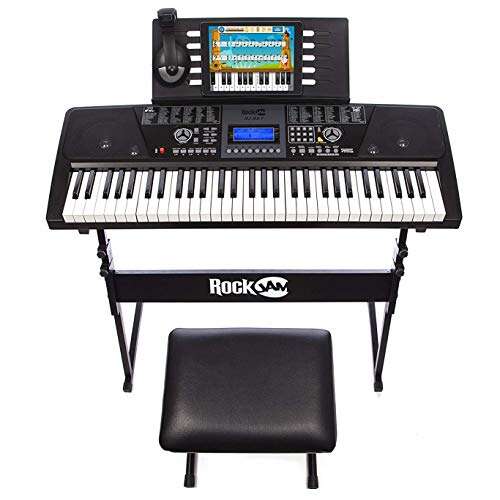
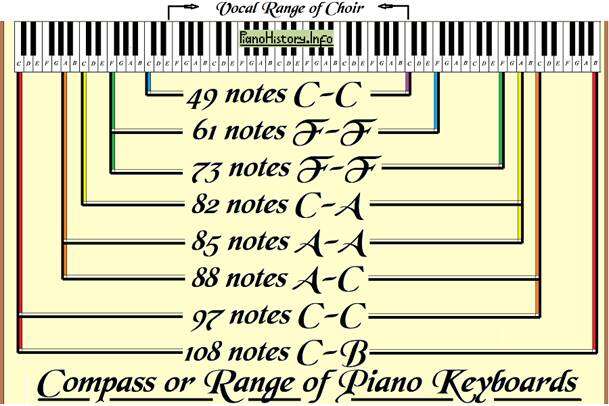
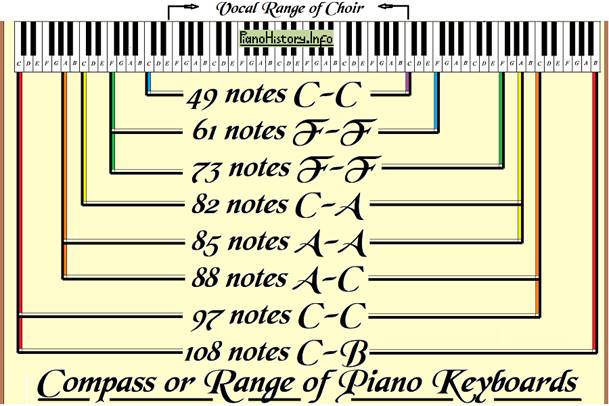
Some smaller pianos have 61, 66, or 76 keys. These instruments are often made for beginners, children, compact rooms, or portable use. They may not include the full bass and treble range of a concert piano.
Some older pianos have 85 keys. This was once a common layout before the 88-key design became widely accepted.
A few large concert grand pianos have more than 88 keys. For example, some extended-range grands have 92 or 97 keys. These extra keys add lower bass notes and are mainly used for special musical works or expanded tonal effects.
Here is a simple comparison:
• 61 keys: common on beginner keyboards
• 76 keys: useful for intermediate players
• 85 keys: found on some older pianos
• 88 keys: standard for most acoustic and digital pianos
• 92 to 97 keys: available on select concert grand pianos
If you are buying a piano, 88 keys is usually the safest choice for serious study. A 61-key keyboard can work for basic practice, but you may outgrow it when learning advanced pieces.

How Many Notes on a Digital Piano?
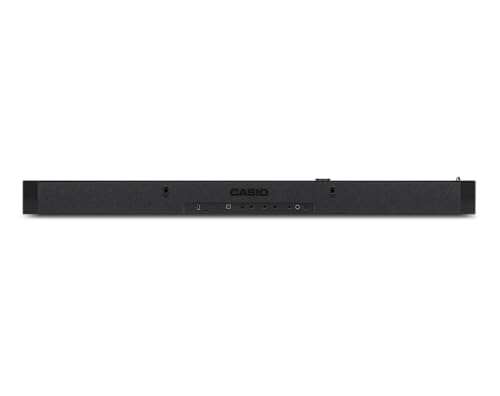
Most full-size digital pianos have 88 keys, just like acoustic pianos. They are designed to match the standard piano range and often include weighted keys.
However, a digital piano can produce far more sounds than its physical keys suggest. Many models include electric piano tones, organs, strings, brass, synthesizers, and drum sounds.
It is important to separate these two ideas:
• Physical key count: how many keys you can press
• Sound library: how many instrument sounds the device can create
A digital piano with 88 keys still has the standard piano note range when using its piano sound. But it may shift the same notes up or down by using a transpose or octave function.
Digital keyboards may also use MIDI. MIDI does not send recorded piano sound. It sends information about the note played, its timing, its volume, and other performance details. This allows one keyboard to control many virtual instruments.
When choosing a digital piano, check more than the number of notes. Key weight, touch response, pedal support, speaker quality, and sound accuracy also affect the playing experience.
Can a Piano Play More Than One Note at Once?
Yes. A piano can play many notes at the same time.
This ability is called polyphony. It allows a pianist to play chords, melodies, bass lines, and repeated notes together. An acoustic piano can physically sound many notes at once, although the exact number depends on the player, pedals, and how notes overlap.
Digital pianos use a polyphony rating. A model may advertise 64-note, 128-note, or 256-note polyphony. This number describes how many individual sounds the digital instrument can process at the same time.
For example, using the sustain pedal can cause many notes to continue sounding. If the digital piano has limited polyphony, older notes may stop when new notes begin.
For simple practice, 64-note polyphony may be enough. For advanced classical music, layered sounds, and heavy pedal use, 128 notes or more can provide a smoother result.
This is different from asking how many notes on a piano exist. The 88 keys describe the available pitches. Polyphony describes how many sounds can happen together.
How Do Piano Notes Relate to Octaves?
An octave contains 12 half steps. On the piano, this includes seven white keys and five black keys.
For example, the notes from C to the next C are:
- C
- C-sharp or D-flat
- D
- D-sharp or E-flat
- E
- F
- F-sharp or G-flat
- G
- G-sharp or A-flat
- A
- A-sharp or B-flat
- B
- C
The final C begins the next octave. It is the same note name as the first C but sounds higher.
Octaves help musicians organize the piano. Instead of memorizing all 88 keys as separate items, you can learn one 12-note pattern and recognize its repeated shape.
This approach helped me avoid a common beginner error: counting keys without learning the pattern. Understanding octaves turns the keyboard from a long row of keys into a map with familiar landmarks.
Does the Number of Piano Notes Affect Sound Quality?
The number of keys affects range, but it does not automatically determine sound quality.
A 61-key keyboard can sound excellent, while a poorly made 88-key keyboard can sound weak. The piano’s strings, soundboard, action, speakers, sensors, and tuning all influence its tone.
For acoustic pianos, important factors include:
• String length and thickness
• Soundboard size and material
• Hammer design
• Cabinet size
• Tuning and maintenance
• Age and condition
For digital pianos, consider:
• Sampling or modeling technology
• Speaker placement
• Key action
• Pedal response
• Dynamic touch sensitivity
• Headphone and recording features
More keys give you more range. They do not guarantee a richer tone. If you are a beginner, a reliable 88-key digital piano with weighted action may serve you better than a costly instrument with extra features you do not need.
Tips for Learning the Notes on a Piano
Learning all 88 keys at once can feel overwhelming. You do not need to memorize every key in one day.
Use these steps:
- Find every group of two black keys.
- Identify the white key to the left of each pair as C.
- Learn the seven natural notes from C through B.
- Practice naming notes in both directions.
- Add the black keys as sharps and flats.
- Use middle C as your main starting point.
- Practice with slow, repeated drills.
Try saying the note name before you play it. This connects your eyes, voice, and hands. It also helps you avoid relying only on finger position.
Another useful exercise is to choose a random note and find every version of it on the keyboard. For example, locate every C from the lowest register to the highest. This teaches both note names and octave placement.
Do not ignore the black keys. Many new players focus only on the white keys, but scales, chords, and melodies often use all 12 notes.
Common Mistakes When Counting Piano Notes
People often make small counting errors because they use “keys,” “notes,” and “pitches” as if they mean exactly the same thing.
Watch for these mistakes:
• Counting only the white keys and stopping at 52
• Assuming every piano has 88 keys
• Treating sharps and flats as different physical keys
• Forgetting that note names repeat in each octave
• Confusing the number of keys with digital polyphony
• Counting C8 twice when describing the full range
A black key can have two names, but it is still one physical key. For instance, C-sharp and D-flat usually refer to the same piano key. The name changes based on the scale or chord being used.
It is also worth checking the instrument itself. Some keyboards use 88 keys but shift their pitch range electronically. Others have fewer keys but offer an octave-shift button.
The best answer to how many notes on a piano starts with the phrase “standard piano.” That small detail keeps the answer accurate.
Frequently Asked Questions About How Many Notes on a Piano
How many notes are on a standard piano?
A standard piano has 88 keys that produce 88 playable pitches. It includes 52 white keys and 36 black keys.
How many octaves are on an 88-key piano?
An 88-key piano covers seven full octaves plus a minor third. Its range runs from A0 to C8.
Is middle C the center note of the piano?
Middle C is close to the center but is not the exact middle key. On a standard 88-key piano, middle C is the 40th key from the left.
Are black keys counted as piano notes?
Yes. Black keys produce notes and are included in the total count. A black key may have two names, such as C-sharp and D-flat, but it is one physical key.
Do all digital pianos have 88 notes?
No. Many digital pianos have 88 keys, but portable keyboards may have 61 or 76 keys. Check the product specifications before buying.
What is the lowest note on a standard piano?
The lowest note is A0. It has a frequency of about 27.5 hertz and belongs to the deep bass register.
What is the highest note on a standard piano?
The highest note is C8. It has a frequency of about 4,186 hertz and belongs to the upper treble register.
Conclusion
A standard piano has 88 notes, made up of 52 white keys and 36 black keys. Its range runs from A0 to C8, covering more than seven octaves and repeating 12 basic pitch classes across the keyboard.
Smaller keyboards may have fewer keys, while some concert grands offer more. For most learners, an 88-key piano remains the best choice because it provides the complete standard range.
Start by learning the black-key groups, middle C, and the repeating octave pattern. Then practice naming notes as you play them. Explore a keyboard, test your note knowledge, and share your questions or learning progress in the comments.

Senior Music Reviewer
Alex Carter is a seasoned music reviewer with over a decade of experience in the world of sound and instruments. Passionate about helping musicians and enthusiasts make informed choices, he brings sharp insights and in-depth knowledge to every review. From classical instruments to modern gear, Alex combines technical expertise with a love for music to deliver content that resonates with readers.
As a Senior Music Reviewer and expert author on Tuneluma.com, Alex is dedicated to sharing honest evaluations, practical advice, and thoughtful commentary to guide readers in their musical journey.