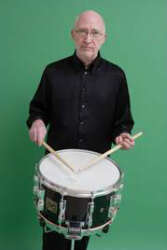
How To Play Side Drum: Easy Step-By-Step Guide
Learn the basics of how to play side drum with proper grip, strokes, and rudiments.
I’ve taught and performed on side drum for years, and this guide shows you how to play side drum step by step. You’ll get clear setup tips, stroke technique, key rudiments, practice plans, and troubleshooting advice based on real experience. Read on to build solid fundamentals and play confidently in practice or parade settings.
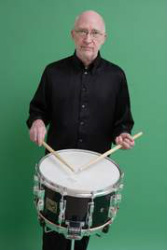
Basics of how to play side drum
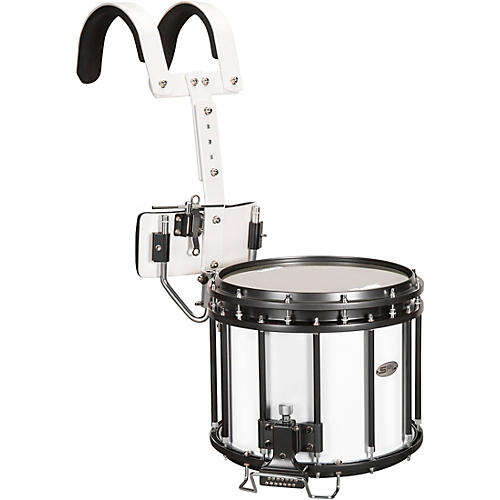
Side drum usually means the marching or concert snare drum played at your side. It focuses on clear stick control, crisp articulation, and steady timing. Learning how to play side drum starts with setup: correct drum height, sling angle, and comfortable stick choice, then moves to grip and basic strokes.
I recommend starting slow. Good timing matters more than speed. This section explains core ideas you’ll use in every practice and performance.

Equipment and setup for how to play side drum
Choose the right drum and stick for your style. Marching side drums have deeper shells and stronger rims than kit snares. Concert or orchestral side drums are tuned for more resonance.
Key setup tips:
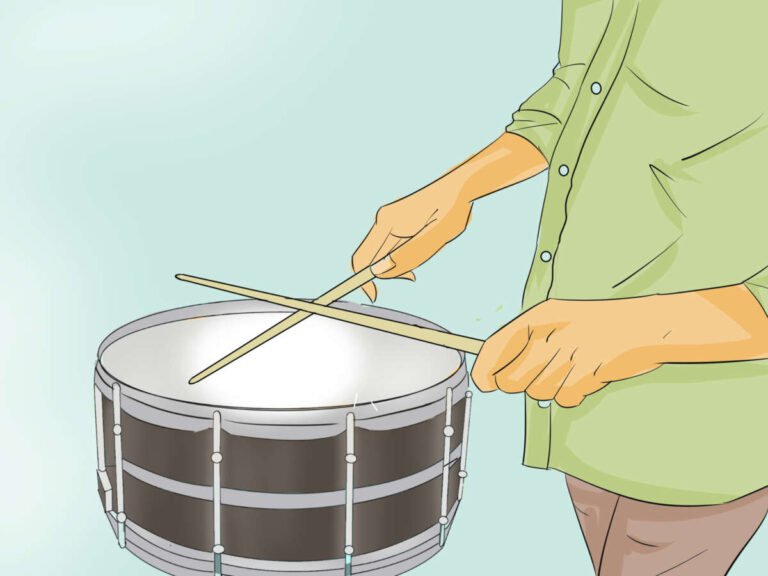
- Drum height: Adjust so forearms are roughly parallel to the ground when marching or standing.
- Drum angle: Tilt the drum forward slightly so the sticks strike the head with a natural wrist motion.
- Sling and harness: Fit it snugly to keep the drum stable while you move.
- Sticks: Start with medium-weight marching sticks or general snare sticks for control and balance.
- Head tension: Tighten heads evenly for a crisp sound; avoid overly loose heads that muffle articulation.
I once marched for a year with the drum set too low. My wrists cramped until I raised it a half-inch. Small setup tweaks make big differences.
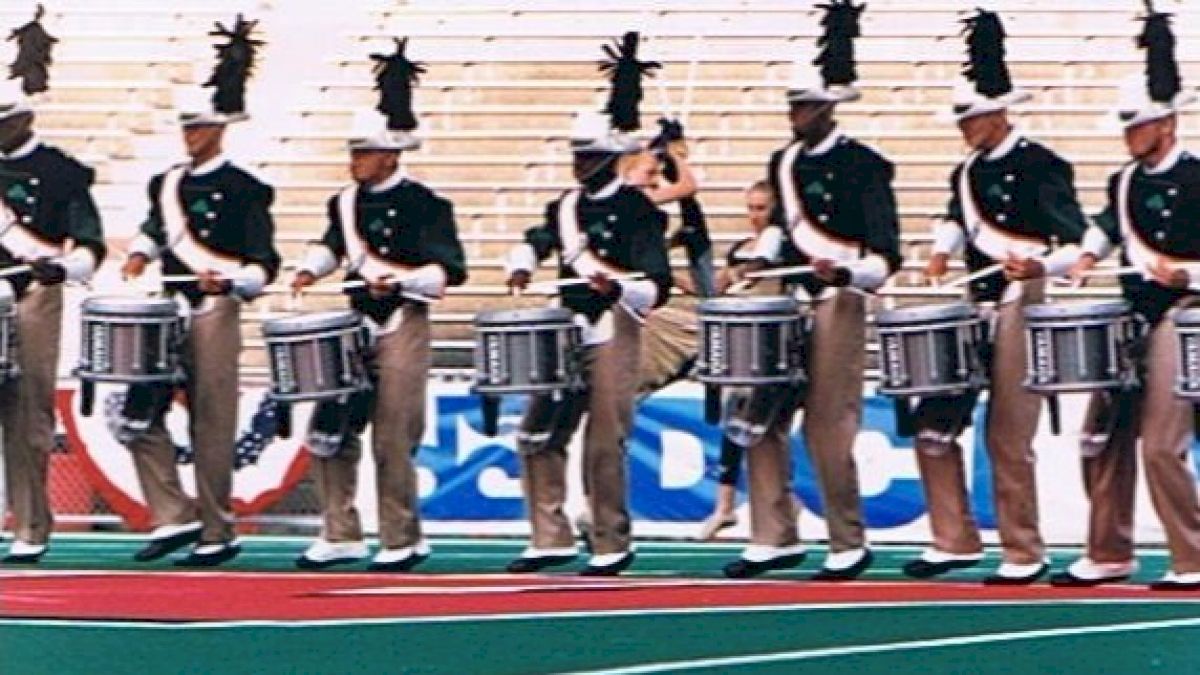
Grip and basic strokes when learning how to play side drum
Grip is the foundation. Two common grips:
- Matched grip: Both hands hold the stick the same way. It’s simple and useful across styles.
- Traditional grip: Left hand holds the stick differently, common in marching and jazz. It helps with drum angle and cross-stick techniques.
Basic strokes to master:
- Full stroke: Lift high and return to starting position for full volume.
- Down stroke: Start high, strike, and stop on the head for an accented note.
- Tap stroke: Small lift and return for quiet notes.
- Buzz or press stroke: Let the stick rebound slightly to create a buzz roll sound.
- Rebound control: Practice stopping the stick to create precise articulation.
Practice each stroke slowly for control. I timed drills with a metronome for weeks to build even rebounds.

Rudiments and exercises to master how to play side drum
Rudiments are the grammar of drumming. Start with these essentials:
- Single stroke roll: R L R L repeated cleanly.
- Double stroke roll: R R L L with even bounce.
- Paradiddle: R L R R L R L L for coordination.
- Flam: Grace note plus main stroke for a big sound.
- Ruff: Multiple grace notes leading into a primary stroke.
Drill plan:
- Warm up with single strokes at a slow tempo for 3 minutes.
- Practice doubles and paradiddles for 5 minutes each.
- Work on flams and ruffs for 5–10 minutes using slow, focused repetitions.
- End with a roll practice, increasing tempo gradually.
Consistent rudiment practice builds speed without sacrificing clarity. I recommend five focused sessions per week, short and specific.

Practice routines and timing for how to play side drum
Good practice is structured and measurable. Use a metronome. Track progress in tempo and control.
Weekly routine example:
- Day 1: Technique and warm-ups (20 minutes).
- Day 2: Rudiments and coordination (30 minutes).
- Day 3: Accent and dynamics practice (20 minutes).
- Day 4: Marching patterns or musical excerpts (30 minutes).
- Day 5: Review and play-through (20 minutes).
Timing drills:
- Start at a slow tempo where each stroke is clean.
- Increase tempo by 3–5 BPM only after three clean repetitions.
- Practice with subdivisions (eighths, triplets) to build rhythmic flexibility.
A simple metric: record a 60-second roll and compare month-to-month. I used recordings to spot unevenness I wouldn’t hear live.

Musical context and ensemble playing with how to play side drum
Side drum serves many roles: timekeeper, accent engine, and color in the ensemble. Pay attention to:
- Dynamics: Blend when the band plays soft; cut through when needed for accents.
- Articulation: Marching bands need crisp strikes; concert settings may call for softer touches.
- Count and phrasing: Follow melodic lines and conductor cues.
When playing with others, listen more than you play. Locking to the ensemble tempo is more important than flashy fills. In my first marching season I learned to match accents to the brass section and the music immediately improved.
Common mistakes and troubleshooting for how to play side drum
Watch for these frequent errors:
- Tension in the hands and shoulders leads to fatigue and poor tone. Relax wrists.
- Overemphasis on speed: fast but sloppy is worse than slow and clean.
- Poor sticking choices: inconsistent sticking creates uneven rolls.
- Bad tuning: uneven heads cause choked or booming sounds.
Quick fixes:
- Slow down and isolate the trouble stroke.
- Use a mirror or video to check stick height symmetry.
- Re-tune the drum, then re-test rudiments at low volume.
I once tried to fix a wobble by switching sticks, but a simple head retensioning solved it.
Advanced techniques and dynamics to level up how to play side drum
After basics, explore:
- Moeller technique for power with less effort.
- Thumb fulcrum and finger control for delicate dynamics.
- Multirudimental combinations for musical variety.
- Cross-stick and rim shots for colour.
Work on musical phrasing, not just technical drills. Practice crescendos and sudden accents. These skills turn a technician into a musician.
Maintenance and care when you play side drum
Keep gear reliable:
- Change heads when worn or damaged.
- Check snare wires for even tension and alignment.
- Tighten rims evenly to avoid choked tones.
- Clean hardware and lubricate moving parts occasionally.
Store the drum in a padded case and avoid extreme heat or humidity. Proper care pays off in consistent sound and fewer surprises on game day.
PAA-style questions about how to play side drum
How long does it take to learn the basics of how to play side drum?
Most players learn basic strokes and simple rudiments in 4–8 weeks with regular short practice sessions. Consistent daily practice speeds progress more than long, infrequent sessions.
What grip should I use to start how to play side drum?
Matched grip is easiest for beginners and transfers well to many styles; traditional grip is common in marching contexts and may be learned later. Try both briefly to see which feels more natural.
How often should I practice to improve how to play side drum?
Short daily sessions of 20–30 minutes yield better gains than occasional long sessions. Focus each session on one or two goals, like rolls or dynamics.
Do I need a marching harness to practice how to play side drum?
You can practice on a stand, but a harness or sling is needed to simulate real playing posture for marching technique. Practice both on- and off-drum to develop stamina and posture.
Are rudiments essential for how to play side drum?
Yes. Rudiments are the building blocks for control, speed, and musical phrasing. Mastering them makes complex passages much easier to learn.
Frequently Asked Questions of how to play side drum
What is the difference between side drum and snare drum?
Side drum typically refers to the marching or concert snare played at the side or in a drumline, while snare drum can also mean orchestral or drum kit snare. The playing approach and setup may vary, but core strokes are similar.
Can I learn how to play side drum on a practice pad?
Yes. Practice pads are excellent for building stick control and rudiment accuracy without disturbing others. They don’t replace the feel of a drum but are invaluable for daily drills.
How do I improve my roll for how to play side drum?
Break the roll into small sections, practice slow and even strokes, and increase speed only when consistency is perfect. Use a metronome and record to check evenness.
Should beginners use heavy or light sticks to learn how to play side drum?
Medium-weight sticks are a good starting point because they balance power and control. Heavier sticks can help with projection, while lighter sticks help with speed and finesse.
How important is posture when you learn how to play side drum?
Posture is crucial. Good posture prevents injury and helps with controlled strokes and endurance. Keep shoulders relaxed, back straight, and forearms balanced.
Conclusion
You now have a step-by-step roadmap for how to play side drum: set up your gear, learn grip and strokes, drill rudiments, practice with a plan, and maintain your instrument. Start slow, practice consistently, and listen to your body and the ensemble.
Pick one clear goal this week—clean paradiddles at a steady tempo or a five-minute roll recording—and work toward it. Share your progress, ask questions, or join a local group to keep momentum. Want more drills or a personalized practice plan? Leave a comment or subscribe for updates.

Senior Music Reviewer
Alex Carter is a seasoned music reviewer with over a decade of experience in the world of sound and instruments. Passionate about helping musicians and enthusiasts make informed choices, he brings sharp insights and in-depth knowledge to every review. From classical instruments to modern gear, Alex combines technical expertise with a love for music to deliver content that resonates with readers.
As a Senior Music Reviewer and expert author on Tuneluma.com, Alex is dedicated to sharing honest evaluations, practical advice, and thoughtful commentary to guide readers in their musical journey.