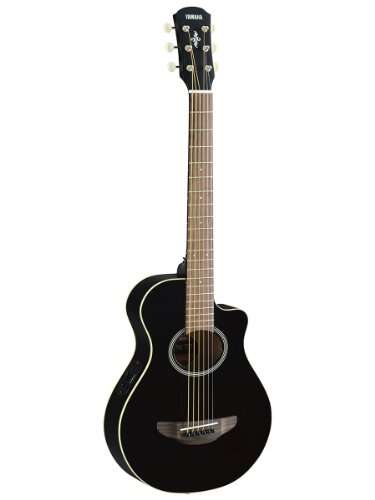
What Is A Dreadnought Guitar: The Ultimate 2026 Buyer Guide
A dreadnought guitar is a large, deep-bodied acoustic instrument known for its powerful volume, bold projection, and rich, bass-heavy tone.
I’ve spent nearly two decades with a guitar case at my feet. If one shape defines the sound of modern acoustic music, it’s the dreadnought guitar. Whether I’m strumming at a campfire, tracking in a studio, or playing a gig, the dreadnought is usually the first guitar I pick up. Its reputation isn’t just about size or looks. It’s about how the shape, build, and materials work together to deliver loud, full sound. In this post I’ll explain what makes a dreadnought special, how it compares to other body shapes, and how to choose and care for one so it serves you for years.
The Origins and Design of the Dreadnought Guitar
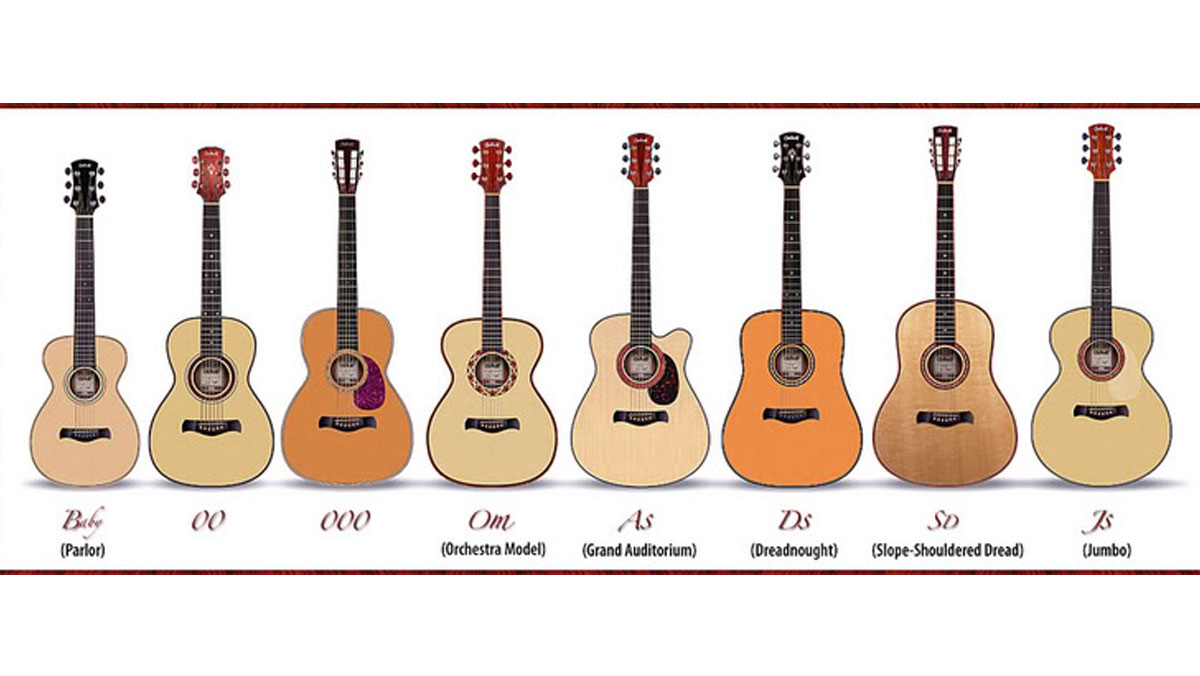
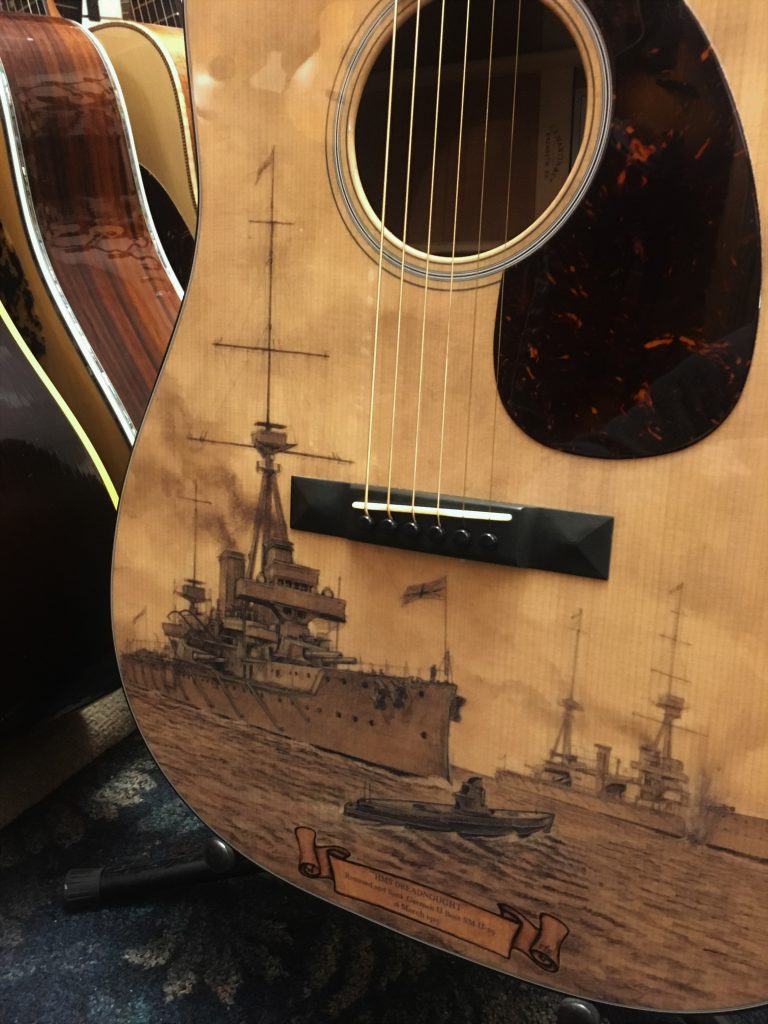
The name “dreadnought” comes from a class of large British battleships. That name fits: the dreadnought guitar was built for power. It appeared in the early 1900s as a response to quieter parlor guitars. Luthiers wanted more volume and projection for larger rooms and ensemble playing. The dreadnought’s wide waist and deep body let the top move more air. That produces strong low end and excellent projection.
Pick one up and you feel the difference. The large sound chamber acts like a natural amplifier. The bass response is fuller than smaller guitars. From testing many body types, I rarely find another shape that matches dreadnoughts for raw projection. They cut through mixes—great for playing with a band or when you need presence in a recording.
Why Musicians Choose the Dreadnought Guitar
Musicians choose dreadnoughts for a few key reasons. First, they are versatile. They handle heavy strumming very well. This makes them a top pick for bluegrass, folk, country, and rock rhythm parts. Want to dig in with a pick? The dreadnought responds with full, balanced output.
Second, dreadnoughts generally use strong internal bracing. X-bracing is common. That bracing stabilizes the top so it can handle higher string tension. Higher tension gives more volume, longer sustain, and fuller tone. That combination—body size, bracing, and tonewoods—gives dreadnoughts their signature sound.
Finally, dreadnoughts are workhorses. They are reliable on stage, in the studio, and at home. They deliver a harmonic richness that gives a polished finish to both rhythm and many solo parts. That’s why so many gigging musicians own at least one dreadnought acoustic guitar in their collection.
Common genres and uses
- Bluegrass and flatpicking — loud, clear projection for lead runs.
- Folk and singer-songwriter — full-bodied rhythm and vocal support.
- Rock and country rhythm — cuts through a band mix.
- Recording — strong fundamentals and harmonic richness for mic’d or mic’d+DI setups.
Potential Limitations to Consider
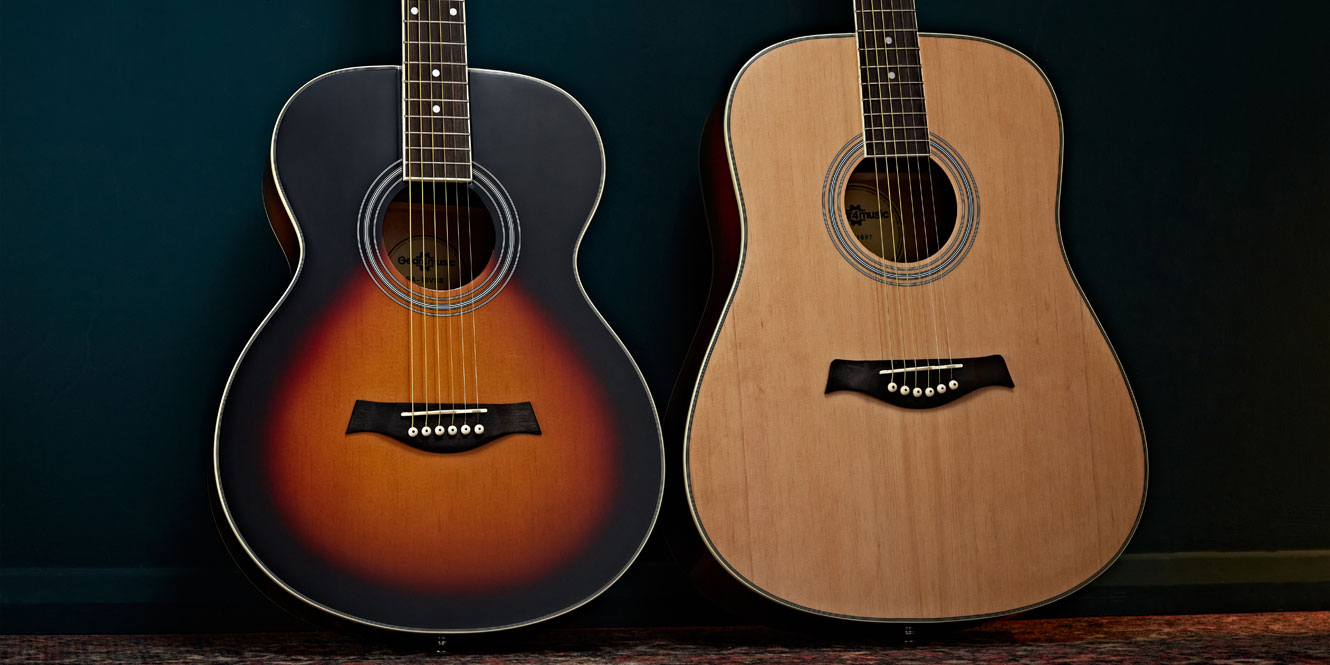
Despite the popularity, dreadnoughts aren’t perfect for every player. Their large body can feel awkward for smaller players. If you have short arms or a small frame, the reach can be tiring. For long practice sessions this matters.
The strong bass response is a double-edged sword. Those low frequencies can swamp delicate fingerpicking. If your style is intricate, with fast thumb-and-finger patterns, a concert or auditorium model might give better note separation and clarity. I tell students to try a dreadnought alongside a smaller guitar to compare comfort and articulation. That quick side-by-side test often reveals which shape fits their technique best.
Tips for Maintaining Your Dreadnought Guitar
Keeping a dreadnought in top shape protects its tone and playability. Because these guitars move a lot of air, they are more sensitive to temperature and humidity changes than smaller guitars. I keep a humidifier in the case during winter. That prevents the top and neck from drying or cracking.
Regular setup matters. A proper setup balances action, intonation, and neck relief. High action makes playing hard. Too low can create buzzing. Change strings every few months if you play regularly. I also recommend a pro setup once a year. A luthier can check the nut, saddle height, bridge, and truss rod so the dreadnought remains comfortable and sounds its best.

Quick maintenance checklist
- Case humidifier in dry months (40–60% relative humidity is ideal).
- Change strings regularly—sooner if you sweat or play often.
- Annual professional setup for truss rod, action, and saddle height.
- Keep the fretboard conditioned lightly once or twice a year (use lemon oil on rosewood/ebony only).
- Store in a hard case for travel and temperature protection.
Frequently Asked Questions of what is a dreadnought guitar
Is a dreadnought guitar good for beginners?
A dreadnought can be excellent for beginners. It is forgiving and versatile. The sound is full and encourages rhythm practice. The main caveat is size. Younger players or small adults may find it heavy or awkward. If comfort is a concern, try one in a shop and compare it to concert or parlor guitars. Many teachers start students on smaller bodies and move them to dreadnoughts later.
Can I fingerpick on a dreadnought guitar?
Yes. Fingerpicking works well on many dreadnoughts. The large body gives warm low end and long sustain. But some dreadnoughts can blur very detailed fingerstyle passages. If you play intricate solo fingerstyle, look for a dreadnought with a balanced top (often a lighter bracing or quality spruce top) or consider an auditorium model. Experiment with string gauge and action—lighter strings and a well-adjusted setup can improve clarity for fingerpicking.
How does a dreadnought guitar differ from a concert guitar?
A dreadnought is larger and deeper than a concert guitar. It produces more volume and stronger bass. Concert guitars are smaller and usually offer clearer midrange and treble response. That makes concerts more comfortable and often better for nuanced fingerstyle. Choose dreadnought for power and projection; choose concert or auditorium for comfort and note definition.
Is the dreadnought guitar the most popular body shape?
Yes, the dreadnought is one of the most popular and recognizable acoustic shapes. Brands like Martin, Gibson, and Fender popularized it. Its balance of volume, tone, and durability made it the industry standard for nearly a century. It remains a go-to for players who need a reliable, loud acoustic guitar.
Does the wood affect the sound of a dreadnought guitar?
Absolutely. Tonewoods on the top, back, and sides shape the final voice. Spruce tops (Sitka, Adirondack) are common. They are loud and responsive. Cedar tops breathe and favor a warmer, softer attack—popular for fingerstyle. Back and sides like rosewood add deep bass and sparkle. Mahogany gives a focused midrange. Choosing tonewoods depends on the sound you want.
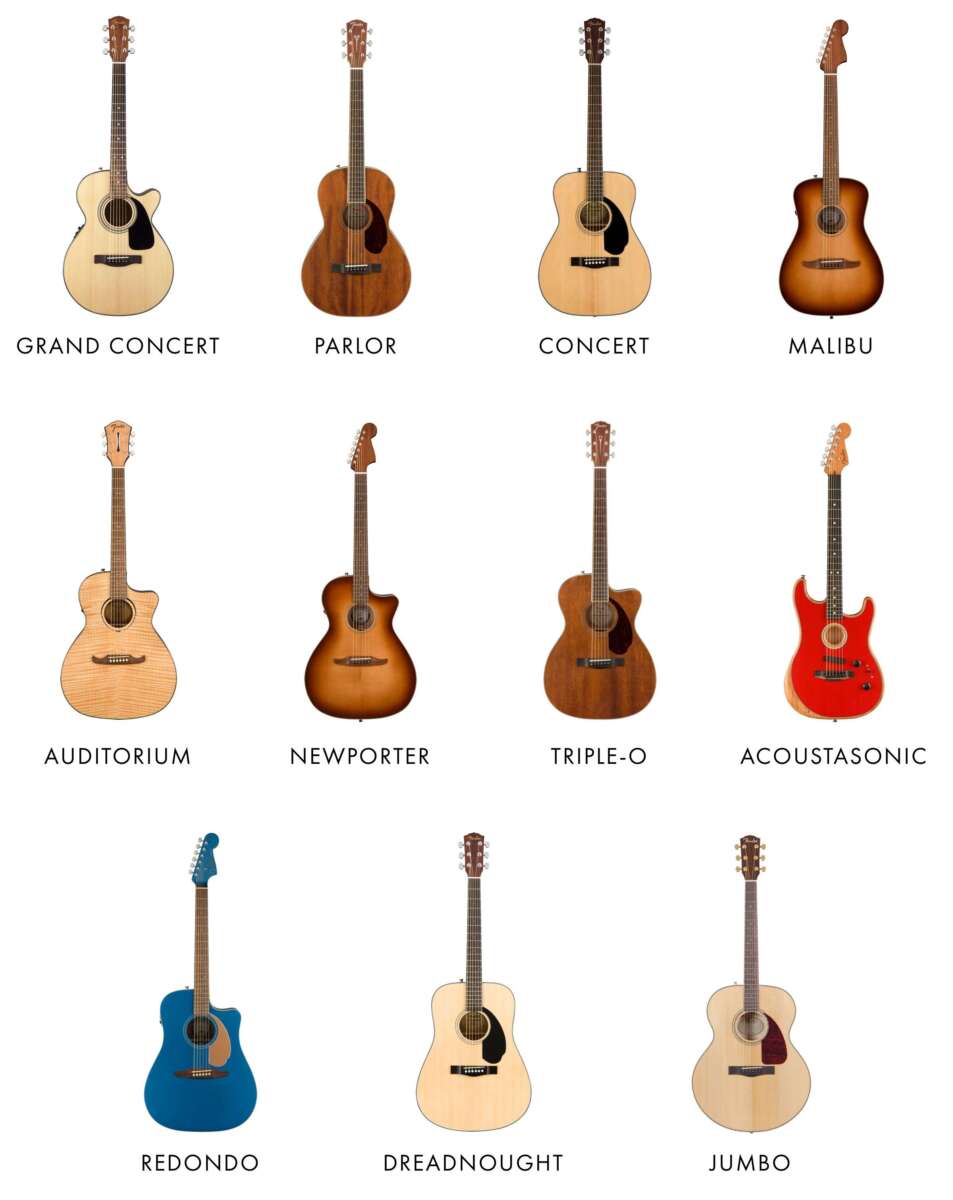
Dreadnought vs Other Body Shapes — A Practical Comparison
Here’s a quick, practical guide for choosing between body shapes:
- Dreadnought — Best for volume, rhythm, and bluegrass flatpicking.
- Concert/Auditorium — Best for comfort and articulate fingerstyle.
- Parlor — Smaller, intimate tone, great for blues and light accompaniment.
- Jumbo — Even bigger than dreadnought; very loud, very bass-heavy.
When you try guitars, listen for balance. Ask yourself: do the lows overpower the mids? Do the highs sing? Comfort and playability matter as much as sound.
Tonewoods, Bracing, and Construction — What to Listen For
Two construction elements strongly shape a dreadnought’s tone: tonewoods and bracing. Common tonewoods include Sitka spruce, Adirondack spruce, mahogany, and rosewood. Sitka gives a balanced attack. Adirondack (or red spruce) pushes more dynamic range. Mahogany narrows the spectrum toward mids. Rosewood expands the bass and sparkle.
Bracing also matters. Traditional X-bracing is common on dreadnoughts. Scalloped bracing lets the top vibrate more and often increases bass and responsiveness. Forward-shifted bracing can give better low-end balance. If you care about tone nuances, check the guitar specs or ask the maker about bracing patterns and whether the bracing is scalloped or non-scalloped.
Choosing the Right Dreadnought for You
When shopping, try several models. Test different tonewoods, string gauges, and setups. Pay attention to:
- Nut width and neck profile — comfort for your fretting hand.
- Action and setup — lowers fatigue and improves intonation.
- Pickup options — if you gig, look for a good onboard preamp or pickup.
- Price vs. build quality — solid tops usually outlast laminates in tone growth.
If possible, bring your own strings or ask to try demo songs you know. That helps you compare feel and tonal response across guitars.
Conclusion
The dreadnought guitar remains an icon for good reason. It delivers big sound, reliable projection, and a durable build. For players who need power and presence, it’s a natural choice. For players who prioritize comfort or ultra-fine fingerstyle clarity, try a smaller body alongside a dreadnought. Spend time in a shop. Play several models. Change string gauges. And consider a pro setup to get the best sound and feel.
Take the time to visit a local music shop and sit down with a few different models to see how the shape feels against your body. Experimenting with different string gauges can also help you unlock the full potential of your instrument. Grab a dreadnought guitar today and start exploring the rich, bold sounds that have inspired generations of legendary musicians. If you have questions about your specific model or need more tips on maintenance, feel free to leave a comment below.

Senior Music Reviewer
Alex Carter is a seasoned music reviewer with over a decade of experience in the world of sound and instruments. Passionate about helping musicians and enthusiasts make informed choices, he brings sharp insights and in-depth knowledge to every review. From classical instruments to modern gear, Alex combines technical expertise with a love for music to deliver content that resonates with readers.
As a Senior Music Reviewer and expert author on Tuneluma.com, Alex is dedicated to sharing honest evaluations, practical advice, and thoughtful commentary to guide readers in their musical journey.