A Man Playing A Guitar: Skills And Style
A man playing a guitar can create rhythm, emotion, and connection through simple chords and steady practice.
A man playing a guitar may be performing on a stage, relaxing at home, teaching a child, or sharing a song with friends. The image feels simple, but it holds many layers: posture, technique, sound, emotion, and personal style. This guide explains what makes the scene powerful, how guitar playing works, and how beginners can develop a confident, expressive approach.
What Makes a Man Playing a Guitar So Captivating?
A man playing a guitar often draws attention because the instrument turns movement into sound. Each finger position changes the music. Each strum adds energy. Even a quiet chord can carry a strong mood.
The guitar is also easy to recognize. Its shape, warm tone, and flexible design make it useful in many styles. It can support a singer, lead a band, fill a room with melody, or provide soft background music.
A man playing a guitar may communicate feelings that are hard to express in words. A slow melody can suggest sadness or peace. A fast rhythm can create excitement. A simple chord pattern can remind listeners of family, travel, or a special moment.
The scene also feels personal. Unlike a large electronic setup, an acoustic guitar can be played almost anywhere. A person can sit on a porch, beside a campfire, in a bedroom, or in a busy street and still create music.

The Basic Parts of a Guitar
Understanding the instrument helps readers appreciate what they see when a man playing a guitar. Most guitars have several key parts that work together to create sound.
• Body: The body supports the bridge and helps amplify the strings, especially on an acoustic guitar.
• Neck: The long, narrow section connects the body to the headstock.
• Fretboard: This is the surface where the player presses the strings to change their pitch.
• Frets: Small metal bars divide the fretboard into notes.
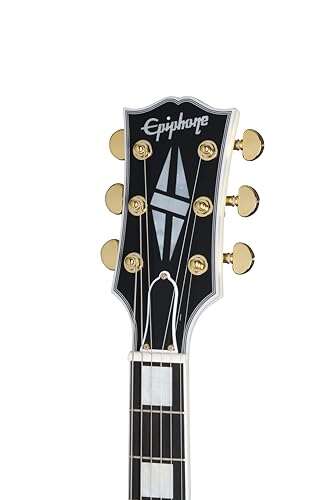
• Headstock: The upper end holds the tuning machines.
• Tuning machines: These adjust string tension and help keep the guitar in tune.
• Bridge: The bridge anchors the strings to the guitar body.
• Sound hole: On an acoustic guitar, the sound hole lets the vibrating air move outward.
• Pickups: An electric guitar may use pickups to send string vibrations to an amplifier.
The type of guitar changes the player’s sound and technique. An acoustic guitar produces a natural, woody tone. An electric guitar can create clean, bright, distorted, or sustained sounds. A classical guitar uses nylon strings and often supports fingerstyle playing.
How a Man Playing a Guitar Creates Sound
A guitar string produces sound when it vibrates. The player may pluck it with a finger, brush it with a pick, or strike several strings at once.
When a man playing a guitar presses a string against a fret, he shortens the vibrating length of that string. A shorter string makes a higher note. This simple action is the basis of scales, chords, and melodies.
The right hand controls rhythm and tone. A soft finger stroke creates a gentle sound. A firm pick attack creates more volume and sharpness. The left hand controls notes, chords, slides, bends, and other effects.
Several factors affect the final sound:
• String material and thickness
• Guitar shape and wood
• Pick type and thickness
• Finger pressure
• Playing speed
• Room size and acoustics
• Amplifier settings on an electric guitar
Good sound does not come from strength alone. It comes from control. A skilled player knows when to play loudly, when to leave space, and when to let a note ring.

Common Guitar Playing Styles
A man playing a guitar may use several techniques during one song. Each method creates a different texture and serves a different musical purpose.
Strumming
Strumming means moving a pick or fingers across several strings. It is common in folk, country, pop, rock, and worship music.
Beginners often start with downstrokes. Later, they add upstrokes to create a steady pattern. A simple down-and-up motion can support hundreds of songs.
Fingerpicking
Fingerpicking uses individual fingers to pluck separate strings. This style can sound calm, detailed, and rich.
The thumb often plays the bass notes while the other fingers play higher notes. Players must learn to keep the rhythm steady while moving across different strings.
Lead Guitar
Lead playing focuses on melodies, solos, and short musical phrases. It may include scales, bends, slides, hammer-ons, and pull-offs.
Lead guitar requires timing as much as speed. A slow, well-placed note can sound more powerful than a fast string of notes.
Rhythm Guitar
Rhythm guitar supports the song. The player may repeat chords, create a groove, or work closely with the drummer and bass player.
A strong rhythm guitarist does not try to fill every space. Good rhythm playing is like a firm floor beneath a dancer. It supports everything without demanding constant attention.
Percussive Guitar
Some players tap the guitar body while playing chords or fingerstyle patterns. This creates a beat and makes one instrument sound like several.
Percussive techniques require care. Striking the body too hard may damage the instrument or create an unpleasant tone.

How to Hold a Guitar Correctly
Proper posture helps a man playing a guitar feel relaxed and play with better control. It also reduces strain in the neck, back, wrists, and shoulders.
When sitting, keep both feet stable on the floor. Rest the guitar body against the torso. The neck should point slightly upward rather than dropping toward the ground.
The fretting hand should stay relaxed. The thumb usually rests behind the neck, while the fingers curve toward the strings. Avoid pressing harder than needed because extra pressure can cause pain and sharp notes.
The strumming arm should move from the wrist and elbow in a natural way. Avoid locking the shoulder. Small, smooth movements often create better rhythm than large, tense swings.
When standing, use a secure strap. Set the guitar at a height that allows both hands to work comfortably. A very low guitar may look dramatic, but it can make accurate playing much harder.
A practical posture check includes:
• Relaxed shoulders
• Straight but comfortable back
• Neutral wrist position
• Light thumb pressure
• Stable feet
• Clear access to every string
Building Skill Through Daily Practice
Many people expect a man playing a guitar to improve through talent alone. In reality, steady practice matters more than natural ability for most beginners.
A short daily session can be more useful than one long session each week. Practice gives the brain repeated contact with chord shapes, rhythm patterns, and finger movements.
A simple 20-minute routine may include:
-
Tune the guitar.
-
Warm up with slow finger movements.
-
Practice two or three chord changes.
-
Play a basic rhythm with a metronome.
-
Learn a short melody or song section.
-
End by playing something enjoyable.
Use a metronome when working on timing. Start slowly. Increase the speed only when the pattern feels smooth and clean.
Record practice from time to time. Listening back can reveal uneven rhythm, buzzing strings, rushed sections, or unwanted noise. This can feel uncomfortable, but it offers clear feedback.
One lesson that applies to nearly every player is this: do not practice mistakes at full speed. Slow practice gives the hands time to learn the correct path.

Common Mistakes to Avoid
A man playing a guitar may look relaxed, but beginners often face small problems that slow progress. Most of these problems are easy to fix with awareness.
Skipping Tuning
An untuned guitar makes every song sound wrong. Use a digital tuner, tuning app, or clip-on tuner before practice.
Pressing Too Hard
New players often squeeze the neck with too much force. This causes hand fatigue and may push notes sharp. Use only enough pressure to make the note clear.
Changing Chords Too Quickly
Speed should come after accuracy. Practice moving between two chords at a slow pace. Focus on lifting and placing the fingers as one controlled unit.
Ignoring Rhythm
Some players focus only on chord shapes. Music also needs a steady pulse. Count aloud or tap your foot while playing.
Using Poor Posture
Pain is not a sign of progress. Stop if you feel sharp pain, numbness, or lasting discomfort. Adjust the guitar position and take regular breaks.
Learning Too Many Songs at Once
Trying to learn ten songs can create scattered progress. Choose one or two songs and finish a simple version before adding more.
Comparing Progress With Others
Every player begins with a different background. Compare your playing with your own earlier recordings, not with a professional performer online.
Choosing the Right Guitar
The best guitar is one that feels comfortable, stays in tune, and matches the player’s goals. Price matters, but comfort and setup matter just as much.
An acoustic guitar is a strong choice for someone who wants a simple setup. It needs no amplifier and works well for singing, folk music, country, and casual playing.
An electric guitar may suit someone interested in rock, blues, jazz, metal, or effects. It usually needs an amplifier, cable, and sometimes pedals, so the setup is more complex.
A classical guitar has nylon strings. These are often gentler on the fingers, but the wider neck may feel less familiar to some beginners.
Before buying, check:
• Neck comfort
• String height
• Body size
• Tuning stability
• Fret condition
• Overall weight
• Intended music style
A professional setup can improve a low-cost guitar. A technician can adjust the string height, neck relief, and intonation. This can make learning much easier.

The Emotional and Social Benefits of Guitar Playing
A man playing a guitar may gain more than technical skill. Music can support self-expression, social connection, and healthy relaxation.
Playing an instrument gives the mind a focused task. The player listens, moves, counts, and responds at the same time. This can create a calm break from daily stress.
Group playing offers another benefit. A guitar player must listen to others, follow the beat, and adapt to changes. These skills support teamwork and active communication.
Music can also build confidence. Learning a difficult chord or performing a short song creates a clear sense of progress. Small wins matter, especially during the early weeks.
Research on music learning links regular practice with attention, memory, and motor coordination. These effects do not mean guitar playing solves every health or emotional problem. They simply show why music can be a useful part of a balanced life.
The social value is easy to see. A man playing a guitar at a family gathering may invite people to sing. At a local event, the instrument can help strangers feel comfortable. Music often opens a door before conversation begins.
Tips for Performing in Front of Others
Performing can feel stressful, even for an experienced man playing a guitar. Preparation helps turn fear into focus.
Start with a song that feels secure. Do not choose the hardest piece for an important event. A simple song played with confidence usually sounds better than a complex song played with panic.
Practice the beginning and ending many times. These moments shape the audience’s first and last impression. Also practice recovering from mistakes without stopping.
Before performing:
• Tune the guitar
• Check the strap and pick
• Test the microphone or amplifier
• Take slow breaths
• Keep water nearby
• Set a comfortable tempo
• Look at friendly faces in the room
If a mistake happens, keep the rhythm moving. Most listeners notice confidence more than a missed note. The goal is not perfect control. The goal is a clear and honest musical moment.

What a Man Playing a Guitar Can Teach Us
The image of a man playing a guitar offers a useful lesson about patience. Chords that feel impossible at first may become natural after steady work.
It also shows the value of expression. Technical skill matters, but music becomes memorable when the player communicates a feeling. A clean chord with warmth can matter more than a difficult solo without emotion.
Another lesson is the importance of listening. Good guitar playing depends on hearing pitch, rhythm, volume, and space. The player must listen to the instrument and to the people around him.
In practical terms, beginners can focus on three goals:
• Play in time.
• Make each note clear.
• Communicate a mood.
These goals create a strong foundation. Speed and advanced techniques can come later.
Frequently Asked Questions About a Man Playing a Guitar
What does a man playing a guitar represent?
A man playing a guitar can represent creativity, confidence, relaxation, or emotional expression. The meaning depends on the setting, the music, and the player’s body language.
Is guitar difficult for a beginner to learn?
Guitar has a learning curve, but beginners can play simple songs within a short time with regular practice. Progress is usually faster when the learner starts with basic chords, steady rhythm, and clear goals.
How long should someone practice guitar each day?
Many beginners benefit from 15 to 30 minutes of focused practice each day. Short sessions help build memory and reduce hand strain while keeping learning enjoyable.
Should a beginner choose an acoustic or electric guitar?
An acoustic guitar offers a simple, portable setup, while an electric guitar may feel easier on the fingers and support more musical styles. The best choice depends on comfort, budget, and the type of music the player wants to make.
Why does a guitar sound out of tune?
A guitar may go out of tune because of string age, temperature changes, poor tuning habits, or movement of the tuning machines. Tune before each practice session and replace old strings when they lose tone or stability.
How can a man playing a guitar improve his rhythm?
He can practice with a metronome, count beats aloud, tap his foot, and play simple patterns slowly. Recording the session can also reveal timing problems that are hard to notice while playing.
Conclusion
A man playing a guitar combines movement, sound, skill, and emotion in one powerful image. Good playing depends on correct posture, regular practice, careful listening, and a willingness to start with simple goals.
Whether the guitar is used for quiet practice, public performance, songwriting, or time with friends, the instrument offers a direct way to connect with music and other people. Choose a comfortable guitar, practice with patience, and let expression grow alongside technique. Explore more guitar lessons, share your favorite song, or leave a comment about your own playing journey.

Senior Music Reviewer
Alex Carter is a seasoned music reviewer with over a decade of experience in the world of sound and instruments. Passionate about helping musicians and enthusiasts make informed choices, he brings sharp insights and in-depth knowledge to every review. From classical instruments to modern gear, Alex combines technical expertise with a love for music to deliver content that resonates with readers.
As a Senior Music Reviewer and expert author on Tuneluma.com, Alex is dedicated to sharing honest evaluations, practical advice, and thoughtful commentary to guide readers in their musical journey.