How Can I Learn Piano Without A Piano: Easy Guide
You can learn piano without a piano by practicing music theory, rhythm, ear training, and finger skills with digital tools.
If you are asking, “how can i learn piano without a piano,” you are not stuck. Many key piano skills begin away from the keyboard. With a phone, tablet, or simple tabletop practice, you can build a strong base before you buy or borrow an instrument.
Can you really learn piano without a piano?
Yes, but you should understand the limits. You can learn notes, rhythm, chords, scales, music reading, and basic finger control without owning a piano. You can also use a virtual piano app or a small MIDI keyboard for some hands-on practice.
However, a real piano gives you important feedback. You learn how hard to press each key, how to control sound, and how to coordinate both hands. So, learning piano without a piano works best as a starting plan, not a complete replacement forever.
Think of it like learning to drive with a map. You can learn the roads and rules first, but you still need time behind the wheel.

Start with music theory
Music theory helps you understand how songs work. It can make your first weeks at a piano much easier because you will know what you are looking at.
Start with these basic ideas:
- The musical alphabet uses the letters A through G.
- Notes repeat in higher and lower octaves.
- A sharp raises a note by one half step.
- A flat lowers a note by one half step.
- A whole step equals two half steps.
- A half step is the distance between two neighboring keys.
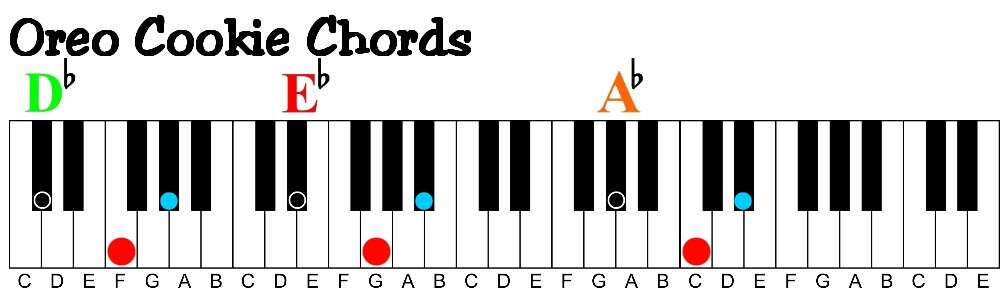
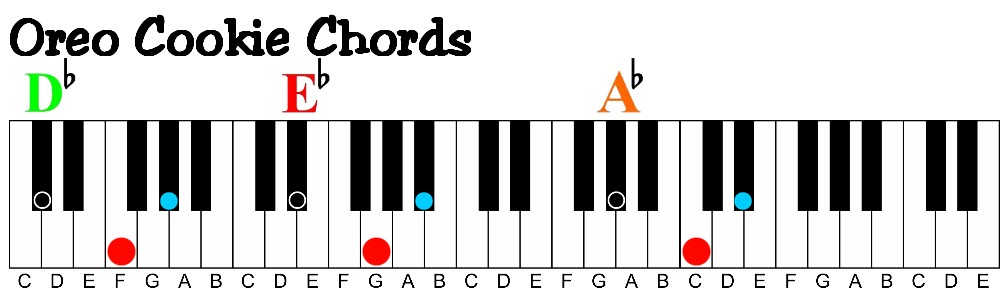
- A chord uses three or more notes played together.
- A scale is a group of notes arranged in order.
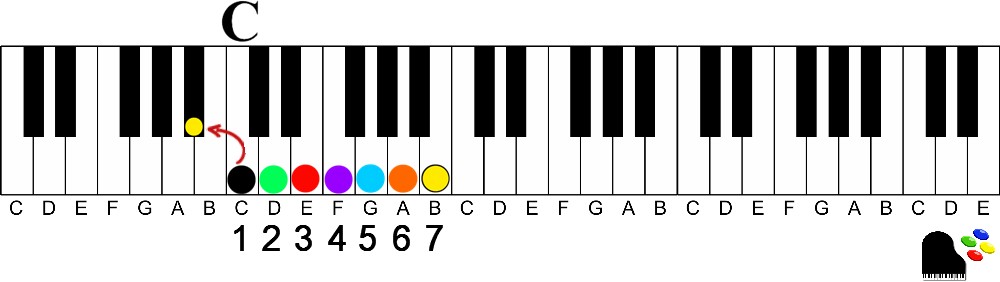
Learn how the black keys form groups of two and three. These groups help you find every white key. For example, the white key just before a group of two black keys is C.
Study the notes on the treble clef and bass clef. The treble clef often shows notes played by the right hand. The bass clef often shows notes played by the left hand.
Do not try to memorize everything in one sitting. Learn five minutes at a time. Draw a staff on paper and write simple notes on it. Then name each note aloud.

Use a virtual piano app
A virtual piano is one of the easiest answers to “how can i learn piano without a piano.” Most virtual piano apps show keys on a phone, tablet, or computer screen. Some apps also play notes, show finger numbers, and slow down songs.
A virtual keyboard cannot fully copy the feel of an acoustic piano. Still, it lets you practice note names, melodies, chords, and simple songs.
Look for an app with:
- A clear keyboard layout
- Sound for each note
- Adjustable tempo
- Chord and scale lessons
- Music reading exercises
- A recording feature
- A way to connect a MIDI keyboard later
A computer keyboard can also help. Some websites map letter keys to piano notes. This option is useful for learning melodies, but the keys are small and do not respond like piano keys.
Use the app with a clear goal. Instead of tapping random notes, practice a C major scale or the melody of a simple song. Focused practice works better than long, unfocused sessions.
Practice rhythm without an instrument
Rhythm is one of the most important piano skills. You can train it anywhere, even if you do not have a keyboard.
Start by tapping a steady beat with your hand. Count:
Keep the beat steady while you clap short patterns. You can also use a metronome app. Start at a slow speed, such as 60 beats per minute.
Try these exercises:
- Clap on every beat.
- Clap only on beats 2 and 4.
- Tap quarter notes while counting eighth notes.
- Speak “1 and 2 and 3 and 4 and.”
- Listen to a song and tap along without rushing.
- Stop the music and keep the beat for ten seconds.
Many new learners focus only on correct notes. That is a mistake. A wrong note with a steady rhythm can sound better than correct notes played with uneven timing.
Music education research often highlights rhythm as a core part of musical development. Regular beat training improves timing, coordination, and confidence before you touch the keys.
Train your ear
Ear training teaches you to hear the distance between notes. This skill helps you play melodies, recognize chords, and correct mistakes.
You can begin with simple listening games. Play two notes in a virtual piano app. Ask yourself whether the second note sounds higher or lower. Then listen for whether the notes are close together or far apart.
Practice these skills:
- Identify high and low sounds.
- Match a note with your voice.
- Recognize when a melody moves up or down.
- Compare major and minor chords.
- Sing a short melody from memory.
- Find the first note of a song on a virtual keyboard.
Do not worry if singing feels difficult. Your voice is a useful tool, even if you are not a trained singer. Singing forces your mind to remember pitch instead of relying only on finger movement.
A good routine is to listen to one short melody each day. Pause the recording, hum the next note, and then check your answer on a virtual keyboard.
Learn piano finger numbers away from the keys
Piano teachers use numbers to describe the fingers:
- Thumb is 1.
- Index finger is 2.
- Middle finger is 3.
- Ring finger is 4.
- Little finger is 5.
You can practice finger patterns on a table. Keep your hand relaxed and gently tap 1, 2, 3, 4, 5. Then reverse the pattern.
Try these patterns:
- 1, 2, 3, 4, 5
- 5, 4, 3, 2, 1
- 1, 3, 2, 4, 3
- 5, 3, 4, 2, 1
Keep your wrist level. Do not press hard into the table. The goal is to improve finger independence, not to build strength.
Table tapping has a clear limitation. It does not teach key depth, tone control, or the weight needed for a real piano. Use it as a coordination exercise, not as a full replacement for keyboard practice.
Practice piano hand positions
You can learn basic hand positions with a paper keyboard. Draw 14 to 20 white keys on paper and add groups of two and three black keys. Label the notes from C to C.
Place your right thumb on middle C. Place your other fingers on D, E, F, and G. This is the basic five-finger position in C.
Then practice:
- Saying each note while touching its paper key.
- Moving one finger at a time.
- Naming a key without counting from the start.
- Finding every C on the paper keyboard.
- Switching between C position and G position.
This method builds visual memory. It also helps you understand the layout before you face a full keyboard.
A paper keyboard will not create sound. That means you must combine it with singing, an app, or recorded examples. Use the paper for location and the app for sound.

Study simple songs before you own a piano
Choose songs with short melodies and a small note range. Children’s songs, folk tunes, and beginner melodies work well because they often use simple rhythms and repeated patterns.
Good first-song features include:
- A slow or moderate tempo
- A melody you already know
- Few large jumps between notes
- Simple rhythms
- Repeated phrases
- No complex chord changes
Read the notes from sheet music. Name them aloud. Tap the rhythm. Sing the melody. Then play it on a virtual keyboard.
Break the song into small parts. Learn two or four measures at a time. This approach reduces frustration and builds memory faster than trying to learn the whole song at once.
When asking “how can i learn piano without a piano,” many learners overlook song study. Learning a song’s notes and rhythm gives your practice a clear purpose.

Use a structured daily practice plan
A short daily plan is more useful than one long session each week. Aim for 15 to 30 minutes. You can divide the time into small blocks.
Try this beginner schedule:
- Practice music theory for five minutes.
- Tap rhythms with a metronome for five minutes.
- Use a virtual piano for five minutes.
- Practice finger patterns for five minutes.
- Study or sing a simple melody for five minutes.
If you have only ten minutes, use this shorter plan:
- Two minutes of note reading
- Three minutes of rhythm practice
- Three minutes of virtual keyboard practice
- Two minutes of ear training
Track your work in a notebook. Write down the date, song, tempo, and one thing that improved. This simple record can make progress easier to see.
A common mistake is changing apps and lessons every day. Pick one main learning path for at least four weeks. Consistency matters more than having many tools.
Use a MIDI keyboard when possible
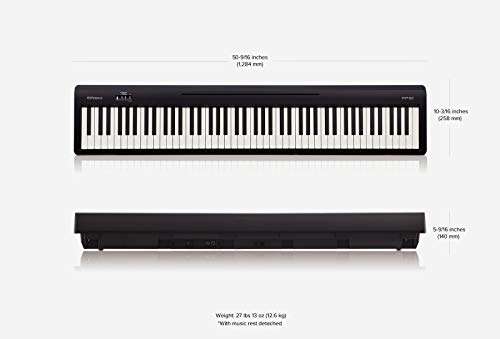
You do not need a full-size piano to gain hands-on experience. A small MIDI keyboard can connect to a computer, tablet, or phone. Many models have 25, 49, or 61 keys.
A MIDI keyboard may offer:
- Real physical keys
- Computer or tablet connection
- Digital instrument sounds
- Recording options
- Headphone use
- Affordable entry-level practice
A 25-key model is useful for melodies and basic theory. A 49-key or 61-key model gives you more room for two-hand practice. Weighted keys are closer to an acoustic piano, but they usually cost more.
Check compatibility before buying. You may need a cable, adapter, or special app. Also, some small keyboards do not include built-in speakers. You may need headphones or external speakers.
If you can borrow a keyboard from a friend, school, church, or community center, use that chance. Even one weekly session on real keys can improve your understanding of touch and spacing.
Learn from piano lessons and reliable resources
Online lessons can guide you when you do not have an instrument. Choose lessons that explain posture, note reading, rhythm, finger numbers, and practice habits.
A reliable beginner course should:
- Teach skills in a clear order
- Demonstrate correct hand position
- Include slow examples
- Explain common mistakes
- Offer practice tasks
- Avoid promising instant results
Music conservatories, universities, public libraries, and established music education groups often provide trustworthy learning materials. Research on music practice also supports slow repetition, clear goals, and regular feedback.
Be careful with videos that encourage stiff hands or painful exercises. Piano practice should not cause sharp pain. Stop if you feel pain, numbness, or lasting tension, and seek advice from a qualified teacher or health professional.
A teacher can also check habits that apps may miss. If you plan to buy a piano later, even one online lesson can help you avoid poor posture and inefficient finger movement.
Common mistakes to avoid
Learning piano without a piano can work well, but certain habits slow progress.
Avoid these mistakes:
- Waiting for perfect equipment before studying.
- Tapping hard on a table.
- Ignoring rhythm while chasing notes.
- Practicing only with one hand.
- Using too many apps at once.
- Skipping music reading.
- Playing too fast.
- Holding your breath during finger exercises.
- Expecting table practice to replace real keys.
- Learning songs without understanding the rhythm.
The biggest mistake is passive learning. Watching piano videos may feel productive, but watching is not the same as practicing. Always follow a lesson with an action, such as clapping, singing, writing notes, or playing on an app.
Another mistake is judging progress too soon. Your first goal is not to sound like a concert pianist. Your first goal is to build small skills that connect over time.
A four-week plan for learning piano without a piano
This simple plan can help you begin today.
Week 1: Learn the keyboard map
Study the musical alphabet and the groups of black keys. Learn to find every C, D, and E on a paper or virtual keyboard. Practice basic finger numbers.
Week 2: Build rhythm and reading skills
Use a metronome each day. Read simple notes on the treble clef. Clap quarter notes, half notes, whole notes, and basic eighth-note patterns.
Week 3: Add chords and scales
Learn the C major scale. Study the C major, F major, and G major chords. Play or tap each chord pattern on a virtual keyboard.
Week 4: Learn one complete melody
Choose one easy song. Read the notes, tap the rhythm, sing the melody, and play it slowly on a virtual keyboard. Record yourself so you can hear timing problems.
At the end of four weeks, try a real piano or keyboard if one is available. Notice what feels easy and what feels new. Use that experience to plan your next stage.
What skills can you learn without a piano?
You can develop many useful skills before buying an instrument:
- Music theory
- Note recognition
- Rhythm and counting
- Ear training
- Chord knowledge
- Scale knowledge
- Finger numbers
- Hand coordination
- Song memorization
- Sight-reading basics
- Practice discipline
These skills transfer to a real piano. They will not make you an advanced pianist by themselves, but they can shorten the difficult adjustment period.
The skills that need a real keyboard include touch control, pedal use, key resistance, hand spacing, and dynamic expression. You also need a piano to practice playing several notes at once with both hands in a natural way.
Knowing this difference keeps your expectations realistic. Learning piano without a piano is valuable, but it is best viewed as preparation.
Frequently Asked Questions About How Can I Learn Piano Without a Piano
Can I learn piano without owning a keyboard?
Yes. You can study notes, rhythm, chords, scales, and ear training with paper exercises, apps, and online lessons. Try to use a real or digital keyboard sometimes so you can develop touch and coordination.
Is a piano app good enough for beginners?
A piano app is useful for learning note locations, simple melodies, and basic chords. It cannot fully copy the feel, size, sound control, or pedal action of a real piano.
Can I practice piano on a table?
You can tap finger patterns on a table to improve basic coordination. Do not press hard, and remember that table tapping does not replace playing actual keys.
How long can I learn piano without a piano?
You can study away from a piano for weeks or months, depending on your goals. For the best progress, add regular practice on a keyboard when possible.
What is the cheapest way to learn piano without a piano?
Use free music theory lessons, a metronome app, a virtual keyboard, paper exercises, and borrowed access to a keyboard. This combination can teach many beginner skills with little or no cost.
Should I buy a MIDI keyboard or a digital piano?
Choose a MIDI keyboard if you mainly want a low-cost device for apps and computer software. Choose a digital piano if you want a wider keyboard, built-in sounds, pedals, and a feel closer to an acoustic piano.
Conclusion
Learning piano without a piano is possible when you focus on the skills that come before advanced playing. Study music theory, train your ear, tap rhythms, practice finger patterns, use a virtual keyboard, and learn simple songs in small sections.
Your progress may be slower in areas such as touch and two-hand technique, but you can still build a strong musical foundation. Start with 15 minutes today, follow a simple plan, and look for chances to practice on a real or digital keyboard.
Keep learning, track your progress, and explore trusted piano lessons or community keyboard programs when you can.

Senior Music Reviewer
Alex Carter is a seasoned music reviewer with over a decade of experience in the world of sound and instruments. Passionate about helping musicians and enthusiasts make informed choices, he brings sharp insights and in-depth knowledge to every review. From classical instruments to modern gear, Alex combines technical expertise with a love for music to deliver content that resonates with readers.
As a Senior Music Reviewer and expert author on Tuneluma.com, Alex is dedicated to sharing honest evaluations, practical advice, and thoughtful commentary to guide readers in their musical journey.