How Wide Is A Piano: Average Sizes And Space Guide
Most pianos are about 48 to 62 inches wide, while grand pianos can exceed 80 inches in length.
Knowing how wide is a piano helps you plan a room, measure doorways, and choose the right instrument with confidence. The exact size depends on the piano type, keyboard design, cabinet, and manufacturer, so a quick measurement guide can prevent costly moving problems.
How Wide Is a Piano?
Most standard pianos are between 48 and 62 inches wide. This measurement usually refers to the keyboard side, from the far left edge to the far right edge.
Here is a simple size guide:
• Upright piano: About 48 to 60 inches wide
• Spinet piano: About 36 to 40 inches high and 48 to 54 inches wide
• Console piano: About 48 to 56 inches wide
• Studio piano: About 48 to 58 inches wide
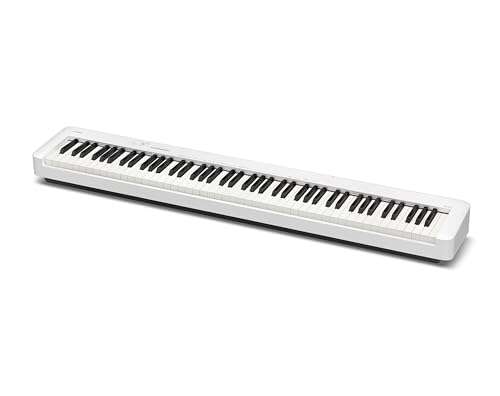
• Digital piano: About 45 to 58 inches wide
• Baby grand piano: About 54 to 60 inches wide
• Grand piano: About 55 to 62 inches wide
An upright piano is often taller than it is deep. A grand piano is usually similar in keyboard width, but its body extends much farther into the room.
The most common answer to “how wide is a piano?” is about 5 feet, or 60 inches. Still, you should check the exact model before planning delivery or furniture placement.
Standard Piano Width by Type
Pianos come in several forms. Each type has a different cabinet shape, but many full-size pianos use a similar 88-key keyboard.
Upright piano width
An upright piano is usually 48 to 60 inches wide. Its height can range from about 36 inches to more than 50 inches.
The width stays fairly consistent because the piano must fit 88 keys across the keyboard. The taller cabinet mainly adds longer strings and a larger soundboard, not extra keyboard width.
Upright pianos include:
• Spinet pianos
• Console pianos
• Studio pianos
• Professional upright pianos
A small spinet may be close to 48 inches wide. A larger professional upright may reach 60 inches or slightly more.
Grand piano width
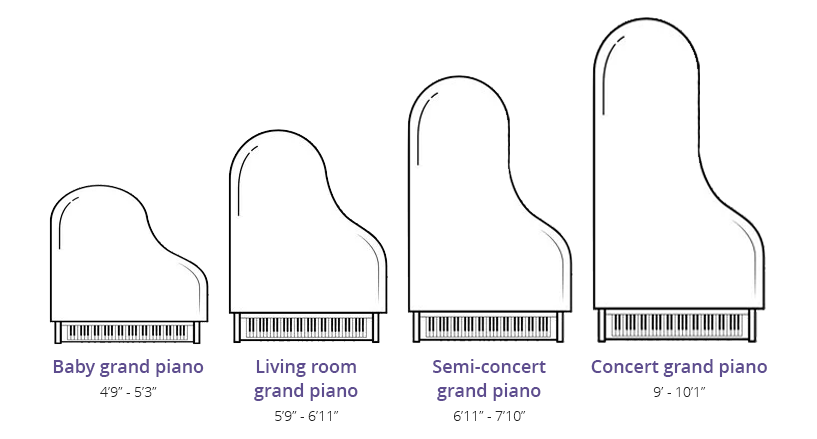
A grand piano is usually about 55 to 62 inches wide at the keyboard. Its length varies much more than its width.
Grand piano lengths often include:
• Baby grand: About 4 feet 6 inches to 5 feet 6 inches long
• Medium grand: About 5 feet 7 inches to 6 feet 6 inches long
• Parlor grand: About 6 feet 7 inches to 7 feet 6 inches long
• Concert grand: About 8 to 10 feet long
This creates a common source of confusion. People often ask how wide is a piano when they are really worried about the total floor space. For a grand piano, measure both the keyboard width and the curved body length.
Digital piano width
Digital pianos vary widely in design. A compact 88-key digital piano may be about 48 to 52 inches wide, while a cabinet-style model may be 55 to 60 inches wide.
Portable digital keyboards can be narrower if they have fewer than 88 keys. A 61-key keyboard may be around 35 to 40 inches wide, but it is not the same size as a full piano keyboard.
Why Piano Widths Are So Similar
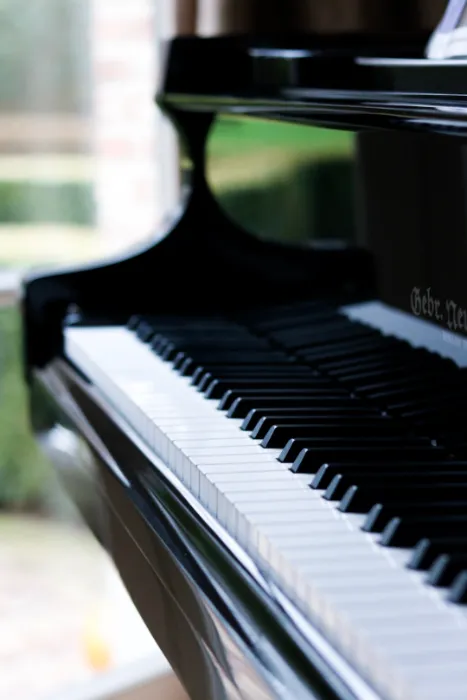
The piano keyboard controls much of the instrument’s width. A standard piano has 88 keys, including white and black keys, arranged in a fixed musical pattern.
The keys must be wide enough for accurate playing. If the keys were much narrower, finger placement would feel cramped and advanced playing would become difficult.
A full-size piano keyboard is commonly close to 48 to 52 inches wide. The outer cabinet adds several inches on each side. That is why the total piano width often reaches 50 to 60 inches.
Other parts also affect the final measurement:
• Side cheeks beside the keyboard
• Armrests or end blocks
• Decorative cabinet trim
• Music desk supports
• Control panels on digital pianos
• Hinges and removable covers
When researching how wide is a piano, always look for the manufacturer’s listed cabinet width. The keyboard width alone will not give you the correct delivery measurement.
Piano Width Measurements in Inches and Feet
Piano dimensions are often listed in both inches and feet. Understanding both formats makes it easier to compare models.
| Piano type | Typical width | Approximate width in feet |
|---|---|---|
| Spinet upright | 48 to 54 inches | 4 to 4.5 feet |
| Console upright | 48 to 56 inches | 4 to 4.7 feet |
| Studio upright | 48 to 58 inches | 4 to 4.8 feet |
| Professional upright | 54 to 60 inches | 4.5 to 5 feet |
| Digital piano | 45 to 60 inches | 3.75 to 5 feet |
| Grand piano | 55 to 62 inches | 4.6 to 5.2 feet |
A piano advertised as 5 feet wide may actually be 60 inches wide. Small differences matter when the instrument must pass through a narrow doorway.
In my experience helping people plan piano placement, many measure the wall but forget the path to that wall. A piano may fit the final room and still fail at the entry door, hallway, stairwell, or elevator.
How Much Space Does a Piano Need?
Piano width is only one part of the space plan. You also need room for the bench, the player’s legs, the lid, and safe movement around the instrument.
For an upright piano, plan for:
• Piano width: About 48 to 60 inches
• Piano depth: About 24 to 30 inches
• Bench space: About 24 to 36 inches in front
• Walking space: At least 30 inches where possible
A practical upright piano area may be about 5 feet wide and 6 to 7 feet deep. This gives the player enough space to sit comfortably without blocking a main walkway.
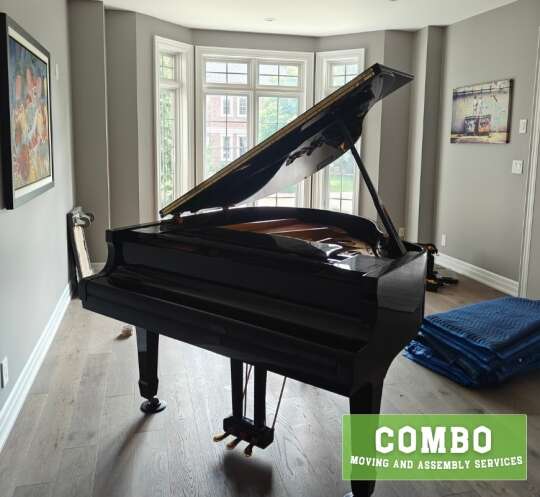
For a grand piano, space needs are much greater. The piano may be 5 feet wide but 5 to 10 feet long. The lid can also open into the room, so measure the lid position and not only the closed instrument.
Avoid placing a piano where it receives strong sunlight, sits beside a heat vent, or rests against a damp outside wall. Temperature and humidity changes can affect tuning, wood, glue, and the soundboard.

Measuring a Piano Correctly
A careful measurement takes only a few minutes. It can save time, money, and stress during delivery.
Use this process:
- Remove objects that block the piano’s edges.
- Measure from the widest point on the left to the widest point on the right.
- Measure the full depth from front to back.
- Measure the height from the floor to the highest fixed point.
- Measure doorways, halls, turns, and stairways.
- Check the diagonal clearance at narrow corners.
- Add protective padding space for the movers.
Do not measure only the keyboard. The cabinet, side panels, hinges, and trim may extend beyond the keys.
For a doorway, measure both the width and height. Then compare those numbers with the piano’s largest dimension after considering whether professional movers can tilt or rotate the instrument safely.
A piano is heavy, awkward, and delicate. Upright pianos can weigh several hundred pounds, while grand pianos may weigh more than 1,000 pounds. Professional piano movers use special equipment for a reason.

Doorway and Hallway Clearance
A piano may be 55 inches wide, but it does not always need to move through a doorway with a 55-inch opening. Movers may angle the instrument, especially when moving an upright piano through a standard door.
Even so, tight spaces create risks. The piano may scrape a wall, damage the door frame, or become stuck at a sharp turn.
Before delivery, check:
• Main entrance width
• Door height
• Interior doorway width
• Hallway width
• Ceiling height near stairs
• Elevator dimensions
• Stair turns and landings
• Porch and sidewalk access
• Outdoor gates and narrow paths
For grand pianos, movers may remove the legs and pedals. They may also place the piano on its side or use a special skid board. This work should be handled by trained piano movers.
One mistake I often see is measuring the front door but ignoring the storm door or interior trim. Measure the narrowest point, not the widest visible opening.
Piano Width and Keyboard Size
Most acoustic pianos have 88 keys. This includes 52 white keys and 36 black keys.
The key size is fairly standardized, but cabinet width is not. Two pianos may have keyboards with nearly identical playing dimensions while their outer cabinets differ by several inches.
Some digital pianos use narrower keys. These models can be easier to fit into a small apartment, but they may feel different from a traditional acoustic piano.
If you are buying a piano for serious study, test the key width and touch. A compact design may save space, but comfort and playing feel matter just as much as the measurement.
Ask the seller for these details:
• Total cabinet width
• Usable keyboard width
• Total depth
• Total height
• Weight
• Stand or leg width
• Space needed for pedals
This information gives you a much clearer answer to how wide is a piano than a general size estimate.
How Wide Is a Piano Bench?
A piano bench is usually 22 to 36 inches wide. Adjustable benches may be wider and heavier than simple wooden benches.
A bench should be wide enough for the player to sit with balanced posture. It should also slide under or near the piano without blocking nearby furniture.
When planning the room, add the bench depth to the piano’s depth. A standard bench may extend 14 to 20 inches from the front of the piano.
For a family piano, an adjustable bench can be useful. It lets children and adults sit at a better playing height, which supports good technique and reduces strain.
Common Piano Width Mistakes to Avoid
Small measurement errors can cause large problems. These are the most common mistakes:
• Measuring only the keyboard
• Forgetting cabinet trim
• Ignoring door handles and hinges
• Measuring the room but not the delivery path
• Assuming every upright piano is the same size
• Forgetting bench and player clearance
• Overlooking stair turns
• Moving the piano without proper equipment
• Placing the piano beside a radiator
• Trusting an online size without checking the model number
Another mistake is confusing piano width with piano length. On an upright piano, width is the long side across the keys. On a grand piano, length usually refers to the distance from the keyboard to the back curve.
Always use the manufacturer’s specifications when available. If those specifications are missing, ask the seller to measure the widest and deepest points.
Choosing the Right Piano for Your Room
A small room does not automatically rule out a piano. It simply requires a more careful choice.
For an apartment or compact room, consider:
• A spinet or console upright
• A slim digital piano
• A wall position away from direct heat
• A folding or compact bench
• Clear walking space around the instrument
For a larger living room, a studio upright or baby grand may work well. A grand piano can become the visual center of the room, but it should not make the space feel crowded.
Leave enough room to open the keyboard lid and sit comfortably. You should also be able to walk past the piano without brushing against sharp corners.
If you are unsure how wide is a piano for a particular room, mark the planned size on the floor with painter’s tape. This simple trick lets you test the visual and walking space before delivery.
Piano Width and Moving Costs
The width of a piano can affect moving difficulty, but weight and shape matter just as much. A narrow upright may be harder to move than expected because its weight is tall and unevenly balanced.
Moving costs may rise when the route includes:
• Stairs
• Tight corners
• Long carrying distances
• Narrow elevators
• Gravel or uneven ground
• Multiple doorways
• Piano disassembly
• Special lifting equipment
Give the moving company accurate measurements. Include photos of the entrance, stairs, and tight areas when requesting a quote.
Never move an acoustic piano by pushing it across the floor. This can damage the legs, casters, floor, and internal structure. A piano mover can protect the instrument and reduce the chance of injury.
How Wide Is a Piano: Quick Reference
For most buyers, these figures provide a useful starting point:
• Small upright piano: About 48 to 54 inches wide
• Standard upright piano: About 50 to 60 inches wide
• Large upright piano: About 55 to 62 inches wide
• 88-key digital piano: About 48 to 60 inches wide
• Baby grand piano: About 55 to 60 inches wide
• Larger grand piano: About 58 to 62 inches wide
These are typical ranges, not guarantees. Decorative cabinets, unusual designs, and custom instruments can fall outside them.
The safest approach is to treat these numbers as planning estimates. Confirm the exact dimensions before buying, renting, or moving any piano.
Frequently Asked Questions: How Wide Is a Piano?
How wide is a standard upright piano?
A standard upright piano is usually about 48 to 60 inches wide. Most models are close to 5 feet wide, but the exact size depends on the cabinet and manufacturer.
How wide is a baby grand piano?
A baby grand piano is commonly about 54 to 60 inches wide at the keyboard. Its length is often between 4 feet 6 inches and 5 feet 6 inches.
Can a piano fit through a 30-inch doorway?
Some upright pianos can fit through a 30-inch doorway when professionally tilted and moved with proper protection. Measure the piano, door frame, hinges, and turning space before scheduling delivery.
How wide is an 88-key digital piano?
Most 88-key digital pianos are about 45 to 58 inches wide. Cabinet-style models may be wider, while portable models are often more compact.
Does piano width include the keyboard cover?
Manufacturer measurements usually include the full cabinet and fixed parts, but practices can vary. Ask whether the listed width includes side cheeks, trim, and any attached controls.
How much wall space does an upright piano need?
An upright piano often needs about 5 feet of wall width. Allow extra space for the bench, walking paths, doors, and nearby furniture.
Is every piano keyboard the same width?
No. Many acoustic pianos use a similar full-size 88-key layout, but digital keyboards may use narrower keys or fewer keys. Always test the keyboard if playing comfort is important.
Conclusion
Most pianos are about 48 to 62 inches wide, with upright models near 5 feet and grand pianos usually close to 55 to 62 inches at the keyboard. The full space requirement can be much larger, especially for a grand piano.
Measure the piano’s widest point, depth, height, bench area, and complete delivery path. Then confirm the exact specifications for the model you want before making a purchase or arranging a move.
Use painter’s tape to mark the footprint, protect clear walking space, and hire trained movers for heavy instruments. If this guide helped, explore more piano size and placement resources or share your measurements in the comments.

Senior Music Reviewer
Alex Carter is a seasoned music reviewer with over a decade of experience in the world of sound and instruments. Passionate about helping musicians and enthusiasts make informed choices, he brings sharp insights and in-depth knowledge to every review. From classical instruments to modern gear, Alex combines technical expertise with a love for music to deliver content that resonates with readers.
As a Senior Music Reviewer and expert author on Tuneluma.com, Alex is dedicated to sharing honest evaluations, practical advice, and thoughtful commentary to guide readers in their musical journey.