Choose a correctly sized violin, inspect its setup, and buy from a seller with a fair return policy.
Learning how to buy a violin for a beginner can feel confusing. Violins come in many sizes, materials, brands, and price ranges. A low price does not always mean good value, and a costly violin may not suit a new player.
This guide explains how to buy a violin for a beginner with practical advice used by teachers, repair shops, and experienced players. You will learn how to choose the right size, compare materials, spot setup problems, set a realistic budget, and avoid common buying mistakes.


Start With the Player, Not the Brand
The best beginner violin is not always the most famous model. It is the violin that fits the player, responds with ease, stays in tune, and feels comfortable under the chin.
When learning how to buy a violin for a beginner, start with these questions:
• Who will play the violin?
• What is the player’s age and arm length?
• Is the player taking private lessons, joining a school orchestra, or learning at home?
• Will the player need a full outfit with a bow, case, shoulder rest, and rosin?
• Is there a teacher who can inspect the instrument before purchase?
A student who practices several times each week needs a reliable instrument. A child who is only trying violin for the first time may need a less costly outfit. However, the cheapest violin can create problems if it has poor tuning pegs, a warped bridge, or badly fitted strings.
A violin should make practice easier, not feel like a locked door. Good beginner instruments still require work, but they should produce a clear sound when the player uses basic technique.
Choose the Correct Violin Size
Size is one of the most important parts of how to buy a violin for a beginner. Children usually need smaller violins, while most teens and adults use a full-size violin.


Common violin sizes include:
• 1/16 size for very young children
• 1/10 size for small children
• 1/8 size for young players
• 1/4 size for children with short arms
• 1/2 size for growing children
• 3/4 size for older children and smaller teens
• 4/4, or full size, for most teens and adults
Age charts can help, but they are not enough. Two children of the same age may need different sizes. Arm length, hand size, posture, and comfort matter more than age alone.
A teacher or violin shop should measure the player. One common check is to place the violin under the player’s chin and extend the left arm under the instrument. The player should be able to curl the fingers around the scroll without stretching or losing control.
A violin that is too large can cause tension in the shoulder, wrist, and fingers. A violin that is too small may limit comfort and sound. When learning how to buy a violin for a beginner, always treat fit as a first priority.

Understand the Main Parts of a Violin
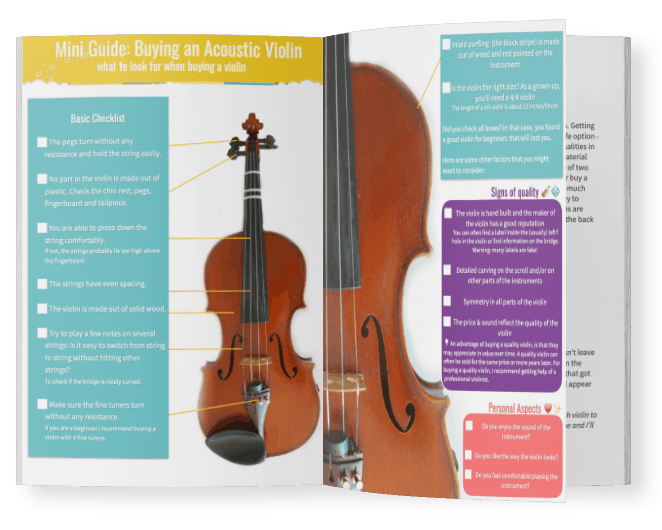
You do not need to become a violin maker before shopping. Still, knowing the basic parts helps you make a smart choice.
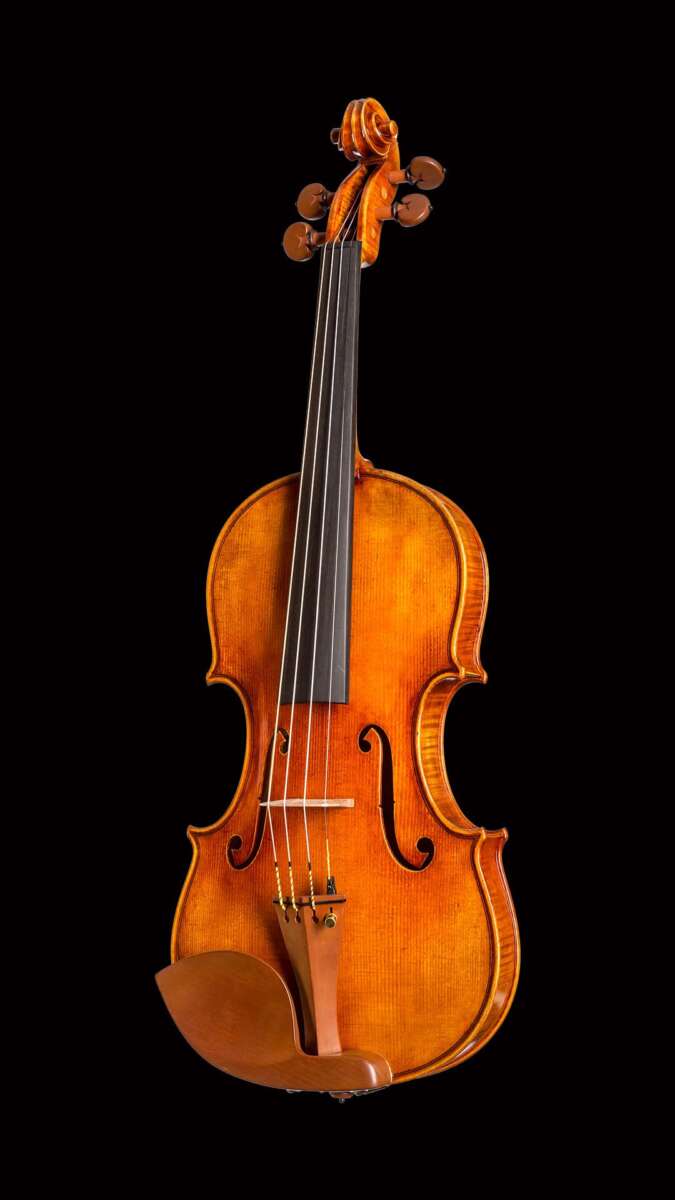
The body
the body includes the top, back, ribs, and scroll. The top is often made from spruce. The back and ribs are commonly made from maple. These woods help the violin create a bright, focused tone.
Many low-cost student violins use laminated wood or composite materials. These materials may be less responsive than solid wood, but they can still work for a young beginner when the setup is good.


The neck and fingerboard
The neck should feel straight and secure. The fingerboard is usually made from ebony. It should have a smooth surface and the correct curve.
A fingerboard that is uneven or made from soft, poorly finished wood can make notes hard to play. It may also need costly correction later.
The bridge
The bridge transfers string vibration to the body. It should stand upright and align correctly with the violin.
A new violin often needs the bridge fitted by a professional. The feet should match the violin’s top, and the bridge should not lean sharply toward the fingerboard or tailpiece.
The tuning pegs and fine tuners
Pegs should turn smoothly but hold their position. If they slip, the violin will not stay in tune.
Fine tuners make small pitch changes easier. Many beginner violins have fine tuners on all four strings. This is useful for new players, even though advanced players may use only one fine tuner or none.
Understanding these parts makes it easier to judge quality when learning how to buy a violin for a beginner.

Focus on Setup Quality
Setup is the adjustment of the violin for comfortable playing. It can matter as much as the wood or brand.
A well-set-up beginner violin should have:
• A bridge with the correct shape and position
• Strings that sit at a comfortable height
• Pegs that turn and hold firmly
• A smooth fingerboard
• A tailpiece that fits correctly


• A properly fitted sound post
• A nut with clean, even string grooves
• A bow that is straight and properly haired
Poor setup can make a decent violin feel defective. The player may struggle to press the strings, tune the instrument, or produce a clear tone. This often leads beginners to think they lack talent when the real problem is the instrument.
A useful lesson from helping new players is simple: never judge a violin by its case alone. A shiny finish cannot fix slipping pegs or an incorrectly cut bridge.
Ask the seller whether a violin has been set up by a qualified luthier. A luthier is a trained violin maker or repair specialist. If the answer is unclear, ask for a written list of the work completed.
Set a Realistic Beginner Violin Budget
The right budget depends on the player’s goals. A beginner violin outfit may cost anywhere from about $150 to more than $1,000 in the United States.
Very low-cost outfits may include:
• A basic violin
• A bow
• A lightweight case
• Rosin
Some inexpensive outfits can work for early practice. Others may have poor fittings, weak bows, or unstable tuning. Reviews alone cannot reveal every problem.
A practical budget range may look like this:


• Under $200: suitable only when carefully inspected and bought with a return option
• $200 to $600: often a reasonable range for a dependable student outfit
• $600 to $1,200: useful for serious beginners who want better materials and a longer playing life
• More than $1,200: usually unnecessary for a first violin unless a teacher recommends it
Prices vary by region, brand, craftsmanship, accessories, and setup. Rental may be a better choice for a child who may outgrow the instrument soon.
When learning how to buy a violin for a beginner, remember that the lowest price is not always the lowest total cost. A cheap violin may require a new bridge, strings, pegs, and professional repairs. Those costs can exceed the original savings.
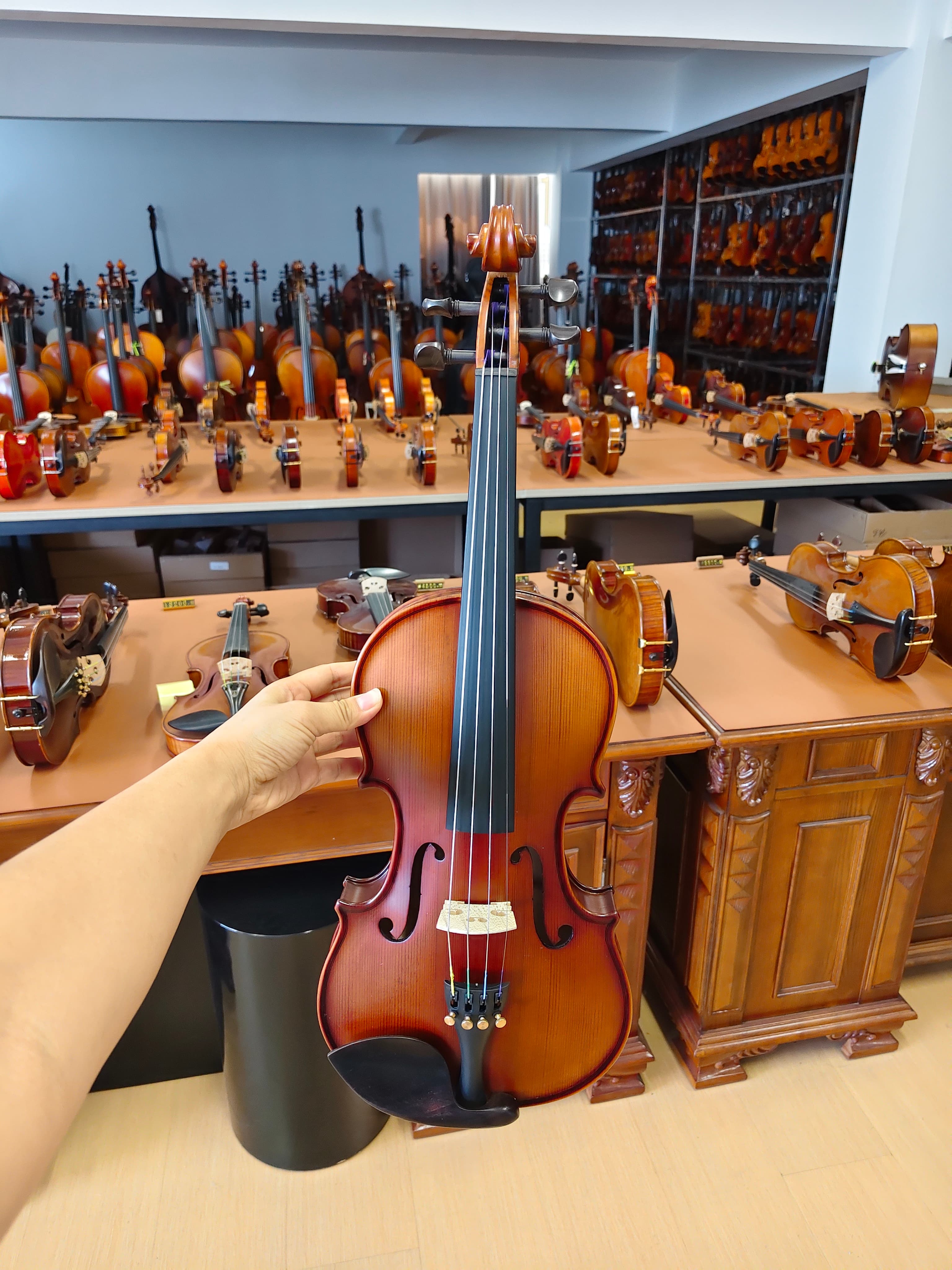
Compare New, Used, and Rental Violins
Each buying option has benefits and limits.
New violins
A new violin usually offers a clean history and a return policy. It may also come with a warranty.
The main risk is that some factory-made violins need setup work before they are ready to play. Buy from a shop that checks each instrument, rather than a seller that ships unopened boxes.
Used violins
A used violin can offer better value. Older instruments may have a richer sound, but age alone does not prove quality.
Before buying a used violin, inspect:
• Cracks on the top, back, and ribs
• Repairs near the sound post and bridge
• Loose seams


• A warped or damaged neck
• Pegs that do not hold
• A bridge that is too low, too high, or badly cut
• Signs of water damage or poor storage
Minor scratches are usually not serious. Open cracks, neck damage, and bad repairs can be expensive.
Rental violins
Rental is often wise for children. Many music shops offer rent-to-own plans, which may allow some payments to apply toward a future purchase.
Rental programs also make size changes easier. Check the contract for insurance, repair coverage, upgrade rules, and cancellation terms.
For many families, renting first is the safest way to test commitment. For an adult who already knows they want to study, buying a quality beginner violin may offer better long-term value.
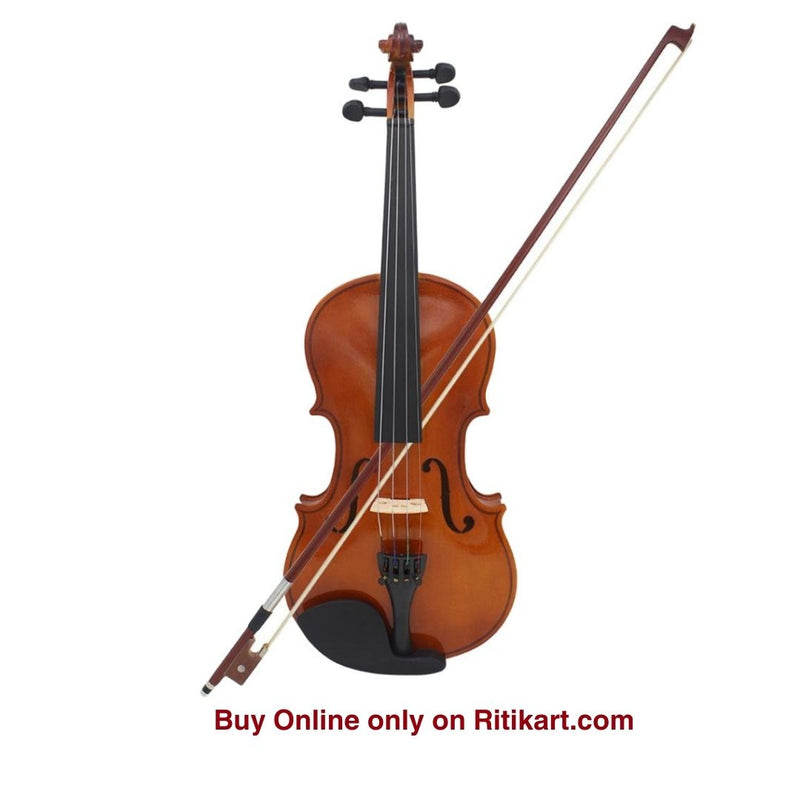
Test the Violin Before You Buy
If possible, test several violins in the same room. A violin can sound warm in one space and harsh in another.
A beginner may not yet know how to play well enough to compare instruments. Ask a teacher or advanced player to test them. This is one of the most useful steps in how to buy a violin for a beginner.
Ask the tester to compare:
• Ease of producing a clear sound
• Volume without harshness
• Response on all four strings
• Comfort under the chin
• Ease of tuning
• Smoothness of the pegs
• Balance between low and high notes
Listen for buzzing, rattling, weak notes, or a tone that feels thin. Some sound differences are personal. A teacher may prefer a bright violin, while another player may prefer a warm tone.
If you cannot test the violin in person, buy from a seller with a clear return window. Keep the packaging until a teacher has checked the instrument.
Do not rush because a sales page says only one item remains. A good violin purchase should feel calm and practical.

Inspect the Bow and Accessories
A violin is sold as an outfit, but each part matters. A poor bow can make a good violin difficult to play.
The bow should be straight when viewed from the frog to the tip. The hair should be even, clean, and firmly attached. The screw should turn smoothly, and the frog should not wobble.
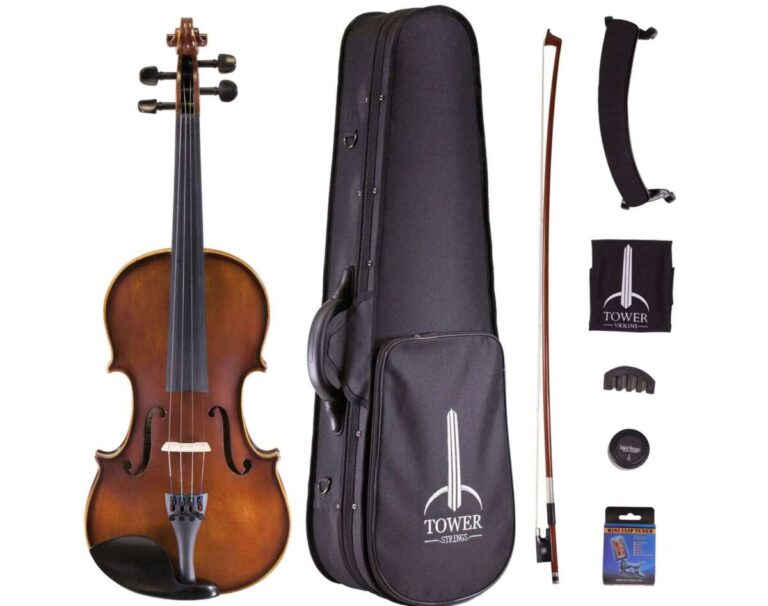
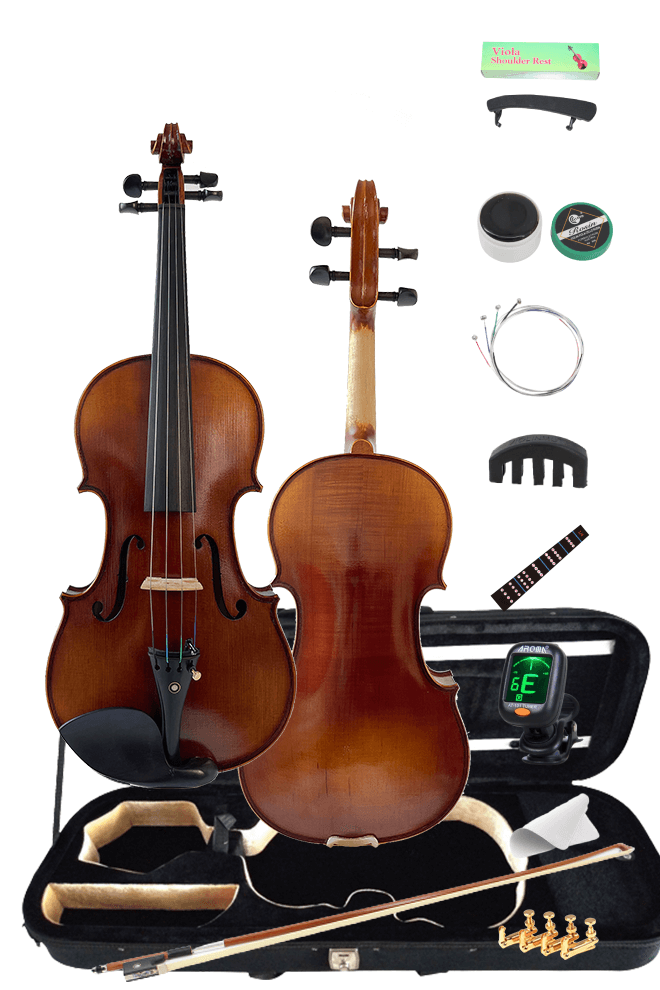
A useful beginner outfit may include:
• A violin in the correct size
• A properly haired bow
• A durable case
• Rosin
• A shoulder rest
• An extra set of strings
• A cleaning cloth
• A tuner or metronome
The shoulder rest is not always required, but many players find it improves comfort. It should fit the violin and support relaxed posture.
Avoid using household cleaners on the instrument. Wipe rosin dust from the strings and body with a dry, soft cloth after playing. Excess rosin can damage the finish over time.
Know Which Materials and Brands Matter
A brand name can help, but it should not replace inspection. Several companies make solid student instruments, and quality can vary within the same product line.
Look for clear information about:
• The wood or composite materials
• The size
• The included accessories
• The setup process
• The warranty
• The return policy
• The repair or replacement process
A solid spruce top and maple back are common features in student violins. However, materials alone do not guarantee good sound. Craftsmanship, graduation, varnish, fittings, and setup all affect performance.
Do not assume that an expensive “antique” label means the violin is valuable. Some old violins need major repairs. In contrast, a well-made modern student violin may be more reliable for lessons.
The most trusted sellers explain limitations. They do not promise that every violin has a professional concert sound. A beginner instrument should offer stable tuning, comfort, and a clear path for learning.
Avoid Common Beginner Buying Mistakes
Knowing what not to do is a major part of how to buy a violin for a beginner.
Buying only by price
The cheapest option may have serious setup problems. Compare total value, not just the sticker price.
Choosing the wrong size
A child should not use a full-size violin simply because it will “last longer.” Poor fit can cause tension and slow progress.
Trusting online photos
Photos can hide cracks, warped bridges, and poor fittings. Ask for detailed information and a return policy.
Ignoring the bow
A weak or badly shaped bow can make it hard to create a steady sound. Give the bow the same attention as the violin.
Skipping professional advice
A short inspection by a teacher or luthier can prevent an expensive mistake. This is especially important for used instruments.
Expecting instant beautiful sound
Even a good violin may sound rough during the first weeks. Bow control, finger placement, and regular practice shape the sound.
Forgetting future costs
Plan for lessons, replacement strings, bow rehairing, repairs, and a better case if needed. These costs are part of learning violin.
A Simple Buying Process
Use this step-by-step plan when you are ready to shop.
-
Ask a teacher to recommend a size and budget.
-
Decide whether renting or buying makes more sense.
-
Visit a reputable violin shop or compare sellers with strong return policies.
-
Try several violins in the correct size.
-
Have a teacher or experienced player test them.
-
Inspect the bridge, strings, pegs, fingerboard, seams, and bow.
-
Confirm what accessories are included.
-
Ask whether the instrument has received professional setup.
-
Read the warranty, return rules, and repair terms.
-
Keep all receipts and packaging until the violin has been approved.
This process may take an extra hour, but it can save weeks of frustration. When learning how to buy a violin for a beginner, careful comparison is more useful than impulse.
How to Care for a Beginner Violin
A good purchase needs good care. Keep the violin in its case when you are not playing it. Do not leave it in a hot car, near a heater, or in direct sunlight.
Loosen the bow after every practice session. Wipe rosin dust from the instrument. Check the bridge often to ensure it remains upright.
Change strings when they sound dull, feel rough, or no longer hold tune well. A teacher or shop should replace strings for a beginner, since the bridge can fall when all strings are removed at once.
Schedule professional maintenance when needed. Small problems are easier and cheaper to fix than neglected damage.
A violin is made from wood, glue, and careful tension. Think of it like a small wooden machine. It works best when stored safely and adjusted with care.
Frequently Asked Questions About How to Buy a Violin for a Beginner
What is the best violin size for a beginner?
Most teens and adults use a 4/4 full-size violin. Children need a size based on arm length and comfort, so a teacher or violin shop should measure them.
How much should a beginner violin cost?
A dependable beginner outfit often costs between $200 and $600, though prices vary. A teacher may recommend spending more for a serious student or renting for a growing child.
Is it better to rent or buy a beginner violin?
Renting is often best for children who may need a larger size soon. Buying can make sense for adults or students who are committed to regular practice.
Can a beginner buy a violin online?
Yes, but choose a seller with professional setup, clear photos, reliable support, and a reasonable return period. Avoid sellers that provide no details about sizing, condition, or repairs.
Should a beginner buy a used violin?
A used violin can be a good value if a teacher or luthier checks it first. Avoid instruments with open cracks, neck problems, loose seams, or major repair needs.
Does a more expensive violin sound better?
Price can reflect better materials and craftsmanship, but it does not guarantee a better fit or sound for every player. Setup, comfort, and the player’s needs matter just as much.
What accessories does a beginner need?
Most beginners need a bow, case, rosin, shoulder rest, cleaning cloth, and tuner. An extra set of strings is also helpful, although a teacher should install them at first.
Conclusion
Buying a violin for a beginner becomes much easier when you focus on fit, setup, sound, and seller support. Choose the correct size, compare several instruments, inspect the bow and fittings, and ask a teacher or luthier for help.
Do not chase the lowest price or the most impressive brand name. A reliable, comfortable violin can make practice feel rewarding and help a new player build confidence.
Use this guide as your checklist, visit a trusted shop, and take your time. If you have questions or a beginner violin experience to share, leave a comment and keep exploring reliable music-learning resources.

Senior Music Reviewer
Alex Carter is a seasoned music reviewer with over a decade of experience in the world of sound and instruments. Passionate about helping musicians and enthusiasts make informed choices, he brings sharp insights and in-depth knowledge to every review. From classical instruments to modern gear, Alex combines technical expertise with a love for music to deliver content that resonates with readers.
As a Senior Music Reviewer and expert author on Tuneluma.com, Alex is dedicated to sharing honest evaluations, practical advice, and thoughtful commentary to guide readers in their musical journey.