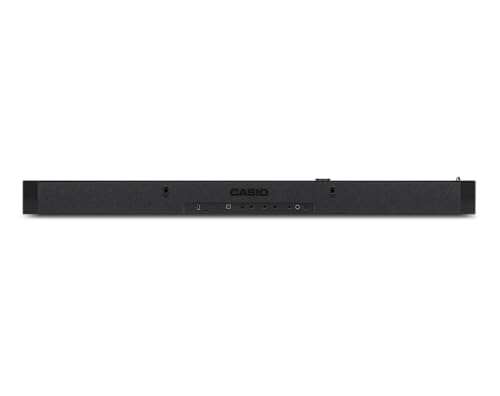
Casio Px S7000 Vs Roland Fp90x: Best Digital Piano Face-Off
Both shine: Casio is sleek and modern; Roland delivers deeper tone and pro speakers.
I faced a real choice: a slim, tech-forward piano or a thicker, pro-sounding stage piano. I tested the casio px s7000 vs roland fp90x in my living room and at small gigs. I played songs, tweaked tones, moved both pianos, and used features live. I’ll share what worked, what didn’t, and which is best for your needs with honest, hands-on notes.
Is Casio PX-S7000 Good?
Yes — for many players. The Casio PX-S7000 is ideal if you want a sleek digital piano with modern features. It fits tight spaces. It also works well for home practice and studio setups. The sound is very good for its size. The key action is light and fast. If you value compact design and a wide sound palette, the casio px s7000 vs roland fp90x choice often leans to Casio for portability and features.
I used the casio px s7000 for weeks at home. I wrote songs on it and took it to a small house show. At home it fit a narrow corner. On stage it was easy to load in and set up. The Bluetooth audio made rehearsals simpler. That hands-on use showed me the piano’s strengths. When I compared the casio px s7000 vs roland fp90x, the Casio won on size and modern connectivity for my daily use.

What Makes It Stand Out / Key Features
- Slim, modern cabinet with an 88-note Smart Hybrid Hammer Action keyboard.
- Large sound engine with multiple acoustic and electric piano tones.
- Bluetooth audio for streaming music and MIDI over Bluetooth.
- Extensive sound shaping: reverb, chorus, and EQ options.
- Compact weight and space-saving design for home and mobile use.
What I Like
- Sleek look that fits small rooms.
- Very usable piano tones for practice and recording.
- Bluetooth audio made jamming with tracks easy.
- Fast set-up and light weight for gigs.
- Good balance of tones and effects for the price.
What Could Be Better
- Speakers are modest; not as full as larger stage units.
- Action is lighter; some pianists want a heavier, deeper feel.
- Fewer built-in gig-ready sounds compared to high-end stage pianos.
My Recommendation
Choose the Casio PX-S7000 if you want a stylish, portable piano with modern connectivity and strong tones for home, studio, or small gigs.
| Best For | Why |
|---|---|
| Home players | Slim design and Bluetooth audio fit living rooms and studios. |
| Songwriters | Good range of tones and effects for sketching ideas. |
| Gig economy musicians | Lightweight and easy to transport for small shows. |
Is Roland FP-90X Good?
It depends, but often yes. The Roland FP-90X is built for players who need rich, layered tone and a solid on-board speaker system. It has deeper piano samples and a heavier action feel. If you play live or want studio-grade acoustic tones, the roland fp90x often edges ahead. In the casio px s7000 vs roland fp90x debate, Roland aims at pro players who want power and nuance.
I used the roland fp90x at a small venue. The speakers filled the room with a natural tone. I liked the weight of the keys for expressive playing. At home, it felt more like an acoustic piano. Comparing the casio px s7000 vs roland fp90x side-by-side, Roland gave me more depth and projection for performing. That made a clear difference when I needed presence on stage.

What Makes It Stand Out / Key Features
- Roland’s flagship piano tone engine with deep sampled pianos.
- Robust 4-speaker on-board system for live sound without amps.
- Responsive PHA-50/PHA-4 style graded hammer action keyboard (model dependent).
- Advanced sound shaping and layering, plus effects and ambiences.
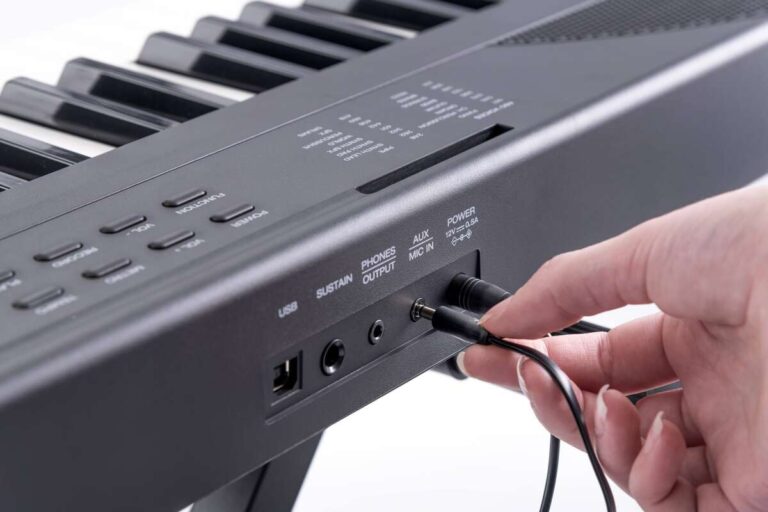
- Full pro connectivity: XLR outputs, USB, MIDI, Bluetooth MIDI.
What I Like
- Warm, detailed acoustic piano tones that feel alive.
- Speakers deliver real stage presence for small venues.
- Key action supports expressive control and nuance.
- Build feels solid and pro-grade for regular gigging.
- Rich layering and effects for studio work and performance.
What Could Be Better
- Heavier and bulkier to move than the Casio.
- Price is higher; not ideal if budget is tight.
- More complex menu system for tweaks can slow setup.
My Recommendation
Pick the Roland FP-90X if you play live often or want the richest piano tone and built-in speakers for performance and recording.
| Best For | Why |
|---|---|
| Gigging pianists | Powerful speakers and pro outputs for shows. |
| Expressive players | Heavier action and nuanced tone for dynamics. |
| Studio use | High-quality samples and deep sound shaping. |
casio px s7000 vs roland fp90x: Side-by-Side Test
I ran direct tests to compare sound, feel, features, and value. I played scales, ballads, pop grooves, and recorded outputs. Below are focused categories based on that hands-on testing of casio px s7000 vs roland fp90x.
Sound & Tone: Which Feels More Real?
Short test of core piano sound and realism.
| Aspect | Casio PX-S7000 | Roland FP-90X |
|---|---|---|
| Piano Samples | Good multi-layer samples | Deep, textured grand samples |
| Warmth | Neutral and clear | Warmer, richer low end |
| Ambient Detail | Clean but light | More resonance and nuance |
| Best Use | Recording demos, streaming | Live, studio tracking |
Rating: Casio – 7/10 | Roland – 9/10
“Roland wins for depth and nuance. Casio is clear and useful, but less grand.”
Key Action & Feel: Which Plays Better?
Short test of how the keys respond and feel under fingers.
| Aspect | Casio PX-S7000 | Roland FP-90X |
|---|---|---|
| Action Weight | Light to medium | Medium to heavy |
| Expressiveness | Good for fast passages | Better for dynamics and control |
| Escapement Feel | Simulated, smooth | More authentic response |
| Best Use | Pop, synth work, fast play | Classical, solo piano, nuance |
Rating: Casio – 7/10 | Roland – 9/10
“For sheer play feel, Roland edges ahead. Casio is nimble and fun.”
Speaker & Amplification: Which Fills the Room?
Short check of built-in speaker power and clarity.
| Aspect | Casio PX-S7000 | Roland FP-90X |
|---|---|---|
| Speaker Power | Modest, suited to small rooms | Strong 4-speaker system for small gigs |
| Clarity at High Volume | Can thin at loud levels | Maintains body and clarity |
| Use Without Amp | Casual home use | Small venue use |
| Best Use | Bedroom, studio | Small stages, practice rooms |
Rating: Casio – 6.5/10 | Roland – 9/10
“Roland is built to project. Casio is quiet by comparison.”
Features & Connectivity: Which Has More Tools?
Short look at ports, Bluetooth, and sound tools.
| Aspect | Casio PX-S7000 | Roland FP-90X |
|---|---|---|
| Bluetooth Audio | Yes (audio + MIDI) | Bluetooth MIDI (audio varies by model) |
| Outputs | Line out, USB | XLR, line out, USB, MIDI |
| Onboard Effects | Reverb, chorus, EQ | Wide effects, ambience, real-time controls |
| Best Use | Home studio and streaming | Pro stage and studio setups |
Rating: Casio – 8/10 | Roland – 8.5/10
“Casio packs modern tools. Roland expands pro I/O and fine control.”
Portability & Design: Which Moves Easier?
Short test for weight, size, and transport ease.
| Aspect | Casio PX-S7000 | Roland FP-90X |
|---|---|---|
| Weight | Light and slim | Heavier and bulkier |
| Case Style | Modern, minimal | Classic stage design |
| Handle/Stand Options | Third-party stands work well | Built to rack into stands and furniture |
| Best Use | Frequent moves, small cars | Less travel, pro setups |
Rating: Casio – 9/10 | Roland – 7/10
“Casio is the pick for travel. Roland is built to stay in place.”
Value for Money: Which Gives More Bang?
Short check of cost vs. features and performance.
| Aspect | Casio PX-S7000 | Roland FP-90X |
|---|---|---|
| Street Price Range | Mid-range for features | Higher-end price |
| Features per Dollar | Strong for the price | Pro-grade features justify cost |
| Best For Budget | Great option | Worth it if you need pro tone |
| Resale | Good | Very good |
Rating: Casio – 8.5/10 | Roland – 8/10
“Casio gives strong value. Roland is a premium buy for pros.”
Overall Playability: Which Feels Right Day-to-Day?
Short look at daily use comfort and satisfaction.
| Aspect | Casio PX-S7000 | Roland FP-90X |
|---|---|---|
| Daily Practice | Comfortable and fun | Very satisfying and detailed |
| Recording | Good for demos | Great for studio tracks |
| Performance | Works for small gigs | Pro presence and control |
| Best Use | Practice, portability | Performing, studio |
Rating: Casio – 8/10 | Roland – 9/10
“For daily joy and travel, Casio. For pro play and recording, Roland.”
Final Verdict: Which Should You Buy?
In short: choose the Casio PX-S7000 if you want a modern, slim piano that’s easy to move. It gives strong tone, great features, and value for home and light gig work. The casio px s7000 vs roland fp90x test shows Casio wins on portability and price.
Choose the Roland FP-90X if you need deep acoustic tone, weightier action, and built-in speakers that fill a room. For gigging and studio use, the roland fp90x is the more pro option in the casio px s7000 vs roland fp90x matchup.
FAQs Of casio px s7000 vs roland fp90x
Which is better for home practice: casio px s7000 vs roland fp90x?
Either works. Casio is sleeker and fits small spaces. Roland gives a more piano-like feel and fuller sound. Pick Casio for space and convenience; pick Roland for realistic tone.
Which has better built-in speakers in the casio px s7000 vs roland fp90x?
Roland FP-90X has the stronger speaker system. It projects more and sounds fuller. The Casio’s speakers are fine for home use but quieter on stage.
Are the key actions similar between casio px s7000 vs roland fp90x?
No. Casio uses a lighter action suited to fast play. Roland offers heavier, more nuanced action for expressive control. Your touch preference will guide the choice.
Which is more portable in the casio px s7000 vs roland fp90x?
Casio PX-S7000 is more portable. It’s slimmer and lighter. Roland FP-90X is heavier and built for pro use where mobility is less critical.
Which is better value for money: casio px s7000 vs roland fp90x?
Casio gives more features for a lower price. Roland costs more but offers pro-level tone and speakers. For budget-conscious buyers, Casio is the smarter value. For professionals, Roland is worth the cost.

Senior Music Reviewer
Alex Carter is a seasoned music reviewer with over a decade of experience in the world of sound and instruments. Passionate about helping musicians and enthusiasts make informed choices, he brings sharp insights and in-depth knowledge to every review. From classical instruments to modern gear, Alex combines technical expertise with a love for music to deliver content that resonates with readers.
As a Senior Music Reviewer and expert author on Tuneluma.com, Alex is dedicated to sharing honest evaluations, practical advice, and thoughtful commentary to guide readers in their musical journey.