What Are The Notes On A Piano: Simple Piano Notes Guide
A piano has 88 keys that repeat the 12 basic notes (A to G with sharps/flats).
I’ve taught and played piano for years, so I know what are the notes on a piano inside and out. This guide walks you through the layout, names, octaves, common scales, and practical tips to read and use piano notes confidently. You’ll get clear examples, simple tricks, and real-world experience to help you learn faster.

How the piano keyboard is laid out
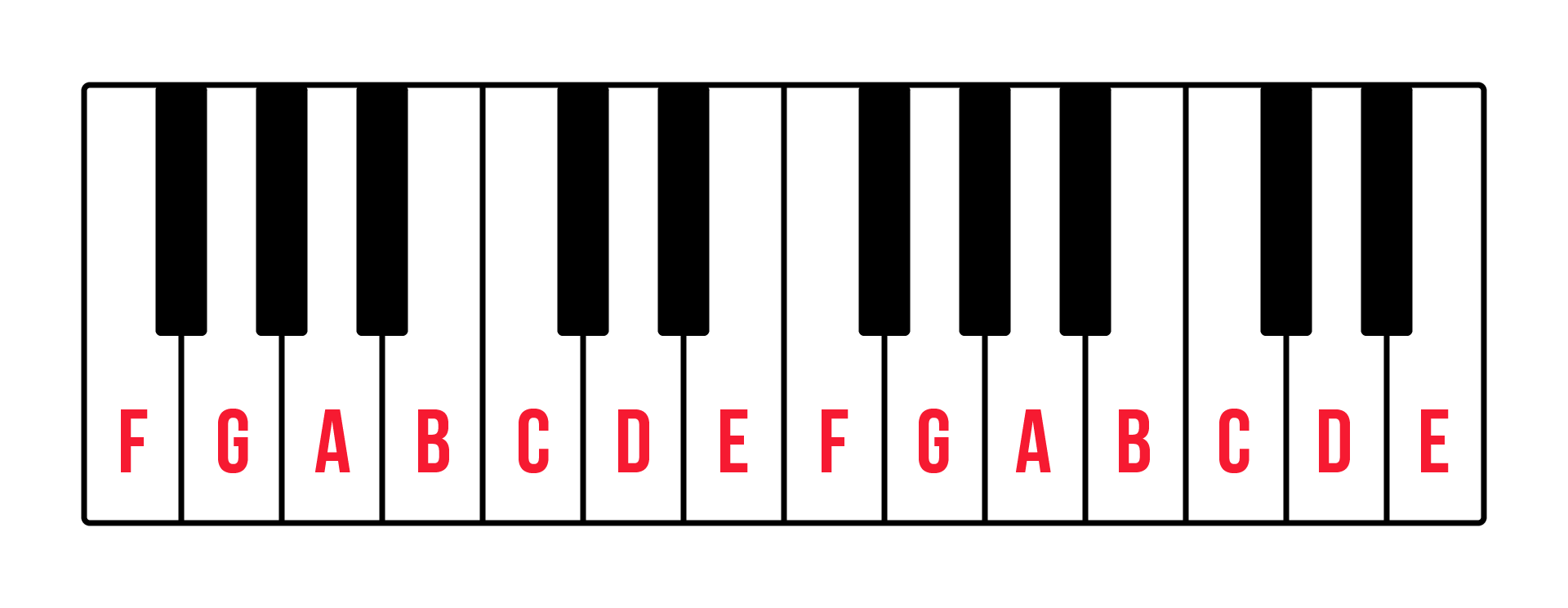
A standard piano keyboard has 88 keys. These keys form a repeating pattern of white and black keys. Each repeating group is called an octave. Knowing the pattern is the first step to answering what are the notes on a piano.
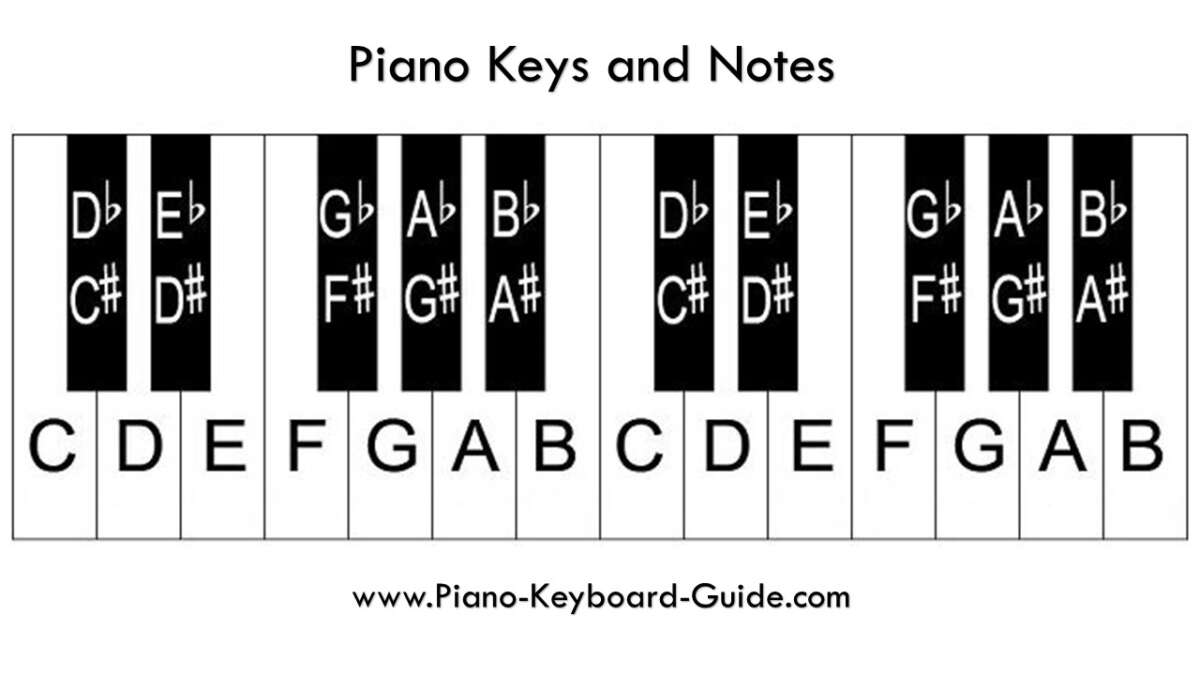
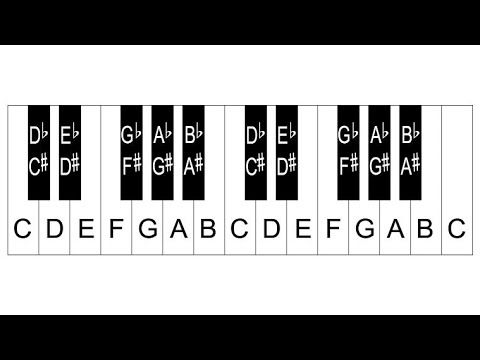
White keys are named A, B, C, D, E, F, and G. Black keys are sharps or flats, sitting between many white keys. The full set of unique pitches in Western music totals 12 notes, then they repeat across octaves.
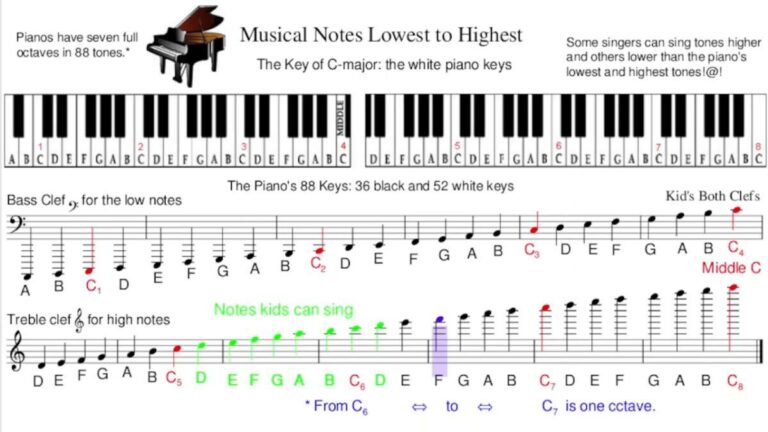
Pianos have about seven full octaves plus a few extra notes. Middle C is a useful central landmark. When you ask what are the notes on a piano, think of 12 unique notes repeated across the keyboard.
The 12 notes: names and order
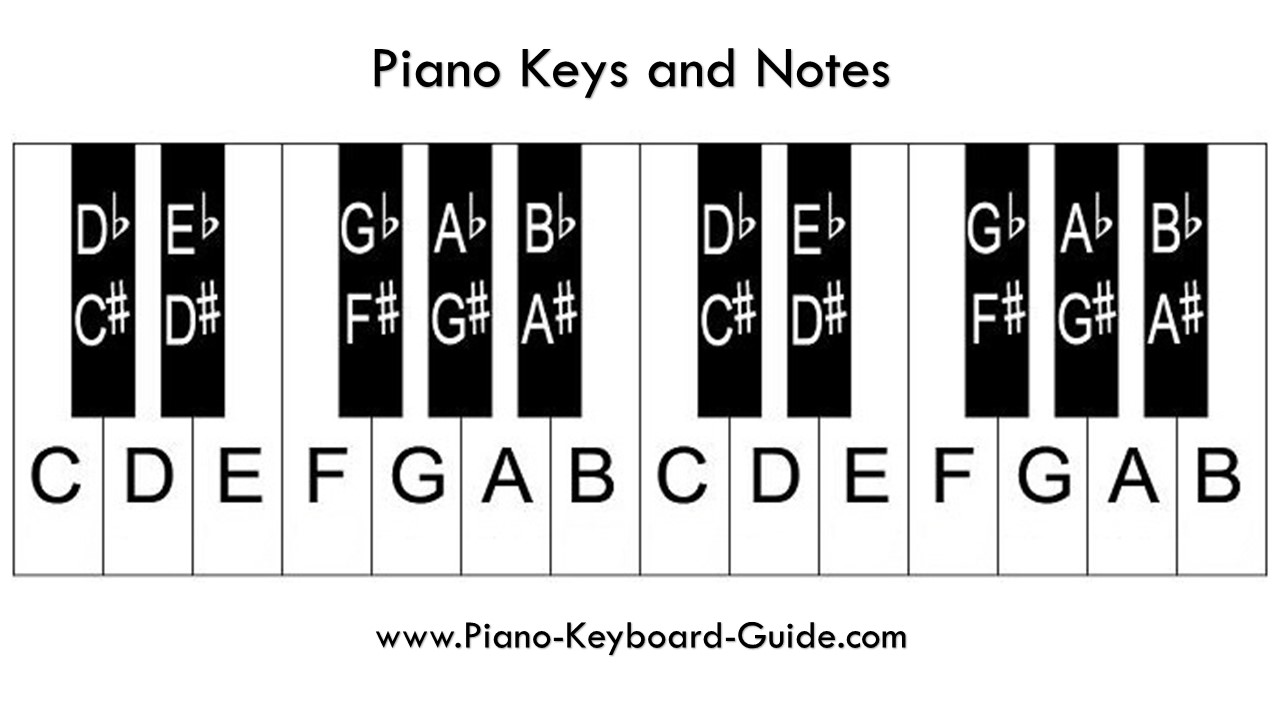
The sequence of 12 notes moves in semitones. Starting on C, the order is:
- C
- C sharp / D flat
- D
- D sharp / E flat
- E
- F
- F sharp / G flat
- G
- G sharp / A flat
- A
- A sharp / B flat
- B
These 12 notes repeat up and down the keyboard. When learners ask what are the notes on a piano, I show this list and the matching keys on the keyboard. Memorizing this set makes reading music far easier.
Octaves, middle C, and note placement
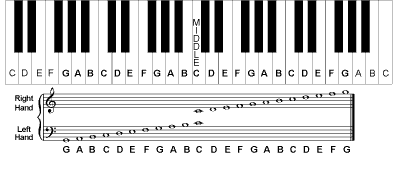
An octave is the distance between one note and the next same-named note. For example, C to the next C is an octave. Middle C sits near the center of the keyboard and is often used as a starting point for beginners.
Octave numbering helps avoid confusion. For example:
- Middle C is C4
- The A above middle C is A4 (commonly tuned to 440 Hz)
- The lowest note on an 88-key piano is A0
- The highest is C8
If you wonder what are the notes on a piano in different octaves, remembering middle C and the A440 pitch helps orient you quickly.
Sharps, flats, and enharmonic notes
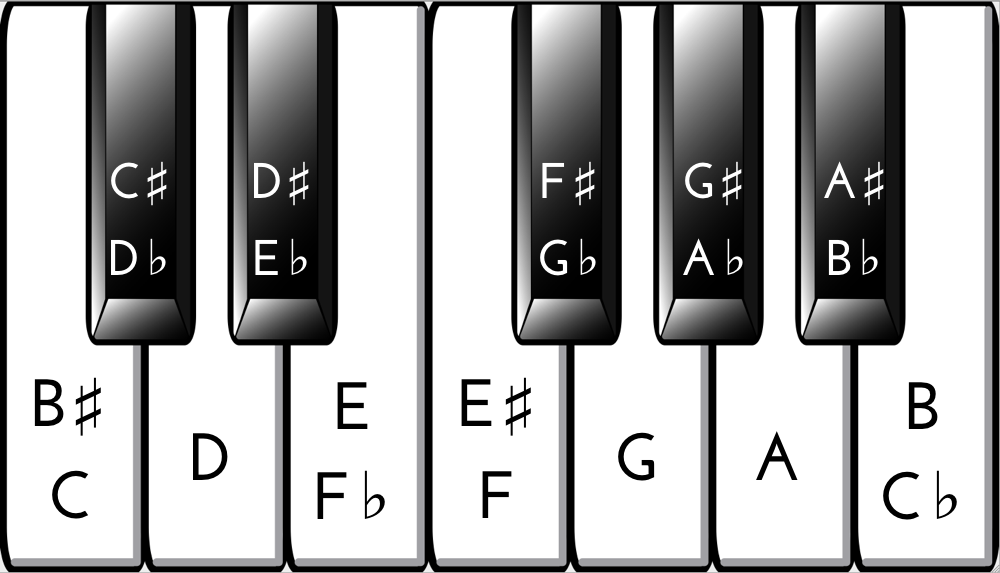
Black keys can have two names. These are called enharmonic equivalents. For example:
- C sharp is the same key as D flat
- F sharp is the same key as G flat
Sharps raise a note by a semitone. Flats lower a note by a semitone. Music context tells you which name to use. When explaining what are the notes on a piano, this dual naming often causes the most confusion for new students.
Reading piano notes on the staff: clefs and mapping
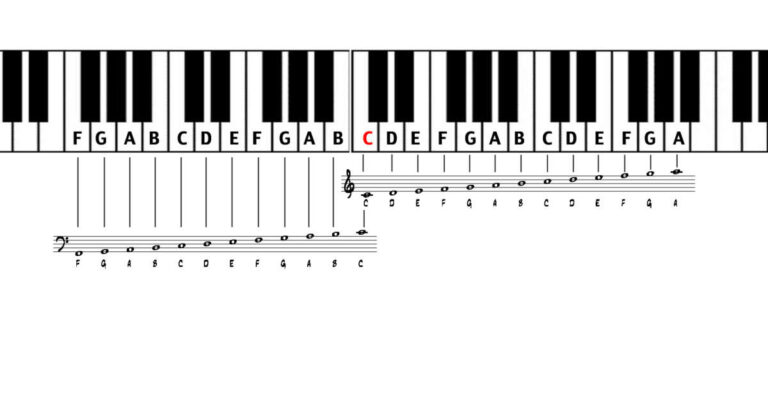
Music for piano uses two staves. The treble clef (right hand) and the bass clef (left hand) show where notes sit on the keyboard. Middle C sits between the two staves.
Simple mapping rules:
- Notes on the treble clef align to keys above middle C.
- Notes on the bass clef align to keys below middle C.
- Ledger lines extend when notes go beyond the staff range.
When teaching what are the notes on a piano, I pair staff reading with physical key placement. Practice linking the visual staff to the actual keys.
Common scales and chords to practice notes
Scales and chords show how notes combine. Practicing them helps internalize what are the notes on a piano.
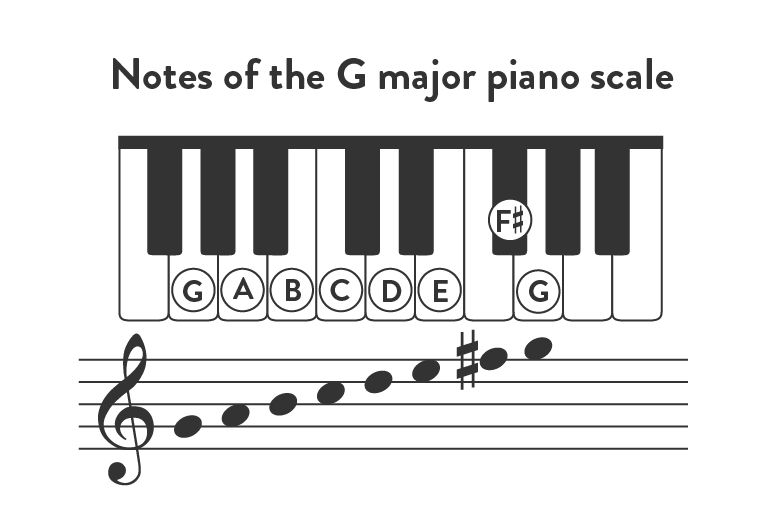
Major scale pattern: whole, whole, half, whole, whole, whole, half. Example: C major uses C-D-E-F-G-A-B-C.
Common chords to start with:
- Major triad: root, major third, perfect fifth (C-E-G)
- Minor triad: root, minor third, perfect fifth (A-C-E)
- Dominant seventh: root, major third, perfect fifth, minor seventh (G-B-D-F)
Use scales and chords to practice fingerings and note recognition. They turn abstract note names into real sound and muscle memory.
Practical tips to learn and memorize the notes
Consistent small steps work best. Use these practical tips I’ve used with students and in my own practice.
- Learn the keyboard pattern first. Count black-key groups of two and three.
- Memorize landmarks: middle C, A440, and the C-major scale.
- Use mnemonics for staff notes. For example, treble clef lines: Every Good Boy Does Fine.
- Practice hands separately, then together. Start slow.
- Label keys temporarily with sticky notes for short-term help.
These steps answer what are the notes on a piano by turning theory into simple actions. Progress comes from steady, daily practice.

Common mistakes and how to avoid them
New learners often mix sharps and flats or guess octaves wrong. I made these mistakes early on. Here’s how to avoid them.
- Mistake: guessing a black key name. Fix: check the key’s context in the chord or scale.
- Mistake: skipping octave numbers. Fix: always say the note plus octave when you learn (for example, C4).
- Mistake: poor fingering. Fix: learn standard fingerings for scales and chords.
Recognizing these typical errors makes learning what are the notes on a piano faster and less frustrating.

My personal experience and lessons learned
When I started, I tried to memorize all keys at once. That failed. I switched to patterns and small goals, and progress came fast. Teaching beginners taught me three things:
- Landmarks matter more than raw memorization.
- Hearing the note while naming it speeds learning.
- Short, consistent practice beats long, irregular sessions.
If you follow these lessons, you’ll quickly answer what are the notes on a piano with confidence.
PAA-style questions
How many different notes are on a piano?
There are 12 distinct pitch classes that repeat across octaves. These 12 notes form the basis of Western music.
What is middle C and why is it important?
Middle C is the central C on the piano, often labeled C4. It anchors reading, tuning, and hand placement for beginners.
Are black keys necessary to play music?
Yes. Black keys add sharps and flats, which create scales and chords beyond simple white-key melodies. They expand the palette of musical expression.
Frequently Asked Questions of what are the notes on a piano
What are the names of piano notes?
Piano notes are named A, B, C, D, E, F, and G, plus sharps and flats that make 12 unique pitches. These names repeat across octaves.
How many keys does a standard piano have?
A standard full-size piano has 88 keys, covering seven full octaves plus a minor third. Smaller keyboards may have fewer keys.
What is an octave on the piano?
An octave is the interval between one note and the next same note name up or down the keyboard. It spans eight letter names and twelve semitones.
How do I find middle C?
Middle C is near the keyboard’s center. It’s the C just left of the group of two black keys closest to the center.
Why are some notes called sharps or flats?
Sharps raise a note by one semitone and flats lower it by one semitone. The same key can have two names, called enharmonic equivalents.
Conclusion
Understanding what are the notes on a piano starts with the 12-note pattern and the repeating octaves. Learn landmarks like middle C, memorize the 12 pitch classes, and practice scales and chords to connect theory with sound. Start small, use consistent daily practice, and label the keyboard when needed to speed memory.
Try one new scale or chord every day for a month and track your progress. If you found this useful, subscribe for lessons, share your practice tips in the comments, or explore more articles to deepen your piano knowledge.

Senior Music Reviewer
Alex Carter is a seasoned music reviewer with over a decade of experience in the world of sound and instruments. Passionate about helping musicians and enthusiasts make informed choices, he brings sharp insights and in-depth knowledge to every review. From classical instruments to modern gear, Alex combines technical expertise with a love for music to deliver content that resonates with readers.
As a Senior Music Reviewer and expert author on Tuneluma.com, Alex is dedicated to sharing honest evaluations, practical advice, and thoughtful commentary to guide readers in their musical journey.