
How To Play Believer On The Piano: Step-By-Step Guide
Learn the chords, melody, and rhythm step-by-step to play "Believer" on the piano.
I’ve taught this song to dozens of students and I’ll walk you through a clear, tested way to learn how to play believer on the piano. I know the song’s groove, the core chords, and the tricks that make it sound full on a keyboard. Read on and you will get step-by-step instructions, practice plans, common errors, and real tips I use in lessons.

Why "Believer" is great for piano players
"Believer" has a strong rhythm and simple chord motion that translates well to piano. The driving feel is musical and fun to play. If you want to learn how to play believer on the piano, you get a satisfying result fast. I often recommend it to students who want pop energy with manageable technique.

What you need to start
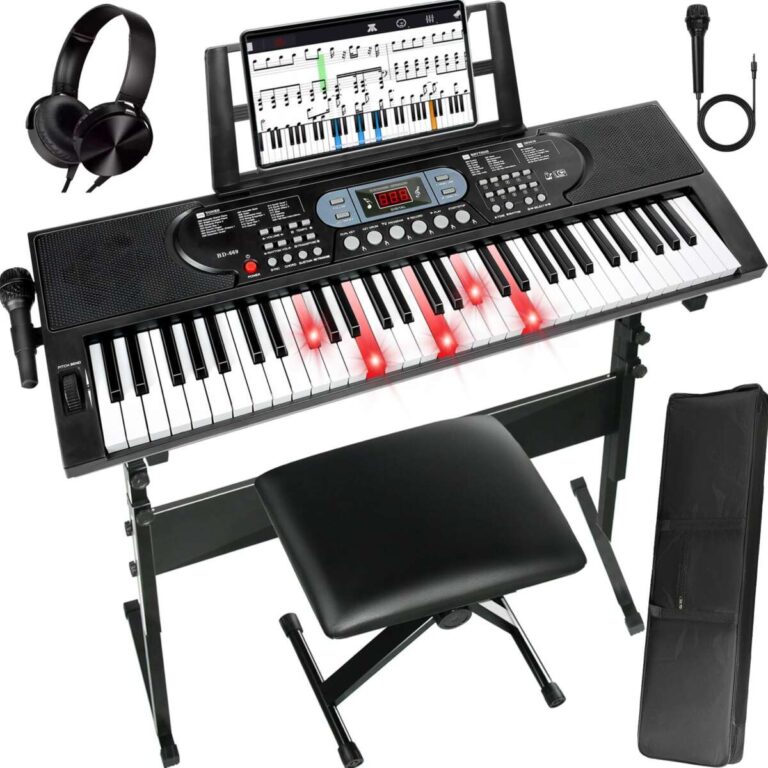
Start with a piano or a full-size keyboard. Use headphones or good speakers to hear the bass. A metronome helps lock the groove. If you want to learn how to play believer on the piano, keep your instrument tuned and set the tempo to the original song as you progress.

Song overview: key, tempo, and structure
The studio version sits around 125 beats per minute. It is in a minor mode with strong chord emphasis. The structure is intro, verse, pre-chorus, chorus, and bridge. To learn how to play believer on the piano, focus first on the main chord progression that repeats in the chorus and verse.

Chords and progression (step-by-step)
The core progression is simple and repeats often. Learn these chords first.
- Basic chords to know
- E minor (Em)
- G major (G)
- D major (D)
- C major (C)
Play the pattern in this order: Em – G – D – C. Practice the changes slowly. When you want to learn how to play believer on the piano, mastering these chords makes the song playable right away.
- Tips for cleaner changes
- Keep fingers close to keys to reduce travel.
- Practice two-chord loops first, then add the next chord.
- Use a metronome and increase speed by 5 BPM steps.

Left-hand patterns and groove
Left hand supplies the pulse and low notes. Use simple patterns to keep the groove.
-
Basic left-hand pattern
-
Play root note on beat one.
-
Add octave or fifth for a fuller sound on beat three.
-
Keep rhythm steady and light.
-
Building dynamics
-
Play softer in verses and louder in choruses.
-
Add syncopation when you feel comfortable.
If you want to learn how to play believer on the piano with authority, treat the left hand like the drum. Lock it with a click or a drum loop for best results.

Right-hand melody and voicings
Right hand carries the vocal line and fills. Start with a simple version of the main hook.
-
Melody tips
-
Play the vocal line within the middle register.
-
Use single-note clarity for the verse melody.
-
Add simple triad voicings in the chorus.
-
Voicing ideas
-
Put the third and fifth above the root to create space.
-
Use small octave jumps to add excitement.
When learning how to play believer on the piano, simplify the melody first. Then add fills and grace notes as you grow confident.
Putting it together: simple to advanced arrangement
Start simple and build complexity step by step. This keeps practice focused.
-
Simple arrangement (for beginners)
-
Left hand: root and octave on beats 1 and 3.
-
Right hand: single-note melody or blocked triads.
-
Tempo: slow it to 80–90 BPM to learn parts.
-
Intermediate arrangement
-
Left hand: add arpeggio patterns for motion.
-
Right hand: play vocal melody and add chord stabs in chorus.
-
Add light syncopation and accents.
-
Advanced arrangement
-
Use full voicings, inversions, and rhythmic displacement.
-
Add synth-style high-octave fills and rhythmic left-hand ostinatos.
-
Play with dynamics and rubato in the bridge.
If you really want to master how to play believer on the piano, record yourself and listen back. I used this method to tighten timing and phrasing.
A 4-week practice plan to learn the song
A structured plan speeds progress. Repeat each step until it feels natural.
-
Week 1
-
Learn and memorize the chord progression.
-
Practice left-hand root patterns slowly.
-
Week 2
-
Add the vocal melody in the right hand.
-
Combine hands at a slow tempo.
-
Week 3
-
Increase tempo weekly until you hit the song speed.
-
Add dynamics, fills, and rhythmic accents.
-
Week 4
-
Polish transitions and performance cues.
-
Play the full song and record one clean take.