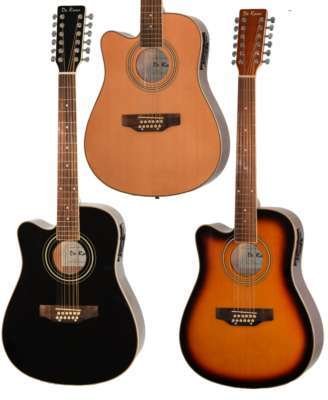
De Rosa 12 String Guitar: Best Buying Guide
The De Rosa 12 string guitar offers rich, ringing tone at a vintage price, but condition and setup matter greatly.
The De Rosa 12 string guitar is an intriguing choice for players who want wide acoustic sound without paying boutique prices. As with many lesser-documented vintage instruments, its real value depends on the exact model, wood, construction, and condition. This guide explains what to check, how it sounds, what repairs may cost, and whether one belongs in your collection.
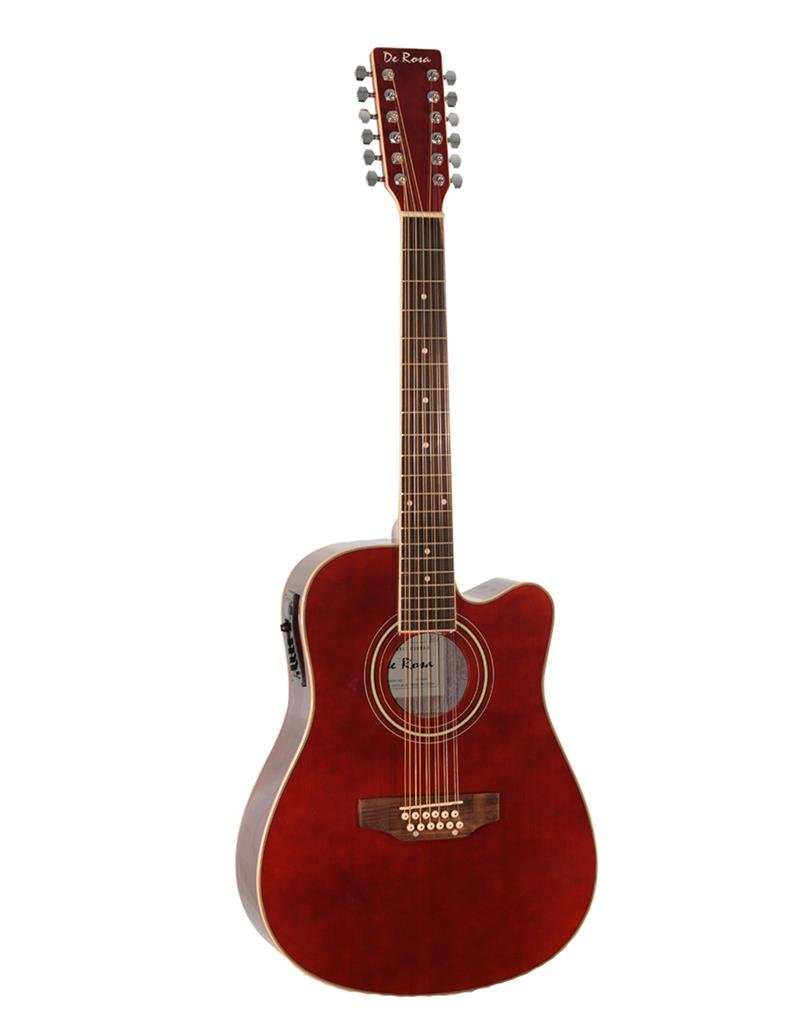
What Is a De Rosa 12 String Guitar?
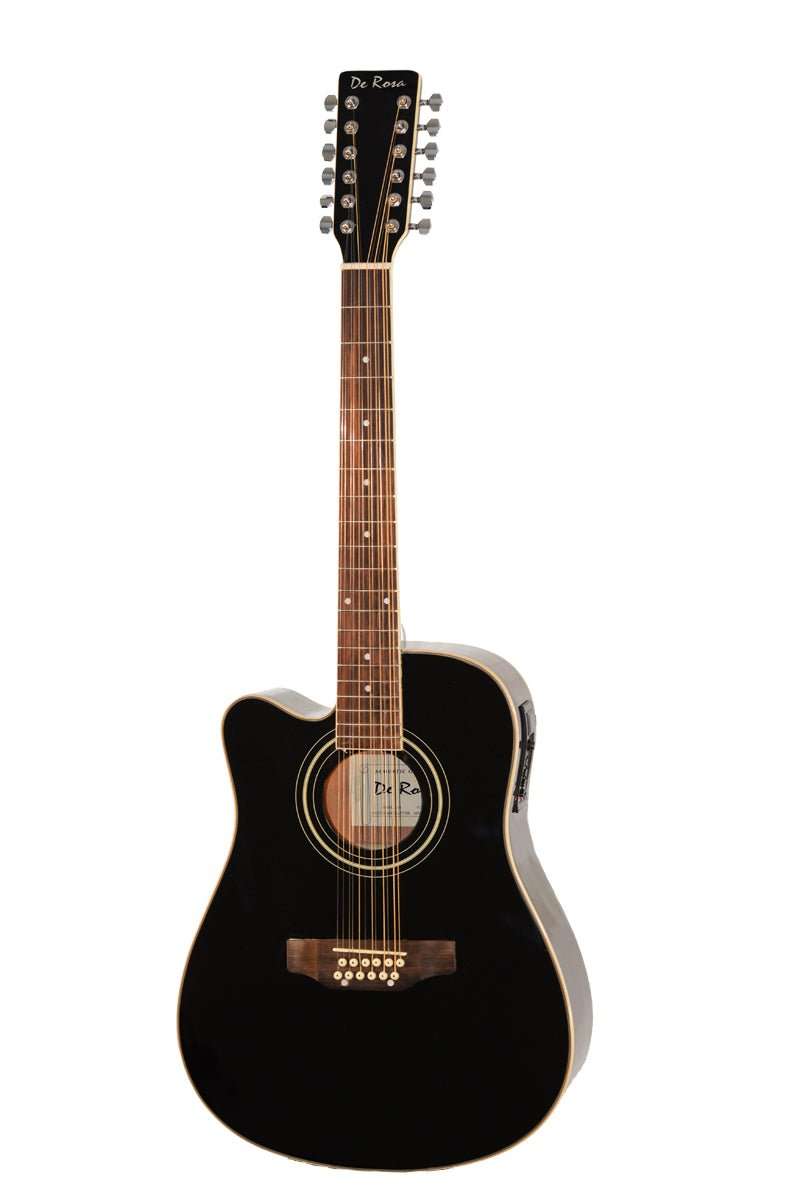
A De Rosa 12 string guitar is an acoustic guitar built with six courses of paired strings. Each course creates a wider, brighter sound than a standard six-string guitar. When tuned and played well, the instrument can sound like several guitars playing together.
The De Rosa name appears on vintage and used-market guitars, but detailed factory records are not always easy to find. That matters because two guitars with the same label may have different construction methods, hardware, or production origins.
Some De Rosa instruments are associated with older budget and mid-level guitar production. However, a seller’s description alone should not confirm the country of manufacture, year, or wood type. Look inside the soundhole for a label, serial number, stamp, or handwritten repair note.
When assessing a De Rosa 12 string guitar, focus on these details:
• The neck angle and fretboard condition
• The amount of belly behind the bridge
• Cracks around the bridge and top
• The quality of the tuning machines
• The bridge and saddle height
• Signs of past repairs
• The presence of the original case or hardware

De Rosa 12 String Guitar Sound and Tone
The main appeal of a De Rosa 12 string guitar is its shimmering, full tone. The paired strings produce natural chorus-like movement because the strings are never perfectly identical in pitch. This gives open chords a broad and lively voice.
A healthy instrument should offer clear treble, balanced mids, and enough low-end power to support singing. Some vintage 12-string guitars sound bright and jangly, while others have a softer, woodier voice. The guitar’s bracing, top wood, bridge design, and string choice all influence the final result.
A De Rosa 12 string guitar may work especially well for:
• Folk music
• Acoustic rock
• Country and roots music
• Worship music
• Singer-songwriter arrangements
• Layered studio recordings
The sound is often most impressive when you play open chords. Try a G, C, D, and Em progression with a relaxed strum. If the guitar has good sustain and even volume across all courses, it can create a rich bed under vocals.
Do not judge the instrument only by loudness. A very loud 12-string can still sound harsh or poorly balanced. Listen for notes that disappear, rattling courses, weak bass, or a sharp metallic edge in the upper range.
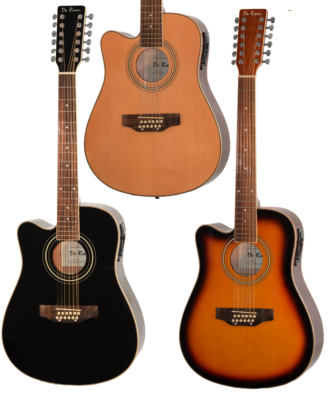
Key Features to Examine Before Buying
A careful inspection can save you from buying an expensive repair project. Twelve-string guitars place more tension on the neck and top than six-string guitars, so structural health is the first priority.
Neck Angle
Look down the neck from the headstock toward the bridge. The fretboard should appear reasonably straight, with a small amount of relief. A neck that points too far upward toward the bridge may indicate a poor neck angle.
A bad neck angle often leaves very little saddle above the bridge. That makes future adjustment difficult. A neck reset may be needed, and this repair can cost more than the guitar itself.
Bridge and Top
Inspect the bridge closely. Look for lifting at the edges, fresh glue, splits, or gaps between the bridge and soundboard. Also check whether the top has a large raised area behind the bridge.
A slight top arch can be normal on an older guitar. A deep bulge, loose bridge, or cracked bridge plate is more serious. These problems may worsen when the guitar is fitted with heavy strings.
Fretboard and Frets
Run your hand along the fretboard edges. Sharp fret ends may point to dry storage or fretboard shrinkage. Check for deep grooves under the plain strings and flat spots across the frets.
Light fret wear is normal. Severe wear can make clean notes difficult and may require a refret. On a vintage De Rosa 12 string guitar, original frets may have value to collectors, but playability should still come first.
Tuning Machines
Twelve-string guitars need stable tuners. Test every machine slowly. The posts should turn without grinding, slipping, or excessive side movement.
Replacement tuners are often possible, but the screw pattern and post spacing may not match modern parts. Keep the original tuners if they are present, even if a repair technician recommends replacing them.
Internal Bracing
Use a flashlight to inspect the inside through the soundhole. Look for loose braces, dark glue repairs, cracked braces, and a damaged bridge plate. A small mirror can help you see areas under the top.
A professional inspection is wise when the guitar has high sentimental or financial value. A few minutes with a qualified repair technician can reveal problems that photographs hide.

Playability and Setup
Even a structurally sound De Rosa 12 string guitar may need a complete setup. Vintage instruments often arrive with old strings, excessive neck relief, high action, or a saddle that has been filed too low.
A good setup may include:
• Installing suitable 12-string acoustic strings
• Adjusting the truss rod
• Correcting the nut slots
• Setting the saddle height
• Checking bridge and brace stability
• Leveling or dressing frets
• Adjusting intonation as far as the bridge allows
The action should feel comfortable without causing fret buzz. Many players prefer slightly higher action on a 12-string because the instrument needs room for strong strumming. Still, high action should not be accepted as a normal feature of the guitar.
When testing a De Rosa 12 string guitar, play each course at the first, fifth, seventh, and twelfth frets. Listen for buzzing, dead notes, and tuning changes. Then play open chords and a few fingerpicked patterns.
One mistake I often see in used-guitar buying is testing only the first three frets. That can hide a rising fretboard, a bad neck joint, or intonation trouble higher up the neck.
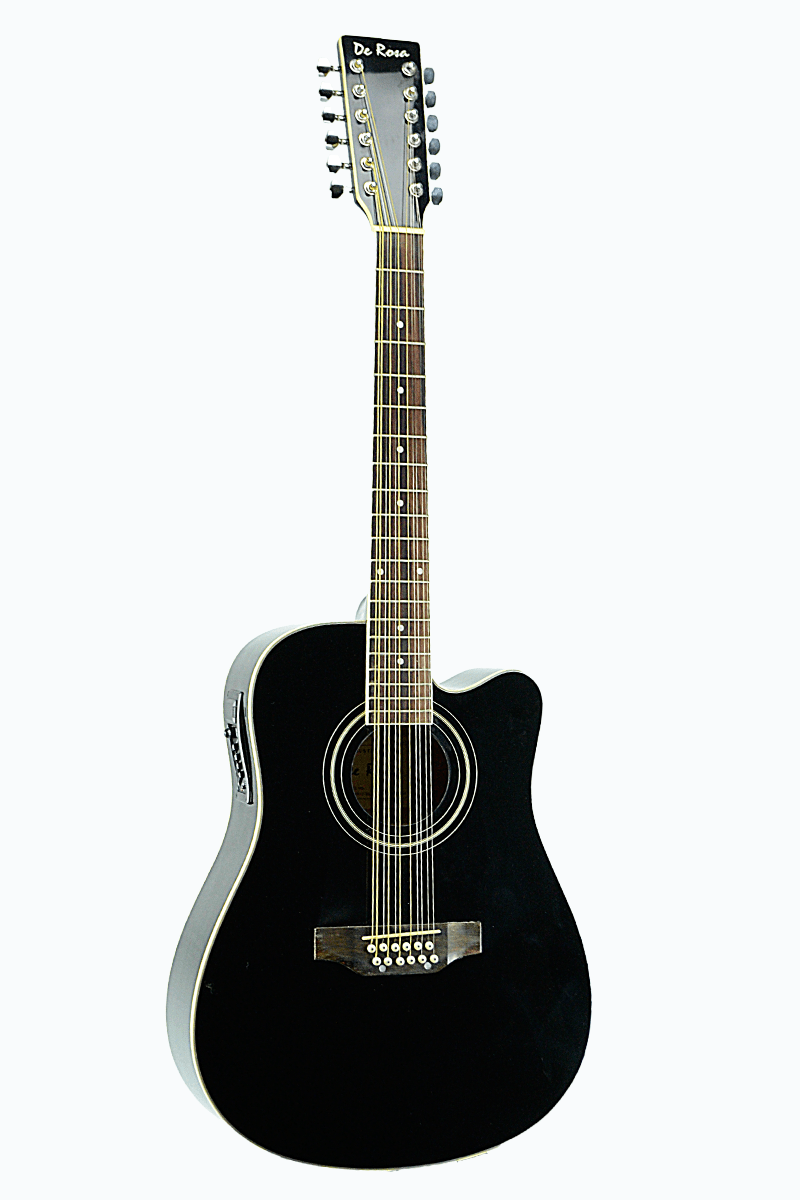
String Choice and Tuning
String choice has a major effect on a 12-string guitar. Heavy strings can increase volume, but they also place more stress on the neck, bridge, and soundboard.
For many older instruments, light or extra-light 12-string sets are a safer starting point. Phosphor bronze strings usually produce warm mids and balanced highs. 80/20 bronze strings can sound brighter and more metallic.
Before changing strings, check the manufacturer’s guidance if available. If no reliable specification exists, ask a guitar repair professional to assess the instrument first.
Useful tuning options include:
• Standard tuning: E-A-D-G-B-E, with paired octave and unison strings
• One whole step down: D-G-C-F-A-D for lower tension and a softer feel
• Open G or open D for slide and folk arrangements
• Temporary half-step-down tuning for easier singing and reduced tension
Tune slowly and stretch the strings gently. A 12-string guitar can take longer to settle than a six-string. Always tune each course carefully, starting with the lower string in an octave pair.

Common Problems With Older De Rosa 12 String Guitars
Age alone does not make a guitar bad. Poor storage, excessive tension, and long periods of neglect cause most serious problems.
Common issues include:
• Neck movement
• Loose bridges
• Cracked tops
• Separated braces
• Shrinking fretboards
• Worn tuning machines
• High action
• Weak or missing saddle material
• Intonation problems
• Dried-out wood
Humidity is especially important. Very dry air can cause top cracks and sharp fret ends. Excess moisture can swell the top, loosen glue joints, and make the guitar feel slow and uncomfortable.
Keep the guitar near a stable room humidity level. Many repair specialists recommend roughly 45 to 55 percent relative humidity for acoustic instruments. Avoid storing it beside a radiator, heater, air vent, or sunny window.
Do not try to force a badly bowed top back into shape at home. Sudden humidity changes can create more damage. A gradual, controlled approach is safer.
De Rosa 12 String Guitar Value
The value of a De Rosa 12 string guitar depends on more than the logo. Market prices can vary widely because the brand has limited public documentation and because used listings may describe the instruments inaccurately.
Important value factors include:
• Overall structural condition
• Originality of parts
• Playability
• Cosmetic condition
• Verified age and origin
• Quality of the woods
• Case and accessories
• Previous professional repairs
A clean, playable example with stable tuning may appeal to a working musician. A damaged example may have value only as a restoration project or sentimental keepsake.
Compare completed sales rather than optimistic asking prices. Online listings often remain active for months because the seller’s price is too high. Local repair shops and vintage guitar dealers can also provide a more realistic opinion.
A useful buying formula is simple:
-
Estimate the purchase price.
-
Add the likely cost of setup and repairs.
-
Compare that total with similar playable 12-string guitars.
-
Leave room for unexpected repair work.
If the guitar needs a neck reset, bridge repair, refret, and new tuners, it may not be a bargain. Vintage charm is enjoyable, but it should not replace sound financial judgment.

How to Buy a De Rosa 12 String Guitar Online
Buying online can work, but photographs must answer specific questions. Ask the seller for clear images of the front, back, neck, bridge, headstock, label, and inside of the soundhole.
Ask these questions before paying:
• Is the neck straight?
• Does the truss rod work?
• Is the bridge lifting?
• Are there cracks in the top or back?
• Does the guitar hold pitch?
• Has the neck been reset?
• What string gauge is installed?
• Are all tuners original?
• Can the seller provide a short playing video?
A video should include open chords, single notes, and notes above the seventh fret. It should also show the guitar being tuned. A beautiful photograph cannot reveal buzzing, poor intonation, or unstable tuning.
Use a payment method with buyer protection when possible. Also confirm the return policy. A guitar may look excellent in pictures but feel entirely different in person.
De Rosa 12 String Guitar Compared With Other Options
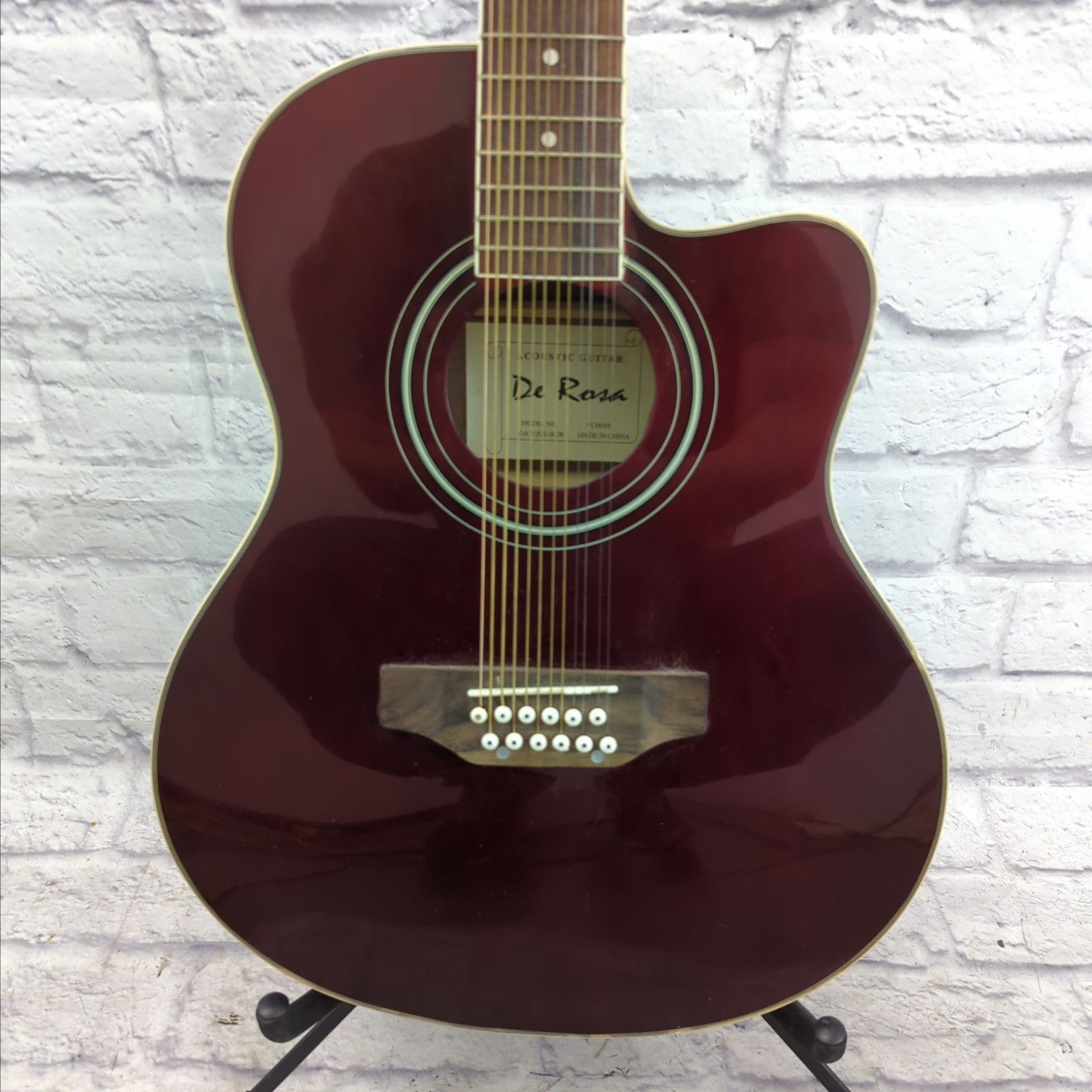
A De Rosa 12 string guitar can be appealing when the price is low and the instrument is healthy. Still, buyers should compare it with modern alternatives.
Modern entry-level 12-string guitars often offer:
• More consistent factory quality
• Easier access to replacement parts
• Current warranty support
• More predictable neck geometry
• Better access to setup specifications
A vintage De Rosa may offer a unique tone and character that a new guitar lacks. Its wood may have matured, and its sound may feel more open after decades of playing. However, age does not automatically mean superior tone.
A modern guitar may be the better choice for frequent travel, regular stage use, or players who want low maintenance. A De Rosa 12 string guitar may suit collectors, home players, recording musicians, and people who enjoy restoring older instruments.
The best choice depends on your priorities. Choose reliability first if you need the guitar for work. Choose character first if you understand the repair risks and enjoy vintage gear.
Recording and Performance Tips
A 12-string guitar can fill a recording quickly. That strength can also become a problem if the arrangement is crowded.
For recording, place the microphone around the twelfth fret rather than directly over the soundhole. This often captures a clearer balance between bass and treble. Move the microphone a few inches at a time until the tone fits the song.
A De Rosa 12 string guitar may sound especially effective when:
• Played with a light pick
• Fingerpicked near the bridge
• Layered under a six-string guitar
• Tuned down for a softer vocal range
• Used for sustained chorus parts
• Panned slightly away from another acoustic track
On stage, use a reliable tuner and check the battery or pickup system before the show. Older acoustic guitars may not have built-in electronics, so an external microphone or removable pickup may be needed.
Avoid overplaying. A gentle strum often reveals more detail than a hard attack. Think of the guitar as a wide brush rather than a hammer.
My Practical Lessons From Vintage 12-String Instruments
The most important lesson is to inspect the structure before judging the tone. A guitar can sound beautiful for five minutes and still need major work. If the neck angle or bridge is failing, a low purchase price may become expensive very quickly.
Another common mistake is using strings that are too heavy. Players often assume more tension means more volume. In reality, excessive tension can reduce comfort and put an older guitar at risk.
I also recommend taking your time during the first setup. Let new strings settle, check tuning over several days, and monitor the action. Small changes can reveal how stable the neck and top really are.
A practical trial routine looks like this:
-
Tune the guitar carefully.
-
Play open chords.
-
Test every string at several frets.
-
Check tuning again after ten minutes.
-
Inspect the bridge and top.
-
Ask a repair technician for a second opinion if needed.
That process is simple, but it prevents many emotional purchases. A beautiful label can pull at the heart, yet a stable neck makes the music possible.
Is a De Rosa 12 String Guitar Right for You?
A De Rosa 12 string guitar may be right for you if you want vintage character, wide acoustic tone, and an instrument with a story. It can be a rewarding choice for relaxed home playing, recording, songwriting, and collecting.
It may not be ideal if you need guaranteed factory specifications, instant plug-and-play reliability, or a guitar for heavy touring. In those cases, a current-production model with warranty support may be safer.
Before buying, consider your skill level. Beginners may find a 12-string harder to tune and fret than a six-string. Players with some experience can learn the instrument quickly by using light pressure, proper setup, and slow chord changes.
The best De Rosa 12 string guitar is not always the oldest or rarest one. It is the example that is structurally sound, comfortable to play, and priced fairly.
Frequently Asked Questions About the De Rosa 12 String Guitar
Is the De Rosa 12 string guitar good for beginners?
It can be, but a 12-string usually requires more finger strength and careful tuning than a six-string. A well-set-up De Rosa 12 string guitar with light strings will be easier for a beginner than one with high action.
What strings should I use on a De Rosa 12 string guitar?
Light or extra-light 12-string acoustic sets are a sensible starting point for many older instruments. Confirm the guitar’s condition first, because heavy strings can place unnecessary stress on the neck and bridge.
How much is a De Rosa 12 string guitar worth?
The price varies with condition, originality, repair history, and local demand. Compare completed sales and subtract likely repair costs rather than relying on high online asking prices.
Does a De Rosa 12 string guitar need a professional setup?
Most used or vintage examples benefit from a setup. A technician can check the neck angle, truss rod, bridge, nut, saddle, frets, and internal braces before problems become more serious.
Can I use a De Rosa 12 string guitar for live performance?
Yes, if it holds tuning and has stable structure. You may need a microphone or removable pickup because many older De Rosa instruments do not include modern onboard electronics.
How do I protect a De Rosa 12 string guitar from damage?
Keep it in a stable indoor environment, use suitable strings, and avoid heat or very dry air. Check the top, bridge, and action regularly for changes.
Conclusion
A De Rosa 12 string guitar can deliver bright, spacious tone and genuine vintage appeal. Its condition matters more than its age, label, or appearance, so inspect the neck, bridge, top, frets, tuners, and internal bracing before you buy.
Choose light strings, maintain steady humidity, and budget for a professional setup. If the guitar is stable and comfortable, it can become a rewarding songwriting, recording, or collection piece.
Take your time, compare real market prices, and play the instrument before making a final decision. Explore more vintage guitar resources, consult a trusted repair technician, and share your own De Rosa 12 string guitar experience with other players.

Senior Music Reviewer
Alex Carter is a seasoned music reviewer with over a decade of experience in the world of sound and instruments. Passionate about helping musicians and enthusiasts make informed choices, he brings sharp insights and in-depth knowledge to every review. From classical instruments to modern gear, Alex combines technical expertise with a love for music to deliver content that resonates with readers.
As a Senior Music Reviewer and expert author on Tuneluma.com, Alex is dedicated to sharing honest evaluations, practical advice, and thoughtful commentary to guide readers in their musical journey.