Cheap And Best Guitar For Beginners: Top Picks
The cheap and best guitar for beginners is usually a comfortable starter bundle with good playability, useful extras, and room to grow.
Many new players want to learn guitar but feel stuck between a low price and good quality. A poor first guitar can feel hard to tune, painful to play, and frustrating to learn on. I looked at beginner-friendly acoustic guitars, electric guitars, lesson books, and song guides to help you avoid that problem. The right starter setup should make practice feel simple, not like a chore. It should also include the small tools that beginners often forget, such as a tuner, picks, a strap, and spare strings.
Joymusic 38-Inch Sunburst Beginner Guitar Kit

The Joymusic 38-inch acoustic guitar kit is a strong choice for a first-time player who wants an affordable setup in one box. Its smaller body can feel less tiring than a full-size guitar, especially for children, teens, and adults with smaller hands. The sunburst finish also gives it a classic look that feels more special than its low-cost position suggests. I like this format because a new player can start practicing without buying many extra items.
This bundle includes a strap with a pick holder, digital tuner, spare strings, capo, cleaning cloth, six picks, and a gig bag. Those extras cover the basic needs of a beginner and reduce the hidden cost of getting started. A 38-inch body offers a useful middle ground between a compact travel guitar and a large dreadnought. As with many budget guitars, I would still inspect the neck, tune it carefully, and consider a basic setup if the action feels high.
Pros:
- Compact 38-inch size feels easier to hold
- Starter bundle includes a digital tuner and capo
- Spare strings help beginners prepare for breakage
- Gig bag makes storage and travel simple
- Sunburst finish gives the guitar a pleasant classic look
- Six included picks let new players test different thicknesses
Cons:
- Smaller body may sound less full than a 41-inch guitar
- Budget strings may need early replacement
- Some players may need a professional setup for lower action
My Recommendation
I recommend the Joymusic kit for a child, teen, casual adult learner, or anyone who wants a compact acoustic guitar with useful accessories. It is especially practical for a first purchase because the tuner, capo, picks, and bag are already included. If you want the cheap and best guitar for beginners in a smaller size, this bundle deserves a close look. Its value is strongest when the goal is easy entry rather than professional stage sound.
Ashthorpe 38-Inch Beginner Acoustic Guitar

The Ashthorpe 38-inch beginner acoustic guitar stands out for its bold black finish and approachable size. A smaller acoustic often helps a new player keep the instrument close to the body while learning basic chords. That matters because comfort can decide whether someone practices for ten minutes or gives up after two. The guitar also looks modern, which can make it appealing to younger players and adults who prefer a clean design.
The starter kit includes a gig bag, extra strings, a strap, picks, and lessons. I see that as a sensible mix for someone who wants guidance as well as hardware. The included lessons may help a new player learn the first chords and practice habits without searching through many online videos. Buyers should remember that a 38-inch guitar may not deliver the deep bass of a full-size model, but it can be easier to manage during the first months of learning.
Pros:
- 38-inch body supports comfortable beginner handling
- Black finish looks clean and distinctive
- Extra strings provide a useful backup
- Included strap supports standing practice
- Gig bag protects the guitar from dust and light bumps
- Lessons give beginners a clear starting point
Cons:
- Compact body has less low-end volume than a full-size guitar
- Included bag may offer limited padding
- New players may eventually want higher-quality strings
My Recommendation
The Ashthorpe is best for beginners who value comfort, style, and a basic learning path. I would choose it for a teen or adult who finds a full-size guitar bulky. It can also work well as a bedroom or travel instrument. For shoppers comparing the cheap and best guitar for beginners, this model offers a useful balance of size and included gear, though serious players may later upgrade the strings or request a setup.
DONNER DST-80 Beginner Electric Guitar Kit

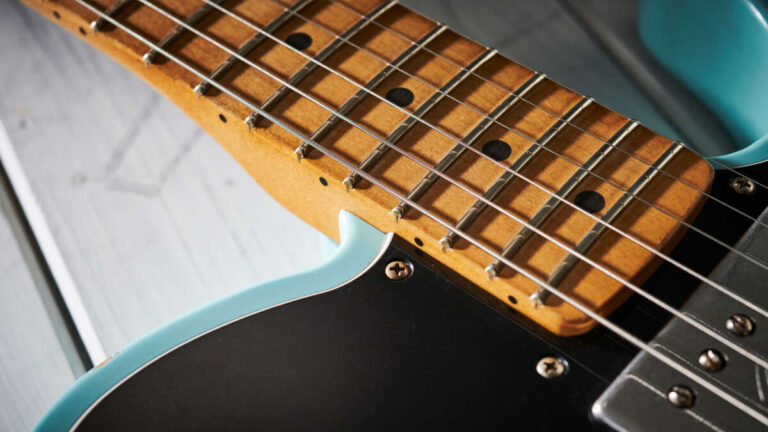
The DONNER DST-80 changes the question from “Which acoustic should I buy?” to “Would electric guitar make learning more exciting?” Its 39-inch design is close to the familiar full guitar scale while remaining suitable for new players. The classic SSS pickup layout gives beginners a chance to explore several electric tones. That variety can keep practice fresh when basic chord work starts to feel repetitive.
This set includes an amplifier, gig bag, tuner, capo, strap, picks, and access to online lessons. I consider the amplifier a major advantage because an electric guitar is not a complete system without one. The SSS pickup arrangement can suit clean tones, light rock, blues, pop, and simple lead parts. Players should budget for a power source or check the amplifier requirements before the first session, and they should practice at a modest volume to protect hearing and keep peace at home.
Pros:
- Complete electric starter system includes an amplifier
- 39-inch size feels familiar to many new players
- SSS pickups offer several basic tone choices
- Gig bag makes transport easier
- Tuner, capo, strap, and picks are included
- Online lessons can support a structured start
Cons:
- Amplifier output is designed for practice, not large venues
- Electric guitar requires more equipment than an acoustic
- Beginners must manage cables and power needs
My Recommendation
I recommend the DST-80 for beginners who enjoy rock, blues, pop, or lead guitar. It is also a smart option for players who feel more motivated by knobs, pickup sounds, and an amplifier. This is not the simplest setup in the group, but it may be the most inspiring for a music fan who wants to sound like an electric guitarist from day one. If the cheap and best guitar for beginners must be electric, this kit offers unusually broad starter value.
Best Choice Products 41-Inch Cutaway Acoustic

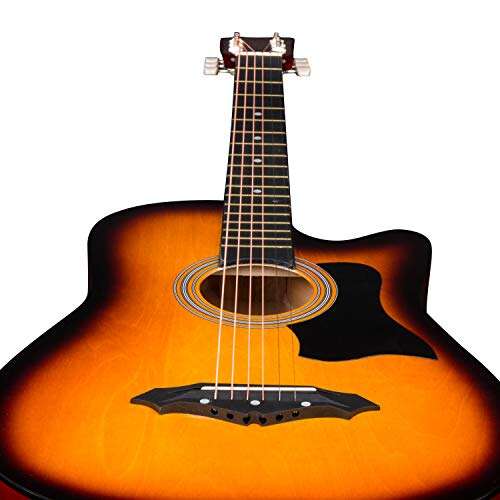
The Best Choice Products 41-inch acoustic guitar is made for beginners who want a full-size instrument with a cutaway shape. A full-size body can offer a stronger acoustic voice and more room for growing technique. The cutaway gives easier access to the higher frets, which may help players who want to explore simple melodies beyond open chords. Its sunburst finish adds visual appeal without turning the guitar into a luxury purchase.
This starter set includes a case, strap, capo, strings, and picks. Those items make it easier to move from unboxing to a first practice session. The guitar may suit adults and taller teens better than a 38-inch model, but beginners with small hands should check reach and comfort. I also advise every buyer to tune the instrument before judging its sound, because new strings and shipping movement can make any guitar seem less ready at first.
Pros:
- Full-size 41-inch body supports a familiar playing feel
- Cutaway improves access to upper frets
- Starter set includes key playing accessories
- Sunburst finish looks attractive in a room or on stage
- Useful choice for adults and taller teens
- Acoustic format needs no amplifier or cable
Cons:
- Full-size body may feel large for young players
- Starter case may provide basic rather than heavy protection
- Budget construction can vary between individual units
My Recommendation
This model is best for an adult beginner who wants a traditional full-size acoustic guitar and plans to keep learning for several years. The cutaway is useful for players who want more than simple strumming. I would place it high on a cheap and best guitar for beginners list when size, acoustic volume, and future flexibility matter. It is less suitable for very young children or anyone who prefers a small, light instrument.
Guitar Exercises for Beginners Book

A guitar is only half of a beginner’s success story. Regular practice gives the instrument a voice, and this exercise book can help create that habit. It focuses on short practice sessions, which is useful for people who cannot spend an hour with the guitar each day. A ten-minute routine feels small, but repeated daily work can build finger strength, timing, and confidence.
I like exercise books because they remove the guesswork from practice. Instead of jumping between random videos, a beginner can follow a clear task and notice gradual progress. The exercises may help with picking, chord changes, rhythm, and basic coordination, depending on the lesson sequence. It works best beside a real guitar, since written instructions alone cannot correct posture or sound mistakes.
Pros:
- Short exercises fit busy daily schedules
- Encourages consistent practice habits
- Helps develop finger control and coordination
- Gives beginners a simple path to follow
- Useful beside acoustic or electric guitars
- Can support learners who prefer printed guidance
Cons:
- Book cannot replace feedback from a teacher
- Some players may prefer video-only lessons
- Exercises can feel repetitive without song practice
My Recommendation
I recommend this book for beginners who own a guitar but do not know what to practice next. It is especially helpful for adults who want a short, repeatable routine. While it is not a guitar itself, it can make any cheap and best guitar for beginners more useful by turning spare minutes into focused training. Pair it with easy songs so technical drills do not become dull.
Beginner Guitar Lessons for Kids Book

Children need a different learning path from adults. They often learn best when the lesson feels like a game instead of a test. This beginner guitar book for kids combines printed instruction with online video and audio access, giving young players more than one way to understand a new skill. The visual and listening support may help a child stay engaged through the awkward first stages.
The book can also help parents who do not play guitar themselves. A clear lesson order makes it easier to set a small practice goal and praise real progress. I would still choose a child-sized guitar when the player is young, since reach and comfort affect every chord. Parents should keep sessions short, celebrate clean notes, and avoid forcing long practice periods that make music feel like homework.
Pros:
- Designed around the learning needs of children
- Online video and audio add useful support
- Simple lessons can reduce beginner confusion
- Parents can follow the learning path more easily
- Short goals may help children stay motivated
- Works with acoustic or electric beginner guitars
Cons:
- Very young children may still need adult help
- Online access depends on a working internet connection
- Book cannot fix poor guitar fit or high string action
My Recommendation
This book is best for children starting guitar with help from a parent, teacher, or older sibling. I would pair it with a comfortable 3/4-size or 38-inch instrument. Families searching for the cheap and best guitar for beginners should remember that lessons are part of the value, not an afterthought. A suitable book can help a child enjoy the first month and build a lasting habit.
Moukey 41-Inch Acoustic Guitar for Beginners

The Moukey 41-inch acoustic guitar is aimed at adult and teen beginners who want a full-size instrument. Its traditional shape gives the player a familiar platform for chords, strumming, and simple fingerpicking. The black finish has a bold look, while the included chord poster can make early practice less intimidating. I find visual chord aids useful because beginners often forget finger placement between sessions.
The bundle includes a gig bag, tuner, steel strings, capo, strap, and chord poster. That is a good collection for someone who wants the basics without shopping for every small item. The 41-inch size can offer a fuller acoustic voice, but it may feel wide to smaller players. Before keeping any budget guitar, I suggest checking fret edges, tuning stability, neck alignment, and string height; these simple checks tell you more than appearance alone.
Pros:
- Full-size design suits many adults and teens
- Chord poster supports quick visual learning
- Bundle includes a tuner and capo
- Steel strings provide a bright acoustic response
- Strap supports standing practice
- Black finish gives the instrument a strong visual style
Cons:
- 41-inch body may feel large for smaller beginners
- Steel strings can feel stiff during the first weeks
- Chord poster does not teach rhythm by itself
My Recommendation
The Moukey is best for adults or teens who want a standard acoustic feel and a helpful chord reference. I would choose it for a learner who expects to practice open chords and songs for a long time. It is a solid candidate for the cheap and best guitar for beginners when a full-size body matters more than a compact frame. New players with tender fingertips should take breaks and use light, steady pressure rather than squeezing hard.
Donner 41-Inch Acoustic Guitar Bundle

The Donner 41-inch acoustic guitar bundle is one of the most complete acoustic packages in this group. It uses a full-size 4/4 format and includes a cutaway, so it can serve both first chords and later higher-fret exploration. The natural finish has a simple, traditional appearance. For many adult learners, this kind of guitar feels like a long-term starting point rather than a temporary toy.
The package includes a gig bag, tuner, strap, strings, picks, capo, and online lessons. That broad accessory list can save money and remove several buying decisions. The cutaway is helpful for melodies, while the full-size body can provide a stronger acoustic presence during group playing. I would still check the guitar after delivery, allow it to adjust to the room, and tune it before judging the final tone.
Pros:
- Full-size 4/4 body suits adult learners
- Cutaway improves access to upper frets
- Includes tuner, capo, strap, picks, and spare strings
- Online lessons give beginners extra direction
- Natural finish has a classic acoustic appearance
- Useful for chords, strumming, and simple fingerstyle
Cons:
- Full-size body may challenge smaller players
- Included gig bag may offer basic protection
- Beginners may need time to adjust to steel-string tension
My Recommendation
I recommend the Donner bundle for an adult beginner who wants the best all-around acoustic package. It has the size and features to remain useful beyond the first few lessons. If I had to name one cheap and best guitar for beginners from the acoustic choices, this would be among my top picks for adults. Its complete bundle also makes it practical as a gift, since the player can begin with fewer extra purchases.
Beginner Electric Guitar Lessons Book

Electric guitar beginners often need help with more than chord names. They must learn how the instrument, cable, amplifier, pickup selector, and volume controls work together. This lesson book offers online video and audio support, which can make those first steps clearer. It can be a helpful partner for a beginner electric kit such as the DONNER DST-80.
I value a lesson plan that moves in a sensible order. New players need to build rhythm and clean fretting before chasing fast solos or heavy effects. A printed book also gives learners a place to mark progress and return to a hard lesson later. It will not replace a teacher who can watch the player’s hands, but it can give independent learners a reliable path and reduce random practice.
Pros:
- Made for people starting electric guitar
- Online video and audio clarify written lessons
- Helps explain basic electric guitar equipment
- Supports a step-by-step learning order
- Useful with a practice amplifier and starter guitar
- Printed format makes progress easy to track
Cons:
- Requires access to online content for full support
- Book cannot replace hands-on teacher feedback
- Acoustic-only learners may not need its electric focus
My Recommendation
This book is best for beginners who choose an electric guitar and want clear support with gear and technique. I would pair it with a complete amp bundle instead of buying it for an acoustic-only learner. When comparing the cheap and best guitar for beginners, remember that a good lesson plan can protect your investment by helping you use the instrument correctly. It is a low-cost way to make electric practice more focused.
First 50 Songs for Acoustic Guitar

Many beginners know a few chords but still do not know what to play. A songbook can solve that problem by turning isolated chord shapes into real music. This collection offers 50 acoustic guitar songs with chords, lyrics, and easy guitar tab for beginners. I consider that a strong motivation tool because a familiar song can make practice feel like a reward.
The book may help adult learners, students, teachers, and family members who want a simple shared activity. Playing songs also teaches rhythm, chord changes, timing, and endurance in a natural way. Beginners should start with the easiest songs and use a slow beat before trying the original speed. The book works with most steel-string acoustic guitars, including the low-cost starter bundles reviewed here.
Pros:
- Provides 50 songs for long-term practice
- Combines chords, lyrics, and simple tab
- Makes practice feel more musical and rewarding
- Useful for adults, students, and teachers
- Builds rhythm through real song patterns
- Can help beginners play for friends and family
Cons:
- Some songs may still require several chords
- Printed notation may seem confusing at first
- Does not replace basic chord and rhythm lessons
My Recommendation
I recommend this songbook for beginners who lose interest during drills. It is best for learners who already know a few open chords or want a clear reason to learn them. A cheap and best guitar for beginners becomes far more valuable when its owner plays songs instead of leaving it in the case. Use this book after a short warm-up, and let music remain the main reason to practice.
What Makes a Cheap Beginner Guitar Worth Buying?
Low price alone does not make a guitar a good deal. The best budget instrument should stay in tune, feel comfortable, and produce a sound that encourages practice. A guitar that costs less but has painful action can become expensive if you stop using it. I look at playability first, then build quality, size, accessories, and long-term value.
Beginners should check the neck for a smooth feel and look down its length for obvious bends. The frets should not feel sharp along the edges. The strings should sit high enough to ring clearly but not so high that simple chords require great force. These checks matter more than a flashy finish when you want the cheap and best guitar for beginners.
Acoustic or Electric Guitar for a Beginner?
An acoustic guitar is simple. You tune it, pick it up, and play. It needs no amplifier, so it works well for homes, travel, and quick practice. Acoustic strings can feel firm, but many players enjoy the direct sound and easy setup.
An electric guitar often has lighter strings and a slimmer neck. That can make fretting easier for some beginners. However, you also need an amplifier, cable, and power source. I suggest acoustic for simple convenience and electric for players whose music taste strongly points toward rock, blues, metal, or pop lead guitar.
What Guitar Size Should Beginners Choose?
Size should match the player, not only the player’s age. A 38-inch guitar can feel friendly and light, while a 41-inch guitar can offer more body room and acoustic depth. Children may need a 3/4-size model, especially if their arms cannot reach the neck with ease. Adults often fit a full-size guitar, but body shape and comfort still matter.
Try holding the guitar while sitting. Your picking arm should rest naturally over the body, and your fretting hand should reach the first few frets without strain. If the guitar feels like a heavy door, it may discourage practice. Comfort is one of the clearest signs of the cheap and best guitar for beginners.
Important Features I Check Before Buying
Playability: The strings should not sit painfully high above the fretboard. Good action makes chord learning less tiring.
Tuning stability: New guitars need tuning, but the tuning should hold reasonably well after the strings settle. A clip-on tuner helps beginners hear and correct pitch.
Neck and fret quality: The neck should feel smooth, and the fret ends should not scratch the hand. Small defects can become large annoyances during daily practice.
Body size: A smaller guitar may improve comfort. A full-size guitar may offer more volume and a familiar long-term feel.
Included accessories: A gig bag, strap, picks, capo, tuner, and spare strings can save a surprising amount of money. A bundle is useful when the included items are practical, not just decorative.
Learning support: Online lessons, exercise books, and songbooks can keep practice moving. A guitar without a plan often becomes a piece of furniture.
How I Would Set Up a New Budget Guitar
First, I would inspect the instrument in bright light. I would look for cracks, loose parts, rough frets, bridge movement, and a neck that appears badly twisted. I would then tune each string slowly with a digital tuner. New strings may stretch, so I would retune several times during the first day.
Next, I would play every fret on every string. Each note should sound clear without major buzzing or dead spots. A little adjustment may be normal, but a serious problem deserves a return or a guitar technician’s opinion. This careful start helps any cheap and best guitar for beginners perform more like a dependable learning tool.
I would also wipe the strings after playing and store the instrument in its gig bag. Keep it away from heaters, direct sunlight, damp basements, and sudden temperature changes. Wood reacts to moisture and heat, even in an inexpensive guitar. Basic care costs almost nothing and protects the sound over time.
How Much Should a Beginner Spend?
A beginner does not need a premium guitar. A sensible starter budget should cover the instrument, a tuner, picks, a bag, and perhaps a first lesson book. Complete bundles can offer better value than buying each item alone. Still, do not choose a set only because it contains many extras.
The most important purchase is the guitar itself. A low-cost instrument with comfortable action is better than a bundle packed with weak accessories. If the price gap is small, I would favor the model with better size, neck comfort, and return support. That approach gives you a better chance of finding the cheap and best guitar for beginners without sacrificing the basic playing experience.
Best for Comparison
| Best for | Why |
|---|---|
| Small players and children | A 38-inch acoustic guitar is easier to hold and carry. |
| Adult acoustic learners | A 41-inch cutaway guitar gives a familiar size and room to grow. |
| Rock and electric music fans | The DONNER DST-80 includes an amplifier and flexible SSS pickups. |
Beginner Practice Tips That Actually Work
Start with ten to fifteen minutes each day. Short practice is easier to repeat than one long session each week. Begin by tuning, then play simple finger exercises, and finish with a song or chord pattern. This order warms up the hands and ends on something enjoyable.
Press the strings only as hard as needed. Many new players squeeze too tightly, which makes the hand tired and can push notes sharp. Place the thumb behind the neck and keep the wrist relaxed. If your fingertips hurt, take a short break rather than pushing through sharp pain.
Use a slow beat. A metronome can feel strict at first, but it teaches steady timing. Start with downstrokes, then add simple upstrokes when the rhythm feels secure. Clean, slow playing builds a stronger foundation than rushed playing full of missed notes.
Record yourself once a week. You may notice progress that is hard to feel from day to day. Listen for buzzing, uneven chord changes, and timing slips. A simple phone recording can act like a small mirror for your playing.
Common Beginner Buying Mistakes
The first mistake is buying only by appearance. A beautiful guitar that feels uncomfortable will not support steady learning. The second mistake is choosing a full-size model for a child who cannot reach it easily. The third mistake is ignoring setup, since even a good budget guitar may need tuning and minor adjustment after shipping.
Some buyers also expect a starter bundle to include everything forever. Strings wear out, picks disappear, and batteries may be needed for an electric amplifier. Plan for small replacement costs. Finally, avoid buying a guitar without considering the music you want to play; motivation is a feature that does not appear on the product box.
How to Choose Between These Beginner Options
Choose the Joymusic or Ashthorpe if you want a compact acoustic guitar. Both can suit smaller players and casual learners. Pick the Best Choice Products, Moukey, or Donner full-size model if you are an adult who wants more body space and a traditional acoustic feel.
Choose the DONNER DST-80 if electric guitar sounds more exciting to you. The included amplifier makes it a complete system, but it also adds more parts to manage. Add the exercise book if you need a daily routine, the kids’ lesson book for a young player, and the songbook if familiar music will keep you practicing.
My buying rule is simple: select the guitar you will pick up often. A modest guitar that invites daily practice beats an expensive model that stays in a closet. That is the heart of finding the cheap and best guitar for beginners.
FAQs Of cheap and best guitar for beginners
What is the cheap and best guitar for beginners?
The best choice depends on the player. The Donner 41-inch bundle is a strong acoustic option for adults, while the DONNER DST-80 is better for electric music fans. Smaller players may prefer the Joymusic or Ashthorpe 38-inch guitars.