What Guitar Should I Buy: Best Guide For Every Player
For most beginners, buy a comfortable, well-made acoustic or electric guitar that fits your music and budget.
Choosing what guitar should I buy depends on more than a brand name or a glossy finish. The right choice rests on your music style, hand comfort, body size, budget, and plans for learning. This guide uses practical buying advice, common setup standards, and lessons from years of helping new players avoid expensive mistakes.
Start With Your Music Goals
The best way to decide what guitar should I buy is to picture the music you want to play. A guitar that suits country strumming may not feel right for metal, jazz, folk, or worship music.
Think about these questions before you visit a store:
• What type of music do I enjoy most?
• Do I want to sing while I play?
• Will I play at home, on stage, or with other musicians?
• Do I prefer a warm, natural sound or a loud, shaped sound?
• Do I expect to record or use effects later?
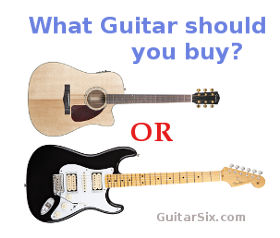
Your answers will point you toward one of three main guitar types:
• Acoustic guitar: Best for folk, country, pop, rock, and singer-songwriter music. It needs no amplifier.
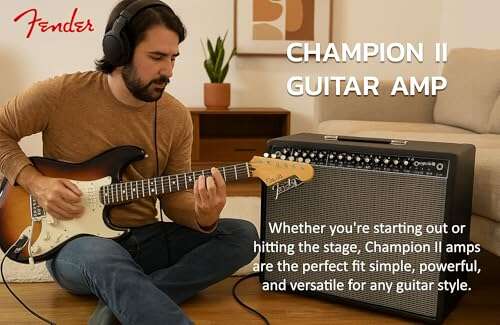
• Electric guitar: Best for rock, blues, metal, jazz, pop, and music that uses effects. You will also need an amplifier and cable.
• classical guitar: Best for classical music, flamenco, and some Latin styles. It uses nylon strings, which feel softer but have a wider neck.
Many first-time buyers choose an acoustic guitar because it seems simple. That can work well, but an electric guitar may be easier on the fingers. Electric strings often have lower tension, and the neck can feel slimmer.

Acoustic, Electric, or Classical: Which Is Best?
There is no single answer to what guitar should I buy. Each type offers a different playing experience, and none is automatically better for every new player.
Acoustic guitars
An acoustic guitar creates sound through its hollow body. Steel strings give it a bright, clear tone and strong projection.
Choose an acoustic guitar if you want to:
• Play without an amplifier
• Strum songs around a room or campfire
• Learn folk, country, pop, or singer-songwriter music
• Keep your setup simple
Acoustic guitars can be hard on new fingertips. This is normal, but excessive pain often points to high string action or poor technique. A basic setup from a guitar technician can make a large difference.
Electric guitars
An electric guitar uses pickups to send its sound to an amplifier. It can sound clean, bright, thick, distorted, or nearly any way you shape it.
Choose an electric guitar if you want to:
• Play rock, blues, metal, jazz, or pop
• Use distortion, delay, reverb, or other effects
• Practice with headphones
• Find a lighter touch and softer strings
Remember to include an amplifier, cable, strap, tuner, and perhaps a small effects pedal in your budget. A low-cost electric guitar with a good setup can be more enjoyable than a costly guitar that feels poorly adjusted.
Classical guitars
Classical guitars use nylon strings and usually have a wider neck. Their soft string feel can help some players, but the wider neck may feel awkward for small hands.
Choose a classical guitar if you love:
• Classical guitar pieces
• Flamenco
• Fingerstyle music
• Latin guitar sounds
Do not put steel strings on a classical guitar. Its bracing and neck are not designed for that level of tension.

How Much Should You Spend on a Guitar?
Your budget should cover more than the guitar itself. A realistic buying plan includes the instrument, basic accessories, and a setup if needed.
Here is a useful starting range in the United States:
• Under $200: Entry-level instruments. Quality can vary, so test carefully.
• $200 to $500: A strong range for beginners. You can find reliable guitars with better materials and hardware.
• $500 to $1,000: Good for serious learners and players who want improved tone, comfort, and long-term value.
• Over $1,000: Often aimed at experienced players, professionals, or buyers who know exactly what features they want.
For many people asking what guitar should I buy, the $250 to $500 range offers the best balance. It avoids the weakest beginner models without forcing you to spend professional-level money.
Set aside extra money for:
• A padded gig bag or hard case
• A clip-on tuner
• Picks
• A strap
• A stand
• Spare strings
• An amplifier for an electric guitar
• A basic setup
A guitar setup adjusts the neck, bridge, nut, and intonation. It can improve tuning, string height, and playability. In my experience, a setup often helps a new player more than upgrading to a fancier finish.
What Guitar Size Should You Buy?
Size affects comfort, tone, and control. A large guitar may sound full, but it can feel like a piece of furniture if your arms and shoulders cannot reach it easily.
Common acoustic body sizes include:
• Parlor: Small and comfortable, with a focused sound
• Concert: Balanced size and tone
• Auditorium: Versatile for strumming and fingerpicking
• Dreadnought: Large body with strong bass and volume
• Jumbo: Very large body with powerful projection
A smaller player does not always need a small guitar. The best test is simple: sit with the guitar and check whether your fretting hand, picking arm, and shoulders feel relaxed.
Look for these signs of a good fit:
• Your elbow rests naturally over the body
• Your wrist is not sharply bent
• You can reach the first few frets without strain
• The guitar does not slide away when you sit
• You can see the fretboard without hunching over
Children and smaller adults may prefer a three-quarter-size or travel guitar. These instruments can be easier to hold, but they may have less volume and a different tone.
The right answer to what guitar should I buy is often the guitar you can hold for 30 minutes without discomfort. Comfort encourages practice, and regular practice builds skill.

Features That Matter Most
New players often focus on wood type, color, or famous logos. Those details matter, but comfort and build quality should come first.
Neck shape and width
The neck should feel natural in your hand. A thick neck can feel stable, while a slim neck may help players with smaller hands or faster styles.
Classical guitars have wider necks. Many electric guitars have narrower necks. Acoustic guitar necks vary widely, so try several models.
String action
String action is the distance between the strings and frets. High action makes notes harder to press. Very low action can cause buzzing.
A little buzz may come from technique, fret wear, or neck adjustment. Ask a guitar technician to check the instrument if the strings feel unusually hard or notes buzz across many frets.
Intonation
A guitar with good intonation plays in tune as you move up the neck. Test this by comparing an open string with the same note at the 12th fret.
Perfect intonation is difficult on any guitar, but major tuning problems are a warning sign.
Tuning stability
Turn the tuning keys and listen for smooth movement. Play a few chords, then check the tuning again.
A guitar that goes out of tune quickly may need new strings or a setup. It may also have weak tuning machines, an unstable bridge, or a poorly cut nut.
Build quality
Inspect the guitar in bright light. Look for:
• Cracks in the wood
• Loose or lifting bridges
• Sharp fret ends
• Uneven frets
• Gaps where the neck joins the body
• Loose knobs, jacks, or tuning machines
A small cosmetic mark is not always a problem. Structural damage is more serious and should affect the price.

How to Test a Guitar Before You Buy
If you are unsure what guitar should I buy, test several instruments side by side. You do not need advanced skills. Simple checks can reveal a great deal.
Follow these steps:
-
Sit in your normal playing position.
-
Play open chords such as G, C, D, and E minor.
-
Play single notes on every string.
-
Check whether the notes buzz or sound dull.
-
Move up the neck and test the higher frets.
-
Play softly, then play with more force.
-
Check the tuning after several minutes.
-
Ask how the guitar feels compared with the others.
If you are a beginner, bring an experienced friend or teacher. Store staff can also help, though you should still trust your own comfort.
Do not choose a guitar only because it sounds impressive in a loud store. A bright guitar may seem exciting for five minutes but become tiring at home. If possible, play it in a quieter room or listen through an amplifier at a moderate volume.
One mistake I have seen many beginners make is testing only the guitar they already like visually. Try three or four different body shapes and necks first. Your hands often make a better decision than your eyes.

Should You Buy New or Used?
A used guitar can offer excellent value. It may have better materials and hardware than a new guitar at the same price.
A new guitar gives you:
• A warranty
• Fewer hidden defects
• Easier returns
• A clean playing history
A used guitar may provide:
• A lower price
• A broken-in feel
• Better quality within your budget
• Access to discontinued or unusual models
When buying used, inspect the neck, bridge, frets, electronics, and body. Look inside an acoustic guitar with a flashlight. Check for cracks near the bridge and around the neck joint.
For an electric guitar, plug it into an amplifier. Turn each knob and pickup selector. Gently move the cable near the jack to check for crackling or loose connections.
Ask the seller:
• How long have you owned it?
• Has it had repairs?
• Has it been stored in a dry or very damp place?
• When were the strings last changed?
• Why are you selling it?
Do not assume every used guitar is a bargain. Repair costs can erase the savings. If you cannot inspect the instrument well, buy from a shop with a return policy.

Best Guitar Choices by Player Type
The answer to what guitar should I buy changes with your goals. These examples can help narrow the field.
Best for a complete beginner
Choose a comfortable acoustic or electric guitar from a trusted entry-level series. Focus on a good setup, stable tuning, and a neck that feels easy to hold.
An acoustic starter should include steel strings and a body size that does not strain your shoulders. An electric starter should come with a reliable practice amplifier.
Best for a singer-songwriter
Choose a steel-string acoustic guitar with a balanced tone. A concert or auditorium body often works well because it supports both strumming and fingerpicking.
A built-in pickup is useful if you plan to perform. It is not essential if you only play at home.
Best for rock and metal
Choose an electric guitar with comfortable fret access, stable tuning, and pickups designed for strong output. A humbucker pickup can provide a thick sound with less noise than many single-coil designs.
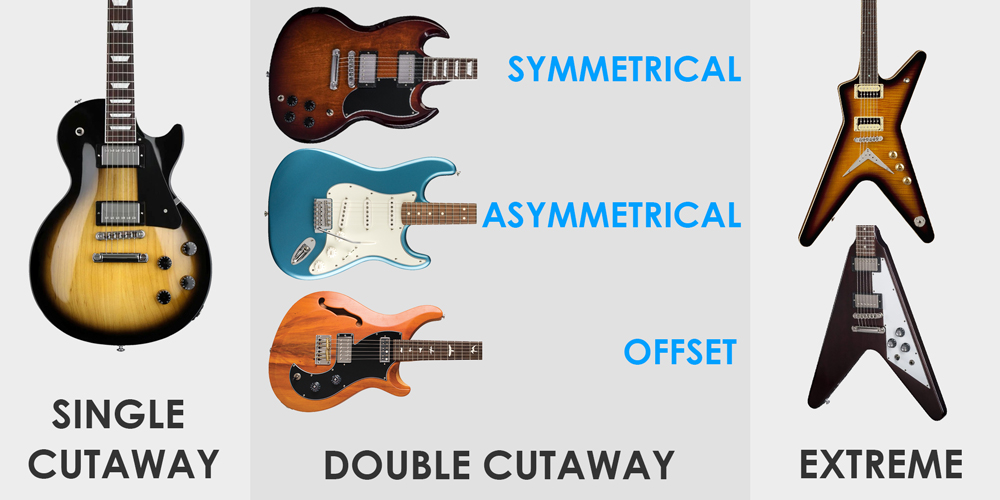
Do not buy the most aggressive-looking guitar unless it feels right. Good technique matters more than sharp body shapes or extreme finishes.
Best for blues and classic rock
A versatile electric guitar with clean and overdriven tones is a strong choice. Single-coil pickups offer clarity, while humbuckers provide warmth and power.
A guitar with a comfortable bridge and easy upper-fret access can make bends and vibrato more enjoyable.
Best for children
Choose a smaller guitar that the child can hold without strain. A full-size instrument may discourage practice if it feels too large.
Avoid buying the cheapest model without testing it. A difficult-to-play guitar can make a child think they dislike music when the real problem is poor setup.
Brands, Materials, and Marketing Claims
Brand reputation can help, but it should not replace hands-on testing. Most major guitar companies offer strong beginner lines, yet quality can still vary between individual instruments.
Common acoustic tonewoods include:
• Spruce: Clear, balanced, and widely used for soundboards
• Cedar: Warm and responsive, often favored by fingerstyle players
• Mahogany: Focused, woody, and smooth
• Rosewood: Rich and complex, though it may increase cost
A solid wood top can develop a more open sound over time, but a well-made laminate guitar may be more stable and affordable. For a beginner, construction quality and comfort usually matter more than the label on the wood.
Be cautious with phrases such as “professional tone” or “ultimate beginner guitar.” These are marketing terms, not guarantees. Read the specifications, check the return policy, and test the actual instrument.
Environmental conditions also matter. Wood reacts to changes in humidity. Very dry air can cause cracks, while excess moisture can affect the neck and action. Keep an acoustic guitar away from heaters, vents, and direct sunlight.

Common Mistakes to Avoid
Knowing what guitar should I buy also means knowing what not to buy. Several mistakes appear again and again.
• Buying only by appearance: A beautiful guitar that hurts your hands will spend more time on a wall than in your lap.
• Spending the whole budget on the guitar: You still need a tuner, strings, a case, and other basic tools.
• Choosing a guitar with high action: New players may blame themselves when the instrument simply needs adjustment.
• Ignoring body size: A guitar that feels too large can cause poor posture and shoulder pain.
• Buying without a return policy: You may notice problems only after playing at home.
• Selecting an advanced model too soon: Complex electronics and unusual designs may add cost without helping your first lessons.
• Skipping lessons: Even a few sessions with a good teacher can prevent hand strain and bad habits.
The first guitar does not need to be your forever guitar. It only needs to make practice inviting. As your playing grows, your preferences will become clearer.
A Simple Guitar Buying Checklist
Use this checklist in a store or when reviewing an online listing.
-
Confirm the guitar type matches your music.
-
Check the body size and neck shape.
-
Inspect the body, bridge, neck, and frets.
-
Play every string across several frets.
-
Listen for buzzing, dead notes, or rattles.
-
Test the tuning machines and electronics.
-
Ask whether the guitar has had a professional setup.
-
Confirm the return policy and warranty.
-
Add the cost of accessories.
-
Choose comfort over color or status.
Online shopping can work well when the retailer gives clear specifications, detailed photos, and a fair return window. Read recent reviews, but look for repeated comments about tuning, fret edges, action, and shipping damage rather than one emotional opinion.
If you can visit a local store, take your time. A good salesperson should help you compare instruments without pressuring you into the most expensive option.
Frequently Asked Questions About What Guitar Should I Buy
What guitar should I buy as a beginner?
Most beginners should choose a comfortable acoustic or electric guitar with reliable tuning and a good setup. The best option depends on the music you want to play and whether you want to use an amplifier.
Is an acoustic or electric guitar easier to learn?
Neither is always easier. Electric guitars often use lighter strings and require less finger pressure, while acoustic guitars need fewer extra items and make practice simple.
How much should I spend on my first guitar?
A budget of $250 to $500 often provides good value for a first guitar. You can spend less, but make sure the instrument has proper tuning, comfortable action, and no major build problems.
Should I buy a guitar online?
You can buy a guitar online if the seller offers clear details, a warranty, and a reasonable return policy. Buying in person lets you test the neck, body size, sound, and comfort before paying.
Is a used guitar a good choice for a beginner?
A used guitar can be an excellent choice when it is free from structural damage and has a fair price. Ask an experienced player or technician to inspect it if you are unsure.
Do I need a professional guitar setup?
A setup is not always required, but it can greatly improve playability. It is especially useful when the strings feel high, the guitar buzzes, or the instrument will not stay in tune.
What size guitar is best for a smaller player?
A parlor, concert, travel, or three-quarter-size guitar may feel more comfortable. Test the instrument in a seated position and choose the size that allows relaxed shoulders and easy fret access.
Conclusion
The right answer to what guitar should I buy starts with your music, not a famous logo. Choose the guitar that feels comfortable, stays in tune, matches your budget, and encourages you to practice.
Test several guitars when possible. Check the neck, action, intonation, body size, and build quality. Leave room in your budget for accessories and a setup, because small improvements can make learning feel much easier.
Your first guitar does not need to be perfect. It needs to invite you to pick it up every day. Use this guide, visit a trusted music store, and share your guitar choice or questions in the comments.

Senior Music Reviewer
Alex Carter is a seasoned music reviewer with over a decade of experience in the world of sound and instruments. Passionate about helping musicians and enthusiasts make informed choices, he brings sharp insights and in-depth knowledge to every review. From classical instruments to modern gear, Alex combines technical expertise with a love for music to deliver content that resonates with readers.
As a Senior Music Reviewer and expert author on Tuneluma.com, Alex is dedicated to sharing honest evaluations, practical advice, and thoughtful commentary to guide readers in their musical journey.