What Is The Best Piano Brand: Best Brands Compared
The best piano brand for most buyers is Yamaha, but Steinway, Kawai, Fazioli, and Bösendorfer excel in different areas.
As a piano writer and long-time observer of players, teachers, and piano technicians, I know this choice is about more than a famous name. The best piano brand depends on your budget, playing level, space, sound, touch, and whether you want an acoustic or digital instrument. This guide compares the leading brands so you can choose with confidence.

What is the best piano brand?
For most people, Yamaha is the best piano brand overall. Yamaha offers dependable construction, clear tone, many sizes, strong resale value, and options for beginners, professionals, schools, churches, and recording studios.
Still, “best” is not the same for every player. A concert pianist may prefer Steinway & Sons or Fazioli. A home player may love Kawai’s warm sound. A digital pianist may prefer Roland or Yamaha Arius.
Here is a simple overview:
• Best overall acoustic brand: Yamaha
• Best for concert performance: Steinway & Sons
• Best warm and smooth tone: Kawai
• Best luxury European sound: Bösendorfer
• Best handmade Italian piano: Fazioli
• Best digital piano for natural action: Kawai or Yamaha
• Best digital piano for technology and features: Roland
The best piano brand should also match your hands and ears. A piano can have a great reputation and still feel wrong to you. Think of buying a piano like buying shoes: quality matters, but comfort and fit matter too.
How to choose the best piano brand for your needs
Before comparing brands, define how you will use the piano. A beginner who practices for 20 minutes each day has different needs from a conservatory student or a professional performer.
Consider these factors:
• Skill level: Beginners need a reliable, responsive instrument. Advanced players often need greater tonal range and more control.
• Piano type: Choose between an acoustic upright, acoustic grand, digital piano, or hybrid piano.
• Budget: Include delivery, tuning, maintenance, a bench, headphones, and possible repairs.
• Available space: A grand piano needs far more room than an upright or digital model.
• Sound preference: Some players prefer a bright, clear tone. Others want a mellow, deep, and round sound.
• Key action: The keys should respond smoothly and offer enough resistance for controlled playing.
• Maintenance: Acoustic pianos need regular tuning. Digital pianos need less care but may become outdated.
• Resale value: Well-known brands often hold value better than lesser-known brands.
A common mistake is to shop by brand alone. The same brand can make entry-level, professional, and premium models with very different actions and soundboards. Always compare the specific model, not just the logo.
Acoustic or digital?
An acoustic piano creates sound when felt hammers strike strings. It offers natural vibration, rich overtones, and a living sound that changes with touch.
A digital piano uses sampled or modeled sound. It is easier to move, often includes headphones and recording tools, and does not need regular tuning. Modern digital pianos can feel very realistic, but they still differ in key action, speakers, and long-term durability.
For serious classical study, an acoustic piano is often the ideal choice if your home and budget allow it. For apartments, night practice, and flexible use, a digital piano may be the smarter choice.

Yamaha: the best piano brand for most buyers
Yamaha is often the safest answer to the question, what is the best piano brand? The company makes upright and grand acoustic pianos, stage pianos, digital instruments, hybrid pianos, and keyboards.
Yamaha acoustic pianos are known for:
• Clear, focused tone
• Consistent key action
• Strong build quality
• Wide model selection
• Good dealer support
• Reliable resale value
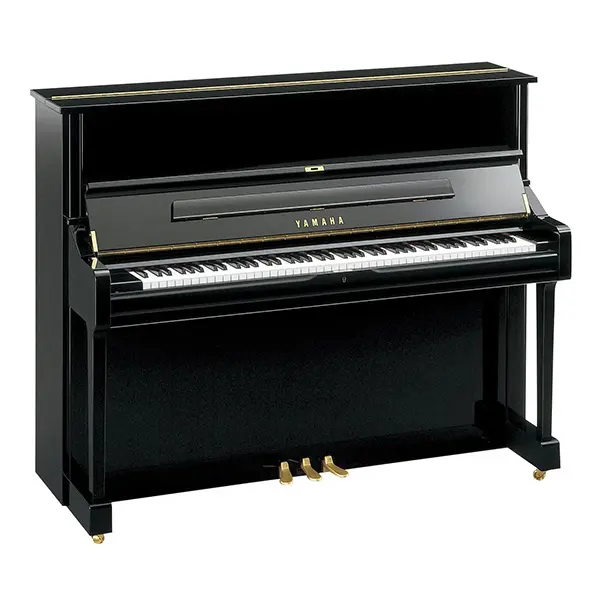
The Yamaha U series is widely used in homes, teaching studios, schools, and institutions. Larger Yamaha grands are common on concert stages and in recording rooms.
Yamaha’s tone often feels bright and direct. That sound can help beginners hear individual notes clearly. It also works well in modern music, jazz, pop, and studio recording.
The main limitation is personal taste. Some players find certain Yamaha models too bright or firm. Room size also affects the result. A piano that sounds balanced in a large showroom may sound sharp in a small room with hard floors and bare walls.
For digital players, Yamaha offers the Arius, Clavinova, and other lines. Clavinova models usually provide strong key action, realistic sounds, useful recording tools, and good speaker systems.
If you want one brand that offers dependable choices at many prices, Yamaha is hard to beat.

Steinway & Sons: the best piano brand for concert prestige
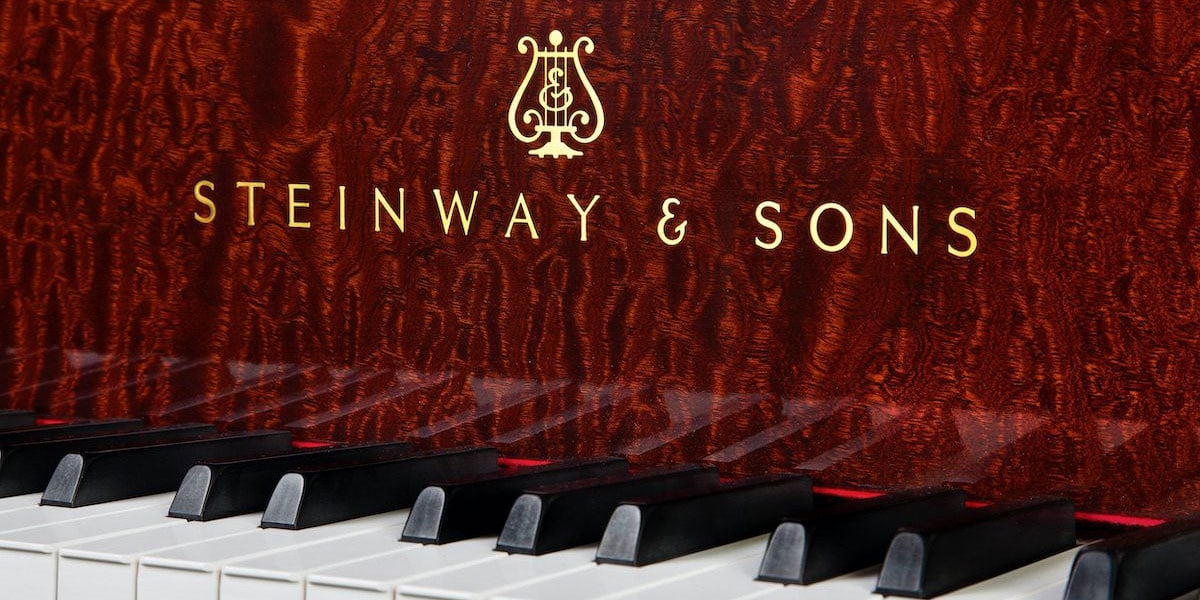
Steinway & Sons is one of the most respected names in the piano world. Many major concert halls, competitions, and professional pianists use Steinway grands.
Steinway pianos are known for:
• Powerful projection
• Broad tonal color
• Responsive touch
• Strong bass
• Rich sustain
• Handmade construction
A skilled pianist can shape many colors from a Steinway. A soft note may sound delicate, while a strong chord can fill a large hall. This wide range is one reason professional artists value the brand.
Steinway grands are expensive. They also need a suitable room, regular tuning, and careful regulation. A poorly maintained Steinway may not perform like a well-maintained one.
The brand also sells Boston and Essex pianos. These instruments are designed for different price ranges, but they should not be treated as identical to a handmade Steinway grand.
Is Steinway the best piano brand? It may be the best choice for a professional concert pianist who wants a powerful, expressive grand piano. For many home players, however, a Yamaha or Kawai may offer better value.

Kawai: the best piano brand for a warm and controlled tone
Kawai is a leading Japanese piano maker with a strong reputation for acoustic and digital instruments. Its pianos often have a warm, smooth tone and a controlled touch.
Kawai acoustic pianos commonly appeal to players who want:
• A mellow tone
• Smooth dynamic control
• Comfortable key action
• Strong value
• Modern materials
Kawai uses advanced materials in some actions, including composite components. These materials can reduce the effects of moisture and wear, though maintenance is still important.
Many teachers like Kawai pianos because they allow students to hear soft changes in volume. The sound can feel gentle rather than sharp, especially in a small room.
Kawai digital pianos are also popular. Models in the CN and CA families often include wooden keys, realistic hammer action, and good piano samples. Their digital instruments can suit classical students who need a serious practice tool.
Kawai may be the best piano brand for someone who wants a warm sound and a high-quality action without paying the premium price of a top concert grand.

Bösendorfer: the best piano brand for a distinctive European sound
Bösendorfer is an Austrian brand known for handmade grand pianos and a rich, colorful tone. Some models include extra bass keys, which extend the normal piano range.
Bösendorfer pianos often have:
• A warm and complex sound
• Deep bass
• Gentle treble
• Strong sustain
• A refined European character
These pianos can sound less aggressive than some American or Japanese grands. Their tone may blend beautifully in chamber music and lyrical solo works.
Bösendorfer pianos are luxury instruments. They can be costly to purchase and maintain. They also need a room that allows their tone to develop without becoming too loud or boomy.
The right pianist may find a Bösendorfer deeply inspiring. Another player may prefer the clearer attack of a Yamaha or the broad power of a Steinway. This is why listening in person matters so much.

Fazioli: the best piano brand for luxury craftsmanship
Fazioli is an Italian piano maker known for handmade grand pianos. The company produces a smaller number of instruments than major mass-market brands, with close attention to materials and design.
Fazioli pianos are known for:
• Exceptional clarity
• Brilliant but controlled treble
• Powerful bass
• Precise repetition
• Wide tonal color
• Fine craftsmanship
Many professional pianists admire Fazioli instruments for their clarity and projection. They can reveal small changes in touch, which is useful for advanced players.
Fazioli grands are among the most expensive pianos available. They may also feel demanding because their detail exposes uneven technique. For a beginner, that level of sensitivity may not provide enough benefit to justify the cost.
If you are asking what is the best piano brand for a luxury concert instrument, Fazioli deserves serious attention. But the best piano is still the one whose tone and action fit your playing style.
Roland and other digital piano brands
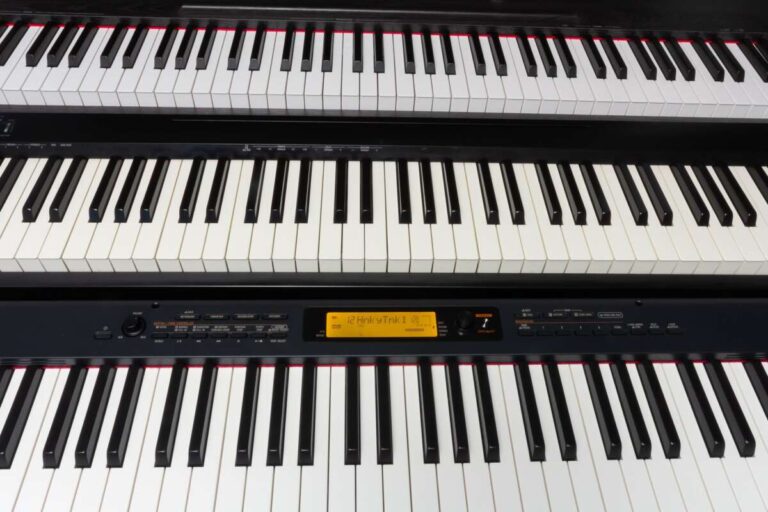
A digital piano can be the best piano brand choice when convenience matters. Roland, Yamaha, Kawai, Casio, and Korg all make useful digital instruments, but their strengths differ.
Roland
Roland is known for advanced digital technology, responsive actions, and modeled or sampled piano sounds. Many Roland instruments offer:
• Strong headphone performance
• Good electronic control
• USB and Bluetooth features
• Useful practice tools
• Compact cabinet designs
Roland is often a strong choice for modern players who want recording, layering, rhythm, and app features.
Casio
Casio offers affordable digital pianos with many beginner-friendly features. Its Privia line is popular with students and apartment players.
Casio can provide good value, but the key action and cabinet speakers may not match higher-priced Yamaha, Roland, or Kawai models.
Korg
Korg digital pianos often appeal to performers who want expressive sounds and stage-friendly controls. The brand has a strong history in electronic instruments.
Which digital brand is best?
For natural piano practice, compare Yamaha, Kawai, and Roland in person. Focus on key movement, repetition, pedal response, speaker quality, and how the sound reacts to soft playing.
Do not choose based only on the number of sounds. A digital piano with 500 sounds may be less useful for piano study than one with a superb action and two excellent piano tones.

Upright versus grand piano
The best piano brand also depends on the piano’s design. Uprights and grands can both be excellent, but they offer different experiences.
Upright pianos
Uprights save space and usually cost less than grands. They work well in homes, schools, studios, and small churches.
A good upright can provide:
• A full 88-key range
• A realistic acoustic action
• Strong musical expression
• Lower purchase and maintenance costs
The height of an upright matters. Taller uprights often have longer strings and larger soundboards, which can create a richer bass and more balanced tone.
Grand pianos
Grand pianos place the strings and soundboard in a horizontal frame. This design can improve projection, repetition, and control.
Grand pianos offer:
• Faster repetition
• More powerful sound
• Greater tonal range
• Better pedal response
• More room for expressive control
A baby grand is not automatically better than a high-quality upright. A well-built upright may sound more balanced than a small grand with short strings and poor maintenance.
New versus used pianos
A used piano can be a smart purchase, but it needs careful inspection. Age alone does not determine quality. A well-maintained 30-year-old piano may be better than a neglected 10-year-old piano.
Before buying a used acoustic piano, hire an independent piano technician. A seller’s technician may be honest, but an independent inspection gives you a more neutral opinion.
Ask the technician to check:
• Soundboard cracks
• Pinblock condition
• Tuning stability
• String rust
• Hammer wear
• Key bushings
• Pedal function
• Action regulation
• Cabinet damage
• Signs of water or insect damage
A piano may look beautiful while hiding costly repairs. This is one of the most important lessons for first-time buyers. Cosmetic shine is not the same as mechanical health.
Also ask for the serial number and service history. The serial number can help estimate the instrument’s age and identify the model.
How much should you spend on a piano?
Piano prices vary greatly by brand, size, condition, location, and features. A basic digital piano may cost a few hundred dollars, while a professional concert grand can cost well over $100,000.
Your total budget should include:
• Piano and bench
• Delivery
• First tuning
• Future tuning
• Humidity control
• Headphones for digital models
• Repairs or regulation
• Moving costs
For many beginners, a reliable digital piano with weighted keys is a better choice than a cheap used upright. A low-quality acoustic piano may have weak action, poor tuning stability, and expensive repair needs.
For a serious student, buying the best instrument you can safely afford may support better practice. Still, do not go into debt for a luxury piano. Musical progress comes from regular, focused practice more than from a famous logo.
How to test a piano before buying
Testing a piano is not only for advanced musicians. Even a beginner can compare comfort, sound, and response.
Follow these steps:
-
Play soft notes in the middle range.
-
Play the same notes with more force.
-
Test repeated notes to check the action.
-
Listen for buzzing, rattling, or uneven volume.
-
Play scales across the full keyboard.
-
Test the pedals.
-
Try slow music and fast music.
-
Sit at the piano for at least 15 minutes.
-
Ask to hear the instrument from several places in the room.
-
Return on another day before making a final decision.
Play music you know. Simple scales and familiar songs can reveal more than difficult pieces played with tension.
If you are a beginner, bring a teacher or experienced player. Your ears may need time to learn what a balanced piano sounds like. A qualified piano technician can also help you judge an acoustic instrument.
Common mistakes to avoid
Many piano buyers make the same errors. Avoiding them can save money and frustration.
• Choosing a brand without testing the model: Different models from one company can feel very different.
• Buying the cheapest acoustic piano: Repair costs may soon exceed the original savings.
• Ignoring room acoustics: Hard walls can make a bright piano sound harsh.
• Skipping a used-piano inspection: Hidden structural issues can be expensive.
• Focusing only on appearance: A polished cabinet does not guarantee good action.
• Buying too many digital features: Extra sounds do not replace quality keys.
• Forgetting delivery costs: Grand pianos require specialist movers.
• Neglecting tuning: Acoustic pianos lose their best sound when they are not tuned.
• Assuming expensive means perfect: Personal preference still matters.
One mistake I often see is choosing a piano after hearing only one loud song in a showroom. A better test includes soft playing, pauses, and a range of music. Piano tone is like food seasoning: balance matters more than sheer strength.
Piano maintenance and long-term value
Acoustic pianos need care. Most home pianos should be tuned about once or twice a year, though climate, use, and age can change that schedule.
Keep an acoustic piano away from:
• Direct sunlight
• Heating vents
• Air-conditioning vents
• Damp exterior walls
• Rapid temperature changes
Use a stable room environment. Extreme humidity can affect wood, felt, glue, and metal parts.
Digital pianos need less maintenance, but they are not maintenance-free. Keep dust away from the keys, protect the electronics from spills, and update software when needed. After many years, screens, sensors, speakers, or circuit boards may need service.
Resale value depends on brand, model, condition, age, location, and demand. Yamaha and Kawai often perform well in the used market, while famous concert brands can retain high value when properly maintained.
Is the most expensive piano always the best?
No. The most expensive piano is not always the best piano for your home or playing style.
A concert grand may be too powerful for a small living room. A bright piano may sound harsh in a room with tile floors. A professional action may feel heavy to a young beginner.
The best piano should give you:
• A comfortable touch
• A sound you enjoy
• Enough volume for your room
• Reliable tuning or electronics
• A price that fits your budget
• Support from a reputable dealer or technician
This is why the answer to what is the best piano brand must remain flexible. A brand can be excellent, but the final choice should come from the instrument in front of you.
Frequently Asked Questions About What Is the Best Piano Brand
What is the best piano brand for beginners?
Yamaha and Kawai are strong choices for beginners because they offer reliable actions, clear sound, and models at several price points. For digital pianos, compare Yamaha, Kawai, Roland, and Casio based on key feel and budget.
Is Yamaha better than Kawai?
Neither brand is always better. Yamaha often has a brighter, clearer tone, while Kawai often offers a warmer, smoother sound; the best choice depends on your taste and the specific model.
Is Steinway the best piano brand?
Steinway & Sons is one of the leading concert piano brands, especially for powerful projection and broad tonal color. It may not be the best value or best fit for every home player.
What is the best digital piano brand?
Yamaha, Kawai, and Roland are among the strongest digital piano brands. Yamaha and Kawai often suit classical practice, while Roland is popular with players who value technology and expressive digital control.
What is the best piano brand for a professional pianist?
Steinway, Yamaha, Kawai, Bösendorfer, and Fazioli all make professional-level pianos. The best choice depends on the pianist, venue, repertoire, and personal preference.
Is a used piano worth buying?
A used piano can be an excellent value when it has a healthy soundboard, stable tuning, good action, and a clear service history. Always arrange an inspection by an independent piano technician before buying.
How often should an acoustic piano be tuned?
Most home acoustic pianos should be tuned once or twice each year. New pianos, heavily used pianos, and instruments in unstable climates may need more frequent tuning.
Conclusion
So, what is the best piano brand? Yamaha is the strongest all-around choice for many buyers, while Kawai offers a warm and refined alternative. Steinway, Bösendorfer, and Fazioli serve players seeking high-end concert performance, and Roland, Yamaha, and Kawai lead many digital piano comparisons.
The right piano is the one that feels comfortable, sounds inspiring, suits your room, and fits your budget. Test several models, inspect used instruments carefully, and ask a teacher or piano technician for help. Visit a trusted dealer, play without rushing, and choose the piano that makes you want to practice tomorrow.

Senior Music Reviewer
Alex Carter is a seasoned music reviewer with over a decade of experience in the world of sound and instruments. Passionate about helping musicians and enthusiasts make informed choices, he brings sharp insights and in-depth knowledge to every review. From classical instruments to modern gear, Alex combines technical expertise with a love for music to deliver content that resonates with readers.
As a Senior Music Reviewer and expert author on Tuneluma.com, Alex is dedicated to sharing honest evaluations, practical advice, and thoughtful commentary to guide readers in their musical journey.