Best Bass Guitar Songs For Beginners: Easy Songs To Learn
The best bass guitar songs for beginners are simple, catchy tracks that build timing, rhythm, finger strength, and confidence.
Many new bass players practice scales for weeks but still feel stuck when a real song starts. I understand that feeling. The right songbook can turn practice into a clear path, with tabs, riffs, and familiar songs that make each session feel useful. I reviewed these bass and guitar books for song choice, beginner value, tab quality, learning flow, and practical use. This guide will help you find the best bass guitar songs for beginners, whether you want rock, pop, classic hits, or short lessons.
First 50 Songs You Should Play on Bass

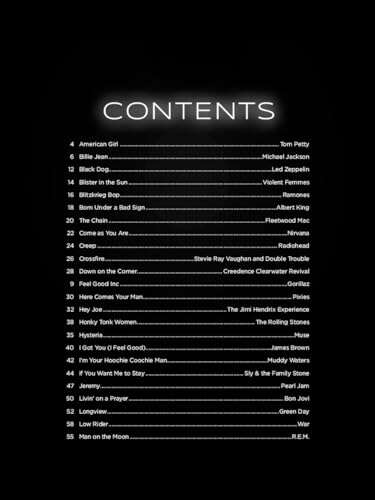
First 50 Songs You Should Play on Bass takes a direct approach to learning. It gives beginners a useful list of recognizable songs instead of burying them in long theory lessons. The song format makes practice feel more like playing music and less like doing homework. I also like that a new player can choose a song based on taste and skill level.
This book can support early work on steady eighth notes, repeated bass patterns, rests, and basic groove. Those skills form the core of many of the best bass guitar songs for beginners. It is especially helpful when you want a clear goal for each practice session. A player can start slowly, learn one section, and then build toward the full track.
Pros:
- Focuses on 50 playable bass songs
- Uses familiar music to keep practice fun
- Helps build timing and steady rhythm
- Gives beginners clear song-based goals
- Works well for self-guided practice
- Supports a gradual move from riffs to full songs
Cons:
- Some songs may still need slow practice
- Players who prefer video lessons may need extra help
- Song difficulty can vary across the collection
My Recommendation
I recommend this book for adult beginners, teens, and players who lose interest with drills alone. It is a strong pick if you want the best bass guitar songs for beginners in a simple, song-first format. Use a metronome and start at half speed for the best results. Overall, it offers good practice value and is easy to keep near your bass.
How to Play Bass Guitar in 50 Songs

How to Play Bass Guitar in 50 Songs uses an 80/20-style learning idea. The goal is to spend time on skills that give the biggest musical return. For a new player, that can mean learning useful patterns before studying advanced theory. The format may feel less formal than a traditional method book, but that can make it easier to start.
The song-based lessons help connect notes to real bass lines. A beginner can learn how a groove repeats, how a bass part supports drums, and how simple changes create movement. I find this approach useful for players who want quick progress without rushing through the basics. It can also help bridge the gap between learning a riff and playing with a backing track.
Pros:
- Teaches through a focused song method
- Encourages practical playing from the first lessons
- Helps students identify high-value bass skills
- Useful for players with short practice sessions
- Builds confidence through familiar music
- Can guide a beginner toward intermediate playing
Cons:
- The 80/20 approach may not cover every theory topic
- Some readers may want more finger exercises
- Beginners may need a separate tuner and metronome
My Recommendation
This book suits busy beginners who want a practical route into bass. It is also a good choice for players who already know a few notes but need help turning them into songs. If your goal is to learn the best bass guitar songs for beginners without wasting practice time, this method is worth considering. Its value comes from focus, not from filling pages with extra material.
First 50 Songs for Electric Guitar

This electric guitar songbook is not a dedicated bass method, but it can still help a bass beginner who enjoys rock music. It includes well-known riffs, chords, and song parts from major rock artists. Those songs can inspire a student to learn the matching bass line by ear or with a separate bass tab. The familiar material may also make home practice more enjoyable.
I would treat this book as a companion rather than a complete bass course. Guitar tabs do not always show the best bass arrangement, and guitar parts can be more complex than a beginner bass line. Still, it can help improve rhythm, song structure, and fretboard awareness. It is a smart extra book for a player who wants to understand the guitar-and-bass relationship.
Pros:
- Offers many recognizable rock songs
- Can improve rhythm and song structure awareness
- Useful for bassists who play in guitar-based bands
- Provides riffs that can inspire bass practice
- Helps students learn how guitar parts fit a song
- May expand a beginner’s music library
Cons:
- It is not written specifically for bass guitar
- Some guitar parts may be too advanced for new players
- It may require separate bass tabs or transcriptions
My Recommendation
I recommend this book only as an extra resource for rock-minded bass players. It is not my first choice for the best bass guitar songs for beginners, but it can add useful context to a bass practice shelf. Choose it if you enjoy Nirvana, Metallica, Queen, and similar artists. For direct bass instruction, pair it with a true bass method or songbook.
Bass for Beginners in 7 Simple Steps

This beginner guide focuses on the first steps of playing bass. That makes it helpful for someone who has never held a bass guitar before. A new player needs more than song lists; they also need guidance on posture, fretting, plucking, tuning, and practice habits. A simple structure can remove much of the fear that comes with a new instrument.
I like this type of book for students who need a gentle start before tackling full songs. It can help you understand how to read basic tab and how to make clean notes. Once those skills feel steady, you can use a songbook to apply them. Think of this guide as the foundation under the house rather than the finished house.
Pros:
- Designed for people with no prior bass experience
- Breaks the learning process into simple steps
- Can support better posture and hand position
- Helps reduce confusion during the first lessons
- Useful before starting more demanding songs
- Encourages a steady and organized practice routine
Cons:
- May feel basic for players who already know bass
- Song coverage may be lighter than in a songbook
- Students seeking advanced theory will need another resource
My Recommendation
This is best for a complete beginner who wants a calm starting point. I would choose it before a large song collection if you are unsure how to hold, tune, or practice the instrument. It may not contain every one of the best bass guitar songs for beginners, but it can help you reach those songs with better technique. The clear step format gives it strong value for first-time players.
Hal Leonard Electric Bass Method

The Hal Leonard Electric Bass Method Complete Edition gives beginners a more structured path. It combines three levels in one spiral-bound book, so a player can continue past the first basic lessons. The method covers reading, technique, rhythm, and playing examples. That mix makes it useful for students who want a full course instead of only a list of songs.
In my experience, structured method books help prevent gaps. A player may learn a fun riff but miss timing, note names, or proper technique. This book encourages a more balanced approach. It may take longer to move through than a quick song guide, yet the extra structure can pay off when you begin playing with other musicians.
Pros:
- Includes three levels in one complete edition
- Builds technique and reading skills step by step
- Uses tablature and standard music notation
- Supports long-term study beyond the first month
- Spiral binding keeps pages easier to use while playing
- Works well with a teacher or self-study plan
Cons:
- Structured lessons may feel slow to song-focused learners
- Some beginners may need help reading notation
- It can feel less exciting than a popular-song collection
My Recommendation
I recommend this method for serious beginners who want strong fundamentals. It is one of the better choices if you want the best bass guitar songs for beginners while also learning the skills behind them. Teachers can use it as a core text, and self-taught players can move at their own pace. Its broad lesson range also makes it a good long-term value.
The Ultimate Bass Songbook

The Ultimate Bass Songbook collects 70 classic songs with bass-focused transcriptions. This format gives a player a wide range of material, from simple repeated patterns to more active lines. It is useful when you want to explore different styles and playing approaches. The collection can also prevent practice from becoming stale after you learn one or two songs.
A large songbook works best when you use it with a plan. Do not try to master every track at once. Pick one easy song, mark the difficult bars, and practice with a slow beat. As your hands improve, return to harder songs and compare your timing. The book can serve both a beginner and an advancing player because the collection offers room to grow.
Pros:
- Includes 70 classic bass songs
- Provides bass-specific transcriptions
- Offers variety across styles and skill levels
- Supports long-term practice and song rotation
- Can help improve reading and groove control
- Useful for players who want a broad music library
Cons:
- A large collection can overwhelm new players
- Not every song will feel easy at first
- Some learners may need audio support or guidance
My Recommendation
This is best for beginners who want many song choices and plan to keep learning. It is a strong candidate for the best bass guitar songs for beginners because it combines real songs with bass-centered notation. I would choose it for a growing player rather than someone who needs a very small first lesson. The range gives it excellent value when used with patience.
The Bassist’s Fake Book

The Bassist’s Fake Book offers a very large collection of 250 songs. It includes bass charts, notation, tab, and lyric cues, which can help a player follow the form of each song. The sheer size makes it useful for repeated practice over many months. It can also serve a bassist who wants to play with singers or small groups.
This is not the smallest or simplest book for a brand-new player. A fake book often gives the information needed to understand a song without spelling out every lesson. That freedom benefits players who can read basic tab and listen closely. If you are still learning open strings, start with an easier method and use this book as your skills grow.
Pros:
- Contains 250 songs for wide practice variety
- Includes tab, notation, and lyric cues
- Useful for playing with singers and bands
- Can support ear training and song-form study
- Offers strong long-term value
- Works for beginners and more experienced players
Cons:
- The large format may overwhelm a first-time player
- Some songs require basic reading skills
- It may not explain each bass line like a lesson book
My Recommendation
I recommend this collection for a beginner who wants a large library and has some patience. It is also a smart choice for a bassist who hopes to play requests or join informal jam sessions. While it may not be the easiest first book, it contains many possible best bass guitar songs for beginners. Buy it for breadth, not for a tightly guided course.
First 50 Songs for Acoustic Guitar

This acoustic guitar book is not a bass songbook, but it can help a beginner understand common song forms. Chords and lyrics show how verses, choruses, and bridges fit together. That knowledge matters because bass players must often follow the structure created by the guitar and vocals. It can be especially useful for someone who plays more than one instrument.
I would not buy this book as the only resource for learning bass. Acoustic guitar chord shapes do not directly teach bass lines, and the finger work is different. Still, it may help a bass player hear chord changes and learn to support a song. Use it as a secondary book if you want a broader view of popular music.
Pros:
- Includes 50 accessible popular songs
- Helps explain basic song structure
- Useful for players who also play guitar
- Can improve chord-change awareness
- Provides lyrics that help track song sections
- May support writing and arranging practice
Cons:
- It is designed for acoustic guitar, not bass
- Chord lessons do not replace bass tab
- New bassists may need another book for technique
My Recommendation
This book is best as a companion for a multi-instrumentalist. It does not rank highly on its own for the best bass guitar songs for beginners, but it can improve your understanding of the songs you play. Choose it if you also want to strum guitar or sing. Bass-focused learners should buy it only after getting a dedicated bass resource.
Simple Songs: Easy Guitar Songbook

Simple Songs focuses on easy rock and pop hits. It is built around tabs, chords, and lyrics, so it may appeal to a player who likes quick wins. Bassists can use the song list to choose tracks, listen for the root notes, and build a simple supporting line. That process teaches an important bass habit: listen first, then play.
The book works best when the player understands its limits. Guitar tabs may not show the exact bass part, and a beginner should not assume that every low note will sound correct on bass. However, the easy song format can make rhythm practice less intimidating. Pair it with bass-specific instruction for better technique and more accurate lines.
Pros:
- Uses easy rock and pop songs
- Includes tabs, chords, and lyrics
- Encourages quick musical progress
- Can help beginners follow song sections
- Useful for creating simple root-note bass parts
- Good for players who also enjoy guitar
Cons:
- It is not a dedicated bass instruction book
- Guitar tabs may not match the recorded bass line
- Some songs still require careful listening
My Recommendation
I suggest this book for a beginner who wants easy songs and also plays guitar. It can support the search for the best bass guitar songs for beginners, but it should not replace a true bass songbook. Use it to study rhythm and song form, then confirm bass notes with your ear or a proper transcription. Its low-pressure style makes it a useful extra.
Easy Bass Guitar Songbook for Kids and Beginners

This bass songbook is aimed at kids and beginners who want easy, fun material. It includes more than 30 songs with notation and tablature. That combination gives students two ways to read the music as their skills develop. The shorter, simpler songs can help young players enjoy early success without feeling lost.
For a child, motivation matters as much as the lesson plan. A book with approachable songs can make practice feel like play instead of a chore. Parents and teachers can choose one song at a time and celebrate clean notes and steady rhythm. The book may also suit adults who want a very gentle entry into bass.
Pros:
- Written for kids and beginning bass players
- Includes more than 30 easy songs
- Offers both notation and tablature
- Supports short and focused practice sessions
- Can make early learning feel fun
- Suitable for home lessons, parents, and teachers
Cons:
- Advanced players may outgrow it quickly
- Song choices may feel too simple for some adults
- Students may still need help with rhythm and technique
My Recommendation
This is one of my top picks for children and nervous first-time players. It offers some of the best bass guitar songs for beginners because it keeps the parts approachable and clear. I would also suggest it for an adult who wants a soft start with no pressure. Its practical value is strongest during the first stage of learning.
How to Choose the Best Bass Guitar Songs for Beginners
The best beginner bass song is not always the song with the fewest notes. A good choice teaches one useful skill while still sounding like music. Look for a steady beat, repeated patterns, simple note changes, and a tempo you can control. Songs that make you tap your foot often make the best practice tools.
I advise new players to begin with songs built around root notes and repeated eighth notes. These parts teach timing without placing too much stress on the fretting hand. After that, add songs with rests, slides, string changes, and simple fills. This creates a natural ladder from basic control to real groove.
Skills a Beginner Bass Song Should Teach
- Steady time: You should keep the beat without speeding up.
- Clean fretting: Each note should ring without buzz.
- Muting: Quiet strings should stay quiet.
- String changes: Move across strings with control.
- Song form: Learn where verses and choruses begin.
- Dynamic control: Play soft and loud on purpose.
Popular starter songs often include simple rock, pop, blues, and funk lines. Examples may include “Another One Bites the Dust,” “Seven Nation Army,” “Stand by Me,” “Sunshine of Your Love,” and “Money.” The exact difficulty depends on the arrangement and speed. A simplified version is still real progress, and you can add the original details later.
How I Evaluated These Bass Songbooks
I looked at five key points: bass focus, song access, reading help, learning flow, and long-term value. A strong book should help a beginner make music soon. It should also teach habits that remain useful after the first few songs. I paid special attention to whether a title uses bass tab or only guitar material.
I also considered who each book serves best. A child needs a different first book than a gigging adult. A self-taught player may want many songs, while a student with a teacher may prefer a formal method. This is why I did not rank every title by page count alone. The right fit matters more than the biggest collection.
Tips for Learning Beginner Bass Songs Faster
Start by listening to the song several times. Clap or tap the beat before you touch the bass. Then learn one short section, such as the verse, at a slow speed. Once you can play it three times in a row without stopping, raise the tempo a little.
Use a metronome or drum track during practice. A metronome may feel plain, but it is like a straight road for your timing. Begin at a speed where every note sounds clean. Do not increase the speed until your hands stay relaxed and your notes remain even.
Practice in small blocks. Ten focused minutes can beat one tired hour. Try two minutes of warm-up, five minutes of one song section, and three minutes of review. Record yourself once a week so you can hear progress that your hands may not notice.
Should You Learn Tabs or Standard Notation?
Tabs are often the fastest entry point for a new bass player. They show which fret to play and can help you start a song quickly. Standard notation gives more information about rhythm, pitch, and musical structure. I recommend learning basic tab first while slowly adding note names and rhythm reading.
The Hal Leonard method is the strongest choice here for a balanced reading path. The dedicated bass songbooks are better for immediate song play. Guitar books can still help with structure, but they do not replace bass tab. Choose the reading system that helps you practice today while leaving room to grow.
Can You Learn Bass Songs Without a Teacher?
Yes, many beginners learn their first songs through books, tabs, and careful listening. A teacher can correct posture, tension, and timing before bad habits settle in. If lessons are not possible, record your playing and compare it with the track. Slow practice and regular review can make self-study work well.
Keep your first goals small. Do not aim to master an entire album in one week. Aim to play one verse with clean notes, then add the chorus. Each small win builds the next one, much like steps on a staircase.
What Bass Setup Helps Beginners?
A four-string bass with a comfortable neck is usually the easiest place to start. Use a reliable tuner, a metronome, and a strap that keeps the instrument stable. Check that the action is not uncomfortably high, because difficult string pressure can slow learning. A local repair shop can inspect the setup if the bass feels hard to play.
Beginners should also keep spare strings, a cable, and a small practice amplifier if they play electric bass. You do not need expensive gear to learn the best bass guitar songs for beginners. Comfort and steady practice matter more than a high price. Good equipment should remove obstacles, not become another source of worry.
Best For Comparison
| Best for | Why |
|---|---|
| Complete first-time bass players | Bass for Beginners and the Hal Leonard method offer clear fundamentals. |
| Song-focused learners | First 50 Songs You Should Play on Bass gives direct, practical song goals. |
| Growing players who want variety | The Ultimate Bass Songbook and The Bassist’s Fake Book provide large song libraries. |
My Recommendation
For most new players, I would start with First 50 Songs You Should Play on Bass because it makes practice clear and enjoyable. Choose the Hal Leonard method if you want a deeper course with reading and technique. Parents may prefer the kids’ songbook, while advanced self-learners can move to the larger collections.
The best bass guitar songs for beginners should make you want to pick up the instrument again tomorrow. Start with easy parts, use a slow beat, and build clean habits. Every strong bass player once played one simple line until it felt natural.
FAQs Of best bass guitar songs for beginners
What are the easiest bass guitar songs for beginners?
Simple songs with repeated root notes and a steady beat are usually easiest. “Seven Nation Army,” “Another One Bites the Dust,” and “Stand by Me” are common starting points. Use a slower arrangement first, then work toward the original tempo.
Should beginners learn bass tabs or notes first?
Bass tabs can help you begin quickly because they show the fret numbers. Learn basic rhythm and note names at the same time when possible. This gives you fast results without limiting your future progress.
How long does it take to learn a bass song?
A very easy riff may take one practice session. A full song may take several days or weeks. Your speed depends on the song, tempo, technique, and time spent practicing.
Can I use a guitar songbook to learn bass?
You can use one to study song form, rhythm, and chord changes. However, guitar tabs may not show the recorded bass line. A dedicated bass songbook is the safer choice for accurate bass practice.
How often should a beginner practice bass?
Try to practice for 15 to 30 minutes on most days. Short, focused sessions work better than rare, long sessions. Keep your hands relaxed and stop if you feel sharp pain.
Final Verdict: Which Should You Buy?
For most players, First 50 Songs You Should Play on Bass is the best overall pick. The Hal Leonard method is better for a full course, while the kids’ book suits young learners.
The best bass guitar songs for beginners are the ones you can play with steady time and enjoy repeating. Choose one songbook, practice slowly, and let each clean groove build your confidence.

Senior Music Reviewer
Alex Carter is a seasoned music reviewer with over a decade of experience in the world of sound and instruments. Passionate about helping musicians and enthusiasts make informed choices, he brings sharp insights and in-depth knowledge to every review. From classical instruments to modern gear, Alex combines technical expertise with a love for music to deliver content that resonates with readers.
As a Senior Music Reviewer and expert author on Tuneluma.com, Alex is dedicated to sharing honest evaluations, practical advice, and thoughtful commentary to guide readers in their musical journey.