Best Digital Piano For Live Performance: Top Stage Picks
The Roland FP-60X is my top pick for live piano tone, stage power, control, and dependable 88-note playability.
You may know the problem: your home keyboard sounds fine alone, yet disappears beside drums, guitars, and loud monitors on stage. A good live piano must feel natural, stay clear in a busy mix, travel well, and connect without fuss. I tested these choices by looking at key feel, sound control, speaker power, outputs, portability, and value. This guide covers full digital pianos, stage-ready keyboards, compact beginner models, and flexible synths, so you can find the right fit for your gigs, rehearsals, streams, or church set.
EXPRESSIVE E Osmose 61-Key Synth Bundle

The Osmose is not a classic digital piano first. It is a highly expressive 61-key synthesizer and MPE controller built for players who want each note to respond to touch, pressure, and movement. Its keybed can create bends, vibrato, slides, and other effects without a pitch wheel for every small gesture. That makes it especially useful when a live set needs more than a standard piano sound.
This bundle adds a double-X stand, piano bench, sustain pedal, and dust cover. Those extras make setup easier for a home studio, rehearsal room, or small stage. I would not choose it for a pianist who needs weighted 88-key action, but I would consider it a strong creative tool for modern pop, ambient music, electronic sets, and hybrid performances. It can act as a musical paintbrush when ordinary keys feel too plain.
Pros:
- Very expressive MPE key response
- Strong choice for synth and electronic performances
- Bundle includes stand, bench, pedal, and cover
- Compact 61-key size saves stage space
- Offers unusual control without constant wheel use
Cons:
- Not a weighted 88-key piano action
- Advanced controls may take time to learn
- Less suitable for traditional solo piano work
My Recommendation
I recommend the Osmose bundle to a synth player, producer, or keyboardist who wants deep expression in a live rig. It is best for artists who shape sounds in real time and want a performance to feel personal rather than preset-driven. For traditional piano technique, another model here will serve you better. As a creative controller package, though, it offers useful value because the included stand and accessories reduce extra buying.
| Best for | Why |
|---|---|
| Electronic performers | MPE control adds movement and depth to synth sounds. |
| Home studio players | The bundle includes key setup accessories. |
| Creative live acts | Expressive keys help a set stand apart. |
RockJam RJ5061 61-Key Keyboard Kit

The RockJam RJ5061 is a starter keyboard kit aimed at new players and casual performers. It includes a stand, bench, and headphones, so a buyer can begin without building a large accessory list. The 61-key layout keeps the unit lighter and easier to place in a bedroom, classroom, or small rehearsal room. Its sounds and rhythms also make practice less dry for beginners.
I see this as an entry-level performance keyboard rather than a concert piano. The lighter action will not copy the resistance of an acoustic piano, and the compact range may limit advanced pieces. Still, it works well for simple pop parts, school events, first gigs, and players who need a low-cost setup. Headphones also let you practice late without disturbing family or neighbors.
Pros:
- Includes stand, bench, and headphones
- Simple setup for first-time players
- 61 keys keep the keyboard fairly portable
- Useful sounds and rhythms support practice
- Headphones allow quiet rehearsal
Cons:
- Keys are not weighted like an acoustic piano
- Limited range for advanced piano pieces
- May not offer enough output control for large stages
My Recommendation
I suggest the RJ5061 for a beginner who wants to try live playing without a large first investment. It can handle small family shows, school performances, and basic band parts. It is not my first choice as the best digital piano for live performance for an experienced pianist, but it gives new players a complete and friendly starting point. The included extras improve its overall value.
| Best for | Why |
|---|---|
| Beginners | The kit includes the main items needed to start. |
| Quiet practice | Headphones help reduce room noise. |
| Small events | The 61-key body is easy to move and place. |
Roland FP-60X 88-Note Digital Piano

The Roland FP-60X is the strongest all-rounder in this group. It gives a pianist 88 full-size keys, a serious playing surface, built-in amplification, and stereo speakers that can fill a rehearsal room or small venue. Roland’s piano engine delivers a clear tone with useful control over touch, ambience, and sound character. Bluetooth and MIDI features also make it practical for lessons, backing tracks, and modern stage setups.
What stands out in live use is balance. The FP-60X feels like a real piano, yet it remains much easier to move than a traditional upright. Its onboard speakers help during a quick rehearsal, while its stage connections let a sound engineer take control at a larger show. It is heavier than a 61-key synth, and I would use a padded case for regular travel. Even so, it comes closest to the complete live piano package here.
Pros:
- Full 88-note keyboard supports the complete piano range
- Natural feel suits serious piano technique
- Powerful built-in amplification helps rehearsals
- Clear stereo speakers support small performances
- Bluetooth and MIDI expand modern connectivity
- Sound customization helps match different venues
Cons:
- Heavier to carry than compact keyboards
- Costs more than basic beginner models
- May need a case and separate stage stand
My Recommendation
I recommend the FP-60X to gigging pianists, church musicians, teachers, singers who accompany themselves, and players who need one dependable instrument. Its weighted 88-note action and built-in sound system make it my leading choice for the best digital piano for live performance. It offers enough power for rehearsal and enough control for a professional stage. Availability and price can change, but its feature mix remains very strong for the money.
| Best for | Why |
|---|---|
| Gigging pianists | It combines full action, strong tone, and useful outputs. |
| Church and event work | Built-in speakers make quick setup simple. |
| Serious home players | The 88-note action supports proper piano practice. |
Korg Liano LIVE 88-Key Digital Piano

The Korg Liano LIVE takes a smart approach to modern performance. It provides 88 keys in a slim, portable body and adds a built-in mixer for live streaming or content work. That feature can simplify a setup with a microphone, backing audio, or other connected sources. For creators who perform online, this design solves a real problem: fewer boxes between the keyboard and the audience.
The Liano line is known for a light body, so it suits players who carry gear often. Its action is designed for easy playing rather than the heavy feel of a high-end acoustic-style digital piano. I would choose it for pop chords, worship parts, streaming, practice, and mobile performances. If you want deep piano modeling or a concert-grade key response, the Roland FP-60X is a safer pick.
Pros:
- 88 keys in a slim and easy-to-carry design
- Built-in mixer supports live streaming workflows
- Good fit for creators and online performers
- Simple layout reduces setup time
- Useful for practice, pop, and worship parts
Cons:
- Action may feel light for classical pianists
- Streaming features may be unnecessary for stage-only players
- Portable design can mean fewer advanced controls
My Recommendation
I recommend the Liano LIVE to a streamer, singer-songwriter, teacher, or mobile player who wants 88 keys without a bulky cabinet. It is especially appealing when online performance matters as much as a physical stage. As a candidate for the best digital piano for live performance, it wins on simple routing and portability rather than deep acoustic realism. Check the current package details before ordering, since included cables and accessories may vary.
| Best for | Why |
|---|---|
| Live streamers | The mixer can reduce the need for extra audio gear. |
| Mobile players | The slim body is easier to transport. |
| 88-key fans on a budget | It offers full range without a large cabinet. |
Roland JUNO-D7 76-Key Synthesizer

The Roland JUNO-D7 is made for a different kind of live player. Its 76-note synth action gives you more range than a 61-key board while keeping the instrument shorter and lighter than an 88-key piano. The ZEN-Core engine offers a very large sound library, including pianos, organs, basses, pads, leads, strings, and other stage sounds. USB-C audio and MIDI also fit well into a computer or mobile rig.
This is a band keyboard, not a traditional digital piano. The lighter action helps players switch fast between piano, organ, and synth parts, especially when a set requires many sounds. It may not satisfy someone who spends every hour practicing classical repertoire, but it gives a working keyboardist huge flexibility. I like it for cover bands, pop groups, theater work, and solo performers who need many colors from one board.
Pros:
- 76 keys offer a useful range without full 88-key size
- Large ZEN-Core sound selection
- Excellent variety for bands and cover sets
- USB-C audio and MIDI support current workflows
- Synth action supports fast organ and synth playing
- Strong option for layered and split sounds
Cons:
- Keys are not weighted piano action
- Sound depth may feel excessive for simple piano gigs
- Requires external amplification for most stages
My Recommendation
The JUNO-D7 suits a working keyboardist who must cover many parts in one night. I would pick it for a pop band, theater pit, cover group, or electronic performer who values sound changes over piano realism. It is not the best digital piano for live performance if your only goal is weighted piano feel. However, it may be the best live keyboard in this list for players who need a wide sonic toolbox and manageable stage weight.
| Best for | Why |
|---|---|
| Cover bands | Many sounds help one player cover a full set. |
| Pop and rock groups | Fast synth and organ parts suit band work. |
| Computer-based rigs | USB-C audio and MIDI simplify connections. |
Roland GO:PIANO88PX Portable Piano

The Roland GO:PIANO88PX focuses on access and portability. Its 88-note layout gives beginners and developing players the full note range they need for lessons and standard repertoire. The portable design makes it easier to carry to rehearsals, classrooms, and small performance spaces. Roland also gives this model a clean, approachable layout instead of a panel crowded with stage controls.
I would view it as a practical first full-size piano rather than a top professional stage instrument. Its lighter design helps when one person must handle the gear, but players seeking the deepest key response may want the FP-60X. It can still work for low-volume gigs, accompaniment, worship practice, and casual performances when connected to a suitable sound system. The value is strongest for someone who needs 88 keys but cannot justify a larger, heavier model.
Pros:
- Full 88-note range for lessons and repertoire
- Portable body is easier to move than a cabinet piano
- Friendly layout suits new players
- Useful for rehearsals and small performances
- Roland brand support and familiar piano focus
Cons:
- May lack the power of larger stage pianos
- Portable action may feel light to advanced players
- External amplification may be needed for loud venues
My Recommendation
I recommend the GO:PIANO88PX for a student, home player, or new performer who wants a complete 88-key range in a portable form. It is a sensible bridge between a practice keyboard and a gigging piano. While it is not my top choice for the best digital piano for live performance, it can be a good value for coffeehouse sets and quiet accompaniment. Confirm the included stand, pedal, and power items before checkout.
| Best for | Why |
|---|---|
| Students | Full range supports lessons and normal piano study. |
| Small gigs | Its compact body helps with transport. |
| Home musicians | The piano-first design keeps use simple. |
Alesis Recital 88-Key Digital Piano

The Alesis Recital is a straightforward 88-key digital piano for learners and budget-minded players. Its semi-weighted keys offer more resistance than a basic unweighted keyboard, while the full range supports proper hand travel and standard music. Built-in speakers make it useful for practice without an amp. The white finish also gives it a clean look for a home, classroom, or small stage.
For live use, I would keep expectations realistic. This model works best for quiet solo playing, simple accompaniment, rehearsals, and first performances rather than loud professional stages. The semi-weighted action is a helpful step for beginners, but it is not the same as a premium hammer action. Its simple controls are a benefit for learners, though experienced performers may want more sounds and deeper output options.
Pros:
- Complete 88-key layout
- Semi-weighted keys aid early technique
- Built-in speakers support easy practice
- Simple controls reduce the learning curve
- Often offers strong entry-level value
- White finish looks bright and modern
Cons:
- Semi-weighted action is not full hammer action
- Limited sound and stage controls
- May need an external speaker for a full band
My Recommendation
The Alesis Recital is best for beginners, families, students, and players who need a low-cost full-size piano. It can support a first recital or small acoustic performance, but I would not call it the best digital piano for live performance for a professional touring act. Its main strength is honest simplicity. If you want a large keyboard for practice and occasional use, it provides good basic value.
| Best for | Why |
|---|---|
| New piano students | Semi-weighted keys offer a useful first step. |
| Budget buyers | The design focuses on core piano needs. |
| Quiet rehearsals | Built-in speakers make practice quick. |
Roland JUNO-D6 61-Key Synth Bundle

The JUNO-D6 offers the same modern synth focus as the D7 in a shorter 61-key format. It is built for live players who move between pianos, pads, leads, organs, basses, and effects. The included bundle adds a sustain pedal, cable, cover, instructional DVD, and cleaning cloth. Those extras give a new owner a useful start for rehearsals and small shows.
The 61-key layout is easy to place beside another keyboard or guitar rig. It also leaves more room in a crowded van and on a narrow stage. I would choose it for a band member who plays mostly in the middle range and changes sounds often. Piano specialists may miss the full range and weighted action, but synth players will likely appreciate its speed and flexible sound design.
Pros:
- Flexible sounds for live bands
- Compact 61-key design saves space
- Includes practical accessories
- Fast synth action supports energetic playing
- Good partner for another 88-key piano
- Cover helps protect the keyboard between shows
Cons:
- Not designed for weighted piano technique
- 61 keys may limit left-hand bass and right-hand range
- Players may need an amp or PA system
My Recommendation
I recommend the JUNO-D6 to band keyboardists, gigging singers, and players who want a compact second board. It is also a smart option for a pianist who already owns an 88-key instrument and needs synth colors. It is not the best digital piano for live performance when realistic piano touch comes first, but it can be the best supporting keyboard for many live sets. The accessory bundle adds convenience for first-time buyers.
| Best for | Why |
|---|---|
| Second-keyboard rigs | Its small size fits beside a main piano. |
| Band performers | Many sounds cover common stage parts. |
| Traveling players | The shorter body is easy to pack. |
JIKADA 61-Key Portable Keyboard Piano

The JIKADA 61-key keyboard targets beginners who want a light and simple instrument. Its teaching modes can help a new player learn notes, rhythms, and basic songs in small steps. The 61-key range is enough for many pop tunes and beginner exercises. It is also easier for a child or casual player to move than a full-size digital piano.
I would use this keyboard for learning, family music time, casual practice, and simple portable performances. Its light keys do not provide the control that a trained pianist expects from a stage piano. The built-in features may feel fun at first, but serious gigging players will soon want stronger outputs, better sound depth, and more reliable stage control. Still, it can open the door to music without a high upfront cost.
Pros:
- Light and easy to carry
- Three teaching modes support new players
- 61 keys cover many beginner songs
- Simple controls suit children and casual users
- Useful for basic home practice
Cons:
- Unweighted action limits piano technique
- Not aimed at demanding stage use
- Sound and connection options may be basic
My Recommendation
The JIKADA is best for a first-time player, child, or family that wants an affordable learning keyboard. It may work for a small informal performance, but it is not a serious contender for the best digital piano for live performance. Its value comes from easy learning and low weight. Buyers should see it as a starter keyboard, not a replacement for a professional stage piano.
| Best for | Why |
|---|---|
| Children | Teaching modes make early practice less difficult. |
| Casual players | The compact design is easy to use and store. |
| First keyboards | It offers basic features at an entry price. |
VEVOR 61-Key Portable Keyboard Piano

The VEVOR 61-key keyboard is built around variety and beginner appeal. It offers 200 tones, 200 rhythms, 60 demo songs, dual speakers, headphones, and piano stickers for learning. That large feature count gives a new player plenty to explore. The portable format also makes it suitable for a bedroom, school room, or informal music activity.
For live performance, this keyboard fits best in simple settings. The rhythms can support practice and solo entertainment, but a professional band may need cleaner outputs and more detailed sound control. The included learning aids are useful for a child or complete beginner, while the 61-key range keeps the unit manageable. I would buy it for low-pressure music making rather than demanding stage work.
Pros:
- 200 tones and 200 rhythms offer broad variety
- 60 demo songs support self-guided learning
- Headphones allow private practice
- Dual speakers provide ready-to-play sound
- Portable size suits small rooms and events
- Stickers may help children learn note names
Cons:
- Keys are not weighted for advanced piano work
- Large feature count may overwhelm some beginners
- Not intended for high-level professional stages
My Recommendation
I recommend the VEVOR for families, children, and beginners who enjoy experimenting with many sounds and rhythms. It can make practice feel like play, which often helps a new learner stay engaged. It is not the best digital piano for live performance for a working pianist, but it offers useful low-cost fun for casual shows. Review the current seller details for accessories and warranty terms before purchase.
| Best for | Why |
|---|---|
| Young learners | Demo songs and stickers make early study friendly. |
| Solo fun | Many rhythms and tones add variety. |
| Home practice | Speakers and headphone use need little extra gear. |
How to Choose the Best Digital Piano for Live Performance
Choosing the best digital piano for live performance starts with the kind of player you are. A solo pianist has different needs from a cover-band keyboardist. A streamer may care more about audio routing than a church musician. Before you compare brand names, picture your real stage, your transport, and the sounds you use most.
Key action and playing feel
Key feel is the first major choice. Weighted or hammer-style keys feel closer to an acoustic piano and help players control soft notes, strong accents, and repeated chords. Semi-weighted keys offer a middle ground. Synth action feels light and quick, which works well for organs, pads, leads, and fast sound changes.
If you play classical music, jazz piano, or solo ballads, choose 88 weighted keys when possible. If you play in a band and switch between piano and synth, 61 or 76 light keys may feel faster. The best digital piano for live performance should match your hands, not just its feature list.
Sound that stays clear on stage
A piano that sounds warm in headphones may become dull when a drummer starts playing. Listen for a firm low end, a clear midrange, and treble that does not become harsh. A good live tone should act like a strong speaking voice. It must remain easy to hear without taking over the mix.
Sound controls also matter. Touch curves let you match the keyboard to your playing strength. EQ helps you remove muddy bass or sharp highs. Reverb can add space, but too much reverb makes fast parts blur. I prefer a piano with simple controls that I can adjust during soundcheck.
Amplification and outputs
Built-in speakers are useful at home and during rehearsal. They are not always enough for a full stage. For a band gig, check for dependable line outputs, headphone output, and a way to connect to the venue’s mixer or PA. A piano with only a small headphone jack may need an extra direct box.
Some portable pianos use one stereo output, while professional instruments may provide left and right outputs. Both can work. Ask the sound engineer what the venue expects. A strong output path can matter more than a large speaker system because the PA does the heavy work in most concerts.
Portability and stage setup
Weight becomes real after the third flight of stairs. An 88-key piano gives you range, but it also needs a longer case and a stronger stand. A 61-key board saves space and may fit beside another keyboard. A 76-key synth often gives the best compromise for players who need range but travel often.
Check the control layout before you buy. Can you change sounds without looking down for a long time? Can you split the keyboard quickly? Are the buttons easy to reach in low light? Small details can protect a performance when the set moves fast.
Connectivity for modern musicians
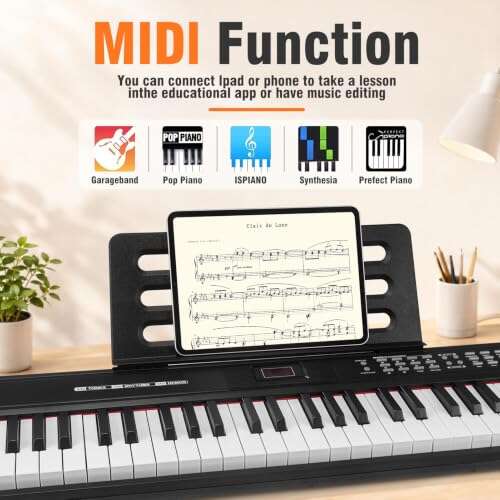
MIDI lets a keyboard control apps, virtual instruments, and other hardware. USB MIDI is common, while newer USB-C audio and MIDI can make computer or phone setups easier. Bluetooth can help with backing tracks and lessons, though I would not rely on wireless links for every critical stage connection.
Streamers should look for audio routing that keeps voice, music, and backing tracks easy to control. The Korg Liano LIVE stands out here because its built-in mixer targets that exact use. Band players may prefer the JUNO-D models because their sound engines and USB connections support a wider live rig.
Pedals, stands, and cases
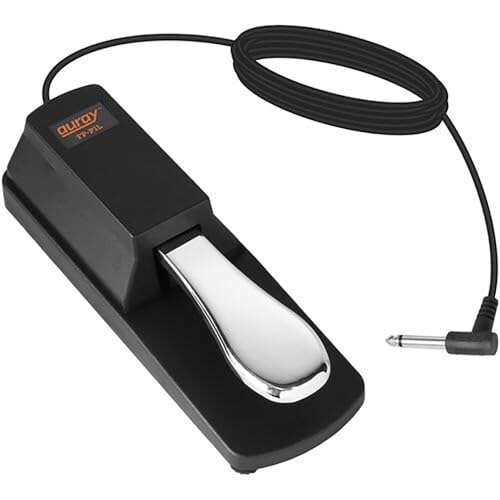
A sustain pedal changes how a piano feels. Some low-cost pedals work, but a stable polarity and firm action matter on stage. A pedal that slides away can break focus during a song. Use a non-slip mat or pedal board when the floor is smooth.
Do not overlook a stand. X-style stands pack well, but a heavy 88-key piano may feel more secure on a Z-style or table-style stand. A padded case protects keys, knobs, and corners during travel. Bundles can offer good value, but check whether the included accessories meet your gig needs.
Reliability and power
Live gear must start every time. Test the power supply before the show, carry a spare cable when possible, and save your sounds in a clear order. Keep drinks away from the keyboard. These simple habits prevent more problems than many expensive upgrades.
Also check the return window and warranty. Product listings can change, and bundles may come from different sellers. Manufacturer specifications offer the best guide for key count, connections, and power needs. I always verify those details before ordering a performance instrument.
FAQs Of best digital piano for live performance
What is the best digital piano for live performance?
For most pianists, I recommend the Roland FP-60X. It combines 88-note playability, strong piano tone, built-in amplification, and useful modern connections.
Are 61 keys enough for live performance?
Yes, 61 keys work well for synth, organ, pop, and many band parts. Choose 88 keys if you need the full piano range or weighted action.
Do I need built-in speakers for a stage piano?
Not always. A venue often uses a PA system, but built-in speakers help during home practice, rehearsal, and small performances.
Is weighted action important for live piano playing?
It matters most for pianists who depend on acoustic-style control. Synth players may prefer lighter action for fast parts and quick movement.
What connections should a live keyboard have?
Look for dependable audio outputs, headphone output, sustain pedal input, and MIDI or USB. USB-C audio is helpful for computers and mobile performance rigs.
Final Verdict: Which Should You Buy?
The Roland FP-60X is my top choice and the best digital piano for live performance for most serious pianists. Choose the JUNO-D7 for broad synth sounds, or the Korg Liano LIVE for streaming and easy transport.
Match key feel, range, outputs, and weight to your real work. The right digital piano should feel like a trusted bandmate: ready, clear, and easy to control.

Senior Music Reviewer
Alex Carter is a seasoned music reviewer with over a decade of experience in the world of sound and instruments. Passionate about helping musicians and enthusiasts make informed choices, he brings sharp insights and in-depth knowledge to every review. From classical instruments to modern gear, Alex combines technical expertise with a love for music to deliver content that resonates with readers.
As a Senior Music Reviewer and expert author on Tuneluma.com, Alex is dedicated to sharing honest evaluations, practical advice, and thoughtful commentary to guide readers in their musical journey.