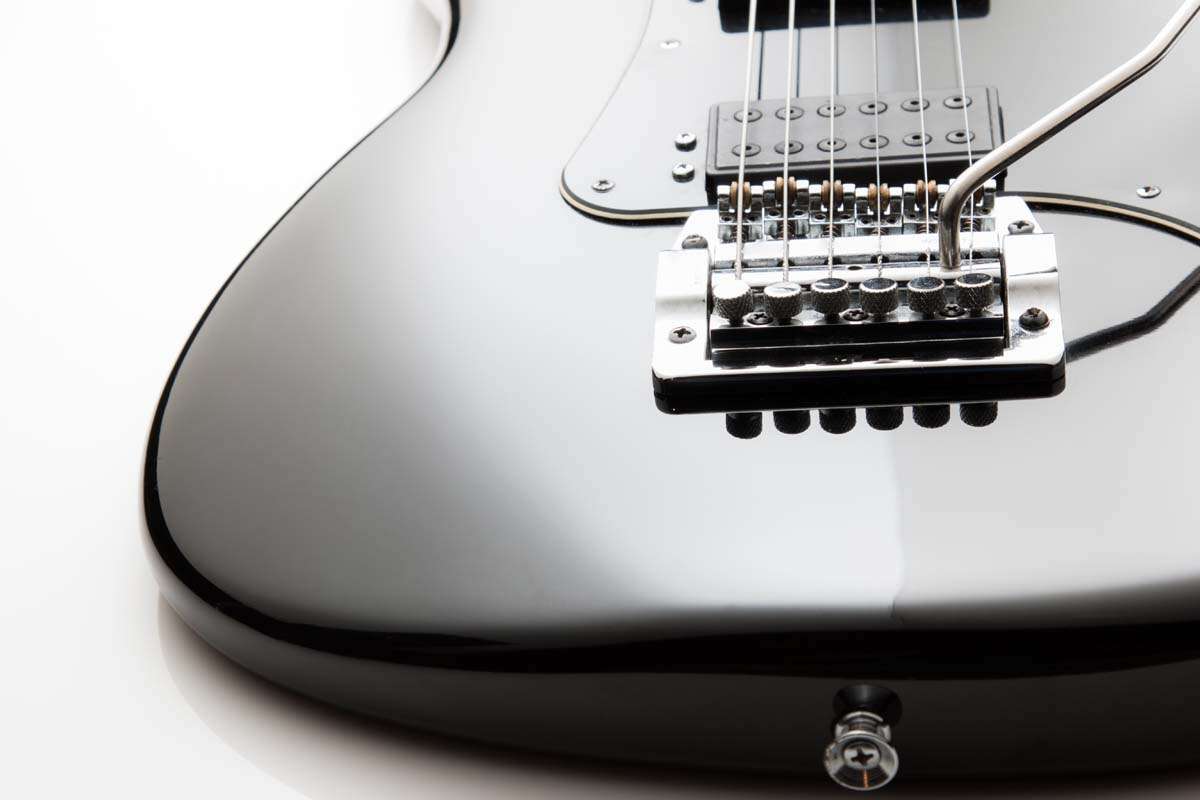
What Is A Pickup For Guitar: Complete Beginner’s Guide
A guitar pickup converts string vibration into an electrical signal that an amplifier turns into sound.
If you have ever wondered what is a pickup for guitar, think of it as the instrument’s microphone and voice box. It senses the movement of the strings, shapes the guitar’s tone, and sends the signal to an amplifier or recording device. Understanding pickup design helps you choose the right guitar, improve your sound, and avoid costly upgrade mistakes.
What Is a Pickup for Guitar?
A pickup for guitar is an electronic device that detects string vibration and changes it into an electrical signal. That signal travels through the guitar cable to an amplifier, audio interface, effects pedal, or recording system.
Most guitar pickups use magnetic fields. They contain magnets and a coil of fine copper wire. When a steel string vibrates near the magnets, it disturbs the magnetic field. The coil then produces a small electrical signal that follows the string’s movement.
This process is based on electromagnetic induction. The pickup does not create the sound by itself. Instead, it captures the string’s motion and gives the amplifier a signal to make louder.
A useful way to picture it is to compare a pickup with a camera. The string is the performer, and the pickup is the camera sensor. Different sensors capture different details, so different pickups produce different tones.
How Does a Guitar Pickup Work?
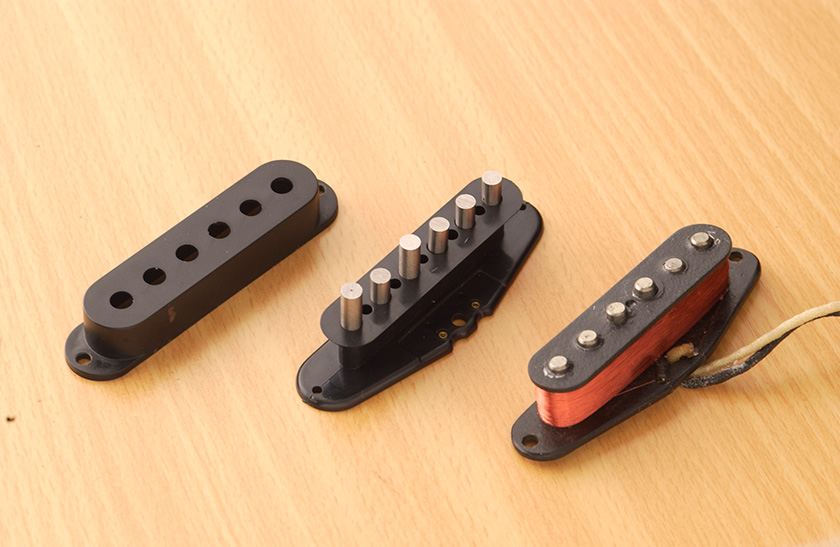
To understand what is a pickup for guitar in practical terms, it helps to look at its main parts.
Magnets
Magnets create the magnetic field around the strings. Common magnet materials include:
• Alnico, known for a smooth and warm response
• Ceramic, often linked with stronger output and a sharper attack
• Alnico II, usually softer and more relaxed
• Alnico V, often brighter and more forceful
Magnet type matters, but it does not decide the entire tone. The coil design, wire size, pickup height, guitar wood, strings, amplifier, and playing style also affect the result.
Copper coil
The copper wire wraps around the magnets many times. This coil turns changes in the magnetic field into an electrical signal.
More coil windings often create a stronger output. They can also reduce treble and add warmth. Fewer windings may produce a clearer, more open sound with greater high-end detail.
Pole pieces
Pole pieces sit beneath each string. They help focus the magnetic field and balance the volume from string to string.
Some pickups use adjustable pole pieces. These allow players or technicians to fine-tune string balance. This can help when one string sounds much louder or softer than the others.
Baseplate and cover
Many pickups have a baseplate that supports the parts. Some also have metal or plastic covers. A cover can change the look and may slightly affect the pickup’s high-frequency response.
The basic answer to what is a pickup for guitar is simple, but these small design choices explain why two pickups can sound very different.

Main Types of Guitar Pickups
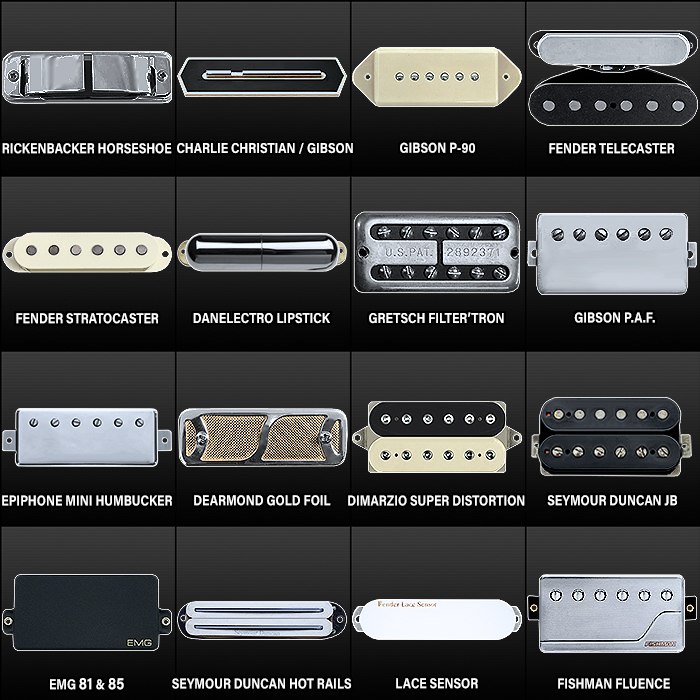
The three most common electric guitar pickup types are single-coil, humbucker, and P-90. Each has a distinct design and sound.
Single-coil pickups
A single-coil pickup uses one coil of wire. It often produces a bright, clear, and detailed tone.
Single-coil pickups are common in blues, country, funk, pop, and classic rock. They respond well to light picking and can make clean chords sound crisp.
Their main weakness is noise. Single-coil designs can pick up electrical hum from lights, computers, power supplies, and other equipment.
Humbucker pickups
A humbucker uses two coils wired together. The coils work together to reduce unwanted electrical hum.
Humbuckers usually sound fuller, warmer, and thicker than single-coils. They are popular for rock, jazz, blues, metal, and heavier styles.
A humbucker can also push an amplifier into overdrive more easily because it often produces a stronger signal. The trade-off may be less sharp high-end detail compared with a traditional single-coil.
P-90 pickups
A P-90 is a wide single-coil pickup. It has more output and a thicker midrange than many narrow single-coils.
P-90s can sound aggressive, raw, and lively. They work well for garage rock, blues, punk, indie music, and classic rock.
Like other single-coil designs, P-90 pickups can produce hum. Their tone often sits between a regular single-coil and a humbucker.
Active pickups
Active pickups use a preamp powered by a battery. They usually have low coil windings and rely on the preamp to boost and shape the signal.
They can offer:
• High output
• Low background noise
• Strong note clarity
• Consistent performance with long cables
Active pickups are common in modern metal and other styles that need tight, powerful tones. They require battery maintenance, so a dead battery can stop the signal completely.
Passive pickups
Passive pickups do not need a battery. They create their signal through magnets and coils alone.
They often feel more dynamic under the fingers. A harder pick attack may produce more natural changes in volume and tone.
Many players prefer passive pickups because they respond directly to playing style. Neither passive nor active design is automatically better. The right choice depends on your music and equipment.
Pickup Positions and What They Do
Most electric guitars have a neck pickup, a bridge pickup, or both. Some guitars also include a middle pickup.
Neck pickup
The neck pickup sits close to the end of the fretboard. The strings move more widely in this area, so the pickup often produces a warmer and fuller sound.
Use the neck pickup for:
• Smooth lead lines
• Jazz chords
• Blues solos
• Warm clean tones
• Rounded rhythm parts
Bridge pickup
The bridge pickup sits near the bridge. The strings move less in this area, so the tone is usually brighter, tighter, and more focused.
Use the bridge pickup for:
• Rock riffs
• Funk rhythms
• Country picking
• Metal sounds
• Bright lead tones
Middle pickup
A middle pickup is common on guitars with three pickups. It can provide a balanced tone between the neck and bridge positions.
Many guitars also combine the middle pickup with the neck or bridge pickup. These settings may create a hollow, glassy, or slightly compressed sound.
Pickup position is one of the fastest ways to change your tone. Before buying a new pickup, try all available positions and adjust your amplifier settings.

What Affects a Guitar Pickup’s Tone?
The answer to what is a pickup for guitar includes more than its basic parts. The final tone depends on the interaction between the pickup and the rest of the instrument.
Output level
Output describes how strong the pickup’s signal is. A high-output pickup can drive an amplifier harder. This may create more overdrive and sustain.
A lower-output pickup can sound more open and dynamic. It may also clean up better when you reduce the guitar’s volume control.
Frequency response
Every pickup emphasizes some frequencies more than others.
• More bass creates a fuller sound
• More midrange adds body and punch
• More treble creates brightness and edge
A bright pickup may help a dark guitar sound clearer. A warm pickup may make a thin or harsh guitar feel smoother.
Resistance
Pickup resistance is often measured in ohms. Higher resistance can suggest more coil windings and a stronger, warmer output.
Resistance alone does not tell you exactly how a pickup sounds. Two pickups with similar resistance can have different magnets, coil shapes, wire types, and frequency responses.
Inductance
Inductance affects the pickup’s resonant peak and overall response. It is a more useful technical measure than resistance alone, but manufacturers do not always publish it.
This is one reason online specifications cannot replace listening tests. Your amplifier, strings, and guitar strongly influence the final sound.
Pickup height
Pickup height is often overlooked. If a pickup sits too far from the strings, the signal may sound weak. If it sits too close, the magnets can pull on the strings and cause poor sustain or strange tuning behavior.
A safe adjustment method is to fret the last note and measure the distance between the string and pickup. Many manufacturers provide specific measurements. Start with those settings, then make small changes by ear.

Electric Guitar Pickups vs. Acoustic Guitar Pickups
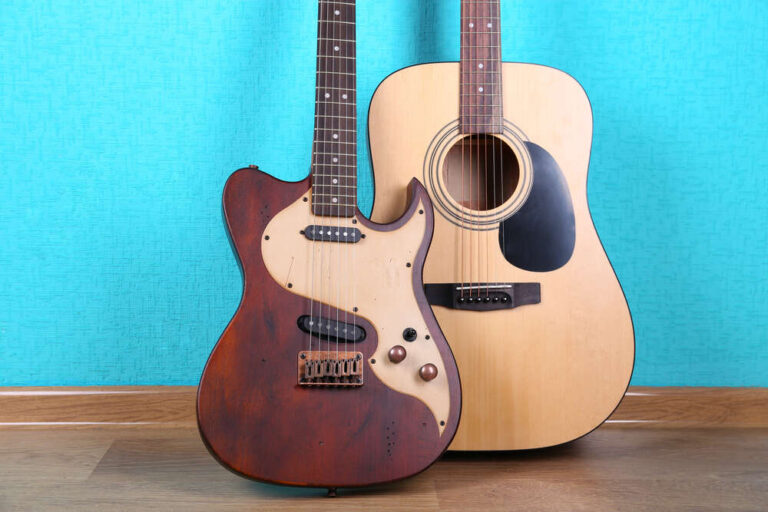
When people ask what is a pickup for guitar, they may mean an electric or acoustic guitar pickup. The two systems work in different ways.
Electric guitar pickups usually use magnetic induction. They need metal strings, such as nickel or steel, to create a usable signal.
Acoustic guitar pickups often use one of these designs:
• Piezo pickups, which sense pressure beneath the saddle
• Soundhole magnetic pickups, which work like electric guitar pickups
• Internal microphones, which capture air movement inside the guitar
• Contact pickups, which detect vibration from the guitar’s body
Piezo systems can sound clear and direct, but they may produce a sharp or thin tone without careful equalization. Internal microphones can sound natural, but they may create feedback at high volume.
The best acoustic pickup depends on your stage volume, playing style, guitar design, and need for natural body sound.
How to Choose the Right Guitar Pickup
Choosing a pickup is easier when you start with your goal instead of a famous brand or a high price.
Match the pickup to your music
Consider the sound you want:
• For bright country or funk, try a low or medium-output single-coil
• For blues, consider a P-90, vintage humbucker, or warm single-coil
• For classic rock, a medium-output humbucker often works well
• For modern metal, consider a tight high-output humbucker or active pickup
• For jazz, look for a warm neck humbucker with a smooth treble response
These are starting points, not strict rules. Many artists use unexpected combinations to create a personal sound.
Consider your amplifier
A pickup cannot fix every amplifier problem. A bright pickup through a bright amplifier may sound harsh. A dark pickup through a dark amplifier may lose definition.
If possible, test the pickup through equipment similar to your own. A pickup that sounds excellent in a shop may behave differently through your amplifier and effects pedals.
Check the guitar’s wiring
Some pickups need four-conductor wiring for coil splitting or series and parallel options. Others work best with a simple two-conductor connection.
Before buying, check:
• Pickup cavity size
• Mounting style
• Number of conductors
• Potentiometer values
• Pickup spacing
• Bridge type
A replacement pickup should fit the guitar mechanically and work correctly with its electronics.
Do not chase output alone
More output does not always mean better tone. High-output pickups can compress the signal and reduce some clean dynamics.
A moderate-output pickup may give you more control. Your picking hand and amplifier gain can then shape the sound with greater flexibility.

Pickup Upgrades: Benefits and Limitations
A new pickup can be a useful upgrade, but it is not a magic solution.
Benefits
A well-chosen pickup may provide:
• Better string balance
• More clarity
• Lower noise
• Stronger output
• More useful clean tones
• Better response to picking dynamics
• A sound that fits your music more closely
Many players notice a major improvement when the original pickup does not suit the guitar or amplifier.
Limitations
A pickup cannot repair every issue. It will not fix:
• Poor fretwork
• Bad intonation
• Weak strings
• Loose hardware
• A poorly adjusted bridge
• An unsuitable amplifier setting
• Problems with technique
A pickup also cannot make every guitar sound like a famous instrument. The player, wood, construction, scale length, strings, amplifier, and room all contribute to the result.
One common mistake is replacing pickups before adjusting pickup height and the amplifier. Small setup changes can produce a surprising improvement at no cost.

Common Guitar Pickup Problems
Pickup problems are often easy to identify.
Weak or uneven volume
Possible causes include low pickup height, a damaged cable, a loose solder joint, or a failing potentiometer. Check the cable and amplifier first, then inspect the guitar electronics.
Excessive hum
Some hum is normal with traditional single-coil pickups. If the noise becomes loud or changes when you touch the strings, the guitar may have a grounding or shielding issue.
Humbuckers reduce hum, but they do not remove every source of electrical noise. Poor power supplies, lighting, and pedalboards can still create interference.
Muddy tone
A muddy pickup may have too much bass or output for the guitar and amplifier. Lowering the pickup slightly can sometimes improve clarity.
Old strings, excessive amplifier bass, and too much gain can create the same problem. Test these factors before ordering new hardware.
Thin or harsh tone
A thin sound may come from incorrect pickup wiring, a weak battery in an active system, or an unsuitable pickup height. A harsh sound may result from excessive treble, very bright strings, or a powerful bridge pickup.
Change one factor at a time. This makes it easier to find the real cause.
Installing and Adjusting a Guitar Pickup
Pickup installation involves soldering and careful measurement. If you have no experience with guitar electronics, a qualified technician can prevent damaged components and wiring mistakes.
A basic installation may include these steps:
-
Remove the strings or loosen them enough to access the pickup.
-
Photograph the original wiring before disconnecting anything.
-
Read the pickup manufacturer’s wiring diagram.
-
Solder the hot wire and ground wire to the correct points.
-
Check for loose strands or accidental solder bridges.
-
Test the pickup before closing the guitar.
-
Adjust pickup height in small steps.
Safety matters. Unplug the guitar from the amplifier while soldering, protect the finish, and avoid overheating pots or switches.
A practical lesson many guitarists learn is that documentation saves time. Take clear photos, label wires, and keep the old pickup in a safe place. You may want to reinstall it later.
Frequently Asked Questions About What Is a Pickup for Guitar
What is a pickup for guitar used for?
A pickup senses string vibration and converts it into an electrical signal. An amplifier then increases that signal and turns it into audible sound.
Do acoustic guitars need pickups?
An acoustic guitar does not need a pickup for normal unplugged playing. It needs one when you want to connect it to an amplifier, PA system, audio interface, or recording setup.
Are humbuckers better than single-coil pickups?
Neither design is always better. Humbuckers usually offer a thicker, quieter tone, while single-coils often provide more brightness and detail.
Can you put any pickup in any guitar?
Not always. The pickup must fit the cavity, mounting system, string spacing, wiring, and control layout of the guitar.
Does a pickup change the guitar’s tone?
Yes, a pickup strongly affects the amplified tone. However, the strings, guitar, setup, cable, pedals, amplifier, and playing style also shape the final sound.
Why does my guitar pickup sound weak?
A weak signal may result from low pickup height, a bad cable, a loose connection, a faulty control, or a low battery in an active pickup. Test each part in a logical order.
How high should guitar pickups be?
The correct height varies by pickup and guitar. Start with the manufacturer’s recommended measurement, then adjust by ear for volume, clarity, sustain, and string balance.
Conclusion
A guitar pickup is the electronic heart of an amplified guitar. It detects string movement and converts that movement into a signal, while its magnets, coil design, position, output, and wiring shape the final tone.
Single-coils offer clarity, humbuckers provide warmth and power, and P-90s deliver a bold middle ground. Before buying an upgrade, check your pickup height, strings, amplifier settings, wiring, and playing goals.
Try different pickup positions and listen closely to how your guitar responds. Then explore trusted pickup demonstrations, speak with a qualified guitar technician, and share your own tone discoveries with other players.

Senior Music Reviewer
Alex Carter is a seasoned music reviewer with over a decade of experience in the world of sound and instruments. Passionate about helping musicians and enthusiasts make informed choices, he brings sharp insights and in-depth knowledge to every review. From classical instruments to modern gear, Alex combines technical expertise with a love for music to deliver content that resonates with readers.
As a Senior Music Reviewer and expert author on Tuneluma.com, Alex is dedicated to sharing honest evaluations, practical advice, and thoughtful commentary to guide readers in their musical journey.