How Much Is A Bass Guitar: 2026 Buyer’s Price Guide
A beginner bass guitar typically costs between $150 and $400, while professional models often range from $800 to $2,500.
Finding the right bass can feel confusing at first. I spent weeks researching my first bass years ago, so I get it. Asking “how much is a bass guitar” is more than asking for a number. It is about matching your budget to the quality that will keep you practicing. Good choices make learning fun. Bad ones can slow your progress.
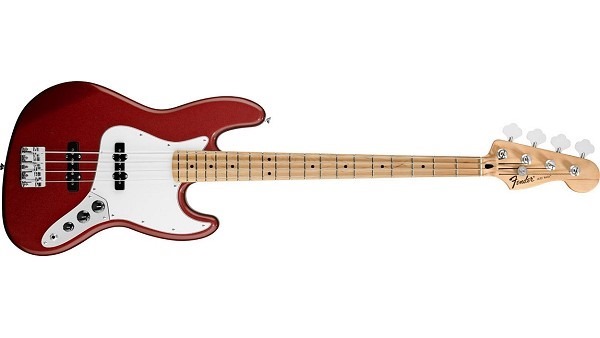
Factors Influencing Bass Guitar Pricing
To answer “how much is a bass guitar” you need to know what affects price. Several clear factors change the cost. Materials, hardware, electronics, and the place where the bass is made matter. So does the finish and final setup.
Materials and woods
Woods affect tone and price. Swamp ash, alder, and mahogany cost more. They also sound richer. Cheaper instruments often use lighter or engineered woods. Those save money but may change tone and weight.
Hardware and electronics
Pickups, bridges, and tuners change cost and playability. Higher-end pickups give more consistent tone. Active pickups and onboard preamps add cost but give more control. Better bridges and tuning machines hold tuning and improve sustain.
Craftsmanship and origin
Where a bass is built matters. Factory-made basses are cheaper. Hand-built and luthier-made basses cost more because of labor. I once bought a cheap bass that looked good. It had sharp fret ends. That showed a rushed final check. Paying more often buys better fit and finish.
Scale, neck profile, and setup
Scale length (short vs long) and neck profile affect feel. Setups cost money but make a bass easier to play. A proper setup fixes string height, intonation, and action. These tweaks change how fast you learn.

Budget Categories for Bass Guitars
Breaking prices into tiers helps answer “how much is a bass guitar” in real terms. Think of three clear groups: entry, intermediate, and professional. Each tier fits a different player and goal.
- Entry Level: $150 to $400, ideal for beginners who need a reliable instrument that is easy to play.
- Intermediate: $500 to $900, offering upgraded electronics, better wood quality, and more consistent finishing.
- Professional: $1,000 to $2,500 plus, often including premium woods, active pickups, and superior craftsmanship.
Entry level — what to expect
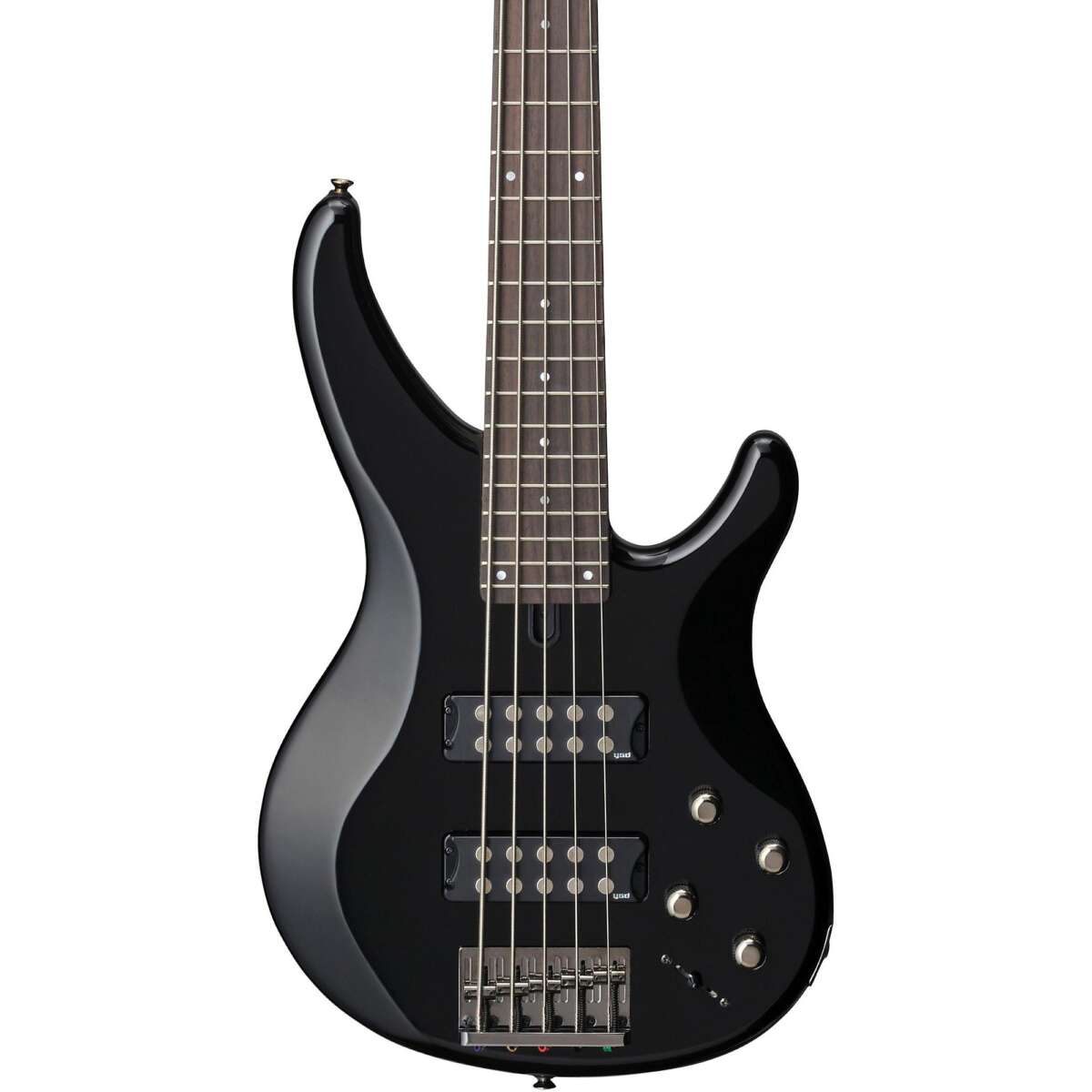
Entry basses are built to be affordable. They give stable tuning and decent tone. Brands like Squier, Ibanez, Yamaha, and Epiphone often have good beginner models. These are great if you want a playable bass under $400.
Intermediate — who should buy
Intermediate basses fit players practicing daily. They add better pickups and cleaner finishes. If you gig occasionally or record at home, this tier often gives the best value. You get more consistent tone and fewer surprises.
Professional — why prices jump
Pro basses use premium woods, artisan assembly, and high-end electronics. They can be customized. Touring musicians and studio players buy these for reliable tone and durability. Brands to look at include Fender (American series), Music Man, Spector, and boutique makers.
Short scale vs long scale
Short-scale basses feel easier for small hands. Long-scale basses offer fuller low end. Scale choice can affect price and resale value. Try both in a shop before deciding.
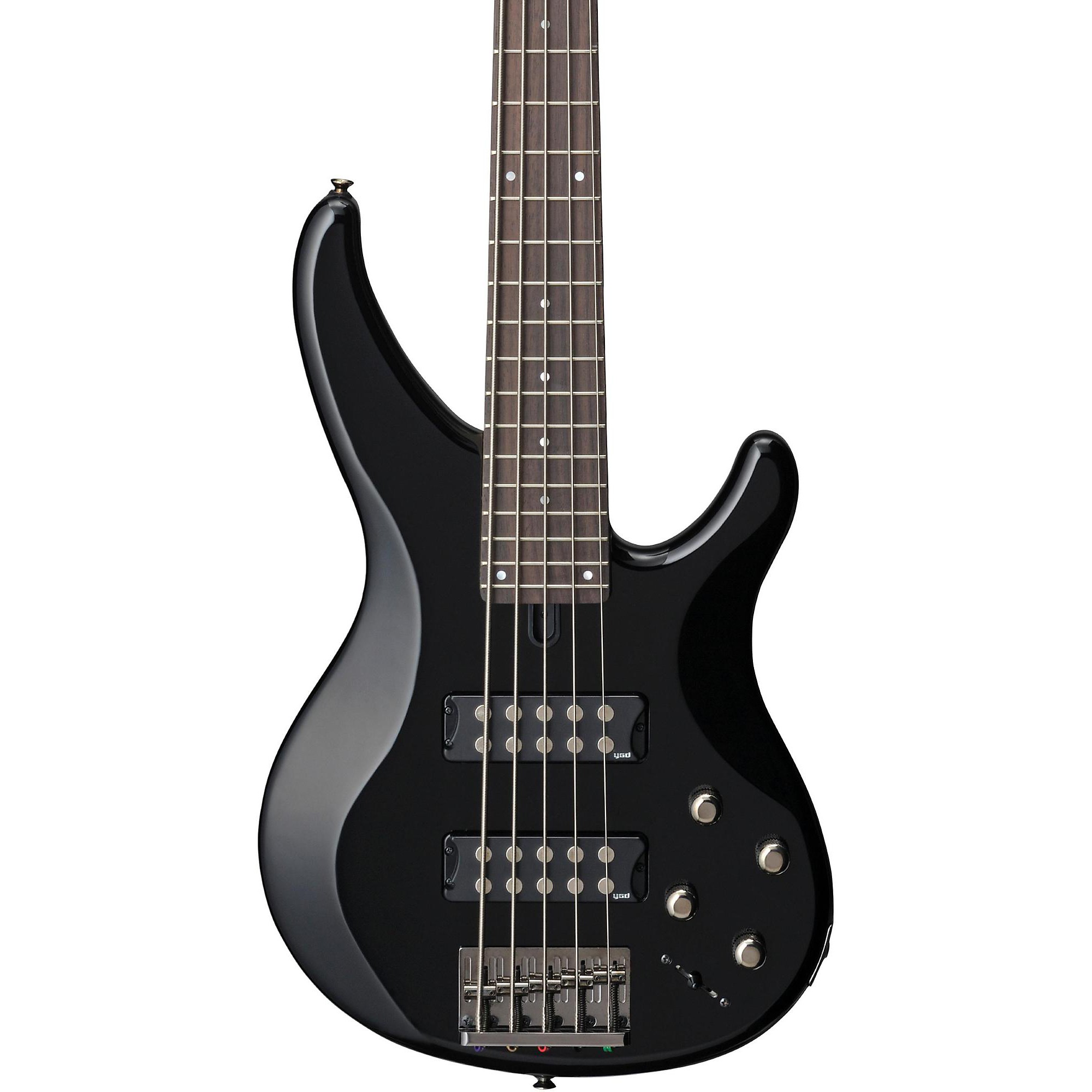
Hidden Costs When Buying a Bass
The sticker price is only part of the cost. Plan for extras. Cables, an amp, a case, and a setup add up. These items protect your investment and improve sound. I once forgot to budget for a proper setup. That made my bass hard to play until I paid a tech.
Amplifiers and amp types
An amp changes your tone the most. Small practice amps cost $100 to $300. Gig-ready bass heads and cabinets run much higher. If you want growl or clean low end, budget for a decent amp early.
Cases, straps, and cables
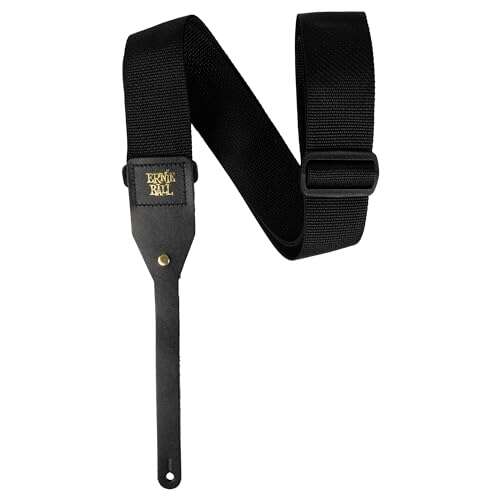
A gig bag or hard case protects your bass. Good cables reduce noise and signal loss. These items often cost $50 to $200 total. They are worth it for peace of mind and better sound.
Setups, maintenance, and repairs
Setups usually run $50 to $100. They fix string height, truss rod adjustment, and intonation. Over time you will buy strings. You may also need fretwork or electronics repairs. Set aside money for basic upkeep.
It is smart to add $100 to $200 to your purchase budget for these essentials. That keeps you ready to play and helps the bass last longer.

Frequently Asked Questions of how much is a bass guitar
Is it worth buying a used bass guitar?
Yes, buying used can be a smart move. You can get high-end gear for less. Inspect the neck for straightness. Check frets for wear. Plug the bass in and test the electronics. Look for cracks, fret buzz, or loose hardware. If you can, take a friend who knows basses. A trusted tech can also help.
Do I need to spend more for a better sound?
Not always. Your amp and technique shape your tone a lot. A clean budget bass into a good amp often sounds better than a costly bass into a weak amp. Still, better pickups and wood help when you need nuance in the studio or on stage.
How much should a beginner spend on their first bass?
I recommend $200 to $350 for most beginners. That range usually gives a playable instrument with decent parts. Instruments cheaper than that can have setup issues or poor electronics. Those problems slow learning.
Are there extra costs after buying the bass?
Yes. Expect to buy an amplifier, a sturdy instrument cable, a strap, and a gig bag or case. Many players add a tuner and a setup kit for basic maintenance. Over time you will replace strings and possibly get new pickups or a setup.
Why do some bass guitars cost thousands of dollars?
High prices pay for better materials, complex electronics, and skilled labor. Boutique builders and well-known brands charge more for precision and rarity. You pay for a specific sound, long-term stability, and often custom details.
How to test a bass before you buy
Play open strings and fretted notes up and down the neck. Check tuning stability. Listen for buzz, dead frets, or scratchy pots (knobs). Try different tones and settings on the bass and amp. If the seller allows, get a setup quote from a tech first.
Which brands to consider at each price point
Entry: Squier, Yamaha, Ibanez, Epiphone. Good value and playability. Intermediate: Fender Player series, PRS SE, Sterling by Music Man. These offer better parts and tone. Professional: Fender American, Music Man, Spector, boutique makers. These deliver refined tone and build quality.
Conclusion
Choosing the right bass comes down to your goals and budget. Match what you buy to how often you will play. Try instruments in a shop. Hold them. Play them. Trust how they feel. The best bass is the one that makes you want to practice daily. Whether you pick an affordable beginner model or invest in a professional instrument, focus on progress and enjoyment. Take the time to visit a local shop, hold a few different models, and trust your hands to tell you which one feels right. Now that you have a better understanding of how much is a bass guitar, head out to your local music store or browse reputable online retailers to find your perfect match. If you have questions about specific models, leave a comment below or keep researching to ensure your first investment is the best one.

Senior Music Reviewer
Alex Carter is a seasoned music reviewer with over a decade of experience in the world of sound and instruments. Passionate about helping musicians and enthusiasts make informed choices, he brings sharp insights and in-depth knowledge to every review. From classical instruments to modern gear, Alex combines technical expertise with a love for music to deliver content that resonates with readers.
As a Senior Music Reviewer and expert author on Tuneluma.com, Alex is dedicated to sharing honest evaluations, practical advice, and thoughtful commentary to guide readers in their musical journey.