A Major Scale Chords Piano: Easy Chord Guide
A major scale chords piano players use create bright harmony from seven simple notes and familiar chord shapes.
Learning a major scale chords piano approach gives you more than a list of chords. It helps you understand why songs sound joyful, stable, tense, or ready to resolve. The A major scale is an excellent starting point because its seven diatonic chords work well in pop, rock, worship, jazz, classical music, and songwriting. This guide explains the theory, piano shapes, chord progressions, practice methods, and common mistakes in clear terms.
A Major Scale Notes on Piano
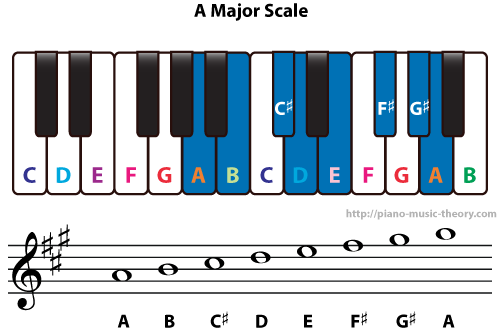
The A major scale has seven notes:
A, B, C#, D, E, F#, and G#
On a piano, these notes include three black keys: C#, F#, and G#. The scale starts on A and follows the major scale pattern of whole steps and half steps:
Whole, whole, half, whole, whole, whole, half
A simple way to play the A major scale is to use this fingering:
• Right hand ascending: 1, 2, 3, 1, 2, 3, 4, 5
• Left hand ascending: 5, 4, 3, 2, 1, 3, 2, 1
The numbers represent your fingers. In the right hand, your thumb passes under after playing C#. In the left hand, your third finger helps you move smoothly after B.
The A major scale chords piano students learn come directly from these seven scale notes. You build each chord by stacking notes in thirds, using only notes from the scale.
For example, the first chord begins on A. Take A, skip B, play C#, skip D, and play E. This creates the A major chord: A, C#, and E.

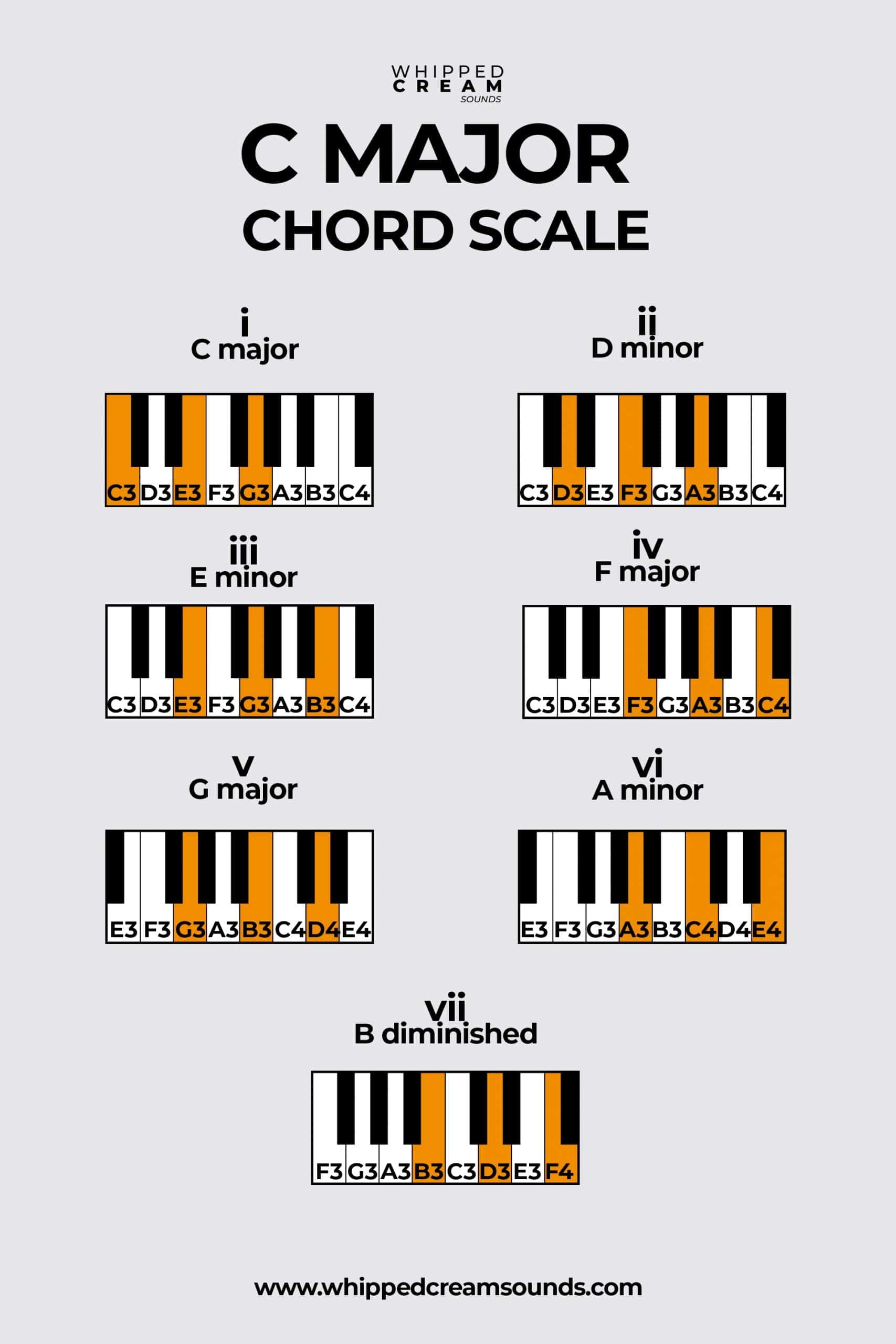
A Major Scale Chords Piano Chart
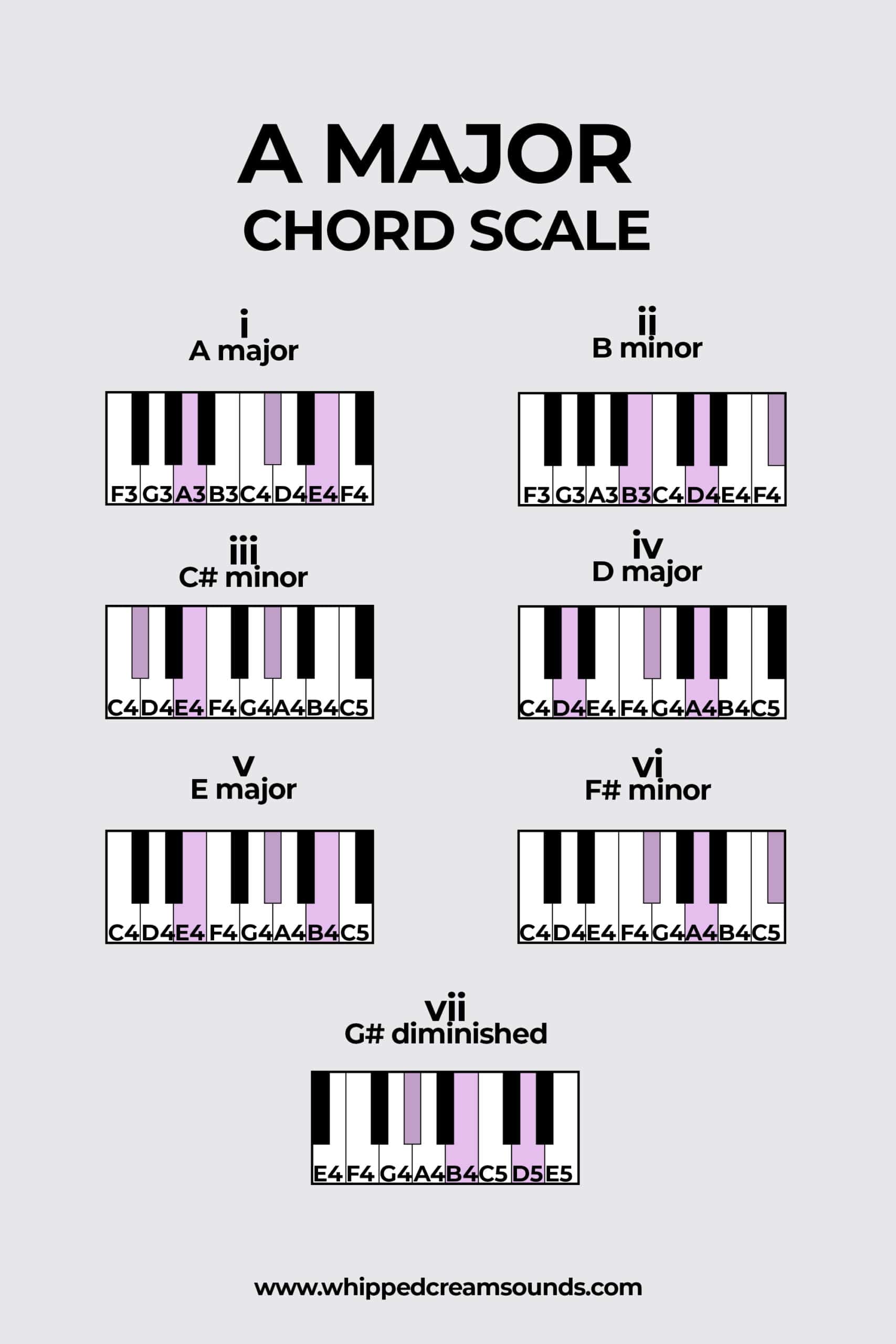
The table below shows the seven basic triads in the A major scale.
| Scale degree | Chord | Notes | Quality |
|---|---|---|---|
| I | A major | A, C#, E | Major |
| ii | B minor | B, D, F# | Minor |
| iii | C# minor | C#, E, G# | Minor |
| IV | D major | D, F#, A | Major |
| V | E major | E, G#, B | Major |
| vi | F# minor | F#, A, C# | Minor |
| vii° | G# diminished | G#, B, D | Diminished |
The chord qualities follow a pattern found in every major key:
Major, minor, minor, major, major, minor, diminished
In Roman numeral form, the pattern is:
I, ii, iii, IV, V, vi, vii°
Uppercase numerals represent major chords. Lowercase numerals represent minor chords. The small circle shows a diminished chord.
This chart is the heart of a major scale chords piano theory. Once you know the pattern, you can build diatonic chords in any major key.
How to Build Each A Major Chord
A Major Chord: I
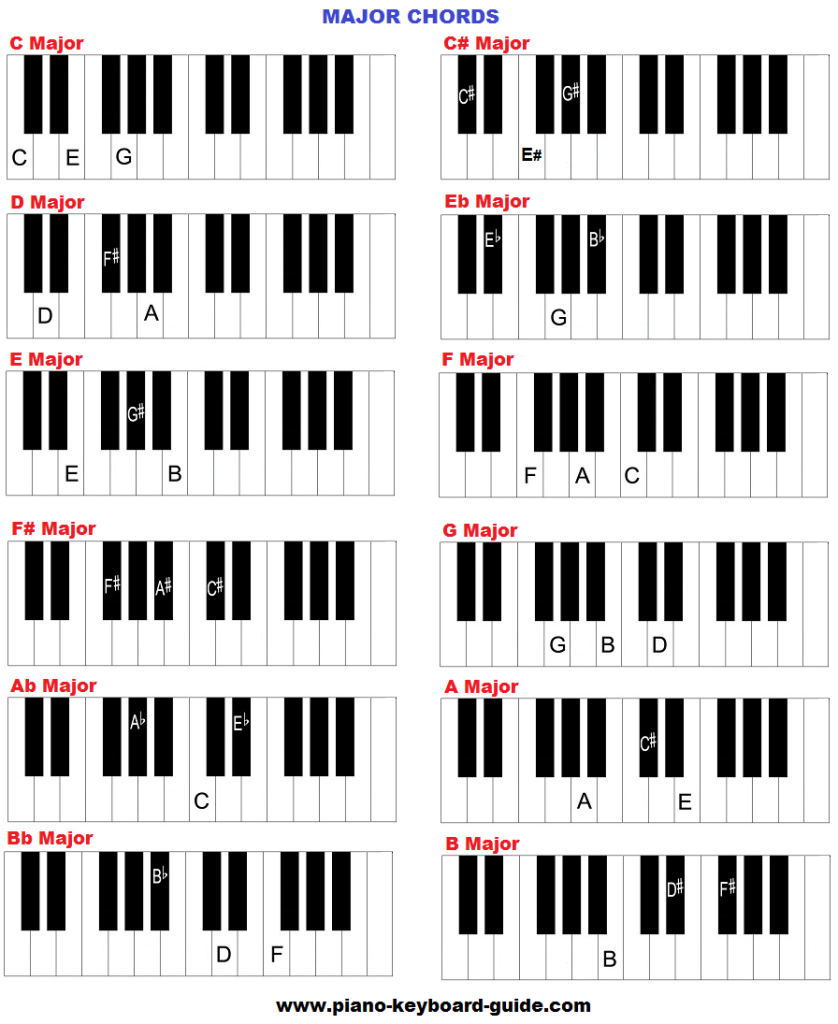
The A major chord is the tonic chord. Its notes are A, C#, and E.
This chord feels like home. Many songs begin and end with it because it provides a strong sense of rest.
B Minor Chord: ii
The B minor chord contains B, D, and F#.
It has a darker sound than A major, but it still belongs naturally to the key. The ii chord often moves toward the V chord, E major.
C# Minor Chord: iii
The C# minor chord uses C#, E, and G#.
This chord can sound thoughtful or emotional. It often appears in pop ballads and songs that need a softer minor color.
D Major Chord: IV
The D major chord contains D, F#, and A.
The IV chord sounds open and uplifting. It is one of the most useful chords in the A major scale chords piano family.
E Major Chord: V
The E major chord uses E, G#, and B.
This is the dominant chord. It creates musical tension and often wants to return to A major. That movement from V to I is one of the strongest sounds in tonal music.
F# Minor Chord: vi
The F# minor chord contains F#, A, and C#.
The vi chord is the relative minor chord of A major. It shares two notes with A major, which helps it sound closely related while adding emotion.
G# Diminished Chord: vii°
The G# diminished chord contains G#, B, and D.
This chord has a tense, unstable sound. It often resolves to A major because G# sits only one half step below the tonic note A.
The diminished chord is useful, but beginners do not need to use it in every progression. You can first master the other six chords and add it later.
Major Scale Chords Piano Progressions
Chord progressions are groups of chords played in a planned order. They give a song its movement and emotional shape.
Here are several useful progressions in the key of A major.
I–V–vi–IV
A major, E major, F# minor, D major
This is one of the most common progressions in modern music. It sounds bright, emotional, and complete.
Try these notes:
• A major: A, C#, E
• E major: E, G#, B
• F# minor: F#, A, C#
• D major: D, F#, A
Play each chord for four beats. Keep your fingers relaxed and listen for smooth movement between chords.
I–IV–V
A major, D major, E major
This simple progression works well for rock, country, blues, and folk music. It is easy to remember and strong enough to support a full melody.
vi–IV–I–V
F# minor, D major, A major, E major
Starting on the vi chord gives the progression a more emotional opening. The final E major chord creates a desire to return to A major.
ii–V–I
B minor, E major, A major
This is a core progression in jazz, gospel, and many traditional styles. It moves from gentle tension to stronger tension, then resolves to the tonic.
I–vi–IV–V
A major, F# minor, D major, E major
This progression has a warm, classic sound. Try playing it with simple triads first, then add seventh chords as your control improves.
Piano Chord Inversions in A Major
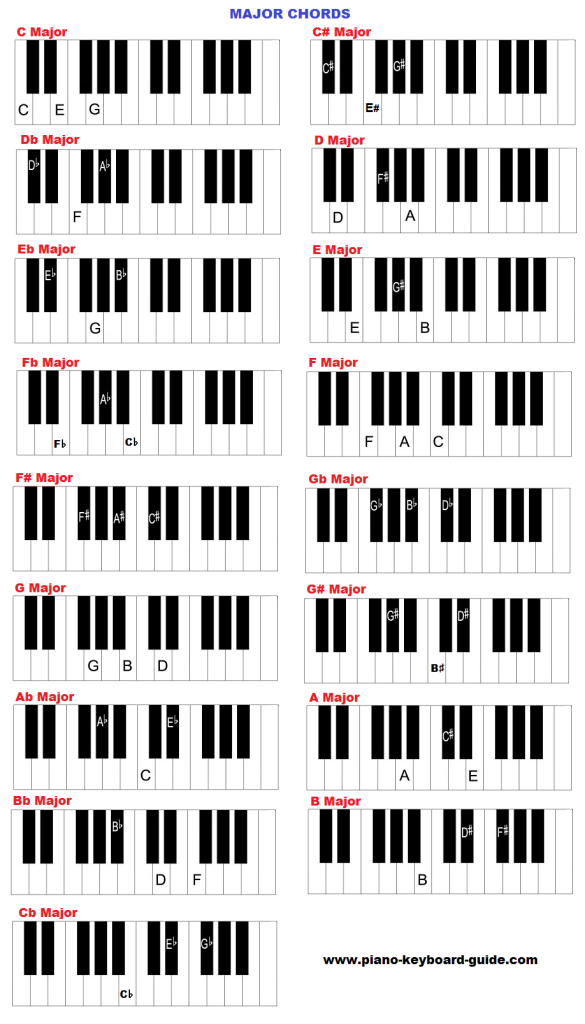
An inversion changes the order of notes in a chord without changing its basic identity.
The A major chord in root position is:
A, C#, E
Its first inversion is:
C#, E, A
Its second inversion is:
E, A, C#