What Is A Drum Snare: Essential Guide For Drummers
A drum snare is a shallow drum with metal wires under the head that produce a crisp snap.
I’ve played, tuned, and recorded snares for years, and I’ll walk you through exactly what a drum snare is, how it works, and why it matters for every style of music. This guide breaks down anatomy, materials, tuning, playing tips, and buying advice in clear, practical terms so you can understand and use snares confidently.
What is a drum snare?
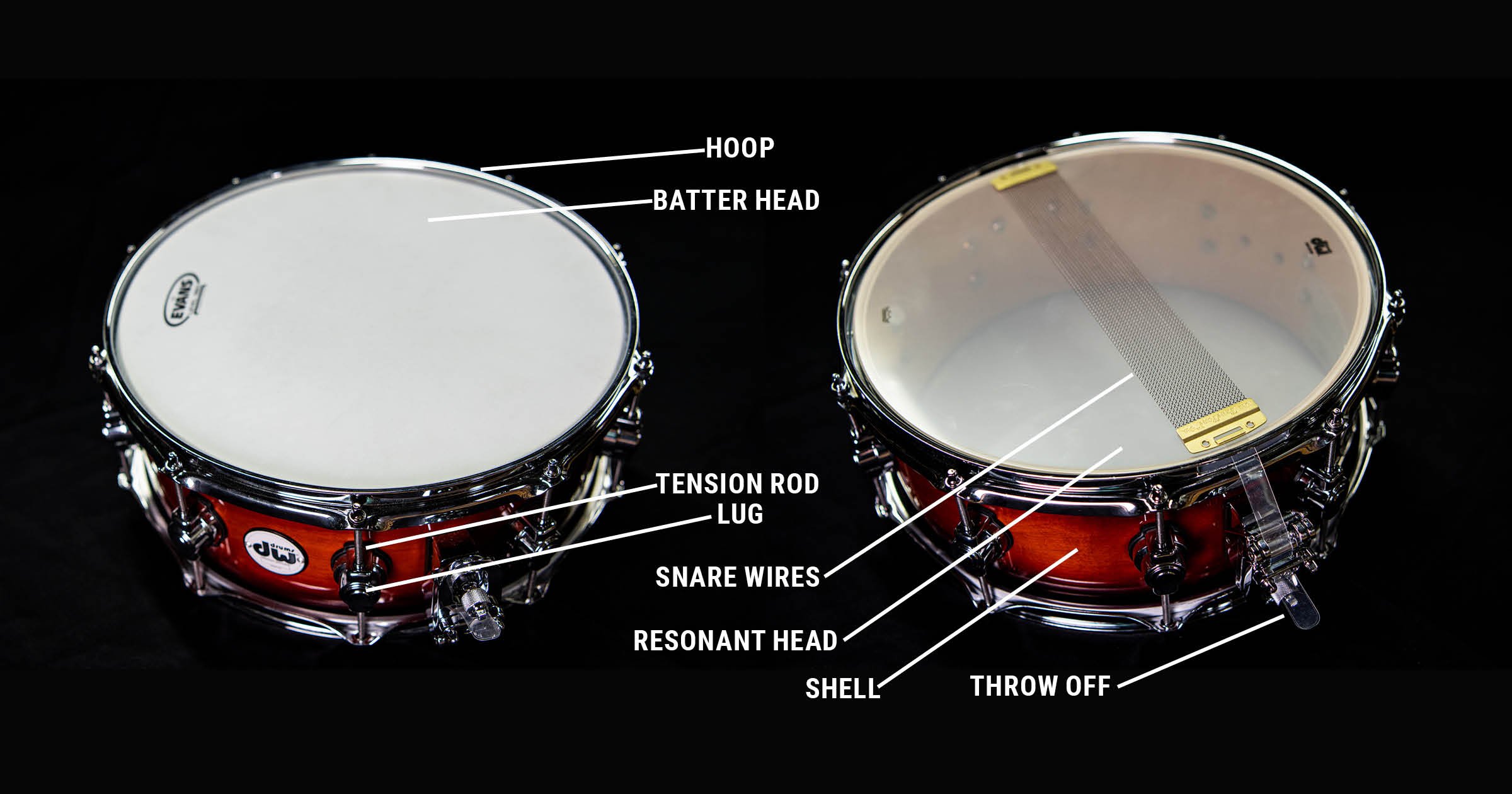
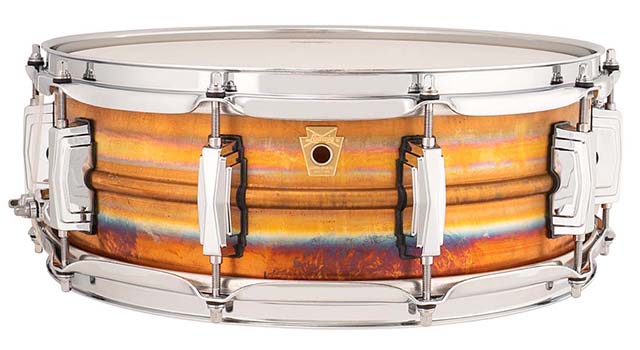
A drum snare is a key part of a drum kit that gives a sharp, cutting sound. It’s usually a shallow cylindrical drum with metal wires, called snares, stretched under the bottom head. When the top head is struck, the snares vibrate against the bottom head and produce the characteristic crisp “snap” or “crack.” The snare defines the backbeat in most popular music and adds articulation for ghost notes and accents.
Anatomy of a snare drum
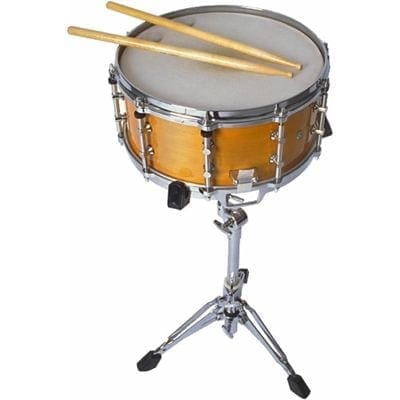
Understanding parts helps you control tone and response.
Shell
The shell is the drum body. It sets the drum’s resonance and color. Common shell depths for snares are 5" to 8".
Drumheads
There are two heads: batter (top) and resonant (bottom). Batter head impacts tone and attack. Resonant head affects snare response and sustain.
Snare wires
Snare wires are metal strands stretched under the resonant head. They contact the head to create the rattle and are adjustable.
Hoops and tension rods
Hoops hold the heads in place. Tension rods tighten or loosen heads to tune the drum. Small changes change pitch and sensitivity.
Throw-off and butt plate
The throw-off engages or disengages the snare wires. The butt plate anchors the other end. This mechanism changes sound quickly during songs.
How a snare works
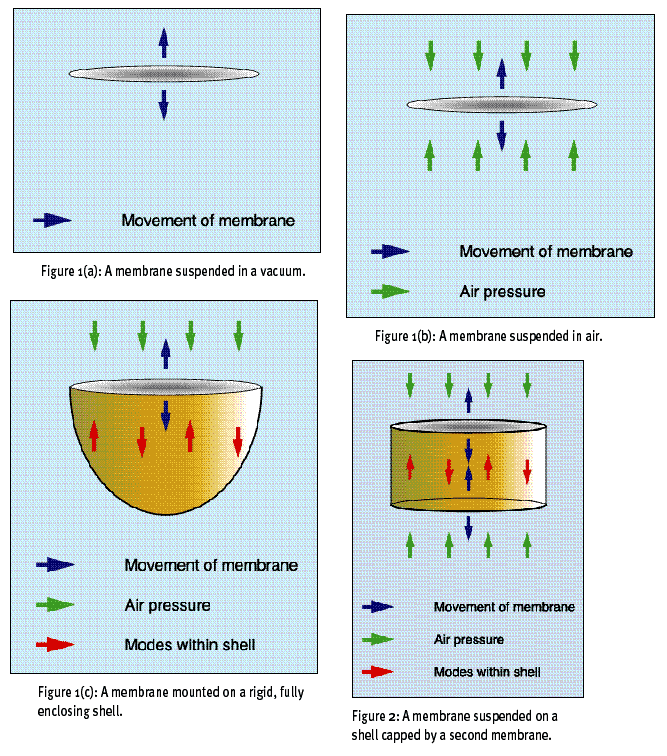
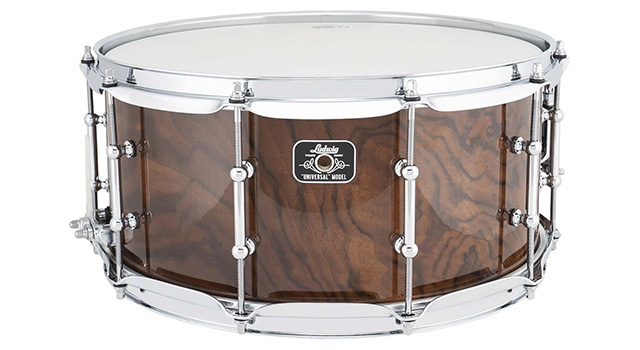
A snare creates sound through head vibration and wire contact. When you hit the batter head, it moves air and causes the resonant head to vibrate. The snare wires press against the resonant head and vibrate, adding the rattle and crispness. Tension on heads and snares affects sustain, brightness, and sensitivity. Tight snares give less rattle and more crack; loose snares give more buzz and sustain.
Why does my snare rattle when I don’t want it to?
Sometimes sympathetic vibrations or loose tuning cause unwanted rattle. Tighten the snare wires slightly, check head tension, and use minimal muffling to reduce unwanted buzz.
How does resonance affect the feel of the snare?
Higher resonance (looser bottom head, shell that rings) gives more open sound and sustain. Lower resonance (muffling, tight bottom head) makes the snare tighter and more controlled.

Types of snares and their uses
Different snares suit different music.
- Steel snares
- Bright, cutting, great for rock and pop.
- Brass snares
- Warm and fuller midrange, versatile for many genres.
- Wood snares
- Darker, woody tone, often used in jazz and acoustic settings.
- Piccolo snares
- Very shallow, very sharp attack, used for special effects.
- Marching snares
- Deeper shells, louder and designed for projection.
- Orchestral/snare without wires
- Used for concert and tuned percussion contexts.
Choose a snare type based on the sound you need and the context you play in.

Materials and tonal impact
Material choices change the voice of a snare.
- Shell material
- Wood gives warmth and complexity.
- Metal gives brightness and projection.
- Composite materials offer a mix of traits.
- Head types
- Coated heads soften attack and add warmth.
- Clear heads give more attack and brightness.
- Snare wires
- Thicker wires add more sizzle.
- More strands increase sensitivity.
- Hoops
- Die-cast hoops give tighter tuning and punch.
- Triple-flanged hoops give more ring and openness.
From personal experience, switching from a steel shell to a maple shell changed my snare from sharp and cutting to rounder and more musical. Small swaps in heads or wires often made more difference than changing the whole drum.
Tuning, setup, and maintenance
Good setup equals reliable tone.
- Basic tuning steps
- Finger-tighten all tension rods.
- Tune to even tension around the head using small turns.
- Tap near each rod and match pitch for evenness.
- Snare wire setup
- Adjust throw-off so wires sit close without choking the head.
- Replace wires if strands are broken or stretched.
- Muffling and tone control
- Use tape, gels, or internal muffling for unwanted overtones.
- Small changes in batter head tension affect sensitivity more than drastic muffling.
- Maintenance tips
- Change heads every few months with regular playing.
- Keep tension rods clean and lubricated for consistent tuning.
- Inspect wires and hardware before gigs or sessions.
Common mistake: overtightening the bottom head to “fix” rattle. It often kills the snap. Instead, balance wire tension and top head tuning.

Playing techniques and musical roles
The snare carries rhythm and texture.
- Backbeat and groove
- The snare on beats 2 and 4 defines many pop and rock grooves.
- Ghost notes
- Soft, low-volume notes between main hits that add groove depth.
- Rim shots and rim clicks
- Rim shot: batter head and rim struck together for a loud crack.
- Rim click: stick on rim for a dry click used in ballads and acoustic settings.
- Brushes and rods
- Brushes give a soft swish for jazz and ballads.
- Rods (rutes) give a focused, woody sound for unplugged gigs.
In recording sessions, a slightly higher top head tension and careful mic placement made my snares sit better in the mix without excessive compression.

Buying guide: choosing the right snare
How to pick a snare that fits your needs.
- Define your sound goal
- Do you want bright cut or warm tone?
- Try before you buy
- Play the snare with your sticks and tuning preferences.
- Consider build quality
- Look for even lugs, smooth throw-off, and solid shell seams.
- New vs. used
- Used snares can be great value; check for dents, threaded holes, and worn wires.
- Budget and upgrades
- Heads, wires, and hoops can change sound more than shell swaps. Invest in quality heads.
Tip from experience: spend a little more on a good throw-off and quality heads. They’re small investments that improve playability and keep the drum useful for longer.
Frequently Asked Questions of what is a drum snare
What is the main purpose of a snare drum?
The snare drum provides the sharp, percussive backbeat that helps define groove and tempo. It adds articulation and rhythmic detail across many genres.
How do snare wires affect sound?
Snare wires vibrate against the bottom head to create the rattle. More strands and tighter tension increase sizzle and sensitivity, while fewer strands or looser tension reduce buzz.
Can I use the same snare for rock and jazz?
You can, but you may need to retune and change heads or wires. Rock often favors brighter, tighter settings; jazz leans toward warmer, more open tuning.
How often should I replace snare wires?
Replace wires when strands break, when the sound becomes uneven, or every few years with regular playing. Worn wires reduce sensitivity and can sound dull.
What size snare should I choose?
Common sizes are 14" diameter with depths from 5" to 8". Shallower snares (5"–6") give crisp attack; deeper snares (7"–8") give more body and volume.
Does shell material matter for projection?
Yes. Metal shells generally project more and cut through mixes better. Wood shells absorb some high overtones and offer a warmer, rounder tone.
Conclusion
A drum snare is the heartbeat of many rhythms, giving a track its snap, groove, and character. Knowing what a drum snare is, how it’s built, and how to tune and use it will make you a better player, producer, or buyer. Start by listening closely to different snares, try hands-on tweaks, and apply the tuning tips here to shape a sound you love. If you want more help, try swapping heads or wires and note the changes, then share your results or questions below—I'd love to help you dial in your perfect snare.

Senior Music Reviewer
Alex Carter is a seasoned music reviewer with over a decade of experience in the world of sound and instruments. Passionate about helping musicians and enthusiasts make informed choices, he brings sharp insights and in-depth knowledge to every review. From classical instruments to modern gear, Alex combines technical expertise with a love for music to deliver content that resonates with readers.
As a Senior Music Reviewer and expert author on Tuneluma.com, Alex is dedicated to sharing honest evaluations, practical advice, and thoughtful commentary to guide readers in their musical journey.