Where To Buy A Piano: Best Stores And Buying Tips
The best place to buy a piano is a trusted local dealer offering service, setup, and a fair return policy.
Knowing where to buy a piano can save you money, stress, and years of repair trouble. The right choice depends on your budget, skill level, home space, and whether you want an acoustic piano, digital piano, or used instrument. This guide explains how to compare dealers, private sellers, online stores, and local options with confidence.

Where to Buy a Piano: Your Main Options
There is no single best place to buy a piano. A beginner may value simple setup and a warranty, while an advanced player may care more about touch, tone, and brand history.
The best option also changes with the piano type. A digital piano is easy to ship. An upright piano needs careful inspection and professional moving. A grand piano needs even more space, planning, and expert advice.
Local piano dealers
A local piano dealer is often the safest choice for a first purchase. You can play several instruments, compare brands, and ask questions in person.
Many dealers also include useful services, such as:
• Delivery to your home
• Basic setup and inspection
• A limited warranty
• Trade-in options
• Piano tuning after delivery
• Financing plans
• Help choosing a bench and accessories
A dealer may charge more than a private seller. However, that higher price can include support that protects you from costly mistakes.
Piano manufacturer showrooms
Some piano brands operate official showrooms or work with approved retailers. These stores can be useful if you already know which brand interests you.
A showroom may offer a focused selection of instruments. Staff members often know the brand’s designs, warranties, and maintenance needs well. Still, compare the instrument with other brands before making a final choice.
Online piano retailers
Online stores are popular for digital pianos and keyboards. They often have a wide selection and competitive prices.
Online shopping works best when you already understand the model you want. Read the full return policy before ordering. Check whether the price includes a stand, pedal unit, bench, shipping, and sales tax.
For an acoustic piano, online buying carries more risk. Photos cannot reveal every problem with a used soundboard, pinblock, bridge, or action.
Private sellers
You can find used pianos through local classified ads, estate sales, community groups, and social media marketplaces. Prices may look attractive, but private sales often have limited protection.
Ask the seller:
• How long have they owned the piano?
• Why are they selling it?
• When was it last tuned?
• Has it ever been stored in a damp garage or basement?
• Has it been moved more than once?
• Are there repair records?
• Can a piano technician inspect it before purchase?
Never assume a free or very cheap piano is a bargain. Moving, tuning, repair, and disposal costs can quickly exceed the instrument’s value.
Should You Buy a New or Used Piano?
The choice between new and used depends on your budget, goals, and tolerance for maintenance. A new piano gives you a clear history and current warranty. A used piano may offer better value, especially if it was well maintained.
Benefits of a new piano
A new piano usually provides:
• A full or limited manufacturer warranty
• Modern materials and design
• A known purchase history
• A clean finish and fresh action parts
• Easier access to replacement parts
• Fewer surprises during the first years
New does not always mean perfect. A piano still needs regular tuning, and some new instruments need time for the strings and wood to settle.
Benefits of a used piano
A good used piano can be an excellent choice. Older instruments may have a rich tone, solid construction, and a lower purchase price.
Look for a used piano with:
• A strong and stable frame
• Even keys and smooth action
• No major cracks in the soundboard
• Tuning pins that hold pitch
• No signs of water damage
• A clear service history
• A brand with available parts and technicians
Age alone does not decide quality. A well-maintained 30-year-old piano may be a better buy than a neglected 10-year-old piano.
When a used piano is not worth buying
Be careful if the piano has several serious issues at once. These may include loose tuning pins, severe rust, broken bridges, deep soundboard cracks, sticking keys, or a damaged action.
A piano technician can estimate repair costs. That inspection fee is often one of the smartest expenses in the buying process.
Where to Buy a Piano Based on Your Budget
Your budget should include more than the sticker price. Pianos need delivery, tuning, accessories, and occasional maintenance.
Entry-level digital piano
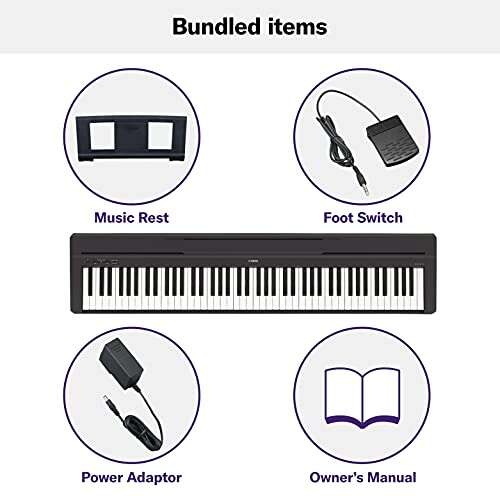
For a beginner, a basic digital piano may provide the best balance of cost and convenience. Look for weighted keys, touch sensitivity, a sustain pedal, and a full 88-key layout.
A good entry-level digital piano can support lessons and daily practice without the tuning needs of an acoustic instrument. It also works well in apartments because headphones reduce noise.
Mid-range digital piano
A mid-range digital piano often has better key action, stronger speakers, improved pedals, and more natural piano sounds. This range suits serious beginners, hobby players, and many intermediate musicians.
Try to compare key action in person when possible. Two keyboards can use similar marketing terms but feel very different under your fingers.
Used upright piano
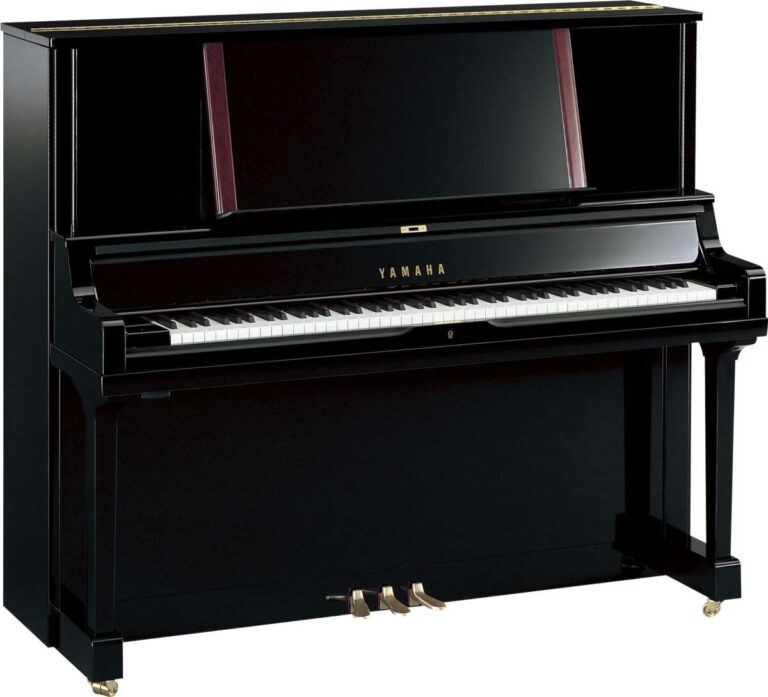
A used upright may suit a player who wants an acoustic sound and traditional touch. The total cost depends heavily on its condition and the distance it must travel.
Before you buy, budget for:
• Professional inspection
• Moving
• Initial tuning
• Humidity control if needed
• Minor repairs
• A proper bench
Grand piano
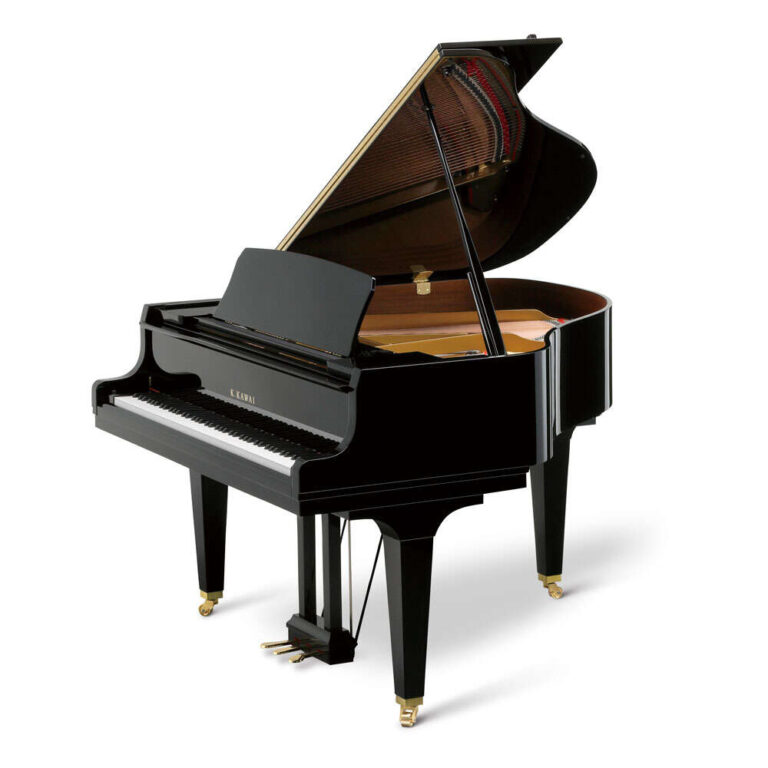
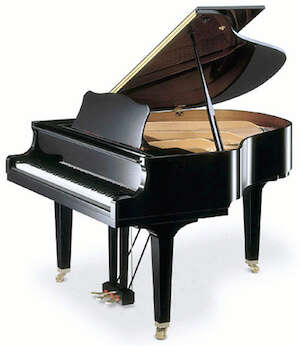
A grand piano is a major investment in both money and space. Measure doorways, stairways, elevators, and the room before you shop.
Room acoustics matter, too. A bright grand in a hard, echoing room may sound harsh. A warm piano in a heavily carpeted room may sound soft. A dealer or piano technician can help match the instrument to your space.

How to Choose a Reliable Piano Store
The store matters almost as much as the piano. A reliable seller should answer questions clearly and let you make a calm decision.
Look for these signs:
• A clean and organized showroom
• Staff who ask about your needs
• Clear prices and written terms
• A stated warranty
• A clear delivery process
• Access to qualified piano technicians
• Good local reviews over time
• No pressure to buy immediately
Be cautious when a seller refuses an inspection or avoids questions about repairs. High-pressure sales tactics are especially concerning when the instrument has a large price tag.
A trustworthy store should explain what happens after the sale. Ask who handles warranty work, how soon delivery can occur, and whether the first tuning is included.
The Piano Technicians Guild can also help consumers find qualified technicians in many areas. An independent technician does not work for the seller, which can make the inspection more objective.
What to Check Before Buying an Acoustic Piano
Playing a piano for five minutes is useful, but it does not reveal every problem. Test the instrument carefully and listen for changes across the keyboard.
Check the exterior
Inspect the case for cracks, swelling, loose panels, and water marks. Cosmetic scratches are usually less serious than structural damage.
Open the lid and look for rust, broken strings, repairs, and signs of pests. A dusty piano is not always bad, but heavy dirt may suggest poor care.
Test every key
Play every key softly and loudly. Listen for notes that buzz, sound weak, or fail to sustain.
Check for:
• Sticking or slow keys
• Uneven key height
• Noisy pedals
• Excessive mechanical sounds
• Keys that do not repeat well
• Notes that sound much brighter or duller than others
Examine the action
The action is the system that connects the keys to the hammers. It controls touch, speed, and response.
Worn hammers may have deep grooves from years of playing. That does not automatically make the piano unusable, but it may point to future regulation or voicing work.
Check tuning stability
Ask when the piano was last tuned. A piano that is far out of tune may simply need service, but it could also have tuning pins that no longer hold tension.
A technician can test tuning-pin stability more accurately than a buyer can.
Ask about climate and storage
Wood responds to changes in temperature and humidity. Pianos kept near heating vents, fireplaces, windows, or damp walls may develop problems over time.
The ideal environment is stable rather than extreme. A piano technician can recommend humidity control based on your local climate.