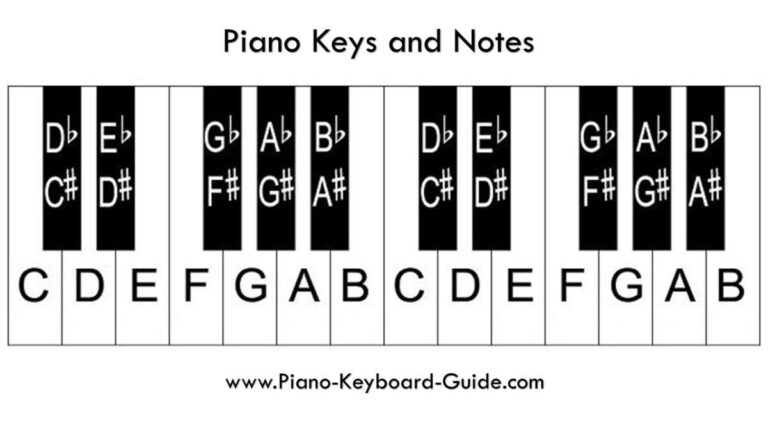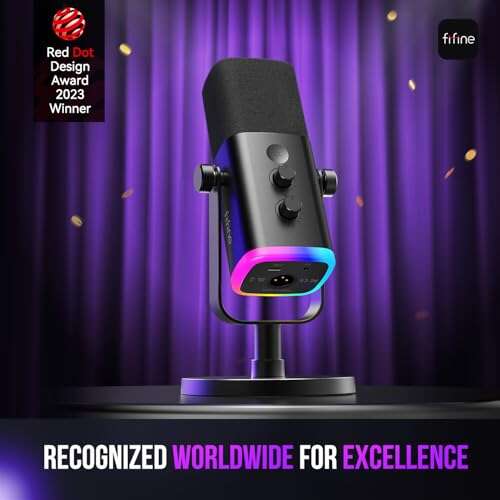
For recording, the Donner OURA DDP-60 offers the strongest mix of full-range keys, tones, and onboard tools.
You may have a melody in your head, but the wrong keyboard can slow every take. A good recording keyboard should feel natural, connect easily to your computer, and help you capture ideas without a long setup. I compared key count, playing feel, MIDI support, recording tools, included extras, and overall value. These picks cover home studios, first-time players, mobile setups, and children who are just starting to explore music.
See the differences between my top picks at a glance.
| Keyboard | Keys | Recording Connection | Best For | Main Strength | Buy |
|---|---|---|---|---|---|
| Donner OURA DDP-60 | 88 | Recording, MIDI | Home recording | Full range and 128 voices | View on Amazon |
| Eastar EUP-100 | 88 | Wireless MIDI, recording | Home piano practice | Weighted keys and three pedals | View on Amazon |
| M-Audio Keystation 49 | 49 | USB MIDI | DAW recording | Simple computer control | View on Amazon |
| 88-Key Semi-Weighted Piano | 88 | USB MIDI | Beginner studio setup | Large starter bundle | View on Amazon |
| 88-Key Bluetooth Piano | 88 | Bluetooth, USB MIDI | Flexible home use | Wireless playback and portability | View on Amazon |
| Vediya 88-Key Piano | 88 | MIDI, recording | Tone variety | 800 tones and 600 rhythms | View on Amazon |
| RockJam RJ5061 | 61 | Built-in recording tools | New players | Complete learning kit | View on Amazon |
| 61-Key Portable Piano | 61 | Built-in recording function | Casual practice | Simple and portable design | View on Amazon |
| Hricane Lighted-Key Keyboard | 61 | Keyboard recording | Learning at home | Lighted teaching keys | View on Amazon |
| Soundo 37-Key Kids Piano | 37 | Record and playback | Young beginners | Small, simple, and fun | View on Amazon |
Donner OURA DDP-60 Digital Piano

The Donner OURA DDP-60 is my top pick for most people who want a keyboard piano for recording. It gives you the full 88-key range, so you can play bass notes, chords, and high melodies without running out of space. Its sensitive-touch design also gives your playing more control than a basic toy-style keyboard. The built-in recording function makes it useful before you even connect a computer.
This model includes 128 voices and eight reverb options, which gives a new player room to test different sounds. The three-pedal setup also makes it feel closer to a home digital piano than a small portable keyboard. MIDI support can help you move your playing into recording software, though you should confirm the exact connection method before ordering. I like this piano because it balances practice, songwriting, and simple home recording in one unit.
Pros:
- Full 88-key range for piano-style playing
- Sensitive keys support better expression
- 128 voices offer useful sound variety
- Eight reverb choices help shape a mix
- Built-in recording supports quick ideas
- Three pedals suit serious home practice
Cons:
- Its full-size design needs more room
- It may offer more features than a child needs
- Built-in speakers may not replace studio monitors
What Amazon Buyers Are Saying
Buyers commonly focus on the full-size layout, piano feel, and attractive home design. Many owners like having pedals and a broad sound selection included rather than buying each item later. As with many value-focused digital pianos, some users may expect a more advanced display or deeper computer controls. Check recent customer photos and the latest listing details for setup feedback before purchase.
My Recommendation
I recommend the Donner OURA DDP-60 for beginners, songwriters, and home users who want one instrument for practice and recording. It is not a replacement for a professional controller with many knobs, but it offers a strong starting point. Overall, I rate it 4.5 out of 5.
Eastar EUP-100 88-Key Digital Piano

The Eastar EUP-100 is a good choice if you want a full-size digital piano that also supports recording work. Its weighted 88-key design aims to give you a more familiar piano response. That matters when you want to record soft verses and strong choruses with more touch control. The retro wood look also helps it fit into a living room or bedroom studio.
This model lists wireless MIDI and recording among its key features. Wireless MIDI can reduce cable clutter, but your phone, tablet, or computer must support the right connection process. The included cover, headphones, and three-pedal unit add value for a complete home setup. I see it as a better fit for piano-led music than for producers who need many real-time controls.
Pros:
- Weighted 88-key layout supports piano technique
- Three pedals are included for fuller performance control
- Wireless MIDI can simplify compatible setups
- Recording tools encourage quick songwriting
- Headphones help with quiet practice
- Cover adds basic protection at home
Cons:
- Weighted keys make it less portable
- Wireless MIDI may require device compatibility checks
- It has fewer performance controls than a dedicated MIDI controller
What Amazon Buyers Are Saying
Customer discussions around this type of digital piano often praise the realistic size, home-friendly appearance, and included accessories. Buyers who want a traditional piano layout tend to value the three pedals and weighted action. Some users may find setup instructions or wireless connections less direct than expected. I suggest reading the newest reviews for details about delivery, assembly, and device pairing.
My Recommendation
The Eastar EUP-100 is worth considering when your recording style centers on piano performance. It gives you a stronger acoustic-piano feel than most 61-key starter boards. I rate it 4.4 out of 5 for home recording and practice.
M-Audio Keystation 49 MK3

The M-Audio Keystation 49 MK3 is different from the other picks because it is a USB MIDI controller. It does not aim to work as a stand-alone digital piano with its own large sound library. Instead, it sends your key presses to a computer, tablet, or other compatible music system. For a DAW-based studio, that simple approach can be a major advantage.
The 49-key layout gives you enough room for many chords and melodies while keeping the unit smaller than an 88-key piano. Synth action feels light and quick, which suits virtual instruments and electronic music. Pitch and modulation wheels add control that many beginner keyboards lack. You will need recording software and a sound source, so include those costs in your budget.
Pros:
- Direct focus on computer-based MIDI recording
- 49 keys save desk space
- Pitch and modulation wheels expand sound control
- Simple layout helps new producers learn quickly
- Bundled DAW software can help you begin
- Light action works well for synth parts
Cons:
- It needs software or an external sound source
- 49 keys may feel limited for two-handed piano work
- It does not provide the same weighted feel as a digital piano
What Amazon Buyers Are Saying
Users often appreciate the compact size, easy USB workflow, and clean control layout. Buyers who already use a DAW tend to value the plug-in-and-play approach. Some new users may need time to set up software, map controls, or choose a virtual piano. Reviews can vary by computer and software, so confirm system support before buying.
My Recommendation
I recommend the Keystation 49 MK3 for producers who record inside a DAW and do not need built-in speakers. It is one of the most practical options here for MIDI recording, but it is not the best stand-alone piano. My rating is 4.3 out of 5.
88-Key Semi-Weighted Beginner Piano

This 88-key semi-weighted piano is built as a broad starter package. It includes a sustain pedal, power supply, stand, carrying case, headphones, and USB-MIDI compatibility. That list helps first-time buyers avoid the common problem of ordering a keyboard and then discovering several missing parts. The full range also gives you room to grow beyond simple lessons.
Semi-weighted keys sit between light synth action and heavier piano action. They can feel more controlled than a basic keyboard while staying easier to play for beginners. USB-MIDI support makes it useful for virtual instruments and simple DAW recording. The package is especially appealing if you need a ready-to-use setup for a bedroom or small home studio.
Pros:
- Complete bundle reduces extra shopping
- 88 keys support full piano arrangements
- USB-MIDI suits computer recording
- Headphones allow quiet practice
- Stand and carrying case improve convenience
- Semi-weighted action offers a middle-ground feel
Cons:
- Included accessories may be basic
- Semi-weighted action is not the same as true weighted action
- Large 88-key size is less convenient for travel
What Amazon Buyers Are Saying
Buyers usually look at this model because it includes so many useful extras in one box. Starter users often like the case, headphones, stand, and full range. Some customers may want stronger speakers or a more advanced control panel as their skills develop. I recommend checking current buyer images to judge the stand and accessory quality before ordering.
My Recommendation
This is a sensible choice for a beginner who wants a complete keyboard piano for recording without building a system piece by piece. It offers strong practical value, though advanced players may want better key action. I give it 4.2 out of 5.
88-Key Bluetooth Digital Piano

This 88-key digital piano adds Bluetooth to a familiar full-size keyboard format. That feature can make it easier to play along with compatible music apps or audio from a mobile device. It also includes USB-MIDI compatibility, which gives you a wired path into recording software. The package includes a music stand, sustain pedal, headphones, and a carrying case.
The semi-weighted action should suit players who want more resistance than a light keyboard provides. It also keeps the instrument more approachable for casual users and beginners. Bluetooth is convenient, but it should not replace a wired MIDI connection when you need the most reliable studio workflow. I see this model as a flexible home keyboard for practice, demos, and basic song creation.
Pros:
- 88 keys cover a full musical range
- Bluetooth adds convenient wireless playback
- USB-MIDI supports wired recording
- Headphones support private practice
- Carrying case helps with occasional transport
- Included music stand keeps charts visible
Cons:
- Bluetooth features depend on device compatibility
- Semi-weighted keys may not satisfy classical players
- Wireless audio can add delay in some setups
What Amazon Buyers Are Saying
Customers are often interested in the mix of full-size keys, Bluetooth, and included accessories. Many buyers see it as a convenient option for home practice and casual recording. The most likely concerns involve wireless pairing, key feel, and the quality of bundled parts. Read the latest listing details closely because Bluetooth audio and Bluetooth MIDI are not always the same thing.
My Recommendation
I recommend this piano for users who want a versatile home instrument with both wireless and wired options. Use USB-MIDI for serious recording, and treat Bluetooth as a convenience feature. My overall rating is 4.1 out of 5.
Vediya 88-Key Recording Keyboard

The Vediya 88-key piano is aimed at players who enjoy a large menu of built-in sounds and rhythms. It lists 800 tones, 600 rhythms, dual speakers, a pedal, MIDI, and a recording function. Those numbers can appeal to beginners who want to try many styles without adding software. The full-size layout also helps you practice standard piano parts.
This keyboard is more of an arranger-style instrument than a focused studio controller. The rhythm section may help you sketch a song idea, while MIDI can let you edit notes in compatible recording software. A large sound library does not automatically mean every tone will fit a finished mix. I would choose it for creative play and quick demos rather than a stripped-down professional studio.
Pros:
- 88 keys provide broad playing space
- 800 tones encourage sound exploration
- 600 rhythms help build quick song ideas
- Built-in recording captures sketches
- MIDI expands computer recording options
- Dual speakers support everyday practice
Cons:
- Many tones may feel overwhelming at first
- Arranger features can distract from piano practice
- It may not offer the deep DAW control of a MIDI controller
What Amazon Buyers Are Saying
Buyers who enjoy variety tend to like the many tones and rhythms. New players may also appreciate recording ideas without opening a computer. The common trade-off with feature-heavy keyboards is a longer learning curve and less direct control. Check current buyer comments for clarity about the display, controls, and included pedal.
My Recommendation
The Vediya is a good fit for a creative beginner who wants many sounds in one affordable instrument. It is less ideal for a producer who wants a clean, minimal controller. I rate it 4 out of 5.
RockJam RJ5061 61-Key Keyboard

The RockJam RJ5061 is a beginner-focused keyboard kit with 61 keys, a stand, bench, headphones, and learning support. Its pitch-bend control adds a useful performance effect for simple melodies and electronic sounds. The LED panel and note stickers can make the first lessons less stressful. It also offers access to Simply Piano lessons, which may help users who prefer guided practice.
This is not the strongest choice for a pianist who needs a full 88-key range. Still, 61 keys work well for basic chords, melodies, pop songs, and first recording experiments. The included bench and headphones make the kit feel complete from day one. I would use it to learn, test song ideas, and decide whether a larger studio keyboard makes sense later.
Pros:
- Complete kit includes stand, bench, and headphones
- 61 keys give beginners useful playing space
- Pitch bend adds expressive control
- Learning tools support new players
- Note stickers can aid early lessons
- Compact size suits smaller rooms
Cons:
- 61 keys limit full-range piano arrangements
- Beginner features may not suit advanced producers
- Key action is not designed as a weighted piano action
What Amazon Buyers Are Saying
Customers commonly like the all-in-one package and the fact that a beginner can start without buying a stand or seat. Learning features attract parents and first-time players. Some buyers may outgrow the 61-key layout or want stronger sound control for serious recording. Read recent feedback about assembly and the learning app before making a final choice.
My Recommendation
The RockJam RJ5061 is worth buying for a beginner who wants lessons and basic recording in one package. It is a learning keyboard first and a studio instrument second. I give it 4 out of 5.
61-Key Portable Electronic Piano

This 61-key portable piano keeps the focus on simple play. It has built-in speakers and a microphone, which can make it fun for singing, demos, and casual practice. The 61-key layout gives more room than a small children’s keyboard while staying easier to move than a full-size digital piano. It is a practical option for someone who wants an affordable first instrument.
The product is best for basic recording ideas rather than detailed DAW production. A built-in recording function can help you save a melody or chord pattern without extra equipment. The microphone adds another way to experiment with performance. If you plan to use virtual instruments, confirm that its connection options match your computer or tablet before ordering.
Pros:
- Portable 61-key design suits small spaces
- Built-in speakers support instant play
- Included microphone adds vocal practice
- Simple recording helps save early ideas
- Beginner-friendly layout is easy to approach
- Useful for casual music activities
Cons:
- It may lack advanced MIDI control
- 61 keys are not enough for some piano pieces
- Built-in speakers are not a studio monitoring system
What Amazon Buyers Are Saying
Buyers often value the simple controls, speaker system, and microphone. Families may like the flexible design for practice and informal play. Some users may want a more detailed manual or stronger recording features as they improve. Look for recent reviews that discuss the microphone, speaker volume, and power setup.
My Recommendation
I recommend this model for casual players, students, and families who want a simple keyboard with basic recording. It is not my first choice for professional music production, but it offers good entry-level value. My rating is 3.9 out of 5.
Hricane 61-Key Lighted Keyboard

The Hricane 61-key keyboard uses lighted keys and teaching modes to make learning more visual. That can help children, teens, and adults who feel unsure about reading notes. It includes an LCD display, microphone input, and a headphone jack. USB or battery power also gives you more freedom to move it around the home.
For recording, this keyboard works best for short ideas and practice takes. The lighted keys are useful for learning, but they do not replace a strong key response or a full MIDI controller in a studio. Battery operation can be handy for travel or places without a nearby outlet. I would choose it for learning and casual composition rather than polished piano production.
Pros:
- Lighted keys make lessons more visual
- Teaching modes support early progress
- USB or battery power improves flexibility
- Headphone jack supports quiet sessions
- LCD display keeps controls easy to follow
- Microphone input adds performance options
Cons:
- Lighted keys may feel less useful after basic lessons
- 61 keys limit advanced piano arrangements
- It may not offer the MIDI depth needed by producers
What Amazon Buyers Are Saying
Reviews for this style of learning keyboard often highlight the lights, portability, and child-friendly controls. Buyers may like the ability to use headphones or batteries. Some users may expect the lights to teach every song automatically, so it helps to understand the teaching modes first. Check current feedback about battery life, microphone use, and key response.
My Recommendation
The Hricane is a useful learning keyboard that can also record simple ideas. It is a good value for a first instrument, but I would not choose it as a main studio keyboard. My overall rating is 3.8 out of 5.
Soundo 37-Key Kids Piano

The Soundo 37-key kids piano is made for young beginners, especially children from about three to eight years old. It offers four tones, four rhythms, ten demo songs, and record-and-playback functions. The detachable microphone adds a playful way to explore music and singing. USB or battery power makes it easy for a parent to set up.
This is not a serious piano controller, but it can introduce the basic idea of recording. A child can play a short pattern, record it, and hear it back. That simple loop can build confidence and make practice feel like play. The smaller range and light construction suit young users, but older beginners will likely need a larger keyboard.
Pros:
- Small size suits young children
- Record and playback makes music interactive
- Detachable microphone encourages creative play
- Demo songs provide easy starting points
- USB or battery power adds convenience
- Simple controls reduce frustration
Cons:
- 37 keys are too limited for advanced playing
- It is not designed for computer-based studio recording
- Young children may quickly outgrow the feature set
What Amazon Buyers Are Saying
Parents commonly look for the small size, microphone, sounds, and record function. Children may enjoy the demo songs and quick response. The main limitation is clear: this is a starter toy-style keyboard, not a full digital piano. Check current reviews for comments about durability, battery use, and microphone performance.
My Recommendation
I recommend the Soundo only for very young children who need a fun first music toy. It can introduce recording in a simple way, but it should not serve as a long-term keyboard piano for recording. I rate it 3.6 out of 5 for its intended age group.
How to Choose the Best Keyboard Piano for Recording
Choosing the best keyboard piano for recording depends on how you make music. A child learning notes needs a different instrument from a producer using a DAW. Before you buy, think about your playing style, available room, software, and plans for the next few years.
1. Match the Key Count to Your Music
Key count affects both playing comfort and studio size. A 37-key model works for a young child or simple one-hand parts. A 61-key keyboard gives beginners enough space for many songs and saves room. An 88-key piano works best when you play classical pieces, wide chords, bass lines, or two-handed arrangements.
Do not buy 88 keys only because the number looks better. A full-size model can be heavy and hard to store. If you mainly record short synth lines, a 49-key MIDI controller may serve you better. If piano technique matters, choose the widest range that fits your room and budget.
2. Check MIDI and Recording Connections
MIDI sends performance data, such as the note, timing, and force of each key, to recording software. It does not send the actual sound by itself. A USB-MIDI keyboard usually works with a computer through a suitable cable. Some digital pianos also include onboard recording, which lets you save ideas without opening a DAW.
Read the connection details with care. Bluetooth audio and Bluetooth MIDI serve different purposes. Bluetooth can add delay, so many players use a wired connection for accurate recording. Also check whether the keyboard works with your computer, tablet, music app, or virtual instrument before you buy.
3. Compare Key Feel, Sounds, and Long-Term Value
Key action changes how a recording feels. Synth-action keys are light and quick. Semi-weighted keys add some resistance. Weighted keys feel closer to an acoustic piano and often suit players who care about touch and dynamics. Try to match the action to your main instrument rather than choosing by feature count alone.
Built-in tones and rhythms can make songwriting fun, but a huge sound list does not guarantee studio quality. Look for useful recording tools, a sustain pedal input, headphone support, and stable controls. A complete bundle can save money, yet low-cost accessories may need replacement later. The best keyboard piano for recording gives you the features you will use often, not just the longest specification list.
Final Verdict: Which Should You Buy?
For most home users, I recommend the Donner OURA DDP-60 as the best keyboard piano for recording. It combines 88 keys, sensitive touch, onboard recording, many voices, reverb, and pedals.
Choose the M-Audio Keystation 49 MK3 for DAW work. Choose Eastar for weighted piano practice. For beginners, the full 88-key bundle offers excellent value and a simple path into recording.
FAQs Of best keyboard piano for recording
What is the best keyboard piano for recording at home?
The Donner OURA DDP-60 is the strongest all-around choice here. It offers 88 keys, sensitive touch, built-in recording, many voices, and MIDI-related options for a home setup.
Is an 88-key keyboard better for recording?
An 88-key keyboard is better for full piano parts, wide chords, and two-handed playing. A 49- or 61-key model may be better if you need a smaller and lighter studio controller.
Do I need MIDI for computer recording?
MIDI helps your computer record the notes and timing you play. You can also use onboard recording, but MIDI gives you more control when editing notes in compatible software.
Are weighted keys important for recording piano?
Weighted keys can help piano players control soft and loud notes. They are useful for realistic piano performance, but synth-action keys may work better for fast electronic parts.
Can I record without a computer?
Yes. Keyboards with built-in recording can capture short ideas without a computer. For editing, mixing, and adding virtual instruments, a computer or tablet with music software gives you more options.

Senior Music Reviewer
Alex Carter is a seasoned music reviewer with over a decade of experience in the world of sound and instruments. Passionate about helping musicians and enthusiasts make informed choices, he brings sharp insights and in-depth knowledge to every review. From classical instruments to modern gear, Alex combines technical expertise with a love for music to deliver content that resonates with readers.
As a Senior Music Reviewer and expert author on Tuneluma.com, Alex is dedicated to sharing honest evaluations, practical advice, and thoughtful commentary to guide readers in their musical journey.