How Do You Play The Piano By Ear: Easy Guide
You can play the piano by ear by listening closely, finding the melody, and matching notes on the keyboard.
Learning how do you play the piano by ear is less about natural talent and more about training your ears to recognize pitch, rhythm, chords, and patterns. With a clear method and steady practice, you can learn to play songs without sheet music, add chords, copy melodies, and improvise with confidence.

What Does Playing Piano by Ear Mean?
Playing piano by ear means hearing a song and finding its notes, chords, rhythm, or melody on the piano without reading written music. You listen to the sound, form a guess, test it on the keyboard, and adjust until the notes match.
This skill is different from memorizing a song from sheet music. You may hear a tune on the radio, at church, or in a movie and then work it out on the piano. You do not need to know every note name at first. Your ears guide your hands.
When people ask how do you play the piano by ear, they often imagine someone instantly playing a song after hearing it once. That level of recall is rare. Most skilled players use trained listening, music theory, trial and error, and years of practice.
Playing by ear can include several skills:
• Finding the main melody
• Identifying the key
• Hearing major and minor chords
• Matching bass notes
• Copying rhythm and phrasing
• Adding chords to a melody
• Changing a song into a new style
The piano gives you a useful visual guide. Each key moves in a clear pattern, so you can connect what you hear with what your fingers play.

Why Learn to Play Piano by Ear?
Playing by ear makes music feel more direct. Instead of looking at a page first, you connect sound, thought, and movement.
It also helps you become a more flexible musician. A player who reads music well may still struggle when a singer changes the key or forgets a verse. A player with strong ears can listen, adjust, and keep going.
Key benefits include:
• Playing songs you cannot find as sheet music
• Accompanying singers more easily
• Improving memory and musical awareness
• Understanding chords and song structure
• Building confidence with improvisation
• Learning melodies faster
• Recovering when you make a mistake
Research on music learning supports the value of active listening, rhythm practice, and repeated recall. Your brain becomes better at noticing patterns when you listen with a clear task. Simply playing songs in the background helps less than focused listening.
One important limitation is that playing by ear does not replace all other piano skills. Reading music, technique, rhythm, theory, and ear training support one another. The best players often combine these skills rather than choosing only one.

The Basic Skills You Need
Before learning how do you play the piano by ear, it helps to understand the four main skills involved.
1. Pitch recognition
Pitch recognition means knowing whether one note is higher, lower, or the same as another note. You do not need perfect pitch. Relative pitch is enough for most players.
Relative pitch helps you hear the distance between notes. For example, you may recognize that the second note is three steps above the first note, even if you do not know the exact names.
2. Melody memory
You need to hold a short musical phrase in your mind. Start with two or three notes. Sing them back before touching the piano.
If you cannot sing a phrase, you may not remember it clearly enough to find it. Singing is not a test of vocal quality. It is a way to connect your inner hearing with the keyboard.
3. Rhythm recognition
A melody has more than pitches. It also has timing. Tap the beat, clap the rhythm, or count the spaces between notes.
Many beginners find the right notes but play them with the wrong timing. A simple rhythm can make correct notes sound musical. The wrong rhythm can make them sound unrelated.
4. Chord awareness
Chords create the emotional background of a song. Major chords often sound bright or stable. Minor chords often sound darker or more reflective, though music can use both in many ways.
You do not need to identify complex jazz chords at the start. Learn to hear the difference between major, minor, and basic dominant chords first.

How Do You Play the Piano by Ear? A Step-by-Step Method
The following process works well for simple songs, pop melodies, hymns, folk songs, and familiar tunes.
Step 1: Choose a simple song
Pick a song you know very well. Avoid a fast song with many instruments or a complex arrangement.
Good choices have:
• A clear vocal melody
• A steady beat
• Few chord changes
• A repeated chorus
• A moderate tempo
Your memory acts like a map. The better you know the song, the less time you spend guessing what comes next.
Step 2: Listen without playing
Play one short section several times. Focus on the melody first.
Ask yourself:
• What note begins the phrase?
• Does the melody move up or down?
• Does it repeat?
• Where does the phrase sound finished?
• Which words receive emphasis?
Do not try to copy the whole song at once. Work with one phrase that lasts two to five seconds.
Step 3: Sing the melody
Sing or hum the phrase. Then stop the recording and repeat it from memory.
This step may feel slow, but it saves time. Your voice becomes a bridge between your ear and your fingers. If you skip this step, you may press random keys without knowing what sound you seek.
Step 4: Find the first note
Use one finger to search for the first note on the piano. Play a key, then compare it with the note in your memory.
If the piano note sounds too low, move higher. If it sounds too high, move lower. Keep asking, “Is this the same pitch?”
Do not worry about the note name yet. Matching the sound comes first.
Step 5: Find the next note
Once you find the first note, sing the next note and compare it with nearby keys. Most simple melodies move by small steps or familiar intervals.
Test the likely keys near the first note. Listen for whether the phrase sounds closer or farther away. This is controlled trial and error, not random guessing.
Step 6: Write down or remember the pattern
After finding a few notes, notice the shape:
• Same note repeated
• Moving upward
• Moving downward
• A jump followed by a step
• A repeated phrase
Melodies often use patterns. If the first part rises by three steps, a later part may use a similar shape.
Step 7: Add the rhythm
Play the correct notes with the song. Tap your foot or use a metronome if the timing feels unclear.
Start slowly. Speed hides mistakes and makes correction harder. Once the notes and rhythm feel secure, increase the tempo.
Step 8: Find the bass notes
Listen for the lowest clear note in each chord. In many songs, the bass follows the root of the chord.
Try playing one bass note at the start of each phrase. If it supports the melody, you may have found an important part of the harmony.
Step 9: Add simple chords
Begin with one chord per measure or phrase. Common chords in simple songs include:
• I, the tonic chord
• IV, the subdominant chord
• V, the dominant chord
• vi, the relative minor chord
In the key of C major, these chords are C, F, G, and A minor. Many beginner songs use some version of this pattern.
Step 10: Play the song from memory
Turn off the recording and try to play the section alone. If you forget a note, return to the recording and solve only that small part.
This final step matters because recall strengthens your ear. Copying while the song plays is useful, but playing without help shows what you truly know.

How to Find the Key of a Song
The key is the musical home base. It is the note and chord where the song feels settled.
To find the key, listen for the note that feels finished at the end of a phrase or song. Hum that note, then search for it on the piano. Next, try a major or minor chord built on that note.
Here is a simple method:
-
Listen to the final note or chord.
-
Find a piano key that matches the sound.
-
Play a major chord on that key.
-
Try a minor chord if the major chord feels wrong.
-
Play the melody using notes from that key.
If the melody mostly fits a group of notes, you may have found the key. Some songs change keys, borrow chords, or use notes outside the key. That is normal. Start with the main key before studying those changes.
A common beginner mistake is assuming that the first note is the key. It may be, but it may also be the third or fifth note of the main chord. The final note often gives a stronger clue.
How to Recognize Chords by Ear
Chords can seem difficult because several notes sound at once. The easiest approach is to listen for the bass first.
The lowest note often gives you the chord root. Once you find that note, test different chord types above it.
Major chords
Major chords often sound open, bright, or stable. A C major chord uses C, E, and G.
Minor chords
Minor chords often sound sad, calm, or serious. An A minor chord uses A, C, and E.
Dominant seventh chords
Dominant seventh chords often create tension that wants to resolve. A G7 chord in the key of C uses G, B, D, and F.
Start by comparing major and minor chords. Then add seventh chords and suspended chords as your ear improves.
You can also listen to the movement between chords. Some changes feel like leaving home and returning. The I chord feels settled, while the V chord often creates a pull toward the I chord.
This relationship is called harmonic function. Understanding it makes how do you play the piano by ear much easier because you stop treating every chord as a separate mystery.

Daily Ear Training Exercises
Short, focused practice works better than long sessions without a plan. Aim for 10 to 20 minutes each day.
Match single notes
Play one note. Sing it. Then check whether your voice matches the piano.
Compare two notes
Play two notes and decide whether the second note is higher, lower, or the same. Later, try to name the interval between them.
Sing before playing
Choose a simple melody. Sing the next note before searching for it on the keyboard.
Practice common chord progressions
Play I, IV, V, and vi chords in several keys. Listen to how each chord feels and how it moves to the next one.
Transpose short phrases
Find a simple melody in C major. Then play it in G major or F major. Transposing teaches you to recognize relationships rather than memorizing key locations.
Use slow playback
Slow a recording without changing its pitch when possible. This gives your ear more time to separate melody, bass, and chords.
Keep a progress log
Write down:
• The song you practiced
• The section you learned
• The key
• The chords you found
• The part that caused trouble
This record makes progress easier to see. It also helps you notice which skills need more work.

Common Mistakes to Avoid
Learning how do you play the piano by ear becomes easier when you avoid habits that create confusion.
Trying to learn the whole song at once
Large sections overload your memory. Work with one phrase, then connect phrases later.
Playing too fast
Fast playing can hide wrong notes and weak rhythm. Slow practice gives your ears time to judge each sound.
Looking only at your hands
Your hands show where you played, but they do not tell you whether the note matches the song. Keep your attention on listening.
Guessing without singing
Random guessing can teach your fingers the wrong pattern. Sing or hum the target phrase first.
Ignoring the bass
The bass often reveals the chord more clearly than the middle notes. Listen below the melody.
Using only one finger forever
One-finger playing is useful for finding melodies. It becomes limiting when you add chords, rhythm, and expression. Move toward comfortable fingering as soon as the notes are secure.
Expecting instant results
Your ear improves through repeated exposure. A difficult song today may feel simple after several weeks of focused practice.

How Long Does It Take to Play Piano by Ear?
The answer depends on your musical background, practice time, memory, and the difficulty of the song.
Many beginners can find simple melodies within a few weeks of regular practice. Playing full songs with melody, bass, and chords often takes several months. Advanced improvisation and fast transcription may take years.
Progress is not always steady. You may struggle for days and then suddenly hear a chord or interval clearly. That jump happens because your brain is building a library of sound patterns.
Practice quality matters more than practice length. Fifteen focused minutes can help more than an hour of distracted playing.
A useful weekly plan could look like this:
• Monday: Match notes and sing short phrases
• Tuesday: Find melodies from familiar songs
• Wednesday: Practice major and minor chords
• Thursday: Identify bass notes
• Friday: Learn a short song section
• Saturday: Play the section from memory
• Sunday: Review and transpose it
How Do You Play the Piano by Ear Without Perfect Pitch?
You do not need perfect pitch to learn how do you play the piano by ear. Most players use relative pitch, which means hearing the distance and relationship between notes.
For example, you may not know that a song begins on E. You can still hear that the next note is one step higher and the next note returns to the starting pitch.
Perfect pitch can identify a note without a reference sound. Relative pitch compares notes. Relative pitch is practical, trainable, and useful in real playing situations.
Use a reference note when needed. Play middle C, tune your inner ear to it, and compare other notes with that sound. Over time, you will rely less on the reference.
Tools That Can Help
Technology can support your ear training, but it should not replace careful listening.
Useful tools include:
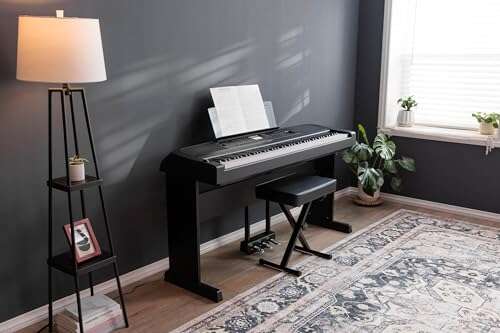
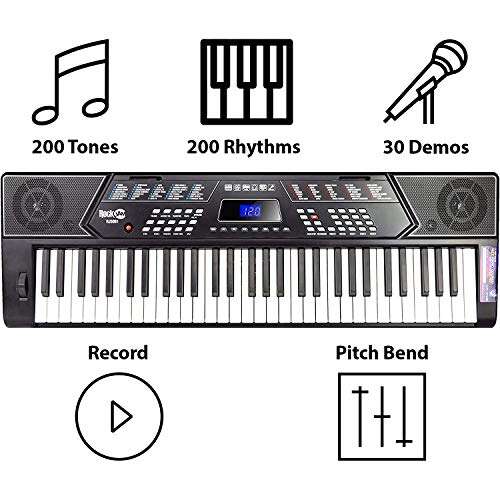
• A keyboard or digital piano with clear tone
• A recording app for your voice and playing
• Slow-down software
• A metronome
• A chord chart for checking your guesses
• Ear-training apps for intervals and chords
• Headphones that separate instruments clearly
Use tools as training wheels. First make your own guess. Then check the answer. If you look up every chord before listening, your ear gets less practice.
A piano with a sustain pedal can also help you hear chord color. Use the pedal with care, since too much sustain can blur your notes and make errors harder to hear.
When to Use Sheet Music and Music Theory
Playing by ear and reading music are not opposing skills. Each one strengthens the other.
Sheet music helps you understand rhythm, harmony, form, and detailed arrangements. Ear playing helps you understand how those symbols sound in real music.
Music theory gives names to patterns you already hear. For example, once you recognize a I–V–vi–IV progression, you can identify it in many songs and play it in any key.
A balanced approach includes:
• Reading short pieces
• Learning songs by ear
• Studying basic scales and chords
• Practicing rhythm
• Improvising over simple progressions
• Transposing melodies
Theory should explain what your ears notice. It should not become a wall between you and the music.
Frequently Asked Questions About How Do You Play the Piano by Ear
Can anyone learn to play piano by ear?
Most people can improve this skill with regular practice. You do not need perfect pitch, but you do need patience, focused listening, and repeated work with melodies and chords.
Is playing piano by ear difficult?
It can feel difficult at first because your ears and hands are learning to communicate. Simple melodies usually become easier before chords, harmony, and full arrangements.
How do I start playing a song by ear?
Choose a familiar, simple song and learn one short melody phrase. Sing the phrase, find its first note, match the remaining notes, and then add the rhythm and basic chords.
Do I need to know music theory to play by ear?
No, you can begin without theory. However, basic knowledge of keys, scales, intervals, and chords makes the process faster and helps you understand the patterns you hear.
How long should I practice ear training each day?
Start with 10 to 20 focused minutes per day. Consistent practice usually works better than one long session each week.
Why can I find the melody but not the chords?
Melody is usually a single line, while chords contain several notes and require harmonic listening. Practice identifying the bass note first, then compare major and minor chords built on that note.
Can I play any song by ear?
You can learn to work out many songs, but difficulty varies. Dense arrangements, unusual harmonies, key changes, poor recordings, and fast tempos may require more time or written references.
Conclusion
Learning how do you play the piano by ear starts with a simple process: listen, sing, find one note, match the melody, and build from there. Train your relative pitch, study basic chords, hear the bass, and practice short phrases instead of rushing through full songs.
You do not need perfect pitch or instant talent. You need clear goals and regular practice. Choose one familiar song today, learn four notes by ear, and keep a record of what you discover. Explore more ear-training exercises, share your progress, or leave a comment about the first song you learn.

Senior Music Reviewer
Alex Carter is a seasoned music reviewer with over a decade of experience in the world of sound and instruments. Passionate about helping musicians and enthusiasts make informed choices, he brings sharp insights and in-depth knowledge to every review. From classical instruments to modern gear, Alex combines technical expertise with a love for music to deliver content that resonates with readers.
As a Senior Music Reviewer and expert author on Tuneluma.com, Alex is dedicated to sharing honest evaluations, practical advice, and thoughtful commentary to guide readers in their musical journey.