What Is An Acoustic Piano: How It Works
An acoustic piano is a traditional keyboard instrument that makes sound through felt hammers striking stretched metal strings.
When people ask what is an acoustic piano, they are often comparing it with a digital piano or keyboard. The answer involves more than strings and wood. An acoustic piano is a carefully balanced system of keys, hammers, strings, pedals, and a soundboard. Together, these parts create a rich tone that responds to every change in touch. This guide explains how it works, its main types, benefits, limits, care needs, and how to choose one with confidence.
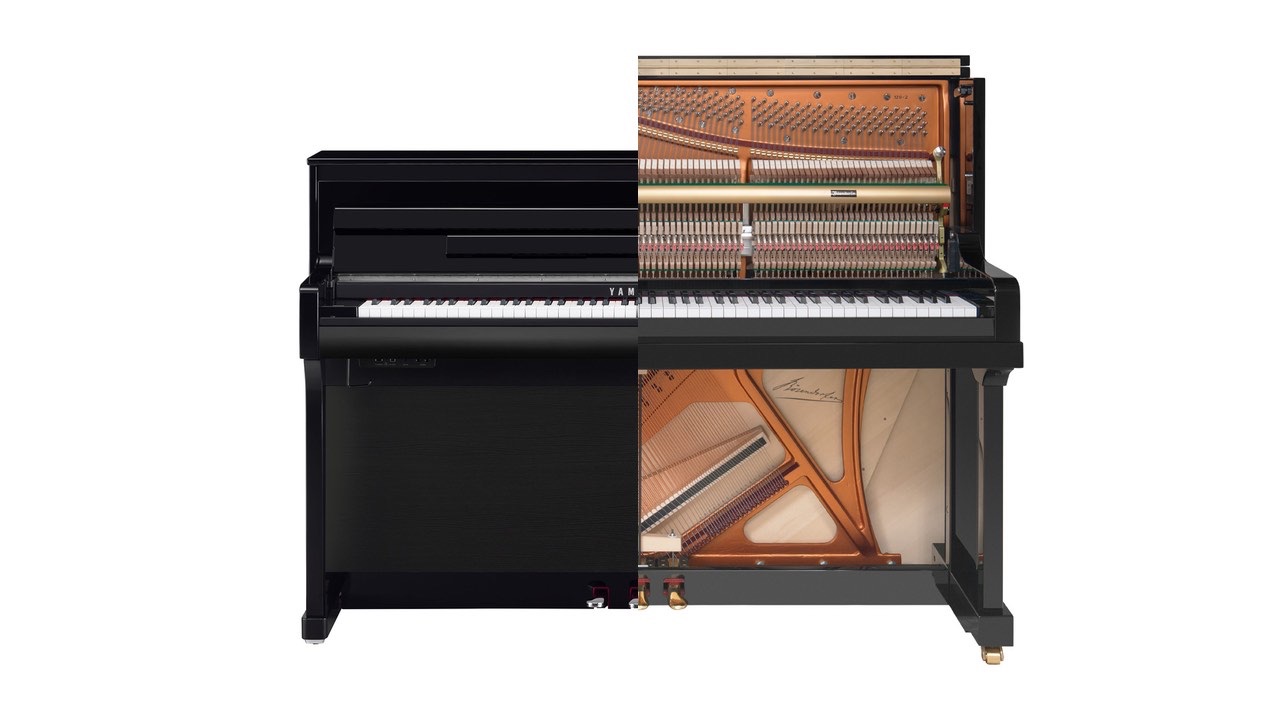
What Is an Acoustic Piano?
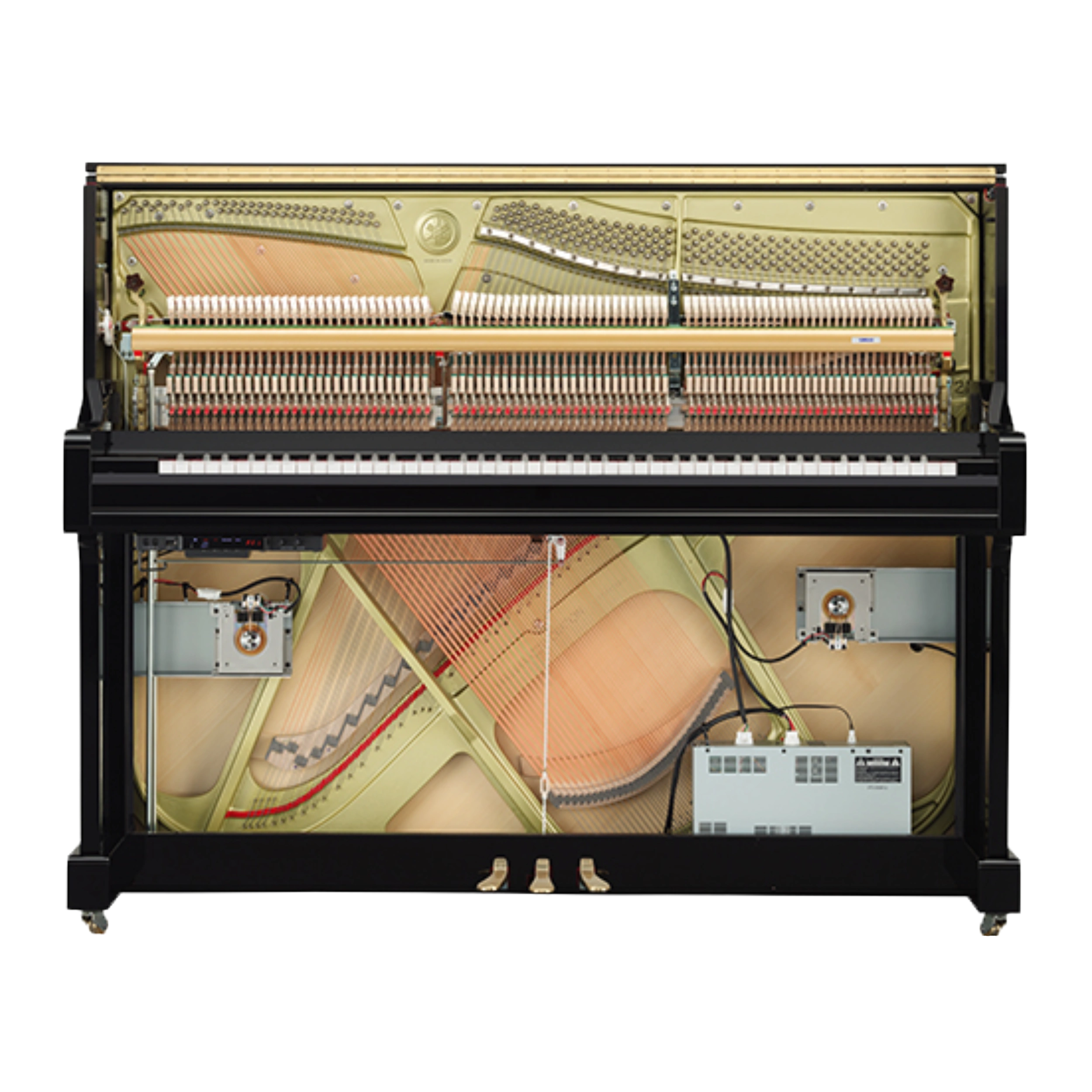
An acoustic piano is a musical instrument that produces sound without speakers, electronics, or digital samples. When you press a key, it moves a small mechanical system that sends a felt-covered hammer toward a metal string. The hammer strikes the string, and the string vibrates.
That vibration travels through the bridge to the soundboard. The soundboard is a large wooden panel that increases the sound and gives the piano its full, warm tone. This natural process is the main answer to what is an acoustic piano.
An acoustic piano can play soft, loud, bright, dark, smooth, or powerful sounds. The player controls much of this tone through touch. A gentle key press creates a softer sound, while a firm press creates more force.
Unlike a digital piano, an acoustic piano does not need electricity to make a sound. It may have electrical parts for recording or silent practice, but its core sound comes from physical strings and wood.

How Does an Acoustic Piano Work?
Understanding how an acoustic piano works is easier when you see it as a chain of motion. Your finger starts the process, but many small parts work together in less than a second.
The basic action follows these steps:
- You press a piano key.
- The key moves a lever called the action.
- The action lifts a felt-covered hammer.
- The hammer strikes one or more strings.
- The strings vibrate at a set pitch.
- The bridge transfers the vibration to the soundboard.
- The soundboard moves air and creates the sound you hear.
- The damper lifts or falls to control how long the note lasts.
Each piano key connects to a hammer and string group. Lower notes use longer, thicker strings. Higher notes use shorter, thinner strings. Many bass notes use copper-wrapped strings to add mass without making the piano extremely long.
The role of the keys
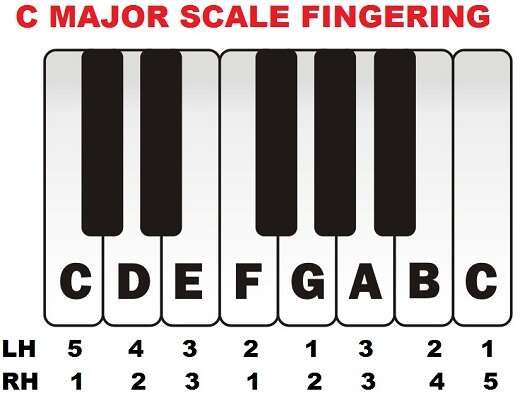
Most modern acoustic pianos have 88 keys. There are 52 white keys and 36 black keys. The full range runs from A0, the lowest note, to C8, the highest note.
The keys do not hit the strings directly. They operate a complex action that includes wooden parts, levers, springs, and a repetition system. This design lets the player repeat notes quickly and control small changes in volume.
The role of the hammers
Piano hammers are usually made from wood and covered with compressed felt. The felt helps create a smooth tone and protects the strings from harsh contact.
A skilled piano technician can shape and adjust the felt. This work, called voicing, can make the tone brighter, softer, warmer, or more even across the keyboard.
The role of the strings and soundboard
Piano strings are made from high-tensile steel. Bass strings often have a copper winding around a steel core. These strings hold high levels of tension, so they need a strong frame and carefully built cabinet.
The soundboard acts like the body of a guitar. It spreads the string vibration across a larger surface. Without it, the strings would sound quiet and thin.

Main Types of Acoustic Pianos
There are two main types of acoustic pianos: grand pianos and upright pianos. Both use strings, hammers, bridges, and a soundboard, but their shapes affect their sound, size, and price.
Grand piano
A grand piano has a horizontal frame and strings that extend away from the keyboard. Its lid can open to project sound into the room.
Grand pianos are available in several sizes:
• Baby grand: Often less than 6 feet long and suited to homes, studios, and small performance spaces.
• Parlor or medium grand: Usually longer and more powerful, with greater tonal depth.
• Concert grand: Often about 9 feet long and designed for concert halls and professional performance.
The longer string length and larger soundboard of a grand piano can create a strong bass, clear midrange, and singing treble. The action also allows fast repetition and detailed control.
Upright piano
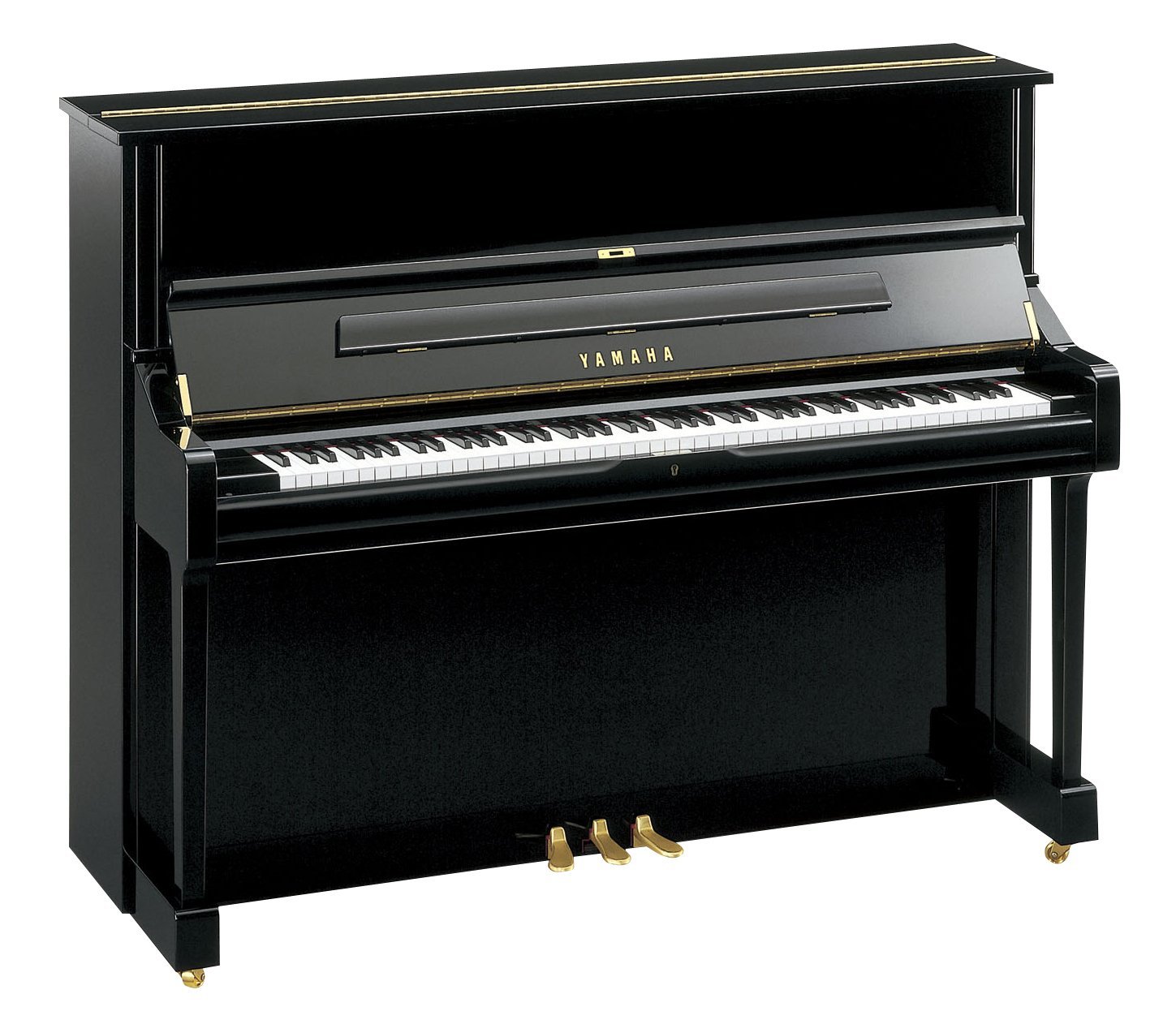
An upright piano places its strings and soundboard vertically. This design saves floor space, making it common in homes, schools, churches, and teaching studios.
Common upright styles include:
• Spinet piano: A very small upright with compact action parts. It may be affordable, but it often has a lighter action and less powerful tone.
• Console piano: A medium-sized upright with a practical design and generally good balance for home use.
• Studio upright: A taller piano with longer strings and a larger soundboard. It often provides stronger tone and better durability.
• Professional upright: A tall upright built for serious practice, teaching, or institutional use.
When someone asks what is an acoustic piano, they may picture a classic upright in a living room. That image is accurate, but it represents only one part of the acoustic piano family.

Acoustic Piano vs. Digital Piano
The key difference is how each instrument creates sound. An acoustic piano uses physical strings and hammers. A digital piano uses recorded or modeled sounds played through speakers or headphones.
Neither type is automatically best for every player. Your goals, space, budget, and neighbors all matter.
| Feature | Acoustic piano | Digital piano |
|---|---|---|
| Sound source | Strings and soundboard | Samples or digital modeling |
| Power | No power needed for normal play | Requires power or batteries |
| Maintenance | Regular tuning and service | Little routine maintenance |
| Headphones | Usually needs a silent system | Commonly included |
| Tone response | Natural and complex | Depends on samples and speakers |
| Portability | Heavy and difficult to move | Many models are easier to move |
| Volume control | Limited without accessories | Easy volume adjustment |
| Lifespan | Can last for decades with care | Technology may become outdated |
An acoustic piano gives immediate physical feedback. You feel the key resistance, hear the sound grow in the room, and notice how the instrument responds to your touch. A good digital piano can imitate much of this experience, but it does not create sound through strings.
A digital piano may be the wiser choice for an apartment, late-night practice, or a small budget. An acoustic piano may suit you better if you value natural tone, traditional technique, and a lasting instrument.
Benefits of an Acoustic Piano
An acoustic piano offers several benefits that explain why it remains popular after more than three centuries of development.
Natural sound and touch
The sound of an acoustic piano changes with touch, room size, pedal use, and the condition of the instrument. Two notes played with the same written value can sound different because the player shapes them differently.
This range makes the instrument expressive. It can whisper in a quiet passage or fill a large room without electronic amplification.
Strong musical feedback
An acoustic piano gives clear feedback through your fingers and ears. You feel the key move, hear the hammer strike, and notice the sound continue through the soundboard.
This feedback can help students understand dynamics, phrasing, balance, and pedal control. It turns practice into a physical conversation between the player and the instrument.
Long service life
A well-made acoustic piano can remain useful for many decades. Some older instruments still perform well after restoration. However, age alone does not prove quality. A neglected piano may need costly repairs, while a well-maintained piano can offer excellent value.
No electronic delay
An acoustic piano creates sound through a direct mechanical action. There is no speaker processing or digital latency between the key and the sound. This direct response is especially valuable for advanced players who depend on precise timing.
Lasting furniture value
Many acoustic pianos are attractive pieces of furniture. A polished cabinet can become part of a room for years. Still, appearance should not replace a full inspection, especially when buying a used piano.

Limitations of an Acoustic Piano
A balanced answer to what is an acoustic piano should include its disadvantages. The instrument is rewarding, but it also requires space, care, and planning.
• It is heavy: An upright may weigh several hundred pounds, while a grand piano can weigh more than 1,000 pounds.
• It needs tuning: Changes in temperature, humidity, and string tension can move the piano out of tune.
• It takes space: A piano needs enough room for safe placement, bench access, sound movement, and service work.
• It has limited volume control: You cannot reduce the sound to zero without a practice system or other device.
• It can be expensive to repair: Worn hammers, damaged soundboards, broken strings, and action problems may require skilled labor.
• It can react to climate: Very dry or damp conditions may affect wood, glue, felt, and tuning stability.
These limits do not make acoustic pianos a poor choice. They simply mean that ownership is different from owning a small electronic keyboard.

How Much Does an Acoustic Piano Cost?
The cost of an acoustic piano varies widely. Brand, age, size, condition, craftsmanship, location, and repair history all affect the price.
A new entry-level upright may cost several thousand dollars. A quality professional upright may cost much more. Grand pianos range from modest used models to luxury instruments priced well above the cost of a new car.
Used pianos can provide excellent value, but they require careful checking. A low purchase price may hide expensive work.
Before buying, budget for: