How To Choose A Good Violin: Expert Buying Guide
Choose a violin by matching its size, sound, build quality, comfort, and setup to your skill level and budget.
Learning how to choose a good violin can feel confusing because two instruments may look alike yet sound very different. The best choice is not always the oldest, most expensive, or most decorated violin. It is the instrument that feels comfortable, responds easily, stays in tune, and helps you make steady progress. This guide explains what to check, what to avoid, and how to test a violin with confidence.
Decide What You Need From the Violin
The right violin depends on who will play it, where they are in their musical journey, and what they hope to achieve. A young beginner, an adult learner, and an advanced performer may need very different instruments.
Before you shop, answer these questions:
• Is the violin for a child or an adult?
• Is the player a beginner, intermediate student, or advanced musician?
• Will it be used for lessons, orchestra, folk music, recording, or performances?
• What is the total budget, including the bow, case, strings, and setup?
• Do you want to buy, rent, or try a rent-to-own plan?
A beginner usually benefits from a reliable violin with a clear, balanced tone. A professional player may need more color, power, projection, and response. Spending more does not guarantee a better match, so define your needs first.
When learning how to choose a good violin, remember that playability matters more than appearance. A plain instrument with excellent setup can be far better than a beautiful violin that is difficult to play.
Choose the Correct Violin Size
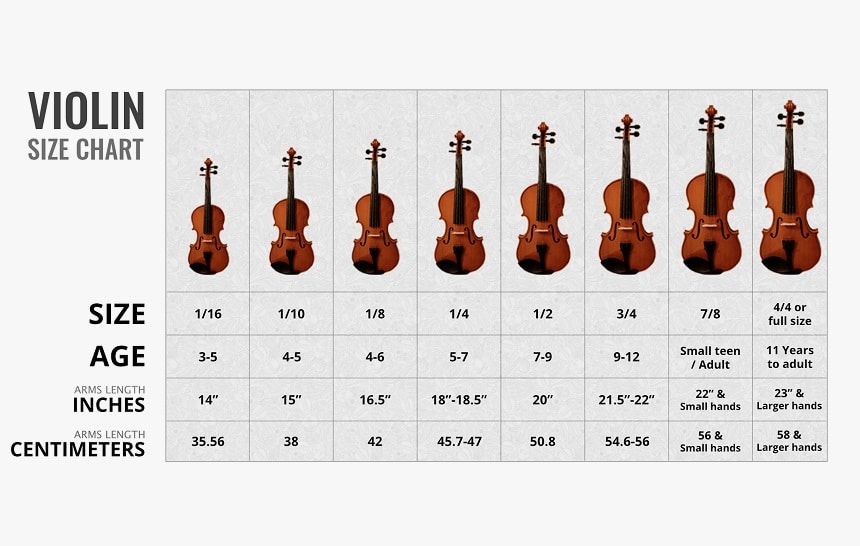
Size is one of the first things to check, especially for children. A violin that is too large can cause poor posture, tension, and frustration. A violin that is too small may limit comfort and sound quality.
Most adults use a full-size 4/4 violin. Children often need smaller sizes, such as 3/4, 1/2, 1/4, 1/8, or smaller. Age can offer a rough guide, but arm length is more useful than age alone.
A teacher or violin shop should measure the player. The player should be able to hold the violin comfortably while reaching the scroll with a relaxed arm. The fingers should reach the notes without strain.
Common size guidance includes:
• 4/4: Most adults and larger teens
• 3/4: Often suitable for children around 9 to 11 years old
• 1/2: Often suitable for children around 7 to 9 years old
• 1/4: Often suitable for children around 5 to 7 years old
• 1/8 and smaller: Often used by younger children
These age ranges are only estimates. Children grow at different rates, and body proportions vary. A qualified teacher should make the final recommendation.
One useful lesson in how to choose a good violin is to never force a child into a full-size instrument too early. A smaller violin that fits well can help build good technique and confidence.

Set a Realistic Budget
A violin outfit usually includes more than the instrument. You may also need a bow, case, shoulder rest, rosin, strings, and professional setup.
Very cheap violins can create hidden costs. Their bridges may be too thick, pegs may slip, fingerboards may be uneven, and strings may sound harsh. These problems can make a beginner think they lack talent when the real problem is the instrument.
A practical budget should include:
• The violin
• A suitable bow
• A protective case
• Rosin
• A shoulder rest, if needed
• Replacement strings
• Professional setup
For many beginners, a well-set-up student violin from a reputable shop is a safer choice than the cheapest new violin online. Rental programs can also be wise. They let a student test commitment before making a larger purchase.
Used violins can offer strong value, but they need careful inspection. Repair costs may exceed the instrument’s value. Ask whether the violin has cracks, neck problems, open seams, or previous repairs.
When deciding how to choose a good violin, compare the total cost of ownership rather than the sticker price. A slightly more expensive violin may save money if it needs fewer repairs and remains enjoyable to play.

Inspect the Violin’s Construction
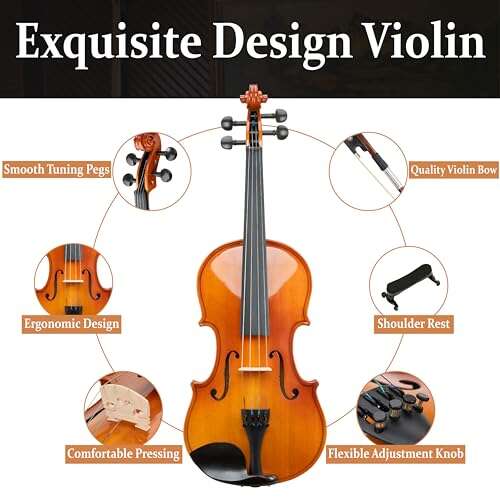
A good violin should be made with care. Traditional violins are usually built from spruce for the top and maple for the back, ribs, and neck. Ebony is commonly used for the fingerboard, pegs, and tailpiece.
Wood type alone does not determine quality. Craftsmanship, age, thickness, arching, varnish, and setup all affect the result. A violin made from good materials can still perform poorly if it was built without precision.
Look closely at these parts:
• The top should be free from major cracks and deep damage.
• The back and ribs should fit together cleanly.
• The bridge should stand straight and fit the top correctly.
• The fingerboard should be smooth and properly shaped.
• The pegs should turn smoothly but hold their position.
• The tailpiece should be secure and correctly aligned.
• The seams should not show large gaps.
Small marks and normal wear do not always indicate a problem. Older instruments may have scratches, faded varnish, or repaired areas. The key question is whether the condition affects strength, sound, or playability.
Avoid buying a violin solely because it looks old. Age can add character, but it does not automatically improve an instrument. A poorly preserved old violin may be less useful than a carefully made modern one.

Evaluate the Sound
Sound is the heart of how to choose a good violin. You want an instrument that produces a clear tone across all four strings and responds without excessive effort.
A good violin does not need to sound perfect on the first note. New strings, room acoustics, bow quality, and player technique all affect what you hear. Still, several sound traits are useful to assess.
Listen for:
• Clear notes without a constant buzz
• A balanced sound across the G, D, A, and E strings
• Warmth without dullness
• Brightness without harshness
• Good volume without forced bow pressure
• Easy response when starting a note
• Smooth changes between strings
The ideal tone is partly personal. Some players prefer a warm, dark sound. Others want a bright, powerful voice that can project in an orchestra. There is no single sound that suits every musician.
Ask another player or teacher to test the violin from several feet away. A violin may sound loud under the ear but lack projection across a room. A listener can notice balance and clarity that the player may miss.
Try long, slow bows, short strokes, scales, and simple melodies. Do not test only the loudest notes. A good violin should remain stable and musical during quiet playing too.
Check the Setup and Playability
Setup is the adjustment work that makes a violin comfortable and responsive. Even a well-made instrument may feel poor if the setup is neglected.
Important setup details include:
• Bridge height and shape
• String height above the fingerboard
• Fingerboard curve and smoothness
• Peg fit
• Soundpost position
• Tailpiece alignment
• String condition
The strings should not sit so high that pressing notes feels painful. They should also not sit so low that they create buzzing. The bridge must be properly fitted to the top, not simply placed in position.
Test the pegs by tuning each string. They should turn smoothly and hold firmly. If they slip or feel extremely stiff, the violin may need adjustment.
Place the violin under your chin and relax your left hand. Try first-position notes, simple scales, and string crossings. If your shoulder, wrist, or thumb becomes tense quickly, ask whether the instrument or setup is causing the problem.
A major lesson in how to choose a good violin is that setup can transform an instrument. I have seen ordinary student violins become much easier to play after a skilled technician corrected the bridge, fitted the pegs, and installed better strings.

Test the Bow and Other Accessories
A violin is part of an outfit. The bow affects tone, control, and comfort just as much as the instrument does.
A usable beginner bow should be straight, balanced, and easy to control. The hair should be in good condition, and the frog and screw should work properly. The stick should not twist badly when viewed from the front.
Check the bow for:
• A straight stick
• Even hair tension
• A working screw
• A secure frog
• No major cracks
• Comfortable balance
The case should protect the violin from impacts, temperature changes, and moisture. It should hold the violin firmly without squeezing it. A secure case also needs space for the bow and basic accessories.
Fresh strings may improve a violin’s sound, but expensive strings cannot fix major construction or setup problems. Similarly, a costly bow cannot make an unplayable violin comfortable.
When learning how to choose a good violin, test the complete outfit whenever possible. The violin, bow, strings, and setup work as a system.

Compare Several Violins Carefully
Do not choose the first violin that seems acceptable. Comparing several instruments helps you notice differences in sound and response.
Use the same test for each violin:
-
Tune all four strings.
-
Play open strings with slow bows.
-
Play a simple scale.
-
Test quiet and loud notes.
-
Try string crossings.
-
Play a short piece you know well.
-
Ask someone else to listen from across the room.
Take notes after each test. Record how easy each violin feels, how clear it sounds, and whether any notes buzz or respond slowly.
If you are a beginner, bring a teacher or experienced player. Beginners often choose based on looks, loudness, or one attractive note. A trained listener can identify balance, projection, and setup problems more reliably.
Give yourself time between tests. Ears become tired, especially in a busy shop. A short break can make comparisons more accurate.
A simple scoring chart can help:
• Comfort: 1 to 5
• Tone: 1 to 5
• Response: 1 to 5
• Tuning stability: 1 to 5
• Condition: 1 to 5
• Value for money: 1 to 5
This method makes how to choose a good violin less emotional and more practical.

Buy From a Trustworthy Seller
A reputable violin shop should answer questions clearly and allow a reasonable trial period. The seller should explain the instrument’s condition, setup, repairs, and return policy.
Ask these questions:
• Who made the violin?
• What materials were used?
• Has it been repaired?
• When was it last set up?
• Are the strings new?
• Is there a trial or return period?
• Does the shop offer future adjustments?
• Is the instrument insured or appraised?
Be cautious when a seller makes dramatic claims about an unknown violin. Labels inside violins can be misleading. A printed label does not always prove who made the instrument or when it was built.
Online shopping can work, but it carries more risk. Photos may hide bridge problems, cracks, warped parts, or poor setup. If you buy online, choose a seller with clear photographs, a return policy, and a reputation for serving musicians.
Avoid pressure tactics. You should not feel forced to buy immediately because someone says another customer is waiting. A good seller wants you to choose an instrument that fits your needs.

Understand New, Used, and Student Violins
New violins offer predictable condition and easier service. They are often a good choice for beginners who want a clean start and a warranty or shop support.
Used violins may have more character and can offer excellent value. However, condition matters more than age. A used violin should be examined by a qualified repairer before purchase.
Student violins are designed for learning. They may not have the complexity of a professional instrument, but they should still be comfortable, stable, and pleasant to hear.
Intermediate violins often provide more tonal range and better response. They can be useful when a player has developed stronger technique and knows what sound they prefer.
Professional violins may offer greater projection, detail, and color. They also cost much more and may reveal differences that beginners cannot yet use effectively.
The best choice is the instrument that supports your current playing while leaving room to grow. Buying far beyond your skill level can waste money if the sound and setup do not match your technique.
Watch for Common Warning Signs
Some problems are easy to miss during a quick test. Take a careful look before paying.
Warning signs include:
• Large cracks near the soundpost or bridge
• A loose or leaning neck
• A warped fingerboard
• A bridge that is badly tilted
• Pegs that slip constantly
• Deep open seams
• Buzzing that does not stop after setup
• A very high price based only on an old label
• No return policy for an expensive instrument
A repaired crack is not always a reason to reject a violin. Many valuable instruments have repairs. The repair must be stable, clean, and properly assessed.
Be especially careful with instruments that have been stored in very dry or very damp conditions. Wood can shrink, swell, and develop open seams or cracks. Sudden temperature changes can also damage varnish and structure.
A professional violin luthier can inspect the instrument and estimate repair costs. This inspection is often worth the fee, especially for a valuable used violin.
Consider Renting First
Renting is often the smartest path for a child or a new player. It allows the student to test the size, comfort, and level of commitment before buying.
A good rental plan should offer:
• Regular maintenance
• Size exchanges
• Insurance options
• Rent-to-own credit
• A properly set-up instrument
• Clear return terms
Do not assume every rental violin is poor quality. Many shops maintain reliable student instruments because they want students to succeed and continue learning.
If the player practices often and enjoys lessons, buying may become more practical later. At that point, the student can test instruments with a better understanding of tone and comfort.
Renting also helps families avoid buying a small violin that a child will outgrow within a year. The right rental program can reduce both financial pressure and musical stress.
Use a Simple Buying Checklist
Before making a final decision, review the instrument from top to bottom.
Use this checklist:
• The size fits the player.
• The violin feels comfortable under the chin.
• The neck and fingerboard feel smooth.
• The bridge is straight and well fitted.
• The pegs turn and hold correctly.
• The strings are in usable condition.
• The sound is clear and balanced.
• The violin responds to light bow pressure.
• There are no serious cracks or structural problems.
• The bow is straight and functional.
• The case offers proper protection.
• The price fits the complete budget.
• The seller provides service or a return period.
Take one final test the next day if possible. A violin that seems exciting for five minutes should still feel comfortable after longer playing.
The most reliable approach to how to choose a good violin combines expert advice, personal comfort, sound testing, and careful inspection. No single feature should decide the purchase.
Frequently Asked Questions About How to Choose a Good Violin
What is the best violin for a beginner?
The best beginner violin is comfortable, properly set up, easy to tune, and capable of producing a clear, balanced tone. A reliable student violin from a respected shop is usually safer than the cheapest online option.
How much should I spend on a good violin?
The right budget depends on the player’s level and needs. Include the violin, bow, case, strings, setup, and accessories rather than judging by the instrument price alone.
Is an old violin better than a new violin?
Not always. An old violin can have a beautiful sound, but age does not guarantee quality, and repairs may be expensive. A well-made, well-set-up new violin can be a better choice for many students.
Should I buy a violin online?
You can buy online if the seller provides detailed information, professional setup, and a clear return policy. Whenever possible, have a teacher or luthier inspect the violin before the return period ends.
How do I know if a violin is the right size?
The player should hold the violin comfortably and reach the scroll with a relaxed arm. A teacher or violin shop can measure arm length and posture more accurately than age-based size charts.
Does a more expensive violin always sound better?
No. Price can reflect materials, craftsmanship, history, and demand, but it does not guarantee a good match for every player. Comfort, response, tone, and setup should guide the decision.
Conclusion
Choosing a violin becomes much easier when you focus on fit, construction, sound, setup, and seller support. Test several instruments, bring an experienced listener, and avoid rushing because of appearance or price.
A good violin should make practice feel inviting rather than difficult. Use the checklist, ask clear questions, and choose the instrument that feels natural in your hands and responds well to your bow. Explore local violin shops, speak with a teacher, and share your experience or questions in the comments.

Senior Music Reviewer
Alex Carter is a seasoned music reviewer with over a decade of experience in the world of sound and instruments. Passionate about helping musicians and enthusiasts make informed choices, he brings sharp insights and in-depth knowledge to every review. From classical instruments to modern gear, Alex combines technical expertise with a love for music to deliver content that resonates with readers.
As a Senior Music Reviewer and expert author on Tuneluma.com, Alex is dedicated to sharing honest evaluations, practical advice, and thoughtful commentary to guide readers in their musical journey.