How The Piano Is Made: From Wood To Music
A piano is made by shaping wood, casting metal, stretching strings, and tuning thousands of precise parts.
Understanding how the piano is made reveals why this instrument can sound warm, bright, deep, or powerful. From carefully seasoned wood and a strong cast-iron frame to felt hammers and long steel strings, every part must work as one system. This guide explains each stage, with practical details that make the process easy to follow.
What Is a Piano Made Of?
A piano is a complex acoustic instrument. It changes the motion of a key into the vibration of a string, then uses wood and air to make that vibration louder.
When studying how the piano is made, it helps to group its parts into five main systems:
• The case gives the piano its shape and protects the inner parts.
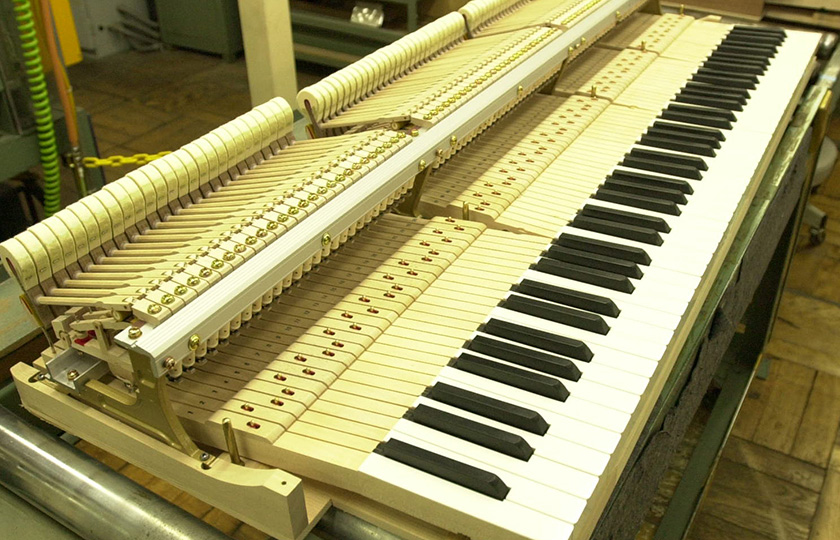
• The keyboard and action transfer finger movement to the hammers.
• The strings create the original sound.
• The soundboard and bridges spread and strengthen the vibration.
• The pedals change tone, volume, sustain, or playing response.
A modern piano may contain more than 10,000 individual parts. These include screws, springs, pins, felt pieces, wooden levers, metal supports, and small pieces of leather or cloth.
The main materials include:
• Spruce for the soundboard and some action parts
• Hard maple, beech, or similar hardwoods for the action
• Steel for strings and tuning pins
• Cast iron for the plate
• Felt for hammers, dampers, and key surfaces
• Ebony, plastic, or composite materials for key coverings
• Wood veneer and finishes for the outer cabinet
The exact materials vary by manufacturer and model. A concert grand piano and a small upright piano use the same basic ideas, but their shapes, proportions, and construction methods differ.

How the Piano Is Made: The Main Process
The piano-making process usually takes place in stages. Large manufacturers use machines for cutting, drilling, shaping, and testing, but skilled workers still guide many important steps.
The process can be summarized as follows:
-
Designers create the piano’s scale and structure.
-
Wood is selected, dried, and shaped.
-
The rim and cabinet are built.
-
The soundboard and bridges are fitted.
-
The cast-iron plate is made and installed.
-
Strings and tuning pins are added.
-
The keyboard and action are assembled.
-
Hammers and dampers are fitted.
-
The pedals and hardware are installed.
-
The piano is voiced, tuned, regulated, and inspected.
Each step affects the next one. A small error in the bridge can change string tension. A poorly shaped hammer can make one note sound harsh. A weak soundboard can limit the piano’s volume and color.
This is why how the piano is made is not simply a matter of putting parts into a wooden box. It is a careful balance of engineering, woodworking, acoustics, and hand adjustment.
Designing the Piano’s Scale
Before a factory cuts wood or casts metal, engineers create the piano’s scale design. The scale determines the length, thickness, tension, and spacing of the strings.
A piano has three broad sections:
• The bass section uses thick strings, often wrapped with copper wire.
• The tenor section uses medium-length steel strings.
• The treble section uses shorter, thinner steel strings.
The scale must spread string tension across the entire frame. It must also create a smooth change in tone from the low notes to the high notes.
Most modern pianos use a cross-stringing design. In a grand piano, the bass strings cross over some of the middle and treble strings. This lets the instrument use a longer bass string in a compact case.
Engineers also calculate the speaking length of each string. This is the part that vibrates freely between the bridge and the termination point. The remaining string length supports tuning and construction but does not create the main musical pitch.
A good scale design gives the pianist:
• A stable pitch
• Even volume from note to note
• A smooth tonal change across the keyboard
• Enough power without excessive string tension
The design stage shows one of the most important facts about how the piano is made: the instrument is planned as a complete acoustic system, not as a collection of unrelated parts.

Selecting and Preparing the Wood
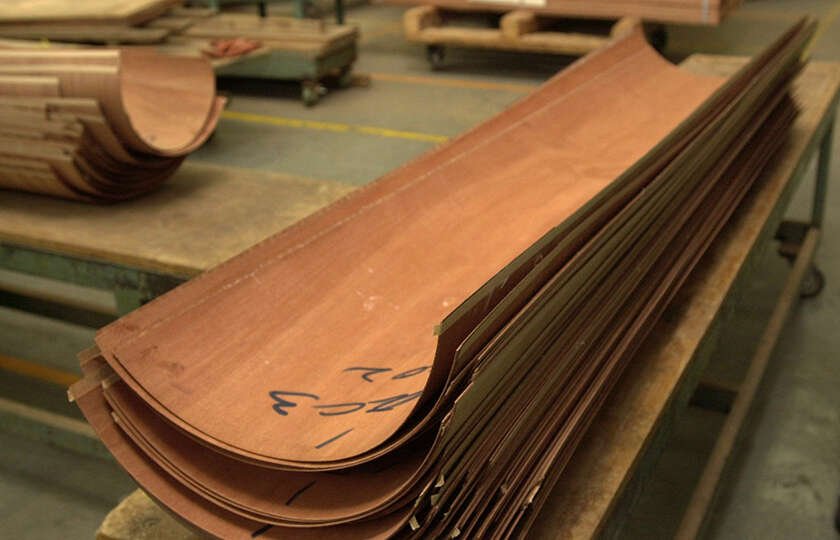
Wood is one of the most important materials in piano building. It must be strong, light, stable, and able to respond well to vibration.
Manufacturers often use spruce for the soundboard because it has a strong grain and a good strength-to-weight ratio. Hardwoods such as maple, beech, or hornbeam are common in action parts because they can handle repeated movement.
Wood must be dried before it becomes part of a piano. If the wood contains too much moisture, it may shrink later. If it dries too fast, it may crack or lose strength.
Factories control the drying process with care. They may use air drying, kiln drying, or a mix of both. The goal is not to remove every trace of moisture. The goal is to bring the wood to a stable moisture level that suits the climate where the piano will be built and sold.
Wood grain also matters. Workers inspect boards for:
• Straight and even grain
• Few knots or defects
• Correct thickness
• Good flexibility
• Similar moisture levels