What Are Piano Keys Made Of: The Complete 2026 Guide
Modern piano keys are crafted from high quality plastics, whereas vintage instruments often feature natural ivory and ebony wood.
Understanding what are piano keys made of helps you appreciate how piano design has changed. I am a piano technician. I have restored uprights, consoles, and concert grands. I have taken apart many keyboards. Under the surface there is a clear story. It begins with natural materials and moves to engineered plastics and composites. In this article I explain the materials, the reasons for the change, and what that means for touch, care, and restoration. I also share practical tips from my workshop and simple checks you can do at home.

The Historical Use of Ivory and Ebony
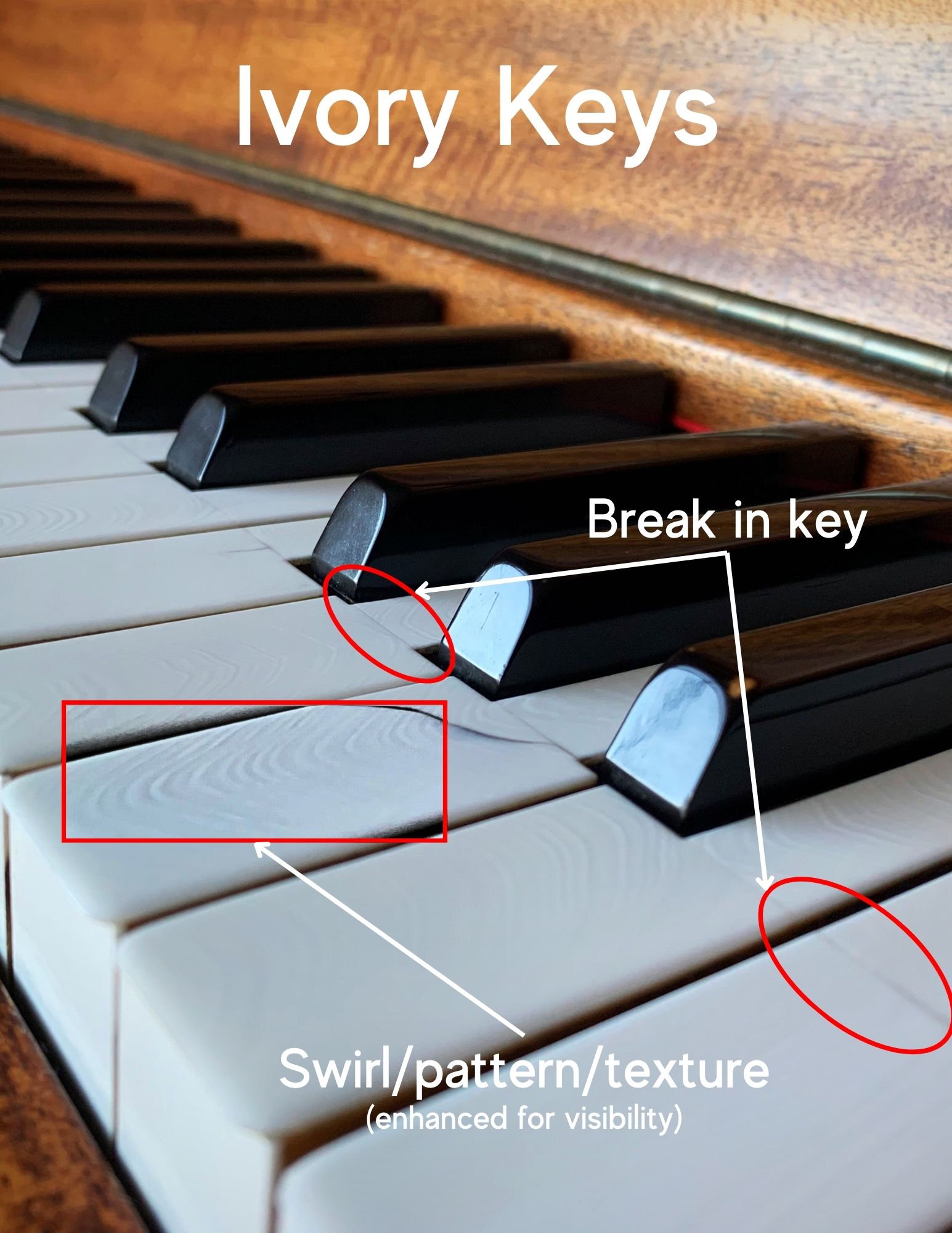
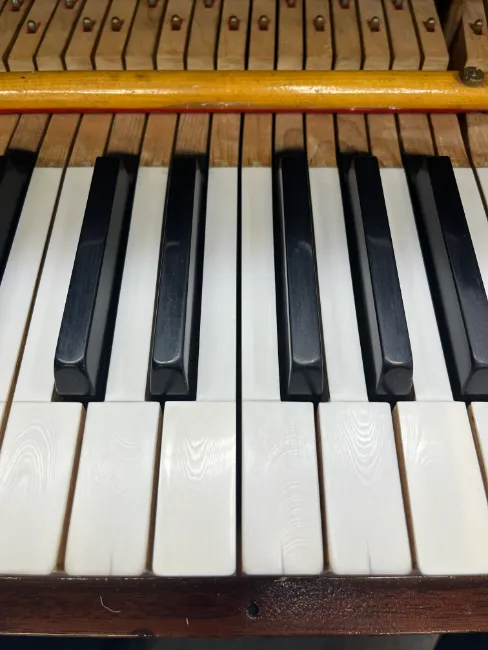
For centuries, ivory was the gold standard for white keys. It came from elephant tusks. Craftsmen prized it for its texture and grip. Ivory is slightly porous. That helped it absorb moisture from sweaty fingers. Players liked that. The hand stayed steady during long or intense passages. The black keys, called accidentals, were usually made from dense hardwood. Ebony was popular. It is very hard and smooth. It resists wear and keeps its feel after many years.
Over time, the use of elephant ivory raised major ethical and legal concerns. International bans and national laws (including rules under CITES) now limit trade in ivory. Those rules pushed manufacturers and restorers to find safe alternatives. If you own an antique piano, its white keys may be real ivory. Ivory ages differently than modern plastics. It can yellow, develop fine hairline cracks, or show a distinct grain. Those signs mean the keys need careful cleaning and specialist care to prevent damage.
Why ivory was chosen
Ivory offered a mix of benefits. It looked elegant. It felt warm and slightly textured under the finger. It absorbed small amounts of moisture. This reduced slipping. Ivory also took a nice polish and matched the high-end aesthetic of concert and salon pianos of the 18th and 19th centuries.
Ethical and legal changes that shaped the market
As elephant populations declined, conservation groups and governments acted. The result was tighter controls on ivory. Makers and owners had to adapt. This shift led to new materials that aim to keep the best parts of ivory—grip and tactile feedback—while removing the ethical problem.

Modern Materials and Synthetic Alternatives
Today, most piano keys use high-grade plastics for their outer surfaces. Makers use materials that mimic ivory and ebony. Common options include cellulose nitrate and modern acrylics. Brands and trade names like Ivorite also appear on the market. These materials aim to recreate the grip, color, and sheen of natural keytops. They do this without the ethical and legal issues of real ivory.
Common synthetic keytop materials
Here are the typical materials you will see on modern pianos:
- Cellulose nitrate — used for decades and still found on many pianos.
- Ivorite and acrylic blends — engineered to look and feel like ivory.
- ABS and other thermoplastics — durable and cost-effective for many models.
- Phenolic or resin-based coverings — used in some premium restorations.
These surfaces are usually applied as thin keytops over a wooden core. The goal is a consistent feel across the keyboard. Modern keytops are less prone to yellowing. They handle humidity better. They are easier to clean and maintain. Most players find the modern feel very consistent. A few purists still prefer the subtle texture of genuine ivory. But for daily use, synthetics offer better durability and stability.
How manufacturers adapted
When laws limited ivory, manufacturers redesigned keytops, tooling, and surface chemistry. They tested grip, abrasion resistance, and colorfastness. The result is keytops that meet modern performance needs. They also reduce environmental impact compared to historic ivory harvesting.
The Internal Structure of the Keys
Under the keytop, the key is almost always wood. Makers choose woods that are light and stable. Spruce and linden (basswood) are common. These woods keep the action fast and responsive. If keys were made from heavy wood, the touch would feel sluggish. That would make fast passages harder to play.
Key cores, weights, and balance
Keys are not just wood. Technicians add weight and balance parts. Small lead weights or foil are placed inside the key. These give each key a consistent feel and pivot point. Key bushings, felt pads, and guides help keep the key centered. Over time, wood can absorb moisture or dry out. That changes the balance and can affect action and regulation. Regular service prevents these issues.
Why wood choice matters
Spruce and linden are stable. They resist warping when shaped correctly. They are light, which helps fast repetition. They also take the keytop covering well. On high-end instruments, craftsmen match wood grain and density to keep touch even across the keyboard.
Humidity, tuning, and regulation
Wood moves with humidity. That affects playability. Aim for stable room conditions. I recommend 40–50% relative humidity for most homes and studios. Sudden swings can make keys stick or affect tuning. Regular tuning and regulation are key to keeping the action even and the keyboard true.
Frequently Asked Questions of what are piano keys made of
Are modern piano keys made of plastic?
Yes. Most modern pianos use synthetic polymers for the visible key surface. These plastics are designed to be durable and stain resistant. They also aim to match the grip and feel of ivory and ebony. Modern manufacturers test these materials for wear and consistency.
How can I tell if my old piano has real ivory keys?
There are a few simple clues you can check safely at home. Real ivory often shows fine grain lines and feels slightly warm and textured. It may show gentle yellowing with age. Modern plastics usually look uniform and feel cooler to the touch. If you need certainty, have a qualified appraiser or piano restorer inspect the keys. They can confirm materials without damaging the instrument.
Why were ebony and ivory used originally?
Ivory and ebony were chosen for function and looks. Ivory gave a slightly grippy surface that reduced slippage. Ebony offered a dense, wear-resistant black surface with a smooth feel. Together they created a pleasing contrast and a reliable playing surface in a time before plastics existed.
Do synthetic keys feel different to play?
Some players notice a slight difference. Synthetics can feel a touch smoother or slicker than aged ivory. Many professionals prefer the consistency of modern keytops. For most pianists, the difference is subtle. The benefits—durability, ease of cleaning, and legal peace of mind—are strong selling points.
Can I replace my plastic keys with ivory?
Replacing plastic keytops with genuine ivory is heavily restricted. Laws and international agreements limit ivory trade and use. Most restorers do not offer that option. Instead, experts recommend high-quality synthetic keytops or historically accurate replacements that comply with the law.
How should I clean and care for keys?
Cleaning and care vary by material. Here are safe, practical steps:
- Plastic/Acrylic: Wipe with a soft cloth slightly dampened with mild soap and water. Dry immediately.
- Ivory: Use a barely damp cloth and avoid harsh chemicals. For antiques, consult a restorer. Do not sand or bleach.
- Wood cores and internal parts: Keep humidity stable. Have a technician inspect sticky keys or loose bushings.
If in doubt, ask a qualified piano technician before using any cleaner.
What are restoration options for old keytops?
If a keyboard shows wear, you can consider these paths:
- Keytop replacement with modern synthetic material.
- Professional resurfacing or keytop veneers designed to match historic looks.
- Full key refitting, including new bushings, weights, and regulation for best playability.
Costs vary by piano and the scope of work. A technician can give a clear estimate after inspection.
Conclusion
The story of what are piano keys made of is a story of craft and change. It runs from carved ivory and dense ebony to engineered plastics and stable woods. Each material affects touch, care, and the long-term life of the instrument. As a technician, I see how the right material choice helps a piano play reliably for decades. If you own an antique, treat its keys with care. If you buy new, know that modern keytops offer great durability and consistent feel. Whether your piano is an old acoustic or a new digital hybrid, pay attention to the keys under your hands. Good humidity control, regular tuning, and periodic regulation will keep the action responsive. Keep practicing, explore your instrument’s history, and reach out if you want advice on maintenance or restoration.

Senior Music Reviewer
Alex Carter is a seasoned music reviewer with over a decade of experience in the world of sound and instruments. Passionate about helping musicians and enthusiasts make informed choices, he brings sharp insights and in-depth knowledge to every review. From classical instruments to modern gear, Alex combines technical expertise with a love for music to deliver content that resonates with readers.
As a Senior Music Reviewer and expert author on Tuneluma.com, Alex is dedicated to sharing honest evaluations, practical advice, and thoughtful commentary to guide readers in their musical journey.