What Is A Player Piano: How It Works
A player piano is a self-playing piano that uses programmed music to move its keys automatically.
If you have ever watched piano keys move with no visible performer, you have seen a player piano in action. Understanding what is a player piano means looking at both its clever mechanical design and its role in music history, home entertainment, and modern digital performance. This guide explains how player pianos work, where they came from, their benefits and limits, and what to consider before buying or restoring one.
What Is a Player Piano?
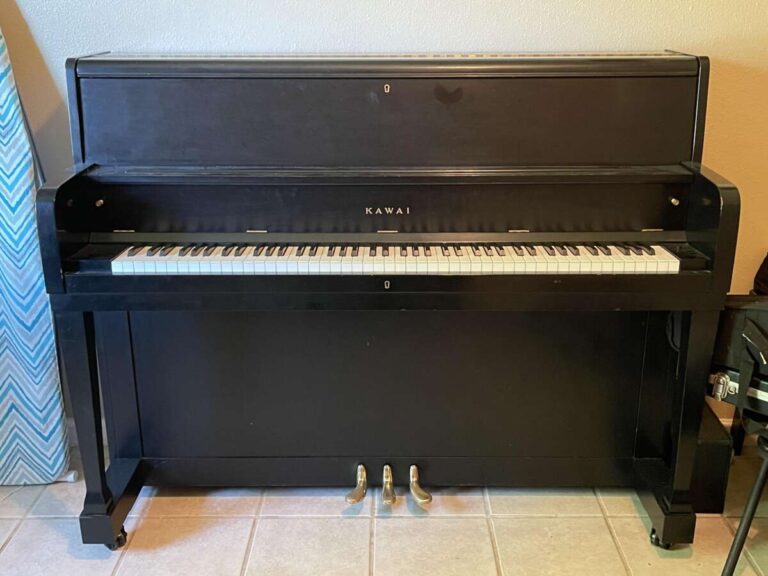
A player piano is an acoustic piano fitted with a mechanism that can play music without a person pressing the keys. Early models used perforated paper rolls, while modern versions may use digital sensors, computer controls, or electronic playback systems.
The piano still creates sound through real strings, hammers, and a soundboard. The difference is that a mechanical or digital system controls the keys, pedals, or internal action. In simple terms, a player piano is like a music box with the voice of a full-size piano.
The term “player piano” often refers to several related instruments:
• A mechanical player piano uses paper music rolls and air pressure.
• A reproducing piano attempts to copy the timing, force, and pedal work of a specific pianist.
• A digital player system uses electronic sensors and motors to control an acoustic piano.
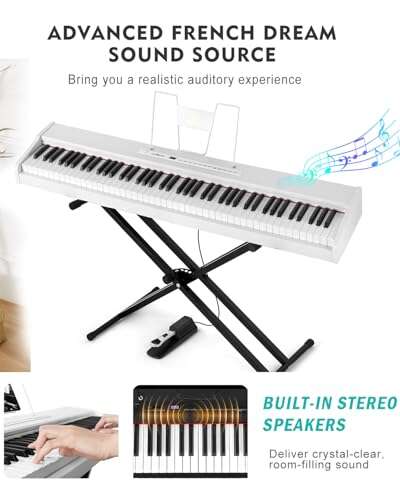
• A hybrid piano combines acoustic strings with digital sounds and automated playback.
So, what is a player piano in practical terms? It is a normal acoustic piano with an added system that can read, interpret, and perform stored music.

How Does a Player Piano Work?
The answer depends on the type of player piano. Traditional instruments use a pneumatic system, while newer models use electronics and computer controls.
How a Mechanical Player Piano Works
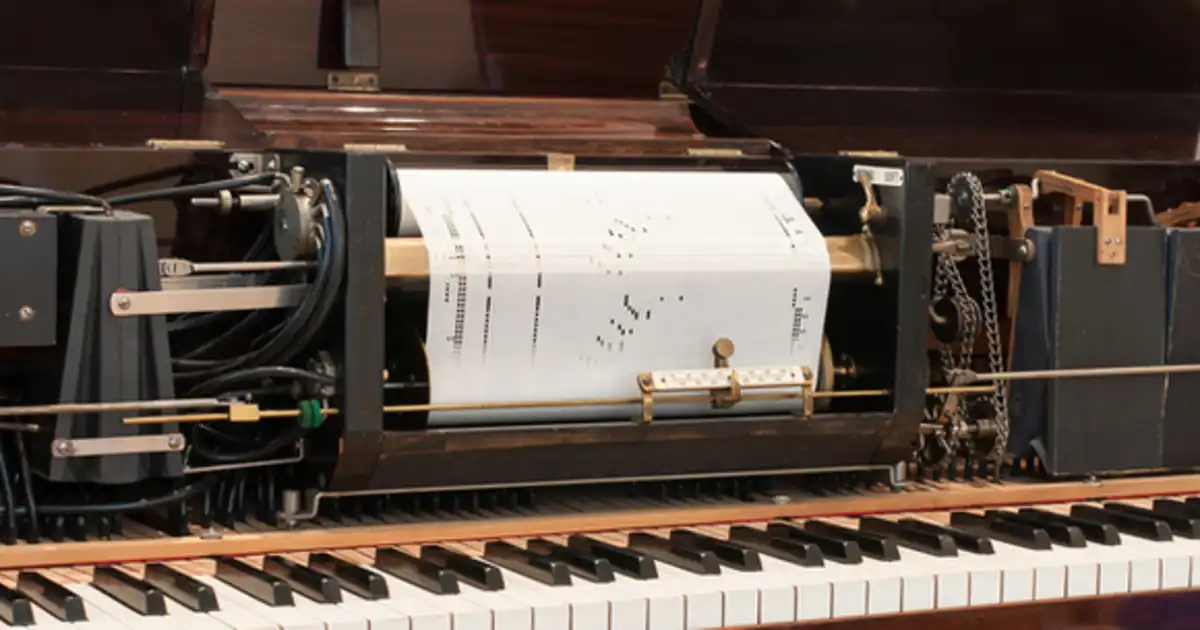
A traditional player piano usually has these main parts:
• Music roll: A long paper roll contains holes arranged in patterns.
• Tracker bar: This metal bar reads the holes as the roll moves across it.
• Pneumatic valves: These valves respond when air passes through the holes.
• Bellows: Foot-powered or motor-powered bellows create suction.
• Piano action: The air system activates levers that move the piano keys and hammers.
As the paper roll moves, each hole lines up with a small opening in the tracker bar. Air flows through the opening and activates a valve. That valve moves a small pneumatic motor, which presses the correct piano key.
The process happens quickly. A single roll may control many notes at once, allowing the instrument to play chords, melodies, and complex passages.
How a Modern Player Piano Works
Modern systems use sensors and motors instead of paper and pneumatic valves. A control unit stores music as digital data. Sensors detect key movement, and small motors reproduce the performance.
Some systems can:
• Play music from a USB drive or mobile app
• Record a pianist as they perform
• Adjust tempo and volume
• Control sustain, soft, and sostenuto pedals
• Connect to speakers, headphones, or smart devices
The basic idea remains the same. The piano receives instructions and turns them into physical movement and acoustic sound.
Does a Player Piano Play Real Piano Sound?
A traditional player piano plays real acoustic piano sound. Its hammers strike real strings, so the tone comes from the instrument itself.
Some modern systems use sampled or synthesized sound. These may play through speakers rather than strings. A hybrid model can offer both options, which gives the owner more control over volume and tone.
The History of the Player Piano
The history of the player piano began with earlier automatic instruments such as mechanical organs and music boxes. By the late 19th century, inventors had developed systems that could operate the keys of a standard piano.
Player pianos became especially popular in the United States during the early 20th century. The period from about 1900 to the 1920s is often called the golden age of the player piano.
Families bought player pianos for several reasons:
• They could enjoy music without hiring a pianist.
• Paper rolls offered access to popular songs and classical works.
• The piano became a source of home entertainment.
• Families could gather around the instrument and sing along.
Music roll companies produced thousands of titles. These included ragtime, popular songs, marches, hymns, and classical pieces. Some rolls even included markings that showed how strongly or softly to play certain notes.
The rise of radio, recorded music, and inexpensive phonographs later reduced demand. The Great Depression also made large musical instruments less affordable. Even so, player pianos never disappeared. Collectors, musicians, museums, and restoration specialists continue to preserve them.
Today, renewed interest comes from antique furniture lovers, piano owners, music historians, and people who want automated performance with real acoustic sound.

What Is a Player Piano Roll?
A player piano roll is a long strip of paper with holes that represent musical notes and control instructions. The roll moves across the tracker bar, allowing the player mechanism to read the pattern.
A basic paper roll may control:
• Which notes play
• When each note starts
• How long each note lasts
• When the pedals operate
• Sometimes, how loudly the piano plays
Most rolls have a leader section at the beginning. This section helps the player mechanism start at the correct speed before the music begins.
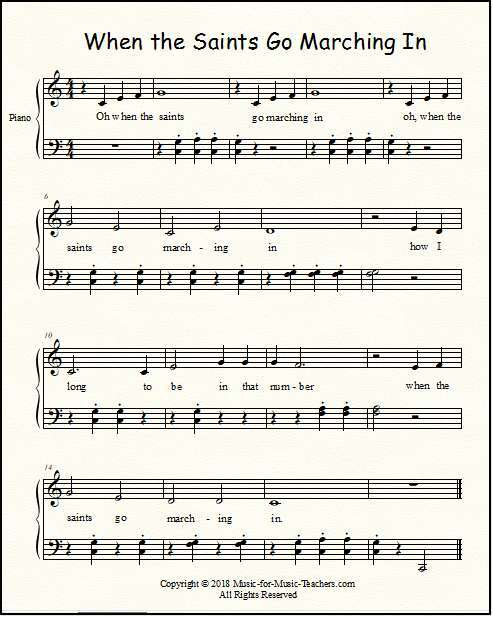
Paper rolls are not exactly the same as printed sheet music. Sheet music shows notes for a person to read. A piano roll gives direct mechanical instructions to the instrument.
Some rolls were created from original performances. Others were arranged by editors or roll producers. This difference matters because not every roll captures the exact performance of a famous pianist.
Paper rolls also require care. Heat, moisture, dust, and poor storage can damage them. Store rolls upright or flat in a dry, cool room, and avoid touching the paper with dirty hands.

What Is a Reproducing Piano?
A reproducing piano is a more advanced type of player piano designed to recreate a particular pianist’s performance. It aims to capture more than the correct notes.
A reproducing system may record:
• Note timing
• Playing speed
• Key pressure
• Accent and phrasing
• Pedal use
• Changes in volume
This approach creates a more expressive result. A basic player piano may play the right notes at one level of force. A reproducing piano tries to imitate the way a pianist shaped the music.
The difference is similar to reading a speech in a flat voice versus hearing an experienced speaker use pauses, stress, and emotion. Both deliver the same words, but one feels more alive.
However, reproducing systems have limits. The recording method, piano condition, roll quality, and restoration work all affect the final result. A reproduction is not always a perfect copy of the original performance.

Types of Player Pianos
Understanding the main types helps explain what is a player piano across different time periods and price ranges.
Vintage Mechanical Player Pianos
These instruments use pneumatic systems and paper rolls. They may be upright or grand pianos.
Advantages include:
• Authentic historical design
• Real acoustic piano tone
• Strong collector appeal
• No need for digital equipment
Limitations include:
• Frequent maintenance
• Fragile leather and tubing
• Limited volume control
• Difficulty finding skilled repair technicians
Reproducing Pianos
These are advanced mechanical instruments made to recreate recorded performances. They often have more control over expression than standard player pianos.
They are valuable to collectors and music researchers. However, they can be costly to restore because they contain many small parts.
Digital Player Pianos
Digital systems use motors, sensors, and computer controls. They can be installed in some acoustic pianos or purchased as complete instruments.
Advantages include:
• Easy music playback
• Remote control
• Recording features
• Headphone use on many models
• More accurate tempo control
The main drawback is that electronic parts may become outdated or difficult to replace.
Hybrid Pianos
Hybrid pianos combine acoustic piano parts with digital technology. They may include strings, hammers, sensors, and digital sound engines in one instrument.
These models suit people who want the feel of an acoustic piano but also want quiet practice, recording, and automated playback.

Benefits of a Player Piano
A player piano offers more than automatic music. It can support learning, entertainment, preservation, and creative work.
Easy Home Entertainment
A player piano can fill a room with music while guests talk, eat, or relax. It can create the feeling of a live performance without requiring a pianist to sit at the keyboard.
This made player pianos popular in homes, restaurants, hotels, and theaters. Modern versions continue that role through digital libraries and streaming connections.
Help With Piano Practice
Some player pianos can record a teacher or professional pianist. A student can then study the performance at a slower speed.
A useful practice routine is:
-
Listen to the piece at normal speed.
-
Reduce the tempo.
-
Watch the keys or follow the music.
-
Practice one section at a time.
-
Return to the full-speed performance.
A player piano should support learning, not replace active practice. Students still need to develop finger control, rhythm, listening skills, and musical judgment.
Access to Historical Performances
Reproducing pianos can help listeners experience interpretations from earlier generations. This gives music historians a way to study phrasing and performance style.
The result should be treated as historical evidence, not as a perfect recording. The piano, roll, and playback system all influence what the listener hears.
Accessibility
Automated playback can help people enjoy piano music even when they cannot play because of age, injury, disability, or limited training.
It also allows a pianist to record music for family and friends. In that way, the instrument can preserve a personal performance for years.
Limitations and Common Problems
A player piano is not maintenance-free. Both old and new systems require care.
Common problems with vintage player pianos include:
• Cracked pneumatic leather
• Hardened glue
• Leaking valves
• Damaged paper rolls
• Sticking keys
• Worn hammers
• Broken drive belts
• Incorrect roll speed
A piano may look beautiful while its internal player system needs a full rebuild. This is one of the most important lessons for anyone buying an antique model: appearance does not prove working condition.
Modern systems have different risks. Motors, circuit boards, sensors, and software may fail. Some older digital systems cannot connect with current devices or may no longer have replacement parts.
Before buying, ask a qualified piano technician to inspect:
• The soundboard and bridges
• The pinblock and tuning pins
• The strings and hammers
• The piano action
• The player mechanism
• The electrical system
• The availability of replacement parts
Restoration can cost more than the piano itself. That is not always a bad choice, but the buyer should understand the project before paying.
Player Piano vs. Regular Piano
The main difference is automatic control. A regular acoustic piano requires a person to press the keys. A player piano can perform stored music by itself.
A regular piano may be better for:
• Learning traditional piano skills
• Developing personal expression
• Playing with other musicians
• Keeping the design simple
A player piano may be better for:
• Automated entertainment
• Recorded performance playback
• Music education
• Historical study
• Quiet practice, if it includes headphones
A player system does not make an acoustic piano sound better by itself. The quality still depends on the piano’s design, condition, tuning, regulation, room, and recording system.
How Much Does a Player Piano Cost?
The cost varies widely. A used vintage player piano may seem inexpensive, but restoration can add thousands of dollars. A modern automated system may cost more at the start but require less mechanical rebuilding.
Price depends on:
• Piano brand and model
• Age and condition
• Type of player mechanism
• Restoration quality
• Availability of music rolls
• Digital features
• Local technician support
• Whether the instrument is upright or grand
A low purchase price can be misleading. For example, a free piano may still require moving, tuning, structural work, and player-system repairs.
Before making an offer, estimate the total cost:
-
Inspection
-
Transportation
-
Tuning
-
Mechanical repairs
-
Electrical repairs
-
Music rolls or digital software
-
Long-term maintenance
This approach helps prevent an expensive surprise.
How to Care for a Player Piano
Good care protects both the piano and its automatic system.
Follow these basic practices:
• Keep the piano away from direct sunlight.
• Maintain stable indoor temperature and humidity.
• Dust the cabinet with a soft, dry cloth.
• Do not force a stuck key or paper roll.
• Store paper rolls in a clean, dry place.
• Schedule regular tuning with a piano technician.
• Run an old pneumatic system only after inspection.
• Keep drinks, plants, and heating vents away from the piano.
Humidity is especially important. Very dry air can shrink wood and damage glue. Excess moisture can cause swelling, rust, mold, and paper damage.
A technician should inspect an antique player piano before regular use. Turning on a neglected system may place stress on fragile bellows, valves, or tubing.
What Is a Player Piano Used For Today?
Today, a player piano serves several different purposes. Some people use one as a working musical instrument. Others value it as an antique, a teaching aid, or a piece of living history.
Common modern uses include:
• Home listening
• Piano lessons
• Museum displays
• Historical research
• Restaurant and hotel entertainment
• Recording and composition
• Family music archives
• Accessible music playback
Some modern owners also use automated systems to test piano action and timing. A technician can compare repeated playback and identify problems such as uneven key response.
The best use depends on the instrument. A rare antique may deserve careful preservation. A modern hybrid piano may be better for daily practice and digital playback.
Practical Buying Advice
If you are considering a player piano, take your time. The right questions can save money and frustration.
Use this checklist:
• Ask whether the player mechanism works.
• Request the piano’s service history.
• Check whether the original rolls are included.
• Test every key and pedal.
• Listen for buzzing, rattling, or uneven tone.
• Inspect the cabinet for water or insect damage.
• Confirm that the piano can be moved safely.
• Get a written estimate for needed repairs.
• Ask whether a local technician supports the brand.
• Compare restoration cost with the value of the finished instrument.
One common mistake is buying based only on the cabinet. A polished case can hide serious action or structural problems. The internal condition matters far more than a shiny finish.
Another mistake is assuming every player piano can play every roll. Roll formats and mechanisms differ, so check compatibility before buying a large collection.
Frequently Asked Questions About What Is a Player Piano
What is a player piano in simple terms?
A player piano is an acoustic piano that can play music automatically. Older models use paper rolls, while newer models often use electronic controls, sensors, and motors.
Can a player piano play without electricity?
Many vintage player pianos can play without electricity when operated by foot-powered bellows. Some use an electric motor for convenience, while modern digital systems usually need electrical power.
Are player pianos worth buying?
A player piano can be worth buying if it is in good condition, suits your musical goals, and has reliable repair support. Always include inspection, moving, tuning, and restoration costs in your budget.
Can you still buy player piano rolls?
Yes, used and reproduction piano rolls are available through collectors, specialty sellers, auctions, and online marketplaces. Make sure the roll format matches the mechanism in your piano.
Can a player piano also be played by hand?
Yes, most acoustic player pianos can be played by hand like regular pianos. The piano may need adjustment if the player mechanism affects key touch or action movement.
What is the difference between a player piano and a digital piano?
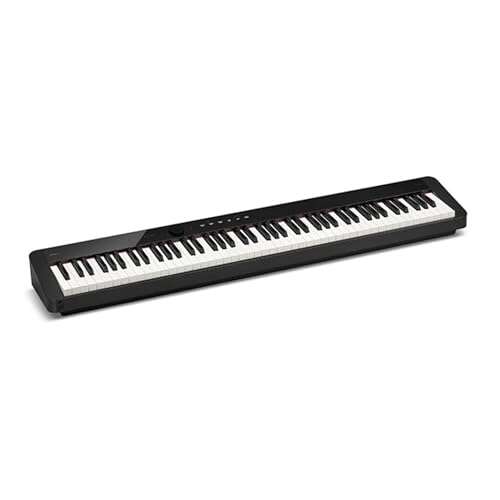
A player piano usually uses real strings, hammers, and an acoustic soundboard. A digital piano creates sound electronically, although some hybrid instruments combine digital technology with acoustic piano parts.
Do player pianos need tuning?
Yes, a player piano needs regular tuning because it is still an acoustic piano. Its automatic mechanism may also need separate cleaning, adjustment, lubrication, or repair.
Conclusion
A player piano is an acoustic piano with a system that can perform music automatically. Early models used perforated paper rolls and pneumatic controls, while modern versions use sensors, motors, computers, and digital music files.
The instrument can provide entertainment, support music education, preserve performances, and connect people with an important part of musical history. Still, its condition matters. A careful inspection, realistic repair budget, and steady maintenance plan are essential.
If you are exploring what is a player piano for your home, start by comparing vintage, reproducing, digital, and hybrid models. Listen to working examples, speak with a qualified piano technician, and choose the instrument that fits your space, budget, and musical goals.

Senior Music Reviewer
Alex Carter is a seasoned music reviewer with over a decade of experience in the world of sound and instruments. Passionate about helping musicians and enthusiasts make informed choices, he brings sharp insights and in-depth knowledge to every review. From classical instruments to modern gear, Alex combines technical expertise with a love for music to deliver content that resonates with readers.
As a Senior Music Reviewer and expert author on Tuneluma.com, Alex is dedicated to sharing honest evaluations, practical advice, and thoughtful commentary to guide readers in their musical journey.