When The Saints Go Marching In Piano: Easy 2026 Tutorial
Playing when the saints go marching in piano is a fun, beginner-friendly way to learn syncopation and basic chord progressions. Mastering this classic gospel hymn on the piano is a rite of passage for many musicians. Whether you are a total novice or looking to polish your technique, understanding how to approach this piece will elevate your playing significantly. Let’s dive into the mechanics and soul of this timeless tune together.
Understanding the Musical Foundation
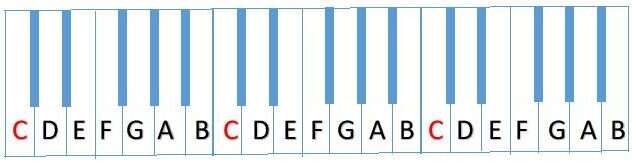
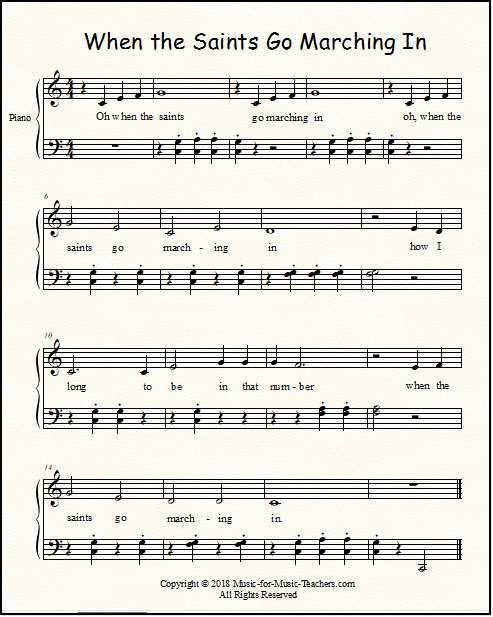
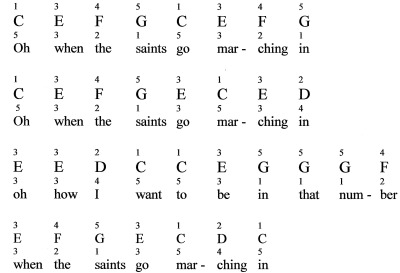
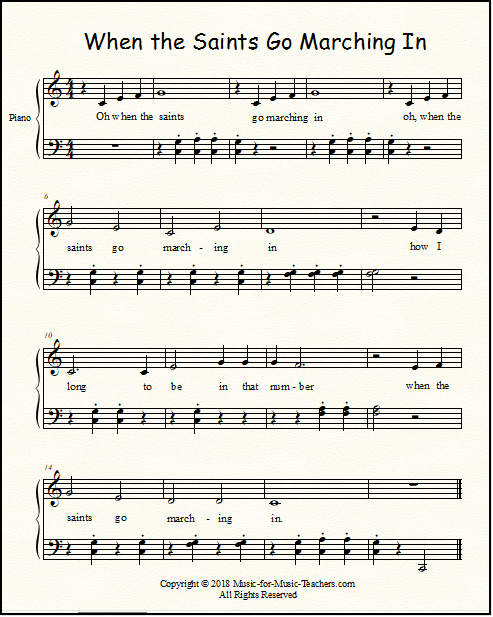
The magic of when the saints go marching in piano arrangements lies in the C major scale. This song is perfect for beginners because it sticks to white keys and relies on a simple I, IV, and V chord structure. When I first learned this song, I struggled with the timing, but I quickly realized that internalizing the rhythm is more important than memorizing the notes.
To play it well, you should start by mastering the melody with your right hand. Once you feel comfortable, add the left hand chords. In the key of C, you will primarily use the C major, F major, and G major chords. This basic structure allows you to focus on the feel of the song rather than complex hand movements.
Chord progression and voicings (I–IV–V)
The typical progression is I (C) → IV (F) → V (G). Use open voicings at first. Play root-position triads in the left hand. Later, move to first and second inversions. Inversions make shifts smoother. Try adding a simple bass note on beats 1 and 3. That gives a steady pulse and helps with timing.
Why the key of C works well
C major uses only white keys. That reduces visual clutter for beginners. It also makes learning chord shapes easier. If you want a different color, transpose up or down. A capo does not apply to piano, but choosing G or F major can fit different singing ranges. Louis Armstrong’s famous version is often arranged in different keys for band settings. Knowing C major gives you a solid base to adapt.
Practical Tips for Beginners
Many students approach the piano with too much tension, especially when learning rhythmic pieces. When you practice when the saints go marching in piano, keep your wrists loose and your fingers curved. If your hands feel stiff, stop for a moment, shake them out, and breathe before trying the passage again.
Here are a few steps to improve your practice sessions:
- Focus on the melody until you can hum it while playing.
- Use a metronome to ensure your timing remains steady throughout the song.
- Practice the left hand chords separately before combining them with the melody.
- Experiment with swing rhythms, as this style is common for this specific track.
- Record yourself playing to identify areas where your rhythm might be slipping.
Right-hand melody practice routine
Learn the melody in short phrases. I practice four-bar segments. Repeat each phrase slowly. Hum the line first, then play it. Use a click or metronome. Speed up only when the phrase is steady and clean. Gradually add small improvisations once the melody feels natural.
Left-hand patterns and bass options
Start with block chords. Then try an alternating bass pattern (root—fifth). This gives a marching feel. For more advanced students, practice a simple walking bass or stride pattern. Walking bass adds a jazz/band flavor and improves independence between hands.
Warm-ups and technical exercises
Before you play the song, warm up with C major scales, arpeggios, and a few chord inversions. Do short hand-stretch drills and finger independence exercises. These warm-ups reduce tension and improve control. A five-minute routine before practice often makes a big difference.
Why This Song Is Essential for Skill Building
I often suggest when the saints go marching in piano as an early milestone because it bridges the gap between simple melodies and chordal accompaniment. By learning this song, you gain experience in shifting hand positions while maintaining a constant tempo. This is an essential skill for playing almost any other genre of music on the piano.
Furthermore, this tune teaches you the concept of phrasing. Because it is a gospel-influenced piece, you are allowed to add your own flair through dynamics and tempo adjustments. Making the music your own is exactly what separates a good player from a truly expressive musician.
Phrasing, dynamics, and style
Phrasing makes the melody sing. Use louder and softer dynamics to shape lines. Leave small pauses for breath. Add grace notes or small fills in the right hand to sound like jazz or brass band players. A little rubato can add expression, but keep the basic pulse steady.
From gospel to jazz — stylistic directions
This song sits at the crossroads of gospel, jazz, and early blues. Try a straight hymn style first. Then add swing feel and syncopation for jazz. You can also arrange it for a brass-band vibe with bold chords and strong accents. Each style teaches different skills: timing, comping, and improvisation.
Frequently Asked Questions of when the saints go marching in piano
Is when the saints go marching in piano hard to learn?
This song is considered very beginner-friendly because it uses basic chords and a simple melodic structure. Most students can master a basic version of it within a few hours of focused practice.
What key is best for when the saints go marching in piano?
The key of C major is the most recommended because it uses only white keys on the piano. It provides a simple foundation that makes transitioning between chords easy for new players.
Should I use sheet music or chords for when the saints go marching in piano?
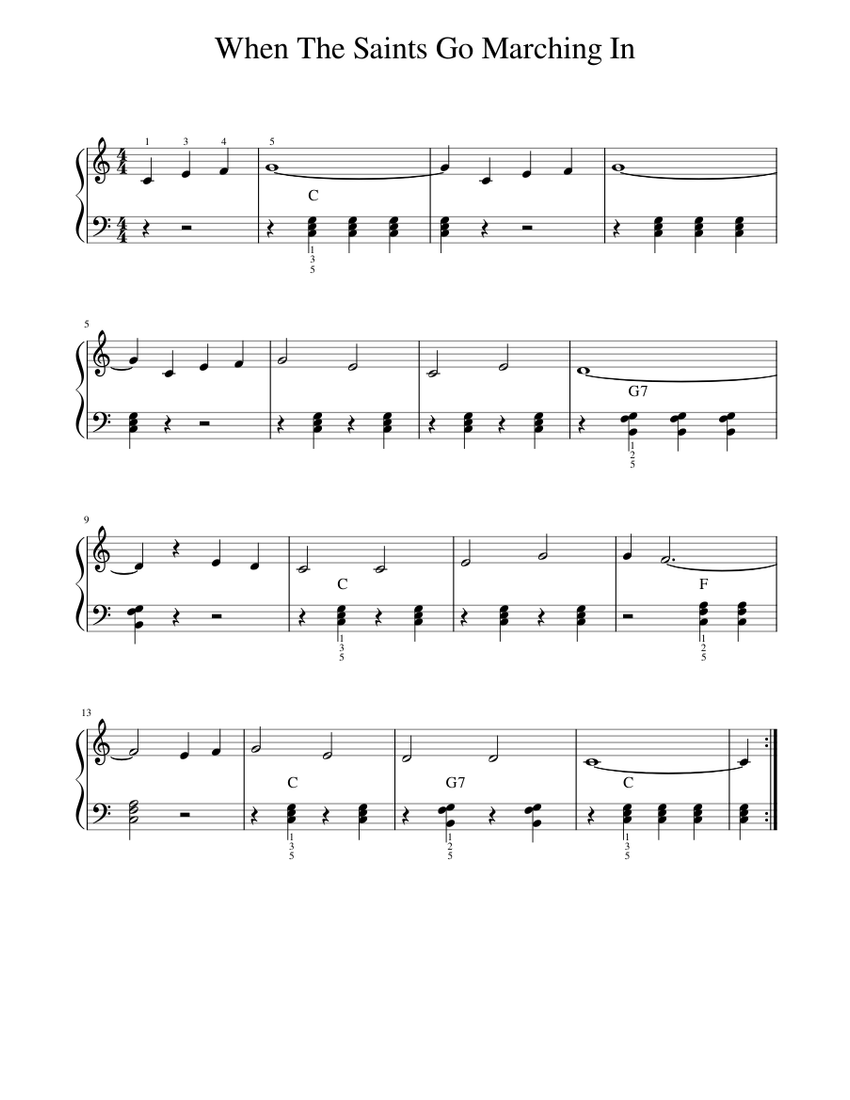
Using a lead sheet with both melody notes and chord symbols is the best way to learn this piece. It helps you understand how the melody interacts with the supporting harmony.
Can I play when the saints go marching in piano in a swing style?
Yes, playing with a swing feel is very common and adds a traditional jazz or brass band energy to the piece. Simply lengthen the first note of each pair of eighth notes to create that rhythmic bounce.
How do I make my version of when the saints go marching in piano sound professional?
Focus on your dynamic contrast and adding small improvisational flourishes in the right hand. Balancing your volume so the melody stands out over the chords will instantly make your playing sound more polished.
Common mistakes and quick fixes
Many beginners rush the left hand. Keep it steady and simple at first. Another mistake is overplaying fills. Less is often more. If timing is an issue, slow the tempo and use a metronome. Record and compare takes to track progress.
Recording and tracking progress
Use your phone or a simple audio recorder. Record short runs—one verse or chorus. Listen back to catch timing or balance issues. Make notes and set a small goal for the next session. Tracking helps you improve faster than random practice.
Conclusion
Embarking on your journey with when the saints go marching in piano is a fantastic way to build confidence and musicality. By focusing on steady rhythm, relaxed technique, and the standard chord structure, you can transform this simple hymn into an impressive performance piece. Remember that every great pianist started with these same fundamental steps, so stay patient and keep practicing. Take your favorite version of this song, sit down at the keys today, and let the music flow. If you found these tips helpful, consider sharing your progress or looking into more advanced jazz theory to keep your momentum going.

Senior Music Reviewer
Alex Carter is a seasoned music reviewer with over a decade of experience in the world of sound and instruments. Passionate about helping musicians and enthusiasts make informed choices, he brings sharp insights and in-depth knowledge to every review. From classical instruments to modern gear, Alex combines technical expertise with a love for music to deliver content that resonates with readers.
As a Senior Music Reviewer and expert author on Tuneluma.com, Alex is dedicated to sharing honest evaluations, practical advice, and thoughtful commentary to guide readers in their musical journey.