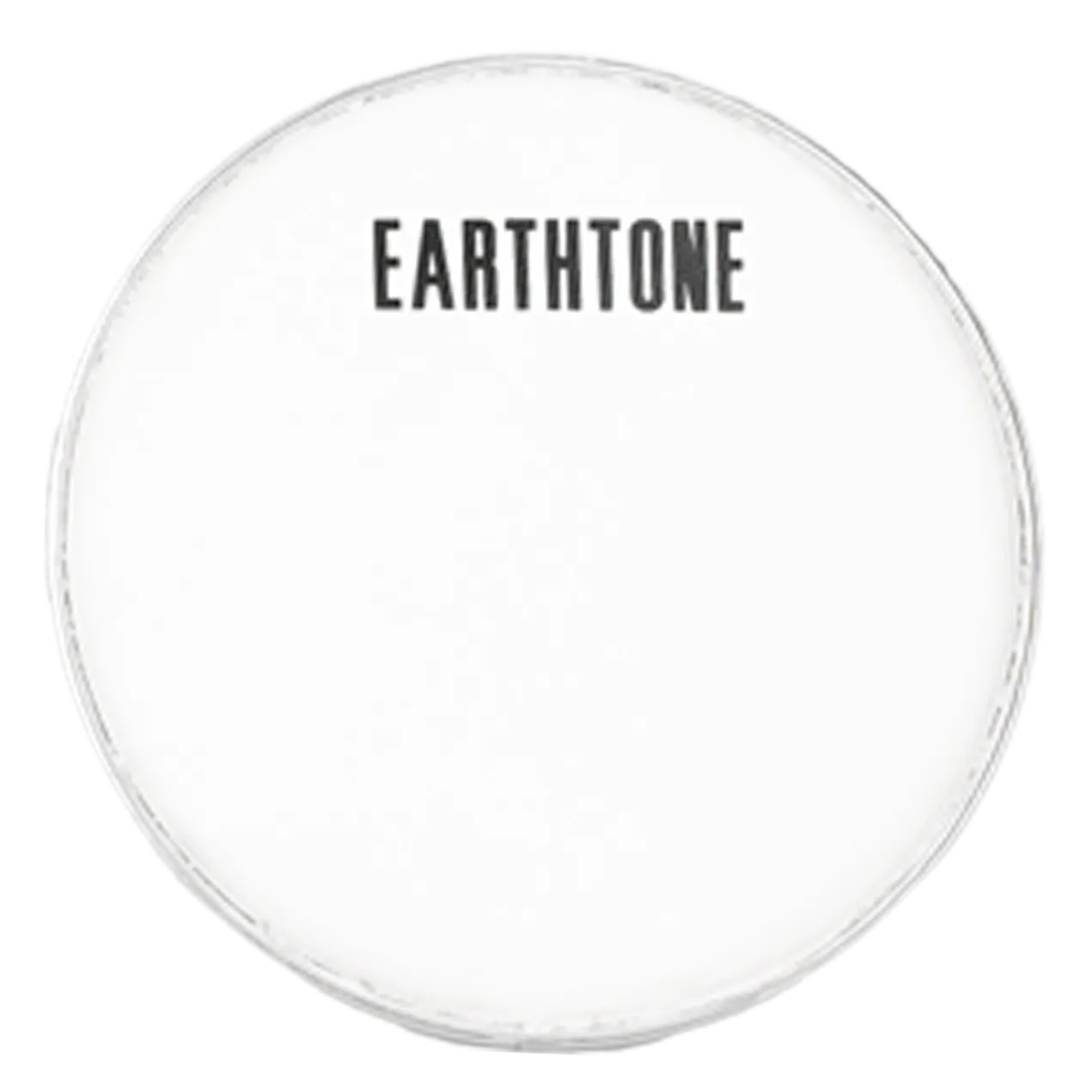
What Is A Drum Head: Complete Guide
A drum head is the stretched membrane on a drum that vibrates to create its sound.
If you have ever wondered what is a drum head, think of it as the drum’s voice. Its material, thickness, tension, and surface shape affect pitch, volume, tone, sustain, and feel. This guide explains the parts, types, uses, tuning methods, and care tips so you can choose and use drum heads with confidence.
What Is a Drum Head?
A drum head is a thin membrane stretched across one or both openings of a drum shell. When a drummer strikes it, the membrane moves back and forth. This movement pushes air inside and around the shell, creating sound.
Most modern drum heads use plastic film, often made from polyester. Older heads used animal skin, such as calfskin or goatskin. Natural skin heads are still used in some traditional, orchestral, and historical settings.
A drum head usually has three main parts:
• The playing surface is the area the stick, hand, or mallet hits.
• The collar is the curved edge where the film meets the hoop.
• The hoop, also called the flesh hoop, holds the film in its shape and helps secure it to the drum.
Some heads also include extra features. These may include a center dot, a coating, a second film layer, a muffling ring, or small vents.
So, what is a drum head in simple terms? It is the vibrating surface that turns a drum shell into a musical instrument.

How Does a Drum Head Make Sound?
A drum head works through vibration. When you strike it, the impact creates waves across the film. These waves move the air inside the shell and produce the sound you hear.
The shell adds support and color, but the drum head does much of the visible work. You can think of the shell as the body of a guitar and the head as the strings. Both matter, but the vibrating part has a major effect on the final voice.
Several factors shape the sound:
• Tension affects pitch. Higher tension gives a higher pitch, while lower tension creates a deeper sound.
• Thickness affects power and tone. Thin heads often respond quickly, while thick heads can sound fuller and last longer.
• Coating adds warmth and grip. It can also soften the attack.
• The number of layers changes strength, depth, and sustain.
• The size of the drum affects the range of possible pitches.
A drum head does not simply make a drum louder. It also controls how the drum responds under your hands. A jazz player may want a soft, open tone. A rock drummer may need strong attack and durability. The right head helps match the instrument to the player.
Types of Drum Heads
Drum heads come in many designs. Each type offers a different balance of tone, response, durability, and control.
Single ply drum heads
A single ply drum head uses one layer of film. It usually feels sensitive and lively.
Single ply heads are common on toms, snare drums, and jazz kits. They produce clear overtones and respond well to light playing. However, they may dent or break sooner when used with heavy sticks.
These heads work well when you want:
• Open sustain
• Fast response
• Bright attack
• Natural resonance
Two ply drum heads
A two ply drum head has two layers of film. This design adds strength and often reduces unwanted overtones.
Two ply heads are popular with rock, pop, metal, and other loud styles. They can handle stronger hits and produce a thicker sound. The trade-off is that they may feel less sensitive than a thin, single ply head.
They are useful when you need:
• More durability
• A focused tone
• Shorter sustain
• Better control at high volume
Clear drum heads
Clear heads have a smooth, transparent surface. They often produce bright attack, strong projection, and lively sustain.
Many players use clear heads on the batter side of toms. They can make toms sound open and powerful, especially when tuned well.
Coated drum heads
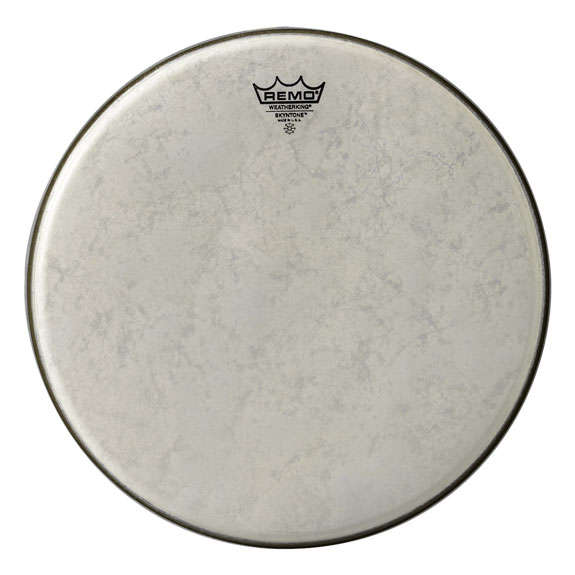
A coated drum head has a thin textured layer on its playing surface. This coating adds warmth and slightly reduces high overtones.
Coated heads are common on snare drums. They also work well on toms when a softer, more controlled sound is desired. Brush players often prefer coated heads because the surface allows the wires of a brush to create a smoother swish.
Pinstripe and dampened heads
Some heads include a printed ring, an internal ring, or another dampening feature. These designs reduce sustain and control high overtones.
They can help a drum sound deep and punchy with less extra ringing. Still, too much dampening can make a drum feel flat or lifeless. Start with a moderately controlled head before adding extra muffling.
Mesh drum heads
Mesh heads use woven material instead of solid plastic film. They are common on electronic drums and low volume practice kits.
They feel softer and make less acoustic noise. However, they do not create the same acoustic tone as a standard drum head. Their main purpose is quiet practice and electronic triggering.

Batter Heads and Resonant Heads
A batter head is the surface you strike. A resonant head is the opposite head that vibrates in response.
The batter head controls much of the attack and feel. The resonant head affects sustain, pitch, sensitivity, and projection. On a tom, both heads work together like two sides of one voice.
The top and bottom heads do not always need to match. For example:
• A thin batter head with a thin resonant head can create an open, lively tone.
• A thicker batter head with a thin resonant head can offer durability with strong resonance.
• A controlled batter head with a clear resonant head can produce a focused but musical sound.
Snare drums add another detail. The bottom head is usually thin and sensitive because it must respond to the snare wires. A thick snare side head may reduce sensitivity and make the drum feel dull.
When asking what is a drum head, it helps to know that “drum head” may mean either the playing head or the resonant head. The role depends on where it sits.
Drum Head Materials and Construction
Most modern drum heads use plastic film. Manufacturers may change the thickness, coating, or number of layers to create a specific response.
Common construction choices include:
• One thin film layer for sensitivity and openness
• Two film layers for strength and control
• A center reinforcement for extra attack and durability
• A coated surface for warmth and brush play
• An internal ring for reduced sustain
• A vented or specialty design for unusual tone effects
Natural skin heads respond differently from plastic heads. Their tone can be warm and rich, but humidity changes can affect their tension. A damp room may loosen the head, while dry air may tighten it.
Plastic heads are more stable in changing weather. That makes them easier for touring, teaching, rehearsal rooms, and most modern drum kits.
No design is perfect for every player. A strong head may last longer but feel less delicate. A thin head may sound beautiful but require more careful playing. The best choice depends on your style, tuning, touch, and budget.
How Drum Head Size Affects Sound
Drum head size refers to its diameter. A 10 inch tom head, for example, fits a drum with a matching shell diameter. You must measure carefully because even a small size mistake can prevent the head from seating correctly.
In general:
• Smaller heads tend to produce higher pitches and quick response.
• Larger heads tend to create lower pitches and deeper tones.
• A 14 inch head is common for many snare drums.
• Bass drum heads often range from about 18 to 24 inches.
Size alone does not determine pitch. Shell depth, shell wood, bearing edges, head type, and tuning also matter. A deep 12 inch tom can sound very different from a shallow 12 inch tom.
Before buying a replacement, check the drum’s actual diameter. Do not rely only on the old package or a guess. Measure across the shell or confirm the model with the manufacturer.
How to Tune a Drum Head
Good tuning can make an affordable drum sound far better. It also helps a premium head reach its full potential.
Follow these steps:
-
Remove the old head and clean the bearing edge.
-
Place the new head on the shell.
-
Set the hoop over the head and insert the tension rods.
-
Tighten each rod by hand until it touches the hoop.
-
Use a cross pattern to add small, equal turns.
-
Tap near each tension rod and listen for uneven pitch.
-
Adjust the rods until the head sounds even around the edge.
-
Bring the drum to the pitch and feel you want.
Do not crank one rod several turns while leaving the others loose. Uneven tension can create wrinkles, poor tone, and stress on the hoop.
A new drum head may need a short settling period. Press gently in the center to help seat it, then retune. Avoid excessive force, especially on thin heads.
In hands-on drum setup, one common mistake is tuning from the center of the head only. The edge is just as important. Tap about one inch from each tension rod and compare the notes. Small adjustments can transform the drum.
When Should You Replace a Drum Head?
A drum head does not have one fixed lifespan. Playing style, stick choice, practice time, and head type all affect wear.
Replace a head when you notice:
• Deep dents
• Cracks or tears
• Wrinkles that remain after tuning
• A dull or weak response
• Uneven pitch around the edge
• A sudden loss of sustain
• A head that will not hold tension
You may also replace a head when you want a new sound. A head can be worn without looking broken. Repeated impact slowly stretches the film, and the drum may lose its original energy.
Many drummers replace batter heads more often than resonant heads. The batter head takes direct impact, while the resonant head usually lasts longer. Still, old resonant heads can make a drum sound flat and hard to tune.
A practical rule is to listen before you look. If the drum no longer responds well after careful tuning, the head may be the problem.

How to Choose the Right Drum Head
Start with the sound and feel you want. Do not choose a head only because another drummer uses it.
Consider these factors:
• Playing style: Light jazz playing may favor a thin head, while loud rock may require a durable two ply model.
• Drum type: Snare, tom, bass drum, and concert drums each need specific head designs.
• Desired tone: Choose clear heads for brightness and coated heads for warmth.
• Sustain: Open heads ring longer, while dampened heads sound shorter and more focused.
• Touch: Thin heads respond easily to soft strokes.
• Budget: A durable head may cost more at first but last longer.
For a balanced starting point, many players use a coated single ply head on the snare, clear or coated heads on toms, and a specialized bass drum head. This is not a strict rule. It is simply a useful starting point for many styles.
Try changing one variable at a time. If you change the batter head, resonant head, tuning, and muffling all at once, you may not know what caused the difference.
Common Drum Head Problems
Even a good drum head can sound poor when the setup is wrong.
The drum sounds too bright
Try a coated head, a two ply head, or a small amount of muffling. Also check whether the head is tuned too high.
The drum sounds dull
The head may be too old, too loose, or over damped. Remove excess muffling and check the tension around the edge.
The drum will not stay in tune
Inspect the tension rods, washers, hoop, and bearing edge. A bent hoop or damaged edge can prevent even tension.
The head has dents
Heavy hitting in one spot causes dents. Use proper technique and choose a stronger head if the problem continues.
The snare has too many unwanted overtones
Check the tuning of both heads first. A coated or controlled batter head may help, but muffling should be a later step.
From practical drum maintenance, the biggest lesson is simple: do not blame the head before checking the tuning. A well made head can sound poor when the tension is uneven.

Drum Head Care Tips
Proper care can extend the life of your drum heads and keep your kit sounding consistent.
• Keep sticks in good condition. Sharp tips and damaged wood can harm the playing surface.
• Avoid striking metal rims unless the technique calls for it.
• Store drums away from extreme heat and moisture.
• Wipe coated heads with a soft, dry cloth.
• Do not use harsh cleaners or solvents.
• Check tension before important performances.
• Keep spare heads in a flat, protected case.
• Rotate practice surfaces if you play for many hours each day.
Do not leave a drum head under extreme tension for long periods without reason. Normal tuning is safe, but severe over-tightening can damage the film or hardware.
Bass drum heads may need special care around the beater area. A patch can reduce wear and improve attack. Use a patch that matches your playing style and beater type.

Why Drum Heads Matter to Drummers
A drum head is more than a replaceable part. It is one of the easiest ways to change the personality of a drum.
A new head can make an old kit feel fresh. It can improve response, increase tuning range, and help a drummer play with less effort. The change may be subtle on one drum and dramatic on another.
Drum heads also influence recording. Engineers often adjust heads and tuning before using microphones because the source sound matters more than correction later. A well tuned drum usually needs less equalization and less artificial processing.
That does not mean expensive heads guarantee a great sound. Technique, tuning, room acoustics, shell condition, and microphone placement all play a role. A drum head is an important piece of the system, not a magic fix.
Frequently Asked Questions About What Is a Drum Head
What is a drum head made of?
Most modern drum heads are made from polyester plastic film. Some use one layer, while others use two layers, coatings, reinforcement dots, or dampening rings.
What does a drum head do?
A drum head vibrates when struck and creates the drum’s sound. Its tension, thickness, material, and design affect pitch, tone, volume, sustain, and response.
How often should you replace a drum head?
Replace a drum head when it has dents, cracks, poor response, or trouble holding tension. Heavy players may replace batter heads often, while resonant heads can last much longer.
Are coated or clear drum heads better?
Neither is always better. Coated heads usually sound warmer and work well for brush playing, while clear heads often provide bright attack and lively sustain.
Can you use any drum head on any drum?
No. The head must match the drum’s diameter and type. A snare side head, tom head, and bass drum head have different designs and should not be treated as interchangeable.
Why does my new drum head sound bad?
The head may need time to settle, or the tension may be uneven. Check the bearing edge, tune in a cross pattern, and listen near each tension rod before adding muffling.
Conclusion
A drum head is the vibrating membrane that gives a drum its voice. Its design controls much of the instrument’s tone, pitch, sustain, attack, sensitivity, and durability. Single ply, two ply, coated, clear, dampened, natural skin, and mesh heads each serve different needs.
The best results come from matching the head to your drum, music, touch, and tuning goals. Start with careful measurement, even tension, and small changes. Try a new head on one drum, listen closely, and use what you learn to shape the rest of your kit. Explore more drum care and tuning guides, and share your favorite drum head setup in the comments.

Senior Music Reviewer
Alex Carter is a seasoned music reviewer with over a decade of experience in the world of sound and instruments. Passionate about helping musicians and enthusiasts make informed choices, he brings sharp insights and in-depth knowledge to every review. From classical instruments to modern gear, Alex combines technical expertise with a love for music to deliver content that resonates with readers.
As a Senior Music Reviewer and expert author on Tuneluma.com, Alex is dedicated to sharing honest evaluations, practical advice, and thoughtful commentary to guide readers in their musical journey.