What Is A Drum Kit: Beginner’s Guide To Parts & Setup
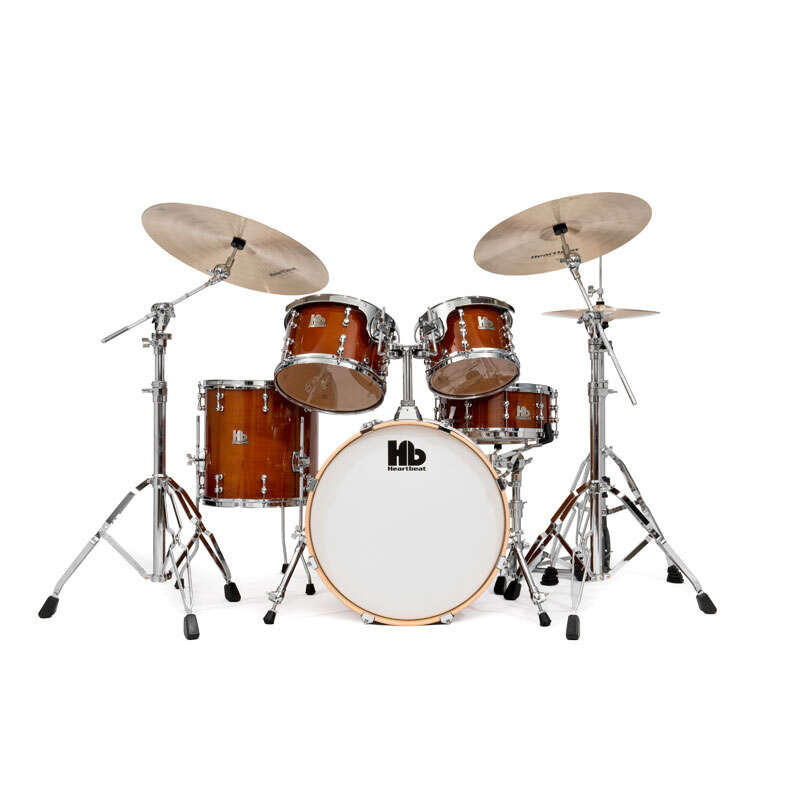
A drum kit is a set of drums and cymbals a single player uses to make rhythm and beats.
I’ve spent years playing, teaching, and repairing drums, so I’ll walk you through what is a drum kit with clear, practical insight. This guide explains parts, types, setup, sound basics, buying tips, care, and common mistakes so you can understand, choose, or play a drum kit confidently.
Components of a drum kit
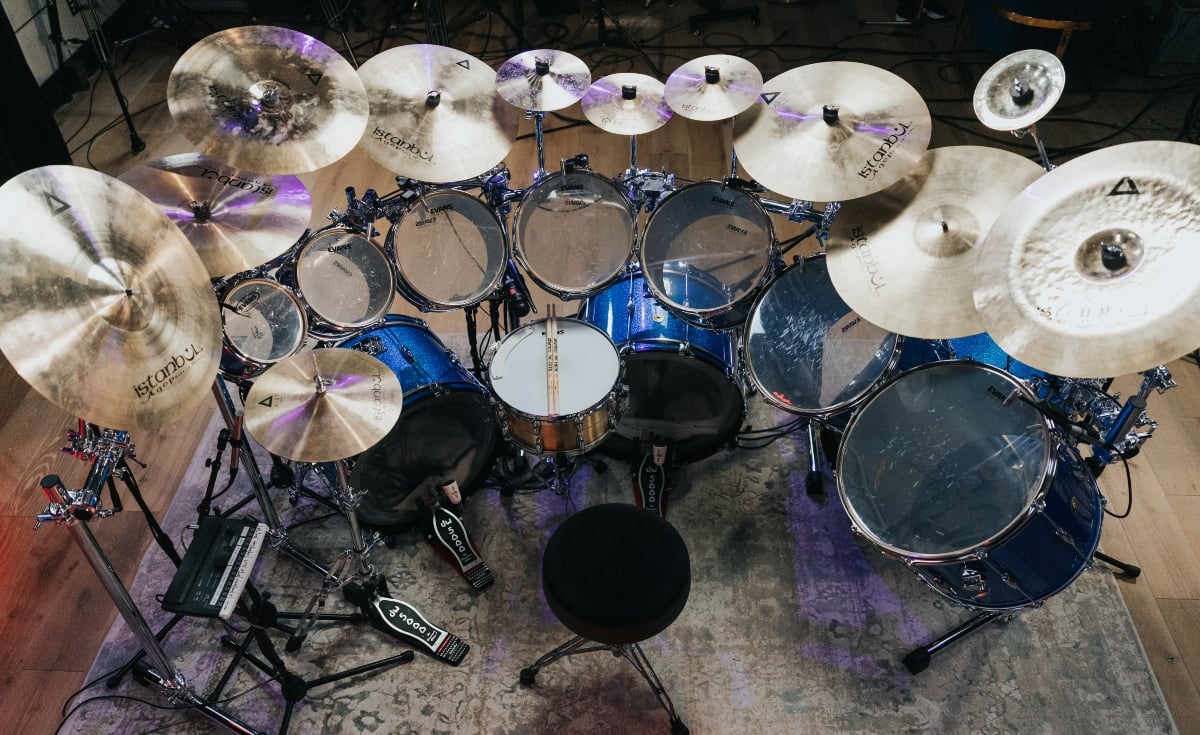
A drum kit is a collection of percussive instruments arranged for one player. The core parts are drums, cymbals, hardware, and pedals. Knowing each part helps you tune, play, and maintain a kit correctly.
Common parts include:
- Bass drum: the low, thumping heartbeat of the kit.
- Snare drum: the sharp, cracking center for backbeats and accents.
- Toms: mounted and floor drums that fill melodic and rhythmic gaps.
- Hi-hat: two cymbals struck together or with a stick for timekeeping.
- Ride and crash cymbals: used for steady patterns and accents.
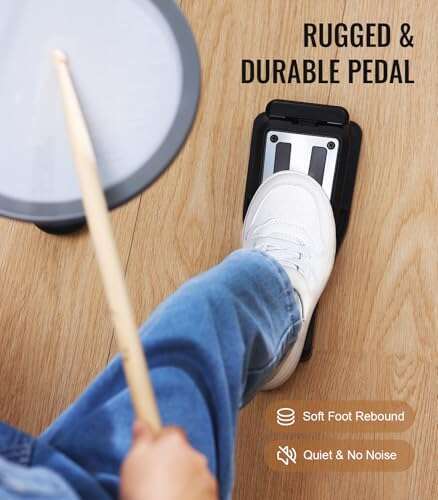
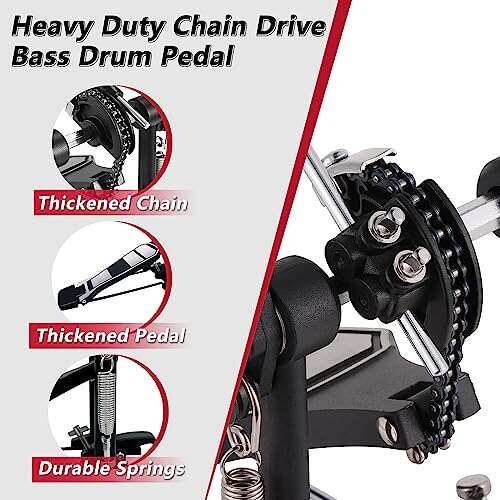
- Hardware: stands, pedals, mounts, and throne that hold everything steady.
Understanding what is a drum kit means recognizing how these parts work together to create groove and dynamics. My experience shows that beginners who learn component names advance much faster. Practical tip: label parts on a new kit to speed up learning.

Types of drum kits
There are several drum kit types tailored to style, space, and budget. Each type answers different player needs.
Main types:
- Acoustic drum kits: traditional wood or metal shells for live and studio sound.
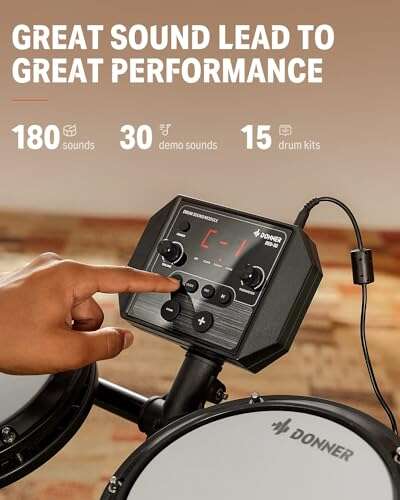
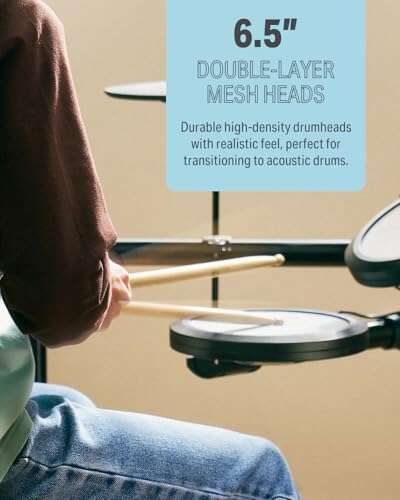
- Electronic drum kits: trigger pads and modules for quiet practice and sound options.
- Hybrid kits: combine acoustic drums with electronic triggers and samples.
- Jazz kits: smaller sizes and cymbals tuned for a lighter touch.
- Rock/pop kits: larger drums and heavier cymbals for volume and attack.
When people ask what is a drum kit for a specific genre, the answer depends on sound and context. For example, a jazz kit favors smaller toms and a tighter snare. If you need space or silent practice, an electronic kit is often the best choice.

How a drum kit works
A drum kit produces sound when sticks, hands, or pedals strike drums and cymbals. Vibration of the drumhead and shell creates tone and sustain. Cymbals vibrate differently, giving bright, cutting sounds.
Key principles:
- Attack: initial hit that shapes rhythm feel.
- Sustain: how long a sound rings; controlled by damping and tuning.
- Dynamics: varying touch creates loud and soft textures.
PAA-style questions
How does tuning affect a drum kit?
Tuning changes pitch and resonance. Tight heads give higher pitch and less sustain; loose heads give lower pitch and more boom.
Can one person play all parts of a drum kit?
Yes. A single player coordinates hands and feet to play bass, snare, toms, and cymbals. It’s about limb independence and practice.
What is a drum kit in sonic terms? It’s a multi-voice percussion instrument where each piece occupies its own frequency range. Learning how each part interacts helps you craft groove and arrangement in a song.

Choosing your first drum kit
Choosing a kit starts with your goals, budget, and space. Think about where you’ll play, the style you want, and whether you need quiet practice.
Buying checklist:
- Acoustic or electronic: choose acoustic for feel and tone, electronic for quiet and versatility.
- Size and configuration: starter kits often include bass, snare, two toms, and one floor tom.
- Hardware quality: sturdy stands and pedals improve playability and reliability.
- Cymbal packs: starter cymbals can be upgraded later for tone improvement.
From personal experience, beginners benefit from a solid used acoustic kit or a midrange electronic kit. Don’t overspend on extras; prioritize a good snare and reliable hardware.
Maintenance and care
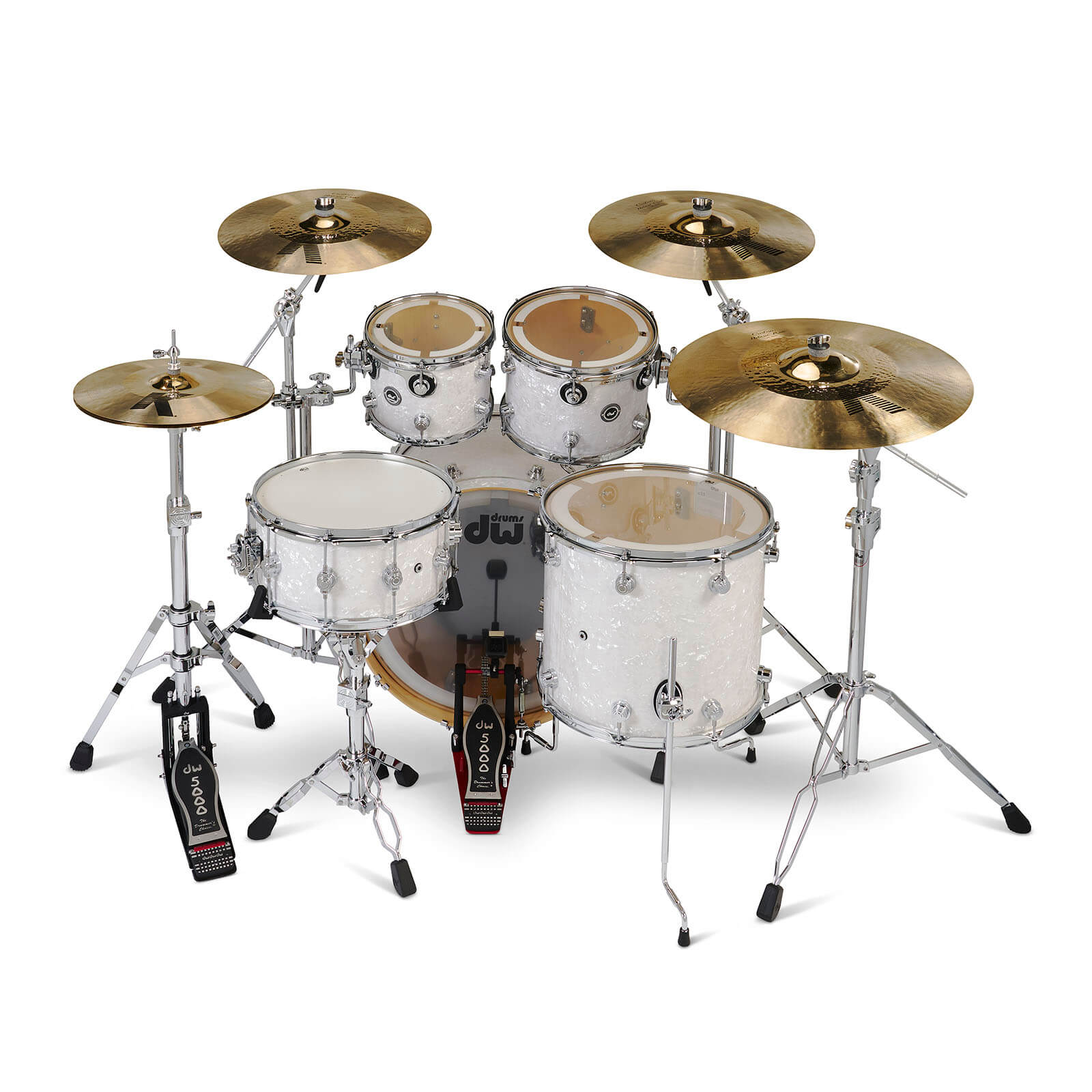
Caring for a kit extends its life and keeps it sounding great. Regular checks and simple routines prevent many problems.
Basic maintenance steps:
- Tune heads regularly and replace worn heads every year or when damaged.
- Tighten screws and check pedal springs to avoid failures during practice.
- Clean cymbals with a soft cloth and follow manufacturer guidance for polishing.
- Store kits in a dry, moderate-temperature area to prevent shell damage.
I once ignored a loose lug and it caused uneven tuning for months. Lesson learned: small checks before each session save time and money.
Common mistakes and tips
New players and buyers often make predictable errors. Avoid these to save money and fast-track progress.
Frequent mistakes:
- Buying the cheapest kit without checking hardware stability.
- Ignoring ergonomics; seat height and drum angles matter for comfort and speed.
- Overlooking cymbal quality; cheap cymbals can muddy your sound.
- Neglecting practice on limb independence and groove basics.
Helpful tips:
- Invest in a good snare and a comfortable throne first.
- Record yourself to hear timing and balance issues.
- Learn basic tuning; it changes your tone dramatically.
Understanding what is a drum kit also includes learning what not to do. My tip: practice with a metronome daily for steady improvement.

Frequently Asked Questions of what is a drum kit
What is a drum kit made of?
A drum kit is made of drum shells, heads, cymbals, and metal hardware. Shells are usually wood or metal, and heads are plastic films stretched over the shells.
Do I need lessons to learn a drum kit?
Lessons help speed progress and build good technique. Many players also learn from videos and practice, but a teacher can fix bad habits early.
How much does a basic drum kit cost?
Basic kits range widely from budget to high-end. Expect to pay more for better shells, hardware, and cymbals; used kits can offer value.
Can an electronic drum kit replace an acoustic kit?
Electronic kits offer quiet practice and sound variety but feel different than acoustic kits. Many drummers use hybrid setups to get the best of both worlds.
How long will a drum kit last?
With proper care, a drum kit can last decades, though heads and cymbals need periodic replacement. Hardware may need occasional parts or adjustments.
Is a drum kit loud for apartment living?
Acoustic kits are loud and may disturb neighbors without soundproofing. Electronic kits with headphones are ideal for apartments.
What is the easiest drum kit to maintain?
Electronic kits require less tuning and are easier to maintain, while acoustic kits need regular head changes and tuning. Choose based on how much upkeep you can handle.
Conclusion
Whether you want to play for fun, join a band, or record, knowing what is a drum kit helps you make smart choices. Focus on core parts, pick the right type for your needs, and practice fundamentals like timing and coordination. Take action: try different kits in person, start with a modest budget, and build from a solid snare and good hardware. If this guide helped, leave a comment or subscribe to follow more hands-on tips and lessons.

Senior Music Reviewer
Alex Carter is a seasoned music reviewer with over a decade of experience in the world of sound and instruments. Passionate about helping musicians and enthusiasts make informed choices, he brings sharp insights and in-depth knowledge to every review. From classical instruments to modern gear, Alex combines technical expertise with a love for music to deliver content that resonates with readers.
As a Senior Music Reviewer and expert author on Tuneluma.com, Alex is dedicated to sharing honest evaluations, practical advice, and thoughtful commentary to guide readers in their musical journey.