How Often Should A Piano Be Tuned: The Ideal Tuning Schedule
Most pianos should be tuned twice a year, but climate, use, and piano age can change that schedule.
Knowing how often should a piano be tuned helps protect its sound, value, and playing feel. A piano is not a set-it-and-forget-it instrument. Its many strings respond to heat, humidity, movement, and regular playing. This guide explains the best tuning schedule, warning signs, costs, and simple ways to keep your piano in tune.
How Often Should a Piano Be Tuned?
For most homes, a piano should be tuned at least twice a year. A spring tuning and a fall tuning work well because indoor temperature and humidity often shift during these seasons.
If the piano is new, heavily used, moved often, or kept in an unstable room, it may need tuning more often. In some cases, a technician may suggest tuning every three to four months.
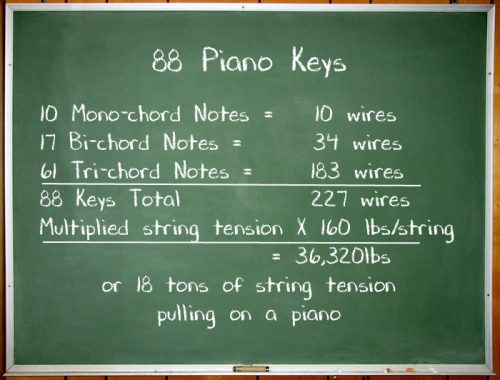
A piano has more than 200 strings under high tension. Each string pulls on the frame and bridge. When the room changes, the wood and felt parts expand or shrink. This changes string tension and affects pitch.
A simple guide looks like this:
• Home piano used a few times a week: Tune twice a year.
• Piano used daily: Tune every three to four months.
• Piano used for lessons or frequent practice: Tune three or four times a year.
• Concert, church, studio, or school piano: Tune before important events and on a regular maintenance plan.
• New or recently rebuilt piano: Tune three or four times during the first year.
• Piano that has been moved: Tune after it settles, often within two to four weeks.
The answer to how often should a piano be tuned is not the same for every instrument. Twice a year is a strong starting point, but the piano’s use and environment matter just as much.
Why Pianos Go Out of Tune
Pianos go out of tune because their strings slowly lose or gain tension. Even when a piano is not played, its pitch can change as the soundboard and other wooden parts respond to the room.
Humidity is one of the main causes. Moist air can make the wooden soundboard swell. Dry air can make it shrink. Since the soundboard helps hold the strings, these changes can move the piano’s pitch.
Temperature also matters, but humidity usually has a stronger effect. A piano near a heater, air conditioner, fireplace, window, or exterior door may change pitch faster than one in a stable room.
Playing also affects tuning. Hard playing creates small shifts in string tension. This is normal. It does not mean the piano is damaged, but it does mean the piano needs regular care.
Other causes include:
• Moving the piano across a room or to a new home.
• Loose tuning pins.
• Worn strings or damaged bridges.
• Changes in the soundboard.
• Poor room conditions.
• Long periods without maintenance.
Many owners ask how often should a piano be tuned when the instrument sounds acceptable. The answer is still regular tuning. A piano can drift out of tune slowly, so your ears may adjust without noticing the change.

Signs Your Piano Needs Tuning
The clearest sign is a sour or uneven sound. Chords may feel tense, and notes that should blend may seem to fight each other.
You may also notice that one note sounds like it has two voices. This beating sound happens when strings in the same note are slightly out of tune with each other.
Look for these common signs:
• Chords sound harsh or muddy.
• Octaves do not sound smooth.
• Notes seem too high or too low.
• A song sounds wrong even when you play the correct keys.
• The piano sounds different from another piano.
• Your piano has not been tuned in the past six months.
• A tuner notices that the pitch is far below standard.
Do not rely only on whether you like the sound. Regular players often become used to a piano’s pitch drift. A trained piano technician can check the instrument against standard concert pitch, usually A4 at 440 hertz.
If your piano is far below standard pitch, one tuning may not be enough. The strings may need a pitch raise first. After that, the technician can complete a fine tuning.
A useful lesson from many piano maintenance visits is this: waiting until the piano sounds “terrible” often costs more than keeping it on schedule. Small corrections are usually easier than large repairs.

How Piano Use Changes the Tuning Schedule
The more a piano is played, the more often it may need tuning. A child practicing scales for an hour each day puts more stress on the instrument than a family playing a few songs on weekends.
However, use is only part of the answer. A lightly used piano in a damp basement may go out of tune faster than a frequently played piano in a stable living room.
Use this guide to estimate how often should a piano be tuned based on playing habits:
Occasional home use
Tune the piano about twice a year. This schedule keeps the instrument pleasant for casual playing and helps prevent long-term pitch drift.
Daily practice
Tune every three to four months. This is a good plan for serious students, teachers, and adult players who practice most days.
Professional or performance use
Tune before performances, recordings, auditions, and major lessons. Many professional pianists also use a regular monthly or six-week schedule.
School, church, and studio use
These pianos may need frequent tuning because many players use them. Heavy use, room size, and performance demands all affect the schedule.
Piano that is rarely played
A rarely played piano still needs tuning. Lack of use does not stop changes in wood, strings, and pitch. In many homes, twice a year remains a sensible schedule.
How Climate and Room Conditions Affect Tuning
A stable room can help a piano stay in tune longer. The goal is not perfect climate control. The goal is to avoid sharp and sudden changes.
Most pianos do well in a room with moderate temperature and humidity. Many technicians recommend keeping indoor humidity around 40% to 50%, although the best range can vary by home and region.
A small digital hygrometer can show the room’s humidity. This inexpensive tool can reveal why a piano keeps drifting out of tune.
Protect the piano by following these steps:
• Keep it away from heat vents and radiators.
• Avoid placing it beside a fireplace.
• Do not put it in direct sunlight.
• Keep it away from drafty doors and windows.
• Use a humidifier or dehumidifier when needed.
• Do not place drinks, plants, or wet items on the piano.
• Ask a technician about a piano-specific humidity control system in extreme climates.
Homes in dry winter regions may need more frequent tuning than homes with mild, stable weather. Coastal areas can also create problems when humidity stays high.
When people ask how often should a piano be tuned, climate is one of the most important details to share with a technician. A local piano professional can recommend a schedule based on regional conditions.

New Pianos Need Extra Tuning
A new piano often needs more tuning than an older, settled instrument. New strings stretch, and the soundboard adjusts to its environment.
During the first year, a new piano may need three or four tunings. Some manufacturers and dealers recommend this schedule as part of the break-in period.
A newly purchased used piano may also need extra attention. It could have spent years without proper care or may have traveled through several climates before reaching your home.
After delivery, let the piano adjust to the room before tuning it. Two to four weeks is common, but the exact time depends on the move and local conditions.
Do not skip the first tuning because the piano is new. New does not mean stable. In fact, a new piano can change pitch faster than a mature one.
Tuning After Moving a Piano
A piano should be tuned after it is moved, even if the move is short. Lifting, rolling, vibration, and changes in room conditions can affect the strings and structure.
For a local move, wait about two to four weeks before scheduling the tuning. This gives the piano time to settle into its new space.
For a long-distance move, the piano may need more time. A technician can inspect it and decide whether it needs immediate tuning, a pitch correction, or additional regulation work.
Moving a piano is also a good time to check for:
• Loose or damaged legs.
• Cracks in the cabinet.
• Sticking keys.
• Changes in the pedals.
• Problems with the music desk.
• New rattles or buzzing sounds.
A piano that is moved often may need tuning each time. This is especially true for instruments used at events, schools, churches, or music venues.

What Happens During a Piano Tuning?
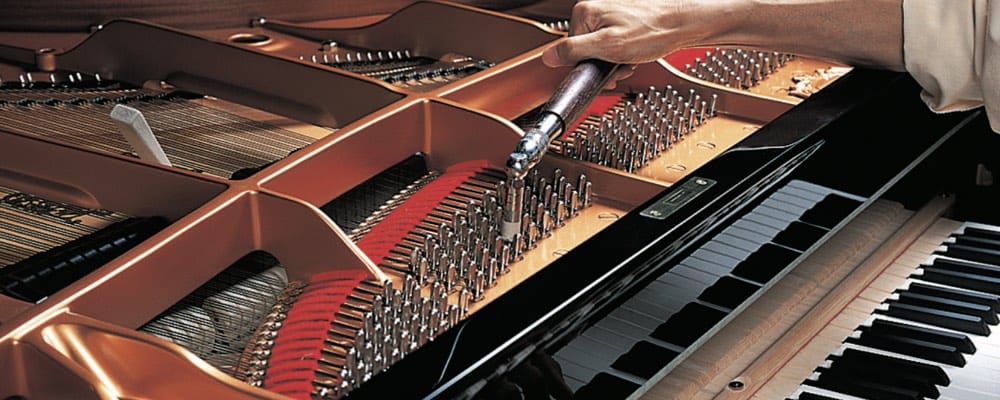
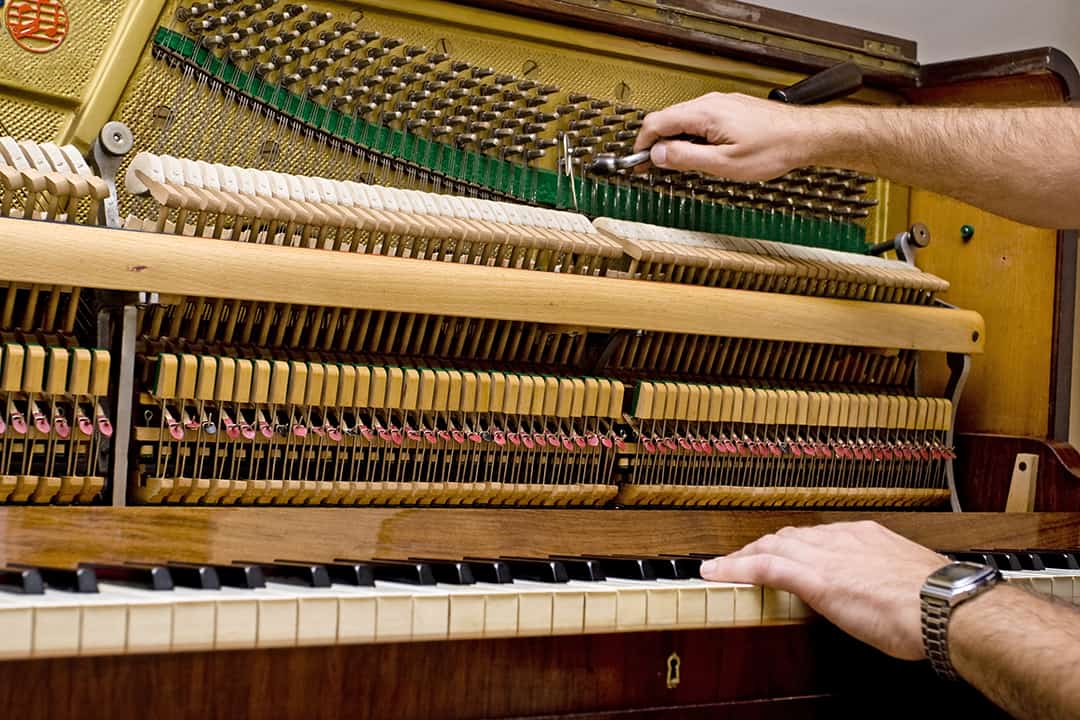
A standard tuning adjusts the tension of the strings so the notes have the correct relationship to one another. The technician uses a tuning lever, mutes, and careful listening.
The process often includes:
-
Inspecting the piano and checking its general condition.
-
Testing the current pitch against a standard reference.
-
Adjusting the temperament, which sets the basic pattern of the scale.
-
Tuning octaves, unisons, and individual notes.
-
Checking the pedals and listening for unwanted noise.
-
Discussing repairs or maintenance needs with the owner.
Tuning is different from repair and regulation. Tuning corrects pitch. Regulation adjusts the action so the keys and hammers respond properly. Voicing changes the tone and balance of the sound.
A piano may be in tune but still feel stiff or uneven. In that case, it may need regulation or voicing rather than another tuning.
The price of a tuning varies by location, piano condition, technician experience, and the amount of work required. A basic tuning is usually less costly than a pitch raise, deep cleaning, regulation, or repair.
Ask for a clear estimate before work begins. Also ask whether the quoted price includes a pitch assessment and minor adjustments.

How to Keep a Piano in Tune Longer
Good habits can reduce pitch changes, although they cannot replace professional tuning.
Keep the piano in a stable room. Sudden changes are harder on the instrument than normal seasonal changes. A hygrometer can help you spot problems before they become costly.
Play the piano with normal care. Avoid slamming the fallboard, placing heavy objects on the lid, or leaning on the keys.
Schedule tuning before important events. If you plan a recital, holiday gathering, recording session, or house sale, book the appointment early. Technicians can become busy during peak seasons.
Keep a written maintenance record. Note the date of each tuning, the pitch condition, repairs, and changes in the room. This helps you and your technician create a better schedule.
One practical mistake to avoid is waiting for a special event before calling. During busy times, the best technicians may be booked weeks ahead. Regular care gives you better sound and more scheduling options.
Is Professional Piano Tuning Worth It?
Professional tuning is worth the cost for most acoustic pianos. A skilled technician can hear small pitch problems, identify mechanical issues, and prevent minor concerns from becoming major repairs.
Electronic tuning tools are useful, but they do not replace trained judgment. A technician must account for stretch, string tension, temperament, unisons, and the unique sound of the instrument.
Tuning apps can help you check whether a note is close to pitch. They are not a reliable substitute for full piano service. An acoustic piano has many strings and complex relationships that a simple app cannot manage well.
Regular tuning also improves the playing experience. Students hear correct intervals. Teachers can demonstrate music accurately. Families are more likely to enjoy an instrument that sounds warm and balanced.
If your budget is limited, tell the technician. They may help you prioritize essential tuning and delay optional services without ignoring serious problems.
A Simple Piano Tuning Schedule
Use this schedule as a starting point:
• New piano: Three or four times during the first year.
• Established home piano: Twice a year.
• Daily-use piano: Every three to four months.
• Performance piano: Before events, plus regular professional service.
• Piano in an unstable climate: Every two to four months, based on pitch changes.
• Recently moved piano: Once it settles, usually within two to four weeks.
• Piano unused for several years: Have it inspected before regular tuning.
This schedule answers how often should a piano be tuned for most owners, but your technician may adjust it after checking the instrument.
It is also wise to separate tuning from larger maintenance. A piano can require tuning twice a year and regulation every few years. Older instruments may need repairs that are unrelated to pitch.
Frequently Asked Questions About How Often Should a Piano Be Tuned
How often should a piano be tuned if it is rarely played?
A rarely played piano should usually be tuned twice a year. Humidity, temperature, and wood movement affect pitch even when no one plays the instrument.
Can a piano go a year without being tuned?
It can, but the pitch may drift far enough to require extra work. Waiting a year or longer can also make the piano sound less pleasant and may increase the cost of restoring normal pitch.
Should I tune my piano before or after moving it?
Tune it after the piano has settled in its new room. For many local moves, two to four weeks is enough, but a technician can advise you based on the distance and climate change.
How do I know if my piano needs tuning?
Listen for sour chords, beating strings, uneven octaves, or notes that sound too high or low. If the piano has not been tuned in six months, it is also reasonable to schedule a professional check.
Does a new piano need more frequent tuning?
Yes. New strings and wooden parts often settle during the first year. Three or four tunings during that period can help the piano stabilize.
Can humidity make a piano go out of tune?
Yes. Changes in humidity cause the soundboard and other wooden parts to expand or shrink. This changes string tension and can move the piano’s pitch.
How long does a piano tuning take?
A routine tuning often takes about one to two hours. A piano that is badly out of tune, damaged, or far below standard pitch may need more time.
Conclusion
Most acoustic pianos should be tuned twice a year, while new, heavily used, moved, or climate-sensitive pianos may need more frequent care. Stable humidity, careful placement, and regular professional checks can help protect the instrument.
Do not wait until every chord sounds harsh. Choose a schedule that fits your piano, mark the next tuning on your calendar, and ask a qualified local technician for a condition check. Your piano will sound better, feel better, and give you more music for years to come.

Senior Music Reviewer
Alex Carter is a seasoned music reviewer with over a decade of experience in the world of sound and instruments. Passionate about helping musicians and enthusiasts make informed choices, he brings sharp insights and in-depth knowledge to every review. From classical instruments to modern gear, Alex combines technical expertise with a love for music to deliver content that resonates with readers.
As a Senior Music Reviewer and expert author on Tuneluma.com, Alex is dedicated to sharing honest evaluations, practical advice, and thoughtful commentary to guide readers in their musical journey.