How Much Do Piano Lessons Cost: 2026 Pricing Guide
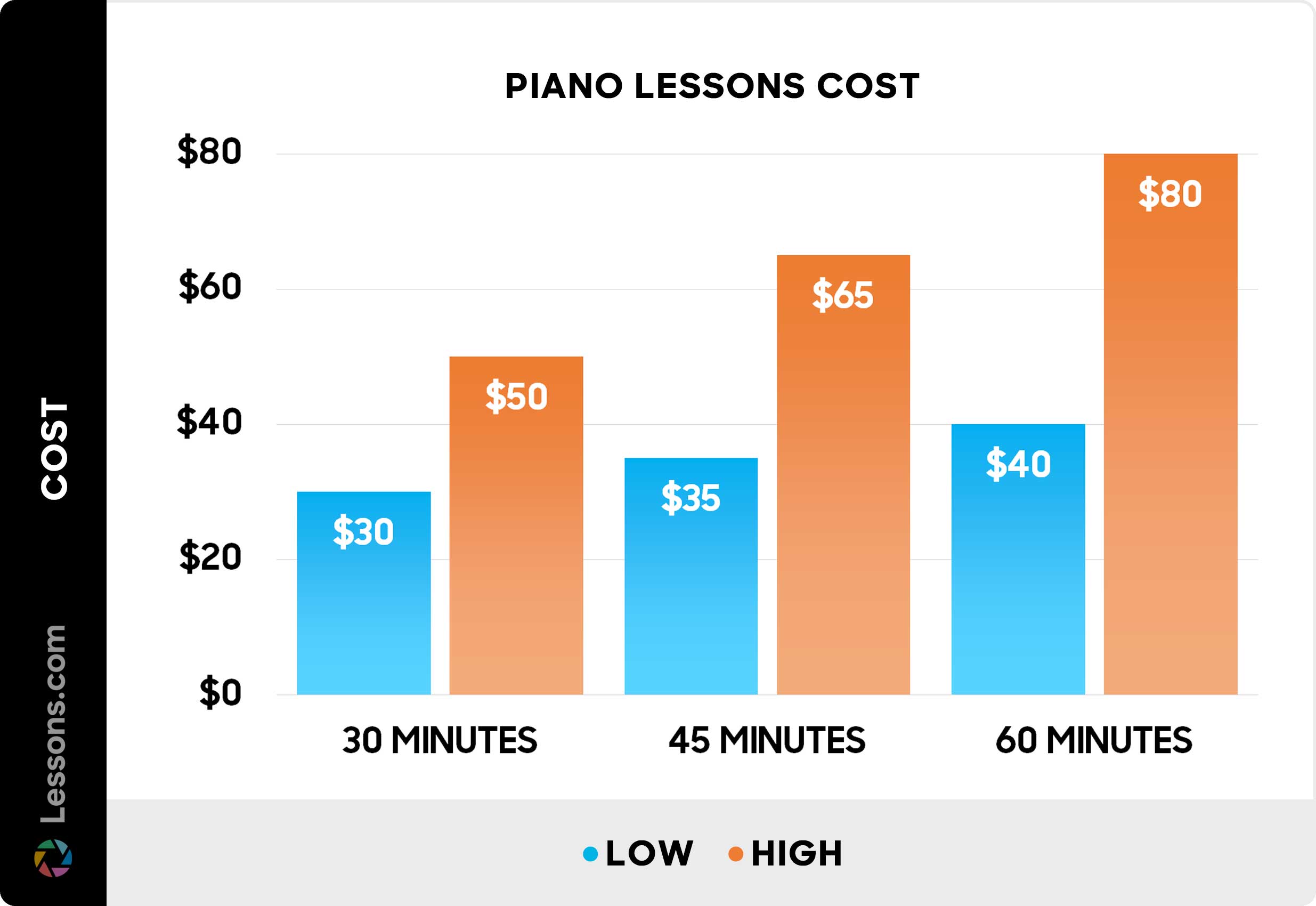
Piano lessons typically cost between $30 and $100 per hour depending on the instructor's experience, location, and teaching format.
Embarking on the journey to learn the piano is one of the best decisions you can make. It gives you music, focus, and a skill you keep for life. I spent years teaching private lessons and working with music schools. From my experience, the question “how much do piano lessons cost?” is the first thing most families and adult learners ask. It makes sense. Price affects how often you take lessons and how fast you progress.
Many factors shape the price. Teachers’ qualifications, local demand, lesson length, and whether lessons are private, group, in-home, or online all matter. I’ll break down these variables, add practical examples, and share tips to help you pick the best option for your goals and budget. This guide keeps things simple and useful, whether you want casual lessons, exam prep (ABRSM or Royal Conservatory), or serious performance training.
Factors Influencing the Cost of Piano Lessons
When you start researching how much do piano lessons cost, you will quickly notice a wide range of prices. Several variables play a significant role in determining these rates, and understanding them helps you gauge the value of the service you are paying for.
- Experience and Credentials. Teachers with advanced degrees or decades of performance experience often charge higher rates because they bring specialized knowledge to every session.
- Location and Studio Costs. Urban areas generally have a higher cost of living, which drives up the price of lessons, especially if you visit a private studio in a premium neighborhood.
- Lesson Duration. Most instructors offer 30, 45, or 60 minute sessions, with the price scaling linearly based on the time you spend with the mentor.
- Lesson Format. Private one on one sessions are the most expensive, whereas group classes offer a much more budget friendly alternative for beginners.
Here are a few more detailed, practical points I think are useful when you compare rates:
- Specialized training (jazz, classical, accompaniment, or pedagogy like Suzuki) usually costs more. Those lessons may include repertoire coaching, ear training, and advanced technique work.
- Teachers who prepare students for exams (ABRSM, Royal Conservatory) or auditions may charge higher fees because of the extra materials and mock exams they provide.
- Rates often include basic lesson planning. Some teachers add separate fees for exams, recitals, or sheet music. Always ask for a full fee list.
- When a teacher travels to your home, expect to pay for travel time or mileage. That explains why in-home lessons are pricier than studio or online lessons.
Typical price ranges by teacher type
To make this concrete, here are typical rates I’ve seen:
- University students or early-career teachers: $25–$45 per hour. Good for beginners and basic repertoire.
- Experienced private teachers with degrees: $50–$100+ per hour. Great for serious students and exam preparation.
- Community programs and group classes: $10–$40 per person per hour. Budget-friendly and social.
- Music schools and conservatories (monthly tuition): Varies widely. Often includes performance opportunities and ensemble work.
These ranges will shift by city and country. A teacher in a large city will usually charge more than one in a small town.
:max_bytes(150000):strip_icc()/GettyImages-96162171-2000-061841fa01cf428bb25fdf405e251907.jpg)
Average Pricing Models in the Industry
To better understand how much do piano lessons cost, it is helpful to look at the industry standards. While rates vary, most professionals structure their pricing around the convenience and depth of the training provided.
- In Home Lessons. These tend to be the most expensive because you are paying for the travel time and fuel costs of the instructor coming to your house.
- Virtual Lessons. Remote learning through video platforms has become very popular and often costs less since there is no travel involved for either party.
- Music Schools. Enrolling in a local conservatory or music academy often requires a flat monthly tuition fee that covers a set number of lessons plus performance opportunities.
- Community Centers. Local community centers sometimes offer group lessons that are subsidized, making them an excellent starting point if you are worried about how much do piano lessons cost.
What you actually get for the price
Price is not just a number. It usually reflects what the teacher includes. Ask what is included so you can compare fairly. Common inclusions are:
- Weekly lesson time and teacher planning.
- Printed material or recommended method books (Alfred, Faber, Bastien).
- Recital or ensemble coaching.
- Exam prep and mock tests for ABRSM or Royal Conservatory.
- Technique work, sight-reading, ear training, and music theory.
Some teachers also provide recordings, practice charts, metronome and app recommendations, and short home-practice plans. Those add real value.
Comparing in-person and online lessons
Online lessons are now common. They work well for many students. Here are quick pros and cons:
- Online pros: Lower cost, flexible scheduling, good for theory and repertoire, access to teachers in other cities.
- Online cons: Harder to fix posture, touch, and piano technique. Audio lag can affect timing work.
- Studio lessons pros: Better acoustics, teacher can demonstrate at the instrument, stronger local performance community.
- Studio lessons cons: Often pricier and need travel time.
Many students use a mix: online for weekly coaching and occasional in-person lessons for technique checks and recitals.
Practical Tips to Manage Lesson Expenses
I remember when I first started teaching; I always encouraged my students to focus on value rather than just the lowest price. Finding the right balance between cost and quality is essential for long term progress.
- Negotiate Payment Plans. Many teachers offer a discount if you pay for an entire semester upfront instead of paying week by week.
- Consider Group Lessons. If you are a beginner, learning in a small group can be just as effective as private lessons and significantly reduces the individual cost.
- Look for Teaching Students. Advanced university students often teach for a lower rate than seasoned professionals and can be highly effective for beginners or intermediate learners.
- Audit Your Goals. If you only want to learn a few songs for a hobby, you might not need a world class virtuoso charging premium rates, which helps keep the total spend manageable.
Other money-saving ideas that work
- Share lessons. Two students at similar levels can split a private lesson and each get focused feedback. This reduces the hourly cost per student.
- Buy used method books. Look for Alfred, Faber, or Bastien editions second-hand. They are often like new.
- Use free apps and online videos to supplement lessons. These cut the amount of in-lesson theory time you need.
- Practice efficiently. Better practice means fewer lessons to reach your goal. Short, focused daily practice beats sporadic long sessions.
How to choose the best value teacher
When I hire a teacher or recommend one, I look for three things: clear goals, good communication, and evidence of student progress. Ask for references, recordings, or a short trial lesson. A good teacher explains practice goals and gives a simple plan you can follow at home.
Also check if the teacher is familiar with exams you care about (ABRSM, RCM, Trinity) or methods you prefer (Suzuki, Kodaly). That matters if you want structured grading or diplomas.
Sample monthly budgets
To help you plan, here are sample annual and monthly budgets depending on your path. These include lesson fees and typical extras like books and recital fees.
- Casual hobbyist (30 min weekly, online): $25–$40 per lesson = $100–$160/month. Minimal extras.
- Committed learner (45–60 min weekly, private teacher): $50–$90 per lesson = $200–$360/month. Expect $100–$300/year for books and recitals.
- Exam-focused student (weekly private + mock exams): $70–$120 per lesson = $280–$480/month. Add exam fees and extra coaching sessions.
These are ballpark figures. Your local market will vary.
Frequently Asked Questions of how much do piano lessons cost
Do I need to pay for piano lessons on a monthly or weekly basis?
Most instructors prefer a monthly payment schedule to ensure consistency and guarantee their own income. This model encourages regular attendance and helps students stay committed to their practice.
Does the level of the student change how much do piano lessons cost?
Yes, highly advanced students often pay more for lessons because they require specialized instruction at a master class level. However, most teachers keep a consistent rate for children and beginner adult students.
Are there extra costs besides the lesson fee?
You should budget for additional expenses like method books, sheet music, recital fees, and instrument maintenance. These costs often add up, so keep them in mind when calculating your total annual investment.
Can I find free resources to supplement my paid lessons?
Absolutely, there are countless free apps, theory videos, and online exercises that complement your paid sessions. Using these tools effectively can help you get more value out of every paid hour with your teacher.
Should I pay more for a teacher who has a degree in music?
A degree indicates a high level of pedagogical training and expertise, which often justifies a higher hourly rate. While a degree is not the only indicator of a good teacher, it usually ensures a structured and professional approach to music education.
How long before I see real progress?
Progress depends on practice time and lesson quality. With consistent weekly lessons and 20–30 minutes of daily practice, many students hear clear improvement in 2–3 months. For exam-level progress or advanced repertoire, expect a longer, steady path over years.
What should I ask in a trial lesson?
Ask the teacher about their goals for you, their practice plan, and how they track progress. Request a short performance checklist or a sample practice log. A good teacher gives clear next steps and realistic goals.
Conclusion
Understanding how much do piano lessons cost empowers you to make a choice that supports your artistic growth without causing financial stress. Remember that the value of music education extends far beyond the hourly fee, as you are investing in a skill that lasts a lifetime. Whether you choose a local conservatory, a private tutor, or a virtual instructor, the most important factor is the consistency of your practice and the connection with your teacher. Now that you have a clear picture of the market, I encourage you to reach out to a few local instructors, ask about their trial lessons, and start your musical journey today. Please leave a comment below if you have more questions about finding the perfect mentor for your needs.

Senior Music Reviewer
Alex Carter is a seasoned music reviewer with over a decade of experience in the world of sound and instruments. Passionate about helping musicians and enthusiasts make informed choices, he brings sharp insights and in-depth knowledge to every review. From classical instruments to modern gear, Alex combines technical expertise with a love for music to deliver content that resonates with readers.
As a Senior Music Reviewer and expert author on Tuneluma.com, Alex is dedicated to sharing honest evaluations, practical advice, and thoughtful commentary to guide readers in their musical journey.