What Key Is Piano In: Find The Answer Fast
A piano is not in one key; its keyboard plays all major, minor, and chromatic keys.
If you search for “what key is piano in,” you may mean the instrument itself, a piano song, or the notes used in a lesson. The accurate answer depends on that context. As a music teacher and keyboard player, I find this question often comes from one simple mix-up: a piano has a fixed layout, but it does not have a single musical key.
This guide explains the difference in plain language. You will learn why the white keys resemble C major, how piano tuning differs from musical key, and how to find the key of any piano song.
Is a piano in a specific key?
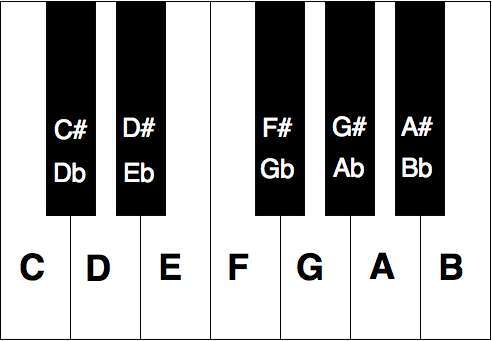
A piano is not in one specific key. It is a chromatic instrument, which means it can play all 12 notes used in Western music:
• A
• A-sharp or B-flat
• B
• C
• C-sharp or D-flat
• D
• D-sharp or E-flat
• E
• F
• F-sharp or G-flat
• G
• G-sharp or A-flat
These notes repeat across the keyboard. A standard 88-key piano reaches from A0, the lowest note, to C8, the highest note.
The phrase “what key is piano in” can therefore be misleading. A piano can play a song in C major, D minor, F-sharp major, or nearly any other key. The instrument itself does not choose the key. The music does.
Think of a piano as a full box of crayons. The piano gives you every color, but the song decides which colors to use.
Why do people think a piano is in C major?
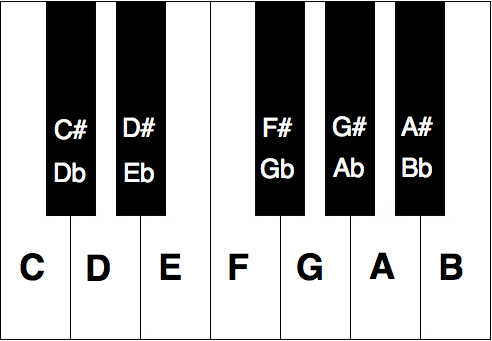
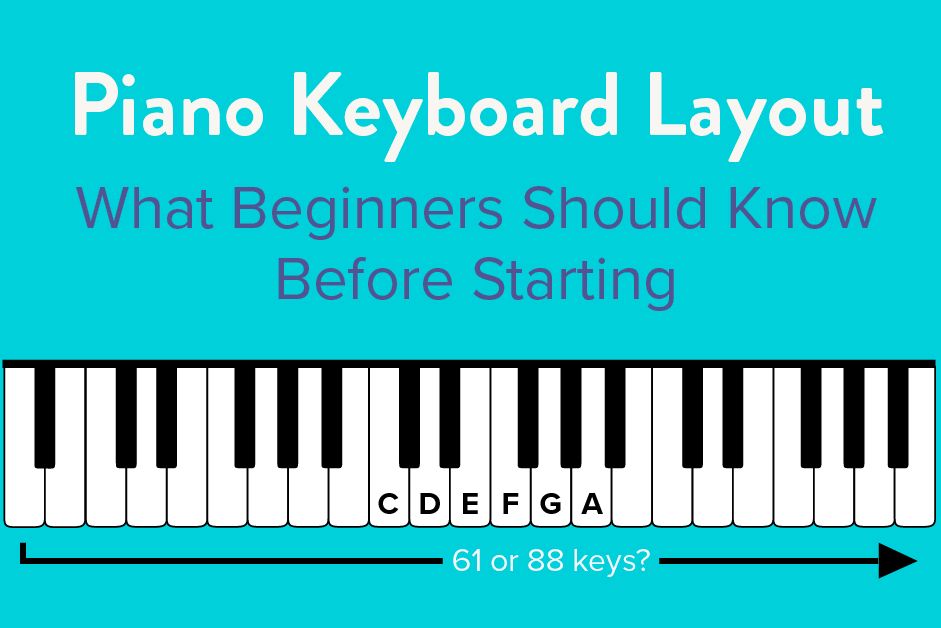
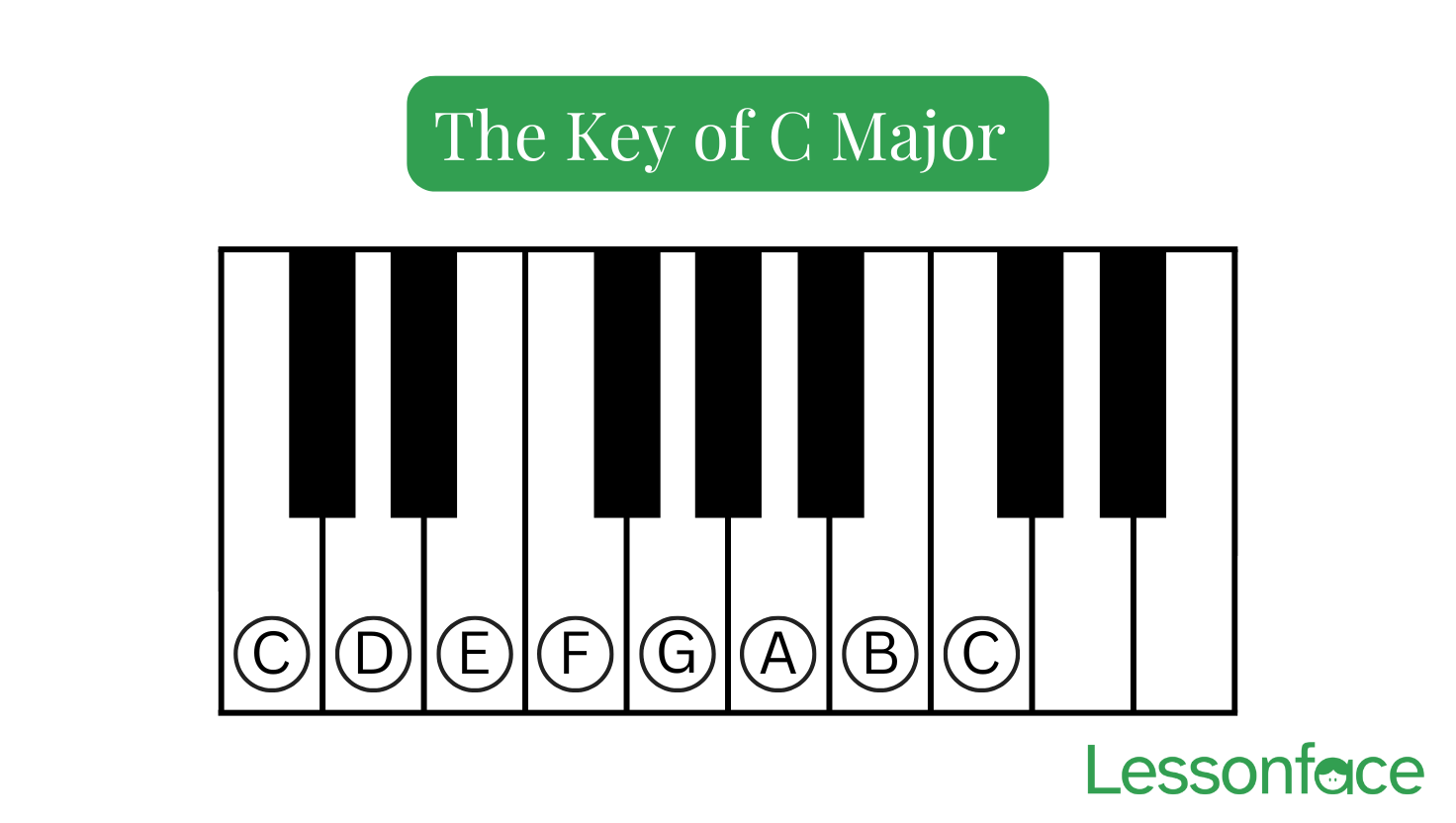
Many beginners think a piano is in C major because the white keys from C to C form the C major scale:
C, D, E, F, G, A, B, C
This scale uses only white keys. It has no sharps or flats, so it is easy to see and play. Many beginner books also start with C major because the pattern is simple.
However, this does not mean the entire piano is in C major. It only means that C major can be played without using the black keys.
The white keys also form A natural minor:
A, B, C, D, E, F, G, A
A minor uses the same notes as C major. The difference is the starting note and the musical center. This is called a relative key relationship.
A useful lesson is this:
• White keys do not always mean C major.
• Black keys do not automatically mean a difficult key.
• The key depends on the song’s tonal center and scale pattern.
• Any note can act as the starting point of a key.
When people ask “what key is piano in,” they often notice the white-key layout and assume it tells them the instrument’s key. It does not.
What does “key” mean in music?
In music, a key is a group of notes organized around one main note, called the tonic. The tonic feels like home. Most melodies and chords in the song relate to that note.
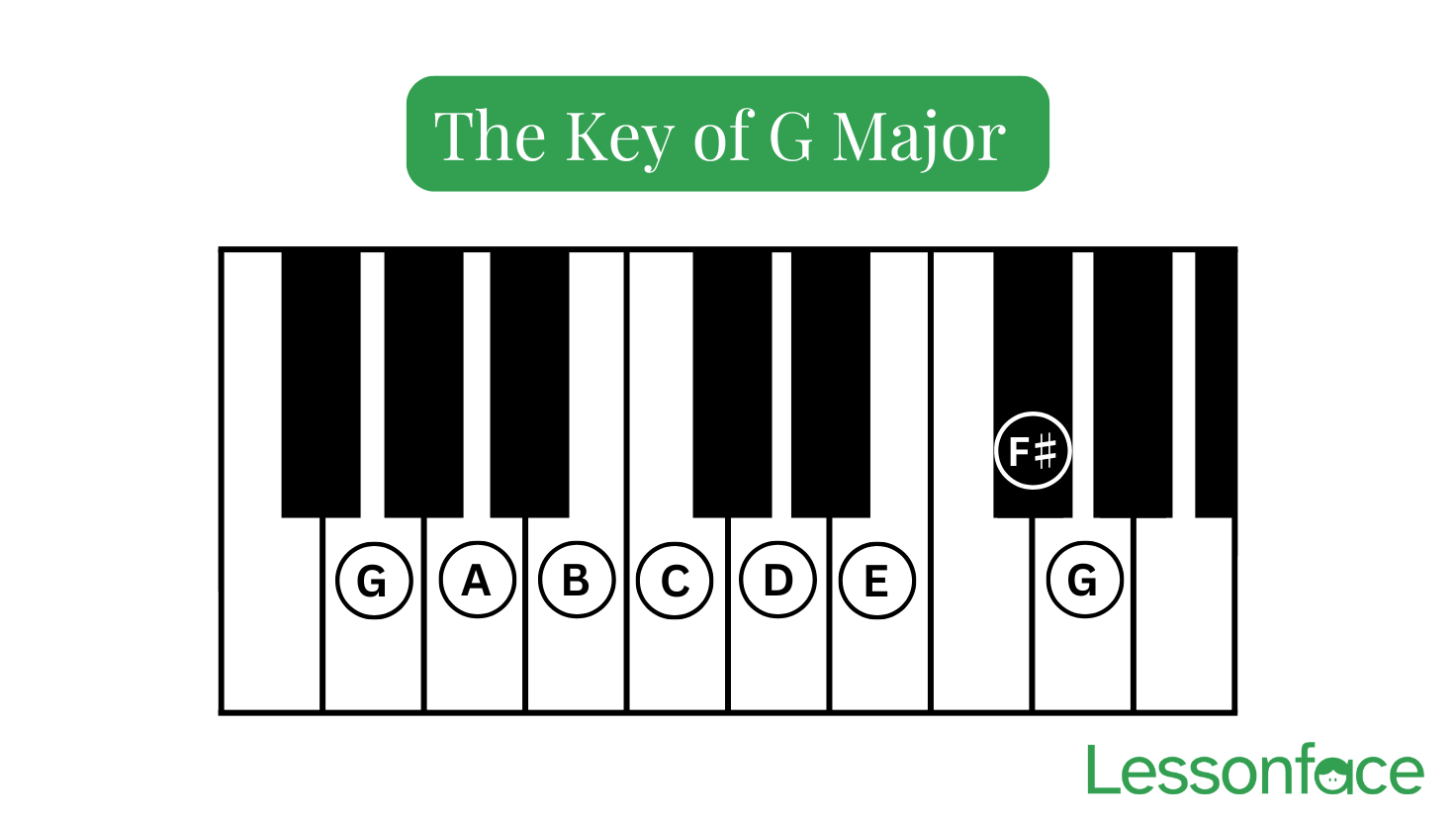
For example, a song in G major often feels settled when it returns to G. Its main scale is:
G, A, B, C, D, E, F-sharp, G
A song in D minor centers on D and uses a different pattern of notes. The key gives the music its tonal shape, mood, and chord choices.
A key is not the same as a piano key. These two meanings are easy to confuse:
• A piano key is a physical button that produces a note.
• A musical key is the tonal center of a song.
So, when someone asks what key is piano in, they may be mixing up a physical key with a musical key. The piano has many physical keys, but a song usually has one main musical key.
The musical key can change during a piece. This is called modulation. A piano can follow those changes because it can play notes in every key.

Is a piano tuned to a key?
A piano is tuned to pitches, not to a musical key. Most modern pianos use equal temperament, a tuning system that divides the octave into 12 equal semitones.
The usual tuning reference is A4 at 440 hertz. This note is the A above middle C. It is often called concert pitch.
That does not mean the piano is in the key of A. It only means that one A note vibrates at a standard frequency. The same piano can play music in C, E-flat, B minor, or any other key after it has been tuned.
This distinction matters:
• Tuning controls the pitch accuracy of the instrument.
• Key controls the note center of a musical work.
• A piano tuned to A440 can play songs in every key.
Some orchestras use a slightly different reference, such as A442 or A443. This changes the overall pitch level but does not put the piano in a new musical key.
In practical piano work, tuning and key are separate ideas. A piano tuner adjusts the instrument’s pitch. A composer or performer chooses the key.
What key are the white keys on a piano?
The white keys are not all in one key. Their natural note names are:
C, D, E, F, G, A, and B
If you play from C to the next C using only white keys, you hear C major. If you play from A to the next A using only white keys, you hear A natural minor.
You can also create different modes with the same white notes:
• C to C produces the Ionian mode, or major scale.
• D to D produces D Dorian.
• E to E produces E Phrygian.
• F to F produces F Lydian.
• G to G produces G Mixolydian.
• A to A produces A natural minor.
• B to B produces B Locrian.
This shows why the question what key is piano in has more than one possible answer. The same group of white notes can create different musical feelings, depending on which note sounds like home.
The black keys add sharps and flats. They let you play the other major and minor keys. For example, F major needs B-flat, while G major needs F-sharp.
How to find the key of a piano song
Finding the key of a piano song takes more than spotting the first note. Many songs begin with a note that is not the tonic. The final note or chord often gives a stronger clue.
Use this simple process:
- Listen for the note or chord that feels like “home.”
- Check the final chord or bass note.
- Look at the key signature if sheet music is available.
- Identify the main scale used by the melody.
- Compare the likely major key with its relative minor.
- Play the suspected tonic and listen for a feeling of rest.
For example, if a song uses the notes G, A, B, C, D, E, and F-sharp, G major is a strong possibility. If the song repeatedly rests on E and sounds darker, it may be E minor, which shares the same key signature.
Here is a practical piano test:
• Play the song’s final chord.
• Play individual notes above it.
• Notice which note sounds most stable.
• Build a major or minor scale from that note.
• Compare the scale with the melody and chords.
A mistake I often see in beginner practice is assuming the first note tells the key. It may be only a pickup note, also called an anacrusis. Always listen for the note that gives the song a sense of completion.
How piano keys relate to scales and chords
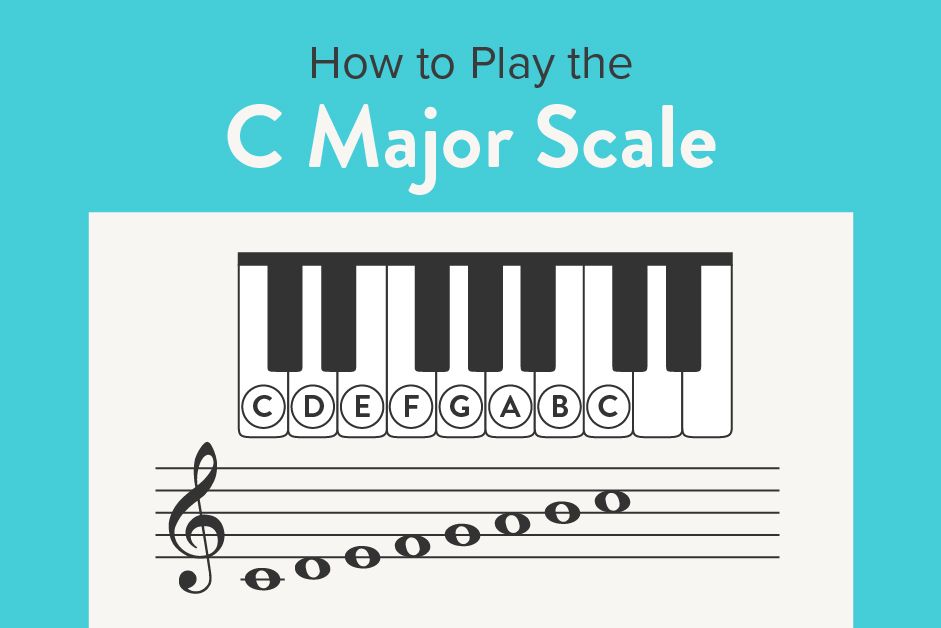
Each musical key has a matching scale and a set of common chords. These chords are built by stacking notes from the scale.
In C major, the basic diatonic chords are:
• C major
• D minor
• E minor
• F major
• G major
• A minor
• B diminished
These chords use the notes of the C major scale. A simple song in C major may use C, F, and G chords because they create a strong sense of movement and return.
The same pattern can move to another key. In G major, the main chords include G, C, and D. The pattern stays similar, but the actual notes change.
This is why transposing is useful. Transposing means moving a song to a new key while keeping the same musical relationships. A singer may ask for a song to move from C major to B-flat major because the new key fits their vocal range better.
The piano makes transposition clear. You can move the same chord shape up or down, but you must account for the black keys in the new key.
Common piano keys and their key signatures
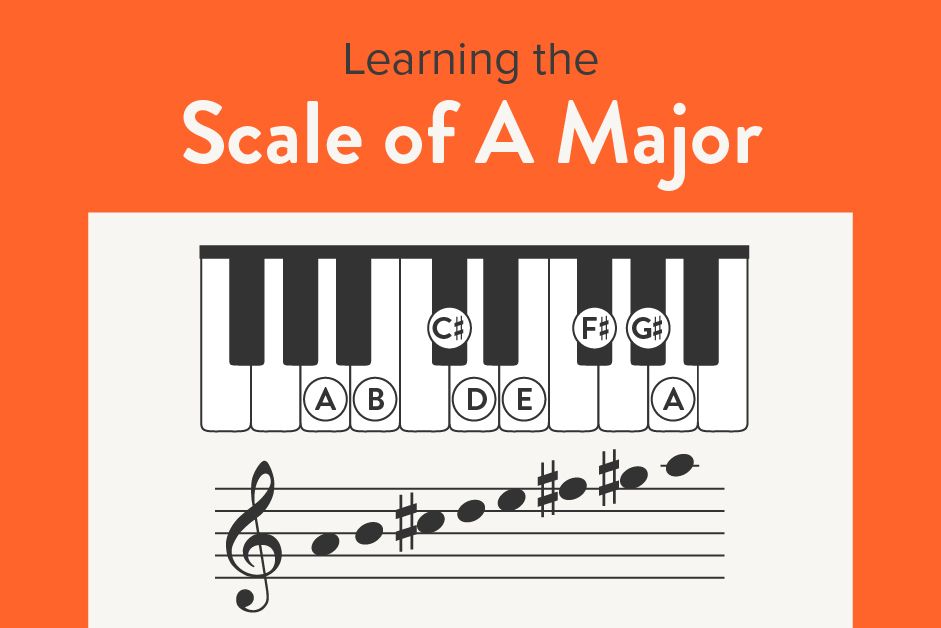
Here are several common major keys and their required sharps or flats:
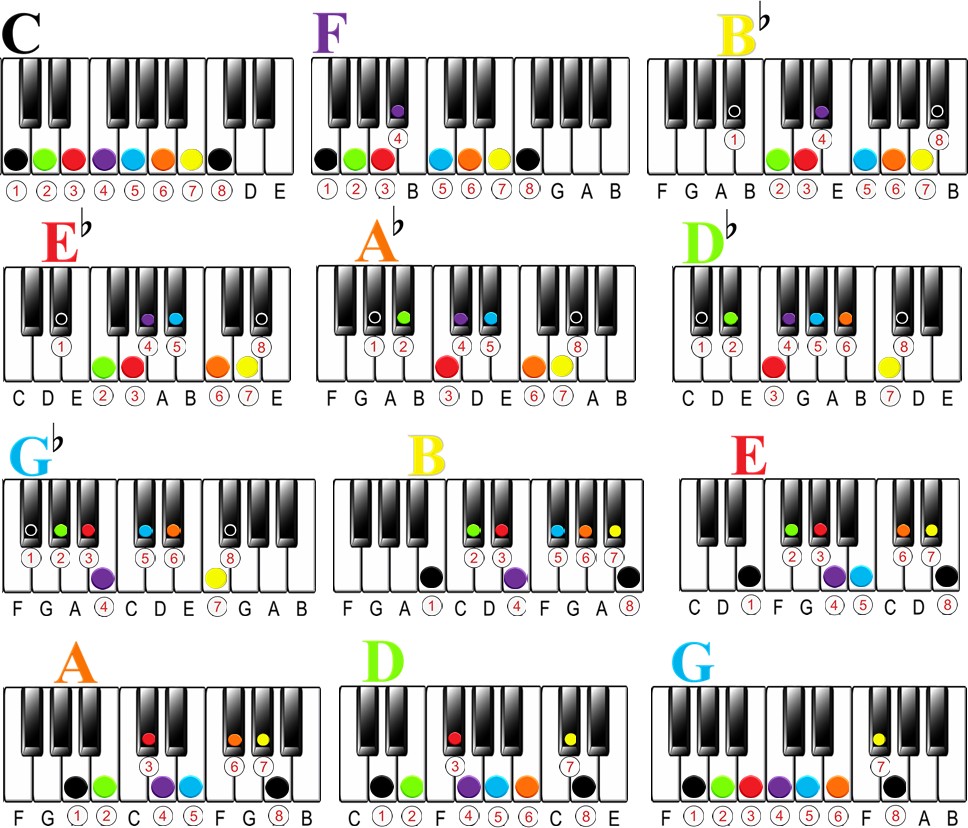
| Major key | Key signature |
|---|---|
| C major | No sharps or flats |
| G major | F-sharp |
| D major | F-sharp, C-sharp |
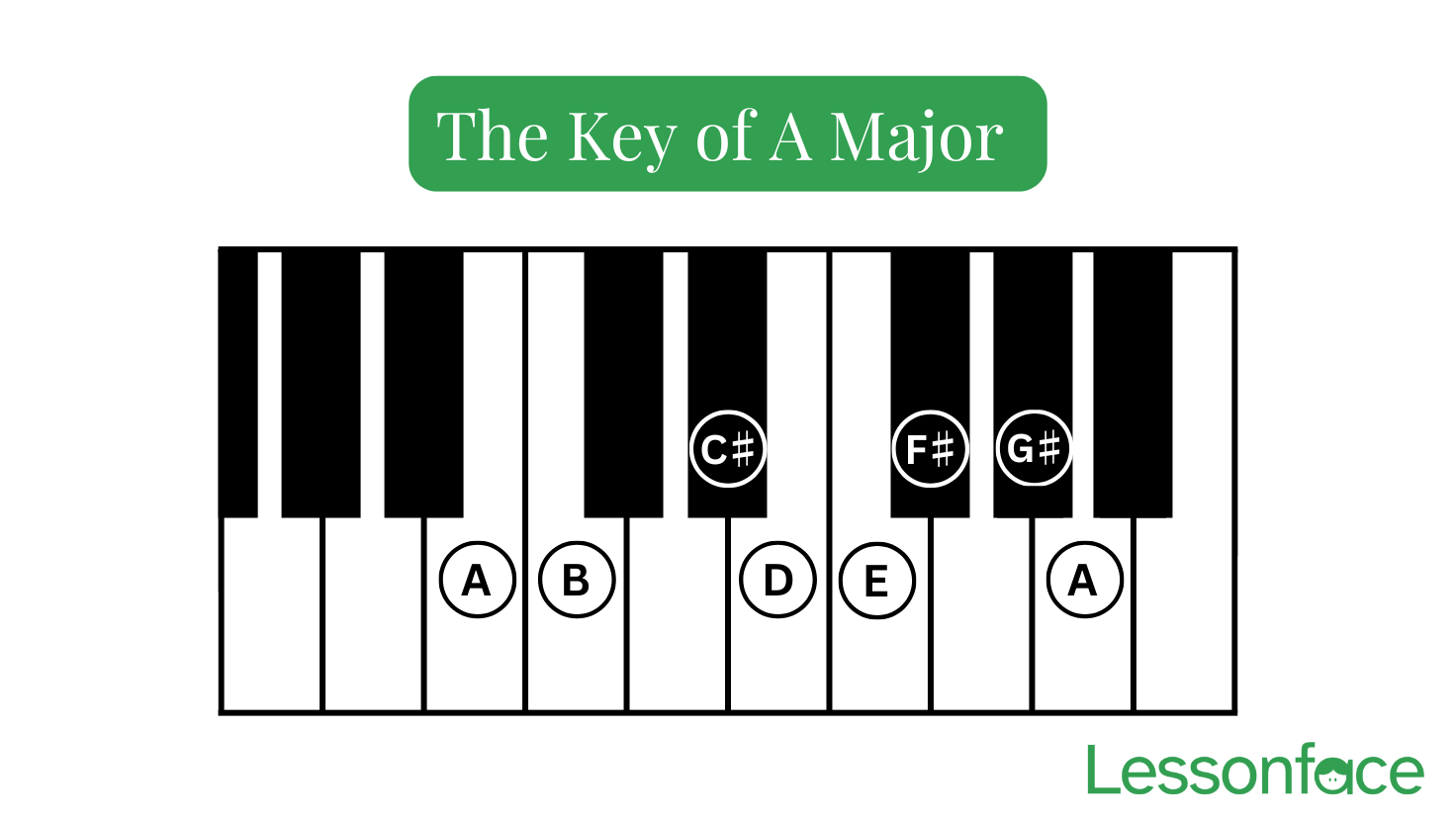
| A major | F-sharp, C-sharp, G-sharp |
| F major | B-flat |
| B-flat major | B-flat, E-flat |
| E-flat major | B-flat, E-flat, A-flat |
Each major key has a relative minor key with the same key signature:
• C major relates to A minor.
• G major relates to E minor.
• D major relates to B minor.
• F major relates to D minor.
• B-flat major relates to G minor.
A key signature appears at the beginning of written music. It shows which notes are normally sharp or flat throughout the piece. You still need to listen to the melody and harmony because a key signature can belong to both a major key and its relative minor.
This is one reason sheet music alone may not answer what key is piano in. The page may show the key of the composition, but the piano remains able to play every key.
Does the type of piano change its key?
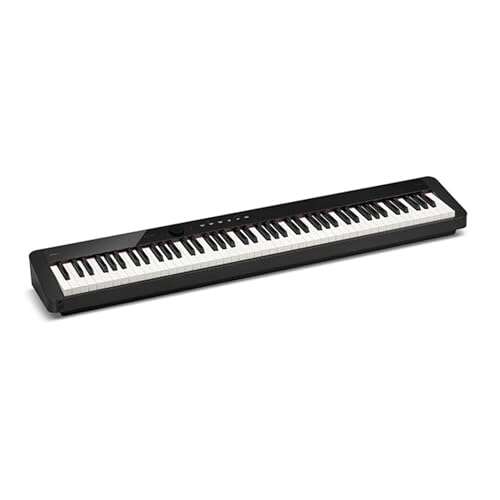
The type of piano does not determine its musical key. An upright piano, grand piano, digital piano, and keyboard can all play music in the same range of keys, depending on their design.
Some keyboards have fewer keys than a standard acoustic piano. A 61-key keyboard may not reach the full low and high range of an 88-key piano. Yet both can play a song in C major, F major, or another key.
Digital pianos may also include a transpose function. This feature shifts the sounding pitch while allowing the player to use familiar finger positions.
For example, you can play a song using C major shapes while the keyboard sounds in D major. This is helpful for singers, but it can cause confusion when reading music. The fingers may play one key while the audience hears another.
The main limits are range, touch, and sound quality. They do not change the basic answer to what key is piano in: the piano itself is not locked to one key.
Beginner tips for learning piano keys
If you are new to piano, start by learning note names and simple scale patterns. You do not need to memorize every key at once.
Try this routine:
- Find every C by locating the white key just left of each group of two black keys.
- Learn the C major scale with the correct right-hand fingering.
- Practice G major and F major next.
- Learn the difference between a sharp and a flat.
- Play major and minor triads in several keys.
- Listen for the tonic, or “home” note, in simple songs.
- Read the key signature before playing a new piece.
A common beginner mistake is to avoid black keys. They are not extra notes with no purpose. They are essential for scales, chords, melodies, and fluent technique.
Another mistake is to focus only on finger shapes. Finger patterns help, but understanding the notes helps you adapt. If you know why a scale uses a certain sharp or flat, you are less likely to lose your place.
Practice slowly. A clear, relaxed sound is more valuable than fast playing. The piano keyboard is like a map: learn the landmarks first, then explore the roads between them.
Why the key of a song matters
The key affects how a song sounds and how comfortably it can be played. Major keys often sound bright or open, while minor keys often sound darker or more reflective. These are broad impressions, not strict rules.
The key also affects vocal range. A song that feels easy for one singer may sit too high or too low for another. Changing the key can make the same song more comfortable without changing its basic melody.
For piano players, the key affects:
• Which black and white notes appear most often
• Which chords are easiest to play
• How the melody fits under the fingers
• How the song sounds with other instruments
• How well the music fits a singer’s range
When arranging a song, I recommend choosing the key after considering the performer. A theoretically simple key is not always the best practical key. Sometimes B-flat major feels easier than C major because the hand position flows more naturally.
The best key is the one that supports the music, the player, and the listener.
Frequently Asked Questions About What Key Is Piano In
Is a piano in C major?
No. A piano is not in C major, although the white keys from C to C create the C major scale. The instrument can play in all major and minor keys.
What key is a standard piano tuned to?
A standard piano is commonly tuned with A4 set to 440 hertz. This is a pitch reference, not a musical key, so it does not mean the piano is in A major.
Can a piano play every key?
Yes. A piano is a chromatic instrument with all 12 notes repeated across its range. It can play every major key, minor key, mode, and chromatic passage used in standard Western music.
Why do piano lessons often start in C major?
C major uses only the white keys, so it is easy for beginners to see and understand. Its simple layout makes it useful for learning note names, scales, and basic chords.
How can I tell what key a piano song is in?
Listen for the note or chord that feels like home, then check the song’s ending and key signature. The first note may not be the tonic, so it should not be used alone.
Are piano keys and musical keys the same thing?
No. A piano key is a physical key that produces a note, while a musical key is the tonal center of a song. The similar wording causes confusion for many new players.
Can a piano song change keys?
Yes. A composition can move from one key to another through modulation. The piano can support these changes because it has access to every chromatic note.
Conclusion
The clearest answer to what key is piano in is that a piano is not in one musical key. It is a chromatic instrument that can play all 12 notes, every major and minor key, and many musical modes.
The white keys may suggest C major because they form that scale without sharps or flats. Still, the piano itself is not tuned to C major. Its tuning, often based on A4 at 440 hertz, is separate from the key of the music being played.
Start by learning C major, A minor, G major, and F major. Then listen for the tonal center in real songs and practice moving familiar patterns into new keys. Explore more piano guides, share your questions, and keep building your skills one note at a time.

Senior Music Reviewer
Alex Carter is a seasoned music reviewer with over a decade of experience in the world of sound and instruments. Passionate about helping musicians and enthusiasts make informed choices, he brings sharp insights and in-depth knowledge to every review. From classical instruments to modern gear, Alex combines technical expertise with a love for music to deliver content that resonates with readers.
As a Senior Music Reviewer and expert author on Tuneluma.com, Alex is dedicated to sharing honest evaluations, practical advice, and thoughtful commentary to guide readers in their musical journey.