How Heavy Is An Upright Piano: Weight, Moving Tips
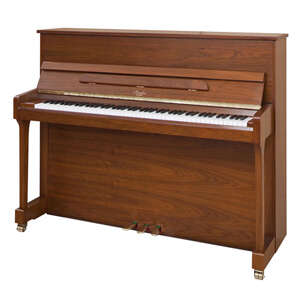
An upright piano typically weighs between 300 and 700 pounds (136–318 kg).
I’ve spent years moving, tuning, and advising on upright pianos, so I know how confusing the question how heavy is an upright piano can be. This guide breaks down real weights by style, the factors that change weight, safe moving tips, floor and delivery concerns, and practical examples from real moves. Read on to get clear, usable answers that help you plan, buy, move, or sell with confidence.
How heavy is an upright piano? Size-by-size weight guide
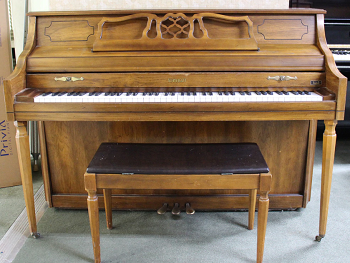
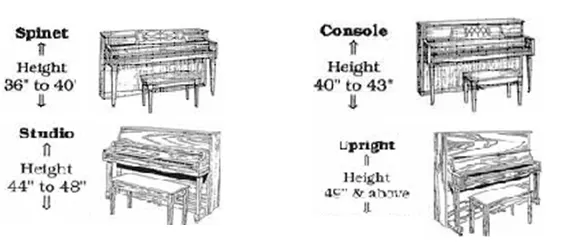
Upright pianos come in several common styles. Each style has a typical weight range. Below are realistic ranges you can expect.
-
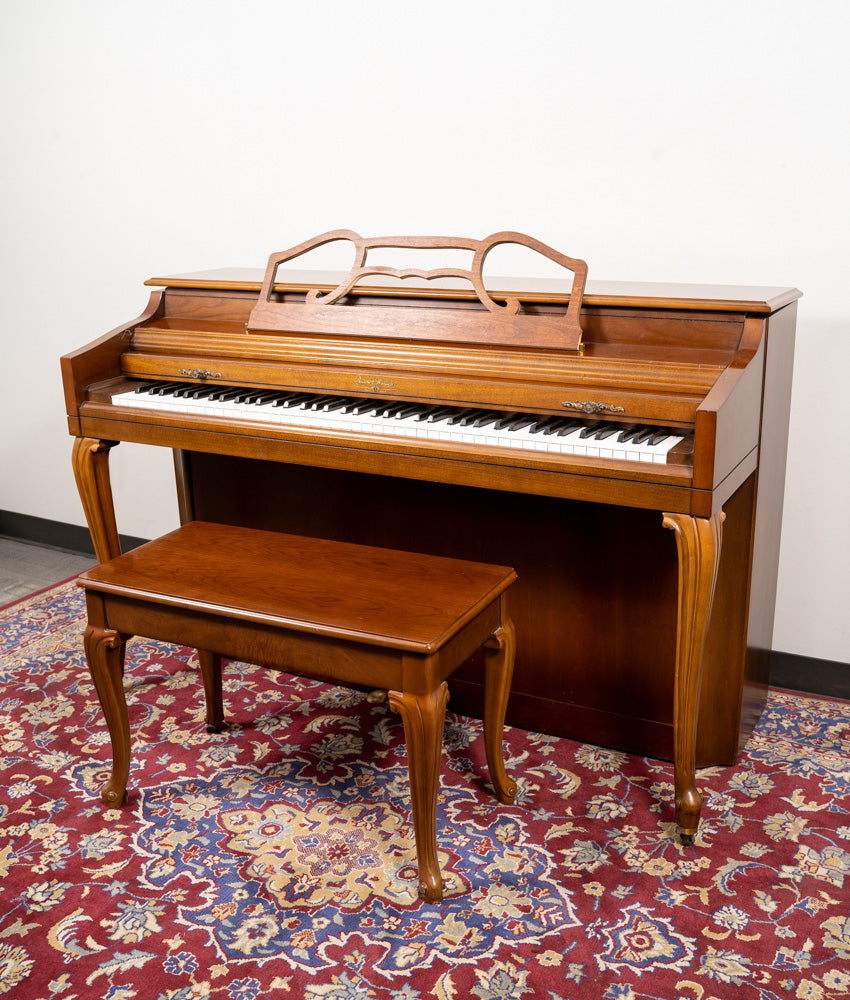
Spinet and small uprights
- Typical weight: 300 to 400 pounds (136 to 181 kg).
- These are compact and lighter, but still heavy for one person.
-
Console uprights
- Typical weight: 350 to 450 pounds (159 to 204 kg).
- A good mix of space and sound; more wood and bracing add weight.
-
Studio uprights
- Typical weight: 400 to 650 pounds (181 to 295 kg).
- Taller action and larger soundboards increase mass.
-
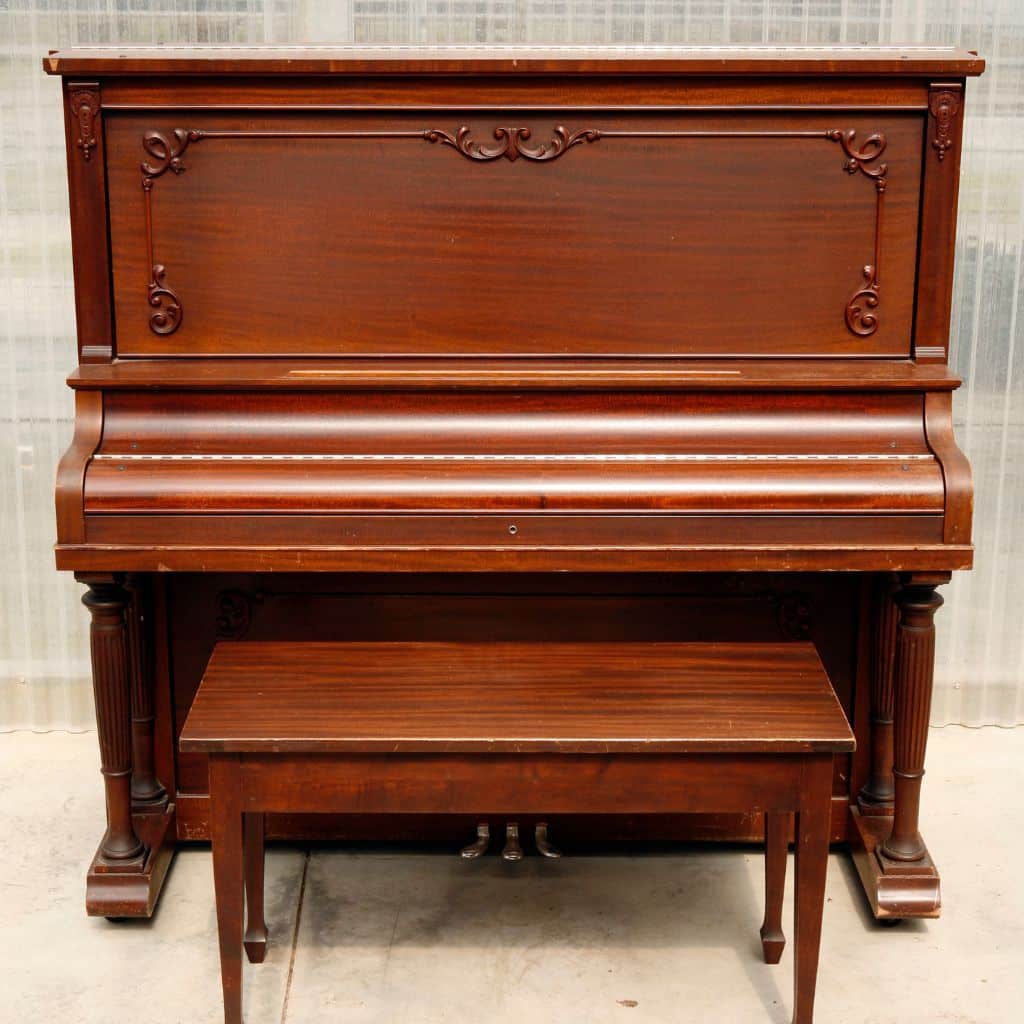
Full upright / professional uprights
- Typical weight: 500 to 700+ pounds (227 to 318+ kg).
- Heavy cast-iron plates and thicker soundboards push weights higher.
These ranges answer how heavy is an upright piano in plain terms. Remember that the exact model, age, and added items (bench, humidity devices) affect the total weight.
Main factors that affect how heavy an upright piano is
Understanding the components helps explain why weights vary so much.
- Size and height
- Taller uprights have larger soundboards and longer strings. That raises weight.
- Cast-iron plate
- The iron plate is dense. Older or higher-end uprights may have thicker plates.
- Soundboard and wood type
- Solid spruce soundboards and hardwood cabinetry add pounds.
- Action and hardware
- Metal action parts, tuning pins, and strings are heavy when combined.
- Pedals and braces
- Extra bracing and reinforced frames increase weight.
- Age and accumulated repairs
- Replacements and added parts (reinforcements, rewiring) can nudge weight up.
- Accessories
- Benches, humidity systems, and covers add to the total shipment or move weight.
Each of these factors helps explain differences when you ask how heavy is an upright piano for a specific instrument.
How to estimate or measure an upright piano’s weight at home
If you need to know the number for moving or shipping, here are practical ways to estimate weight.
- Check model specifications
- Manufacturer specs often list weight. Look on the inside or user manual.
- Use an accurate bathroom scale method
- With two scales, lift one end of the piano slightly and record the sum on both. This works only with help and care.
- Ask a piano or moving professional
- Movers and piano technicians can estimate by model and size.
- Weigh components for a rough total
- Bench plus piano plus accessories = estimated shipment weight.
Always round up to the nearest 50 pounds for safety when booking movers. This avoids surprises and underquoting.

Moving an upright piano: professional vs DIY
Moving a piano safely is about planning and the right gear. The wrong move risks injury and damage.
- Professional piano movers
- Pros use piano boards, skid straps, and experience. They insure the job.
- Cost varies by distance and difficulty. Expect higher costs for stairs or narrow halls.
- DIY moving considerations
- Don’t go alone. Use at least three people for most uprights.
- Essential gear: piano board, moving straps, heavy-duty dolly, blankets, and gloves.
- Steps: lock the keyboard, secure with padding, load onto the board, wheel carefully, and avoid tilting beyond recommended angles.
- Safety tips
- Protect floors with wood planks or thick cardboard.
- Keep weight close to your body and use leg power.
- Avoid dragging; lift with the board and dolly.
From my experience moving a studio upright up two flights, hiring pros was the best decision. I once tried a DIY move and underestimated the stair angle. We had to stop and call the pros, which cost more in the end. That taught me to plan for the real weight, not just the sticker number.

Floors, building limits, and where to place an upright piano
Knowing how heavy is an upright piano helps you protect your floors and structure.
- Floor load capacity
- Most residential floors handle typical uprights, but confirm for older homes or upper floors.
- Distribute weight
- Use a wide-legged bench or plywood under the piano to spread the load.
- Casters and cast-iron feet
- Casters concentrate weight on small points. Use caster cups to protect floors.
- Placement
- Avoid exterior walls with high drafts. Place on load-bearing walls or near beam supports if possible.
If you’re unsure, have a contractor or mover inspect the placement and recommend reinforcement. It’s safer and often cheaper than fixing damage later.

Cost, insurance, and logistics tied to piano weight
Weight drives moving cost and complexity. Here’s what to expect.
- Moving price factors
- Weight, distance, stairs, narrow entries, and required gear all add cost.
- Insurance
- Higher weights and values often need extra transit insurance.
- Shipping
- Air freight is not used. Ground transport uses rated trucks; weight affects handling and price.
- Storage
- Climate-controlled storage adds fees and may be recommended for valuable uprights.
Plan for contingency funds. A heavier upright can double the handling cost compared with a small spinet.

Weight changes over time: maintenance and materials
An upright’s weight can change slightly across years.
- Humidity and water absorption
- Wood can absorb moisture and gain small amounts of weight.
- Replacements and repairs
- New hammers, strings, or parts may add or subtract a few pounds.
- Removal of benches or accessories
- Removing extra furniture lowers moving weight but not the core instrument weight.
The variations rarely exceed a few percent. Still, for tight moves or shipping, count on the higher side of the weight range when planning.
Real-world examples and model references
Here are typical real-world examples to illustrate how heavy is an upright piano.
- Small spinet: around 300 to 350 lb. Good for apartments with ground-floor pickup.
- Mid-size console: 375 to 450 lb. Requires two to three strong movers or a pro.
- Studio (common school or home studio models): 450 to 650 lb. Often handled only by pros for stairs.
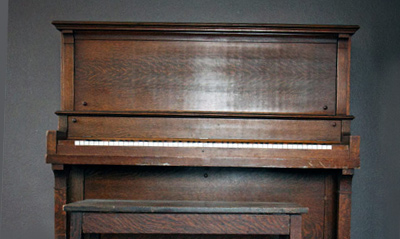
- Professional upright: 500 to 700+ lb. Plan for specialty equipment and insurance.
These examples match my work experiences in homes and schools. One school studio piano I moved weighed about 620 lb. We used a piano board, three movers, and took 90 minutes to navigate stairs and hallways.
Practical tips and checklist before moving an upright piano
A quick checklist saves stress and expense.
- Measure doorways, corridors, stair widths, and ceiling heights.
- Check stairs for corners and railing clearance.
- Clear the path of obstacles and loose rugs.
- Book insurance and confirm mover equipment (board, straps, dolly).
- Remove or secure the piano bench and any loose items.
- Protect the piano with blankets and straps during transit.
Follow these steps and you reduce damage risk and surprise charges.
Frequently Asked Questions of how heavy is an upright piano
What is the average weight of a typical upright piano?
Most upright pianos weigh between 300 and 700 pounds (136–318 kg), depending on size and build. Spinet models sit at the low end, while professional uprights sit at the high end.
Can two people move an upright piano safely?
Two people can move smaller uprights with proper equipment, but larger uprights usually need three or more people or professional movers. Safety gear and experience are essential to avoid injury.
How does the piano’s weight affect moving costs?
Heavier pianos cost more to move because of the extra labor, equipment, and risk. Stairs or tight spaces add significant fees on top of base rates.
Will an upright piano damage my floor?
It can if weight is concentrated on small points like casters. Use plywood, caster cups, or professional moving boards to spread the load and protect flooring.
Does piano weight change after restoration or tuning?
Weight may shift slightly after repairs or part replacements, but changes are generally small. Humidity and added accessories can also alter total transport weight a little.
Conclusion
Knowing how heavy is an upright piano helps you plan moves, protect your home, and budget properly. We covered realistic weight ranges, factors that influence mass, safe moving steps, floor issues, and real examples from hands-on experience. If you’re moving or buying, measure your space, get accurate weight info, and consider hiring pros when stairs or tight corners are involved. Take action now: measure doorways, call a mover for an estimate, or leave a comment with your model and situation so I can help with tailored advice.

Senior Music Reviewer
Alex Carter is a seasoned music reviewer with over a decade of experience in the world of sound and instruments. Passionate about helping musicians and enthusiasts make informed choices, he brings sharp insights and in-depth knowledge to every review. From classical instruments to modern gear, Alex combines technical expertise with a love for music to deliver content that resonates with readers.
As a Senior Music Reviewer and expert author on Tuneluma.com, Alex is dedicated to sharing honest evaluations, practical advice, and thoughtful commentary to guide readers in their musical journey.